Image
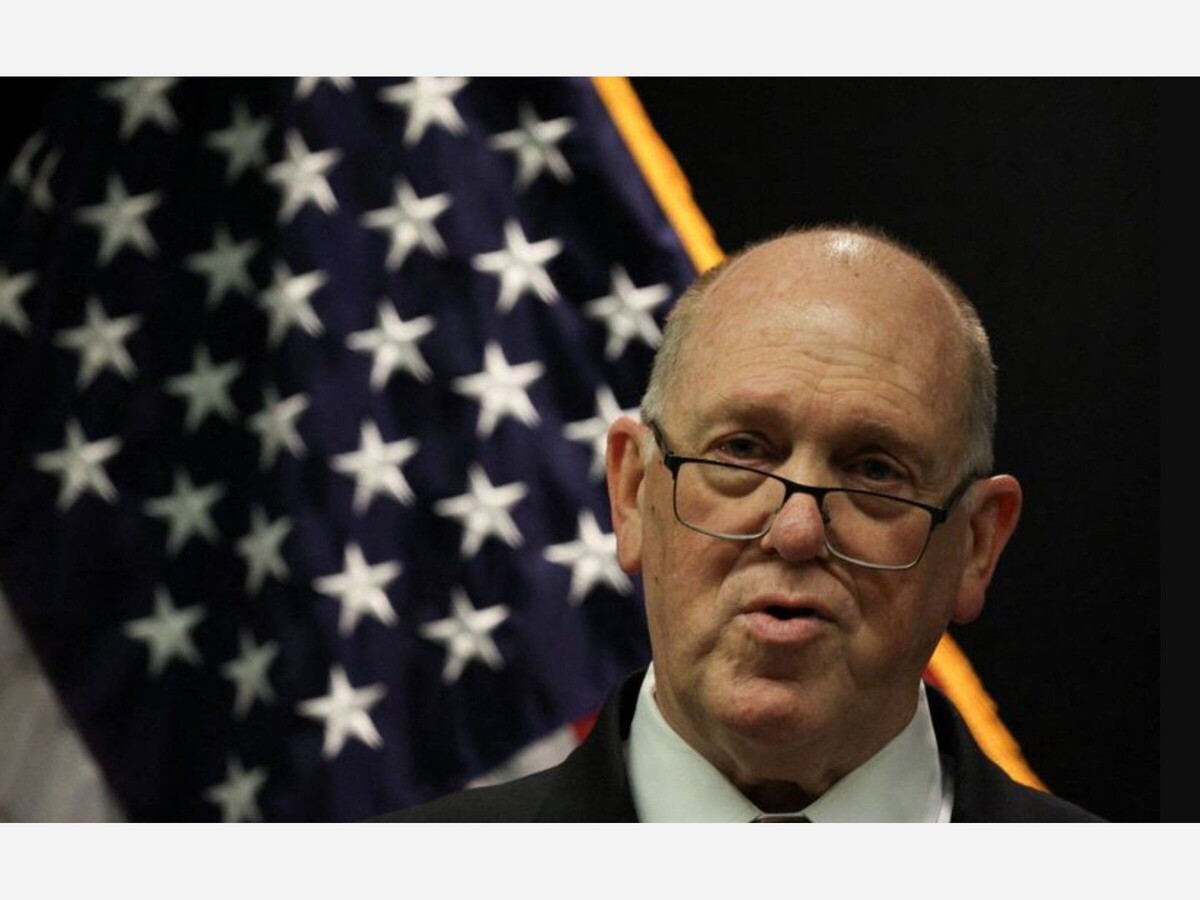



Jacob Frey stood at a podium inside Minneapolis City Hall on Friday afternoon and attempted to quantify something that rarely fits neatly into spreadsheets: fear.
The number, he said, is $203.1 million.
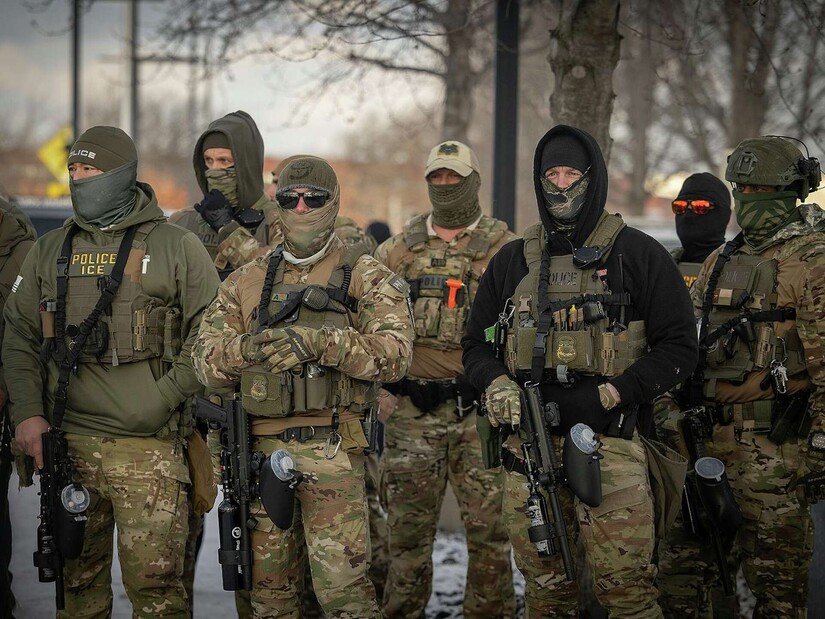
That is the City of Minneapolis’ preliminary estimate of the economic and social toll from what federal officials called “Operation Metro Surge,” a month-long escalation of immigration enforcement overseen by White House border czar Tom Homan. According to the city’s assessment, the figure reflects immediate and projected impacts on wages, small businesses, food access, housing stability, and youth mental health.
“Our focus now must be on moving forward and making sure our neighbors and businesses have our support,” Frey said. “We’re going to rebuild, we will restore trust, and we’re going to move forward as a unified city.”
The preliminary report, compiled by the Minneapolis Department of Emergency Management and released Friday, describes the total as a conservative estimate based on available city data, community surveys, and agency reporting. Officials cautioned that the real impact may ultimately be higher.
The largest losses fall into economic and labor disruptions:
$47 million in lost wages.
City officials estimate thousands of residents stayed home from work during the enforcement surge, citing fear of checkpoints, detentions, or workplace raids. Employers reported staffing shortages across service, construction, and hospitality sectors.
$81 million in small business revenue losses.
Restaurants and retail shops, particularly in immigrant-heavy corridors, experienced sharp declines in foot traffic. Some business owners told city officials revenue fell by as much as 70 percent during the height of the operation.
$4.7 million in hospitality losses.
Hotel cancellations and deferred bookings, including reservations stretching into the summer of 2026, contributed to immediate revenue shortfalls in the tourism sector.
Beyond paychecks and storefronts, the report details mounting humanitarian pressures.
City analysts estimate that 76,200 residents are now experiencing acute food insecurity linked to lost income during the enforcement period. To close that gap, officials project a need of approximately $2.4 million per week in food assistance.
Housing stability also deteriorated. The report identifies roughly 35,000 low-income households requiring rent assistance after sudden income loss, translating to about $15.7 million in immediate housing support requests.
Mental health providers reported heightened trauma among children in neighborhoods directly affected by enforcement actions and related public incidents. The city estimates 8,713 school-aged children now require targeted support services.
City officials described the figures as preliminary and based on a blend of municipal data, U.S. Census and American Community Survey benchmarks, and direct reporting from community partners. The assessment notes limitations, including underreporting from residents reluctant to engage with public systems during enforcement activity.
The mayor’s announcement followed a Thursday press conference at the Bishop Henry Whipple Federal Building, where Homan confirmed a “significant drawdown” of federal personnel in Minneapolis. Homan said the operation resulted in more than 4,000 arrests and characterized it as a success in removing public safety threats, adding that the surge had reached what he called a natural conclusion.
City leaders, however, have framed the operation differently, arguing that while federal authorities targeted criminal offenders, the broader presence of agents created a “chilling effect” that reverberated across entire neighborhoods.
The financial strain extended beyond private households and businesses.
Frey said the Minneapolis Police Department alone incurred roughly $3 million in unbudgeted overtime expenses in just five days in January, as officers responded to protests, coordinated public safety efforts, and managed traffic and crowd control tied to federal activity.
The mayor said he will formally request financial assistance from the Minnesota Legislature and the federal government to stabilize the city’s budget and fund recovery efforts.
Minneapolis has, in recent years, become a national focal point in debates over policing, public safety, and immigration policy. The immigration surge placed the city once again at the intersection of federal authority and local governance.
Frey’s message Friday was both fiscal and moral. The $203.1 million figure, he suggested, represents more than accounting entries.
It measures shuttered dining rooms.
Empty shifts on job sites.
Parents skipping work.
Children struggling in classrooms.
Whether federal or state governments will reimburse the city remains uncertain. What is clear is that Minneapolis now faces a dual challenge: repairing a balance sheet and restoring confidence in communities that felt under siege.
“The numbers matter,” Frey said. “But so do the people behind them.”
For a city that has endured national scrutiny before, the next chapter will depend not only on aid packages and policy debates, but on whether trust can be rebuilt in neighborhoods where economic stability and personal security proved fragile at the same time.



Sunny, with a high of 71 and low of 34 degrees. Sunny for the morning, clear in the afternoon and evening,