74° and Clear
Image




ANOKA, Minn.
In a major investment aimed at reshaping Minnesota’s mental health treatment system, officials have begun the process of replacing a deteriorating mid-century psychiatric facility at the Anoka‑Metro Regional Treatment Center with a modern, high-security inpatient hospital designed to meet the demands of a rapidly growing behavioral health crisis.
The $119 million project will replace the aging Miller Building, a dormitory-style structure built in the 1950s, with a new therapeutic facility intended to improve patient safety, expand treatment capacity, and reduce the backlog of individuals awaiting psychiatric care across Minnesota.
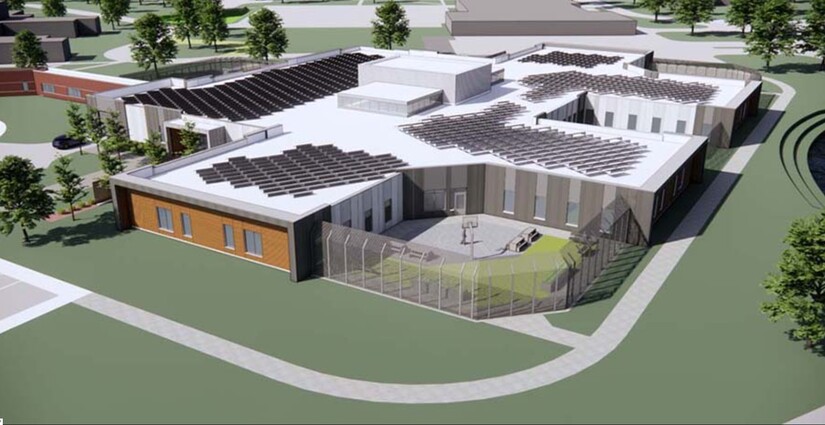
The new 65,500-square-foot hospital will ultimately expand the campus’ operational capacity to 146 inpatient psychiatric beds, making it one of the most significant public mental health infrastructure projects currently underway in the state.
Officials say the investment reflects an urgent need to modernize Minnesota’s state-run psychiatric system, which for years has struggled with overcrowding, long waitlists, and patients remaining in county jails or emergency departments while waiting for treatment.
The expansion is supported by $75 million in state funding approved during the 2025 legislative session, a bipartisan effort aimed at addressing Minnesota’s so-called “priority admissions” crisis.
The funding package includes:
These appropriations were directed toward improving treatment capacity at the Anoka campus, the state’s primary secure psychiatric facility operated by the Minnesota Department of Human Services.
For years, the facility has served as a critical safety-net hospital for individuals who require secure psychiatric treatment after being deemed incompetent to stand trial or needing intensive inpatient care following court commitments.
State officials have warned that Minnesota’s psychiatric bed shortage has forced hundreds of patients to remain in county jails or hospital emergency rooms while awaiting placement in state facilities.
By expanding inpatient capacity and replacing obsolete infrastructure, the Anoka project is expected to relieve pressure on local systems.
Officials estimate the new hospital could support 150 to 200 additional patient admissions each year.
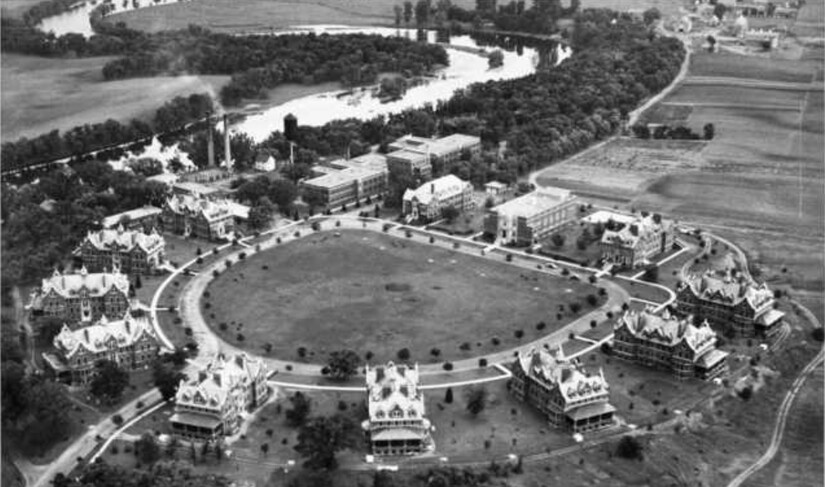
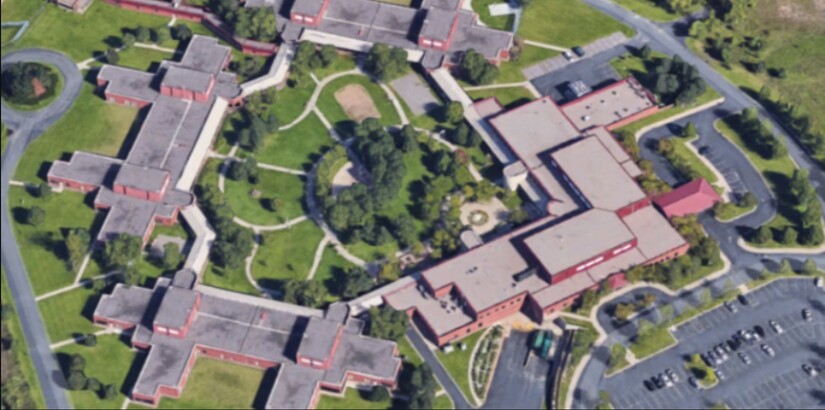
The project centers on the demolition of the Miller Building, a facility constructed during the post-World War II era when psychiatric treatment models relied heavily on institutional housing and large dormitory wards.
Mental health professionals have long argued that such layouts are incompatible with modern therapeutic approaches that emphasize:
The new hospital will instead incorporate a pod-based clinical design, a model increasingly used in modern psychiatric hospitals to allow better monitoring and safer patient movement throughout the facility.
The building is being designed by the Minneapolis-based architecture firm BWBR, which has developed behavioral health facilities across the United States.
Unlike older psychiatric hospitals built primarily for containment, the new facility is being designed around therapeutic architecture principles, an approach that integrates environmental design with mental health treatment.
Key features include:
Approximately 85 percent of interior spaces will have access to natural daylight, a design element supported by growing clinical research linking sunlight exposure to improved mood regulation and reduced patient stress.
The structure will incorporate large windows, interior courtyards, and secure outdoor spaces intended to create a calmer treatment environment.
Modern psychiatric hospital design prioritizes clear staff sightlines to reduce incidents and allow earlier intervention when patients are in distress.
The new facility will include:
These design changes are intended to improve safety while also supporting therapeutic interaction between patients and staff.
Plans call for a variety of treatment-focused environments, including:
Such spaces are considered critical in modern psychiatric treatment programs, where stabilization often depends on structured daily routines and supportive environments.
The expansion is also expected to generate a substantial workforce demand.
State officials estimate the new facility will require approximately 350 additional employees, including:
Recruiting for those roles will likely occur in phases leading up to the hospital’s expected opening in 2028.
The expansion could also have a notable economic impact in the north metro region surrounding Anoka, particularly during the construction phase.
Planning for the project has been underway for several years, with local and state approvals gradually moving the project toward construction.
The Anoka Planning Commission reviewed zoning and site design approvals in early 2026, allowing the next phases of development to proceed.
Current project milestones include:
May 2026
Hazardous material abatement begins, including the removal of asbestos and lead from the Miller Building.
June 2026
Demolition of the existing Miller Building.
August 2026
Construction begins on the new psychiatric facility.
December 2027
Construction scheduled for completion.
Spring–Summer 2028
Facility opening and patient intake.
The Anoka expansion forms part of Minnesota’s broader effort to stabilize a mental health system strained by rising demand and limited treatment capacity.
In recent years, courts and county officials have repeatedly warned that the shortage of psychiatric beds has created a bottleneck known as the “priority admissions” system, in which patients who require secure psychiatric treatment must wait for space to become available at state facilities.
This delay can leave individuals in inappropriate settings such as:
Mental health advocates argue that prolonged waits can worsen psychiatric symptoms and increase risks for both patients and communities.
The new hospital is intended to help relieve that pressure by expanding capacity while providing a safer and more therapeutic environment for treatment.
The Anoka‑Metro Regional Treatment Center traces its roots back more than a century to Minnesota’s early state hospital system.
Over time, the campus has evolved from a sprawling institutional asylum into a modern psychiatric treatment center focused on stabilization and recovery.
Officials say replacing the Miller Building represents more than just a construction project. It marks a philosophical shift in how Minnesota approaches psychiatric care.
Where older facilities prioritized containment and isolation, the new hospital is being designed around evidence-based treatment environments that emphasize dignity, safety, and recovery.
If completed on schedule, the new facility will begin admitting patients in 2028, becoming a central pillar of Minnesota’s public mental health infrastructure for decades to come.



Sunny, with a high of 86 and low of 59 degrees. Sunny in the morning, clear during the afternoon and evening,