66° and Partly cloudy
Image
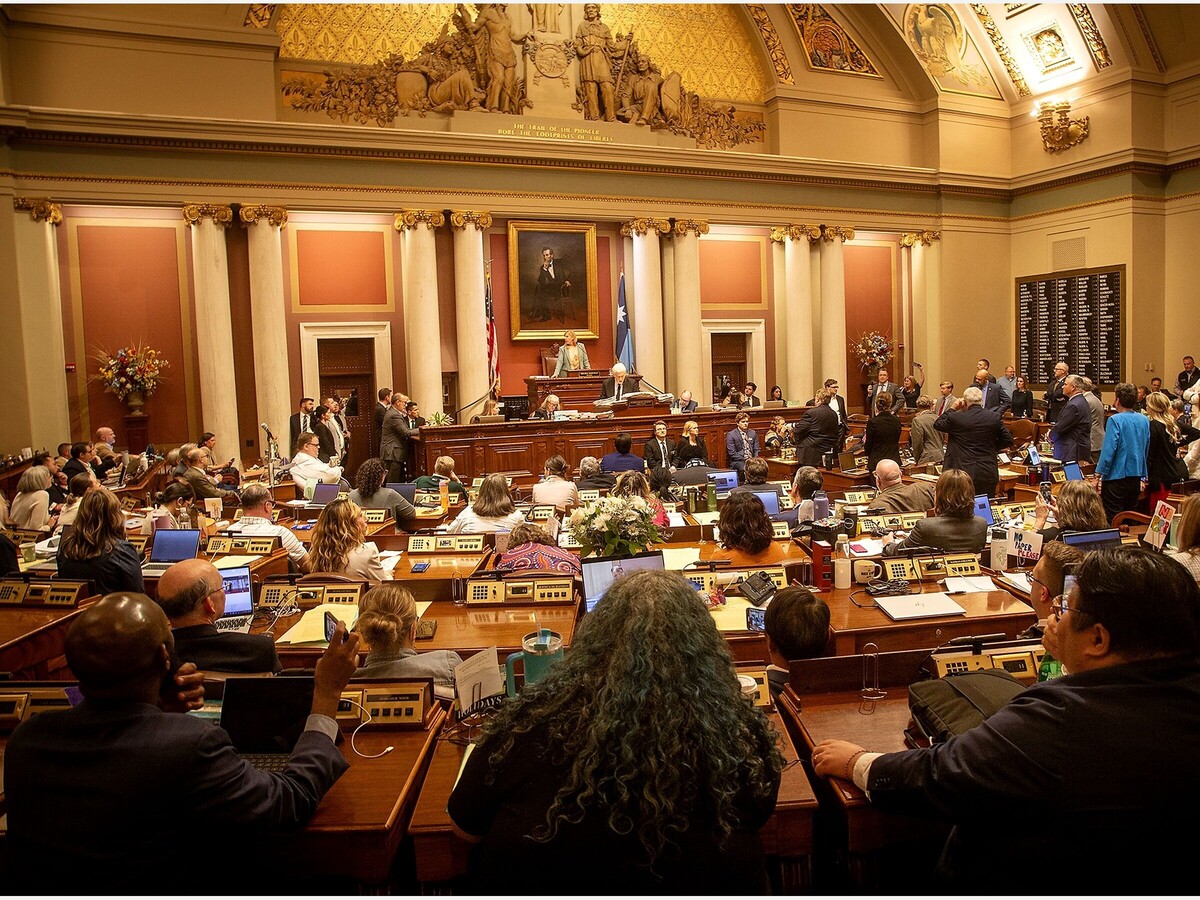



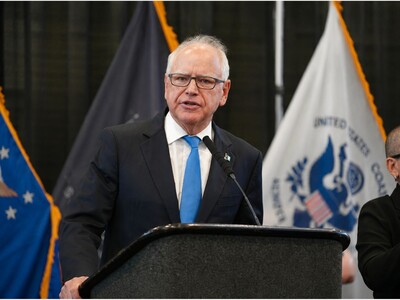
Gov. Tim Walz signed the legislation Wednesday after it passed unanimously through both chambers of the Minnesota Legislature, including a 133-0 vote in the Minnesota House.
The law emerged after public attention intensified around the case of Hannah LoPresto, who told WCCO-TV that she had been groomed and sexually abused by a former high school band director. Although LoPresto publicly detailed years of alleged manipulation and abuse, criminal charges were ultimately not filed in the case, a reality supporters of the legislation argued exposed gaps in existing Minnesota law.
Under previous statutes, prosecutors often faced challenges pursuing criminal cases involving predatory conduct unless investigators could establish provable acts of criminal sexual behavior meeting existing legal thresholds.
The newly signed law creates a standalone felony offense specifically targeting grooming behavior directed toward minors for sexual purposes. Supporters of the bill said the legislation is intended to address patterns of manipulation and emotional conditioning that frequently precede abuse but historically existed in a difficult area for prosecution.
Child protection experts and investigators generally define grooming as a gradual process in which an adult builds trust, creates emotional dependency, isolates a minor, or normalizes increasingly inappropriate behavior in preparation for exploitation or abuse.
The legislation was chief-sponsored by Peggy Bennett, a Republican from Albert Lea, and Erin Maye Quade, a DFL senator from Apple Valley.
During committee hearings and floor debate, lawmakers from both parties described the bill as an effort to strengthen Minnesota’s ability to intervene earlier in situations involving predatory behavior toward children.
“This is a good bill,” DFL Rep. Sydney Jordan said during House debate prior to final passage.
Rep. Bennett described the legislation as a direct warning to predators targeting children.
“To those sexual predators who are going after our children, I want this bill to put you on notice,” Bennett said. “We’re coming after you.”
In addition to creating the felony offense, the law expands several areas of state oversight involving schools and student safety.
The legislation mandates automatic denial or permanent revocation of teaching licenses for educators or school personnel convicted under the statute. It also expands investigative authority for the Minnesota Department of Education by allowing student maltreatment investigations involving grooming allegations to proceed beyond the previous three-year look-back limitation.
Supporters argued that delayed reporting is common in grooming and abuse cases, particularly when victims are minors processing trauma, fear, or manipulation involving authority figures.
The law additionally establishes new restrictions involving overnight field trips and school-sanctioned travel, prohibiting certain situations in which school employees, volunteers, or contractors are left completely alone with students.
According to the governor’s office, the legislation also appropriates funding connected to investigative staffing costs within Minnesota’s student maltreatment program and directs state agencies to develop grooming-recognition training for educators, administrators, and other mandated reporters.
Advocates say those training requirements could play a critical role in helping school personnel identify warning signs earlier.
Across the country, child protection researchers and law enforcement officials have increasingly emphasized that grooming behaviors are often observable long before abuse escalates physically, but may be misunderstood or dismissed as mentorship, favoritism, or boundary issues rather than predatory conduct.
Investigators involved in reviewing LoPresto’s allegations publicly supported the legislation during committee testimony, including Eagan detective Chad Clausen, who spoke about behavioral grooming patterns commonly encountered during abuse investigations.
Following the signing ceremony, LoPresto told WCCO that working on the legislation became a way to channel the emotional aftermath of her own experience into broader reform.
“I think it also really helped me to have somewhere to put all of my energy and difficult feelings,” LoPresto said. “The fact that there were no charges, it gave me a very positive outlet, a place to put that energy and pour it into something good and meaningful.”
The anti-grooming legislation was one of 14 bills signed by Gov. Walz on Wednesday.
Other measures included updated appropriations for Minnesota’s Office of Inspector General, technology modernization funding within the state’s human services system, and legislation beginning the replacement of the Minnesota Department of Natural Resources aging electronic licensing platform.
Supporters of the anti-grooming legislation said the law represents an important shift in how Minnesota approaches child exploitation prevention by focusing not only on abuse after it occurs, but also on the behavioral patterns that often precede it.
MinneapoliMedia | Community. Culture. Civic Life.



Sunny, with a high of 87 and low of 64 degrees. Sunny in the morning, patchy rain nearby overnight.