40° and Clear
Image




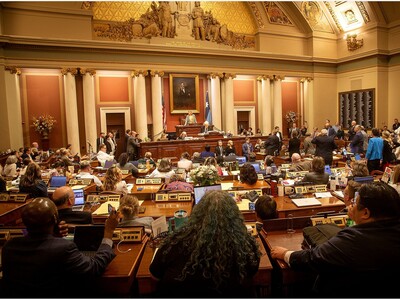
More than 75 cancer survivors, patients, caregivers, and healthcare advocates traveled from across the state to the Capitol for Cancer Action Day, an annual civic engagement event organized by the American Cancer Society Cancer Action Network.
Their purpose was both deeply personal and unmistakably political. They came to meet directly with state lawmakers, share their stories, and urge passage of legislation designed to remove financial barriers to early cancer detection.
The message delivered in offices and committee rooms throughout the Capitol was simple but urgent.
Screenings save lives.
But only if people can afford them.
Visual Explainer
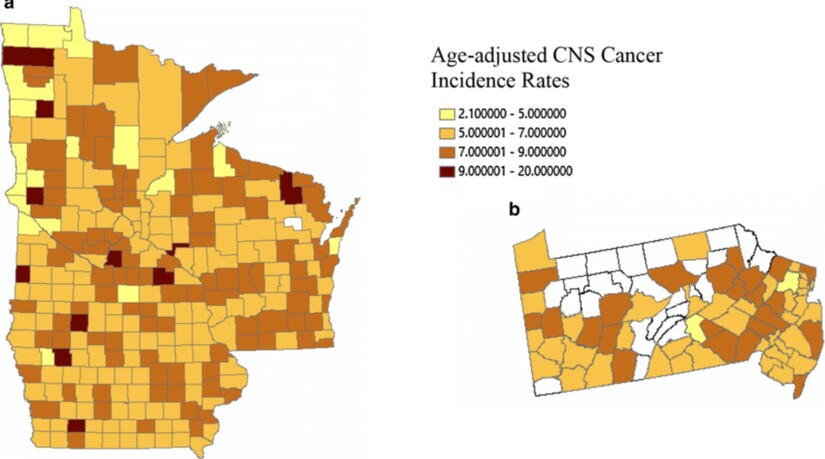
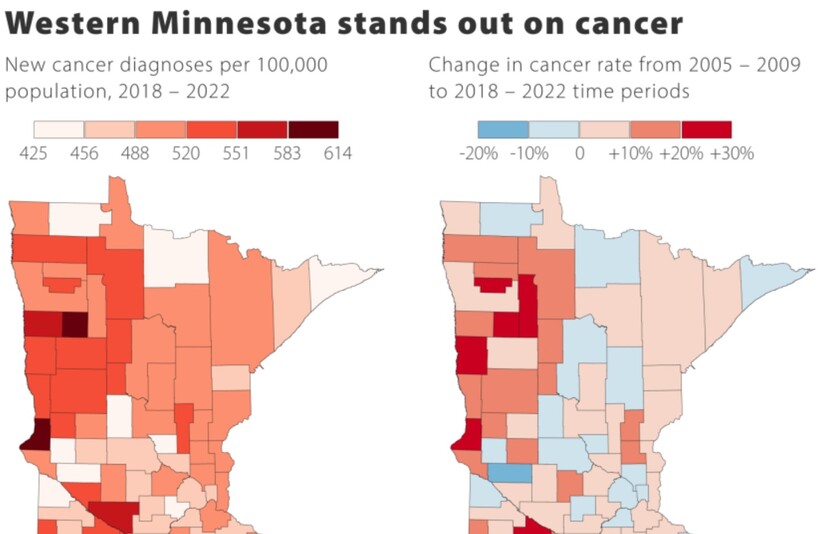
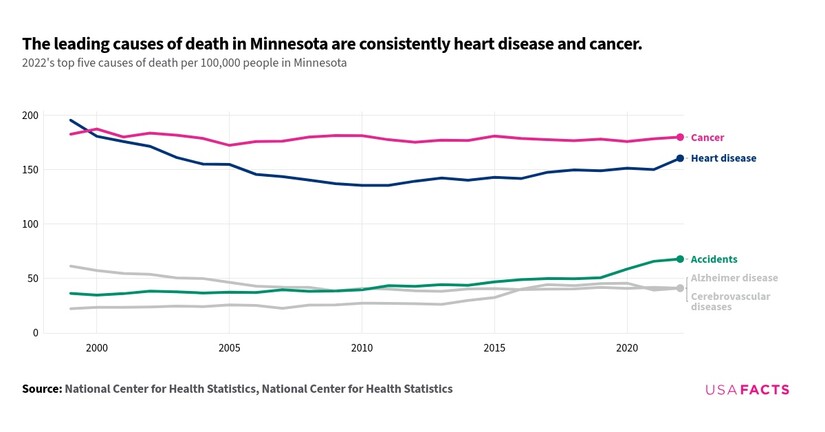
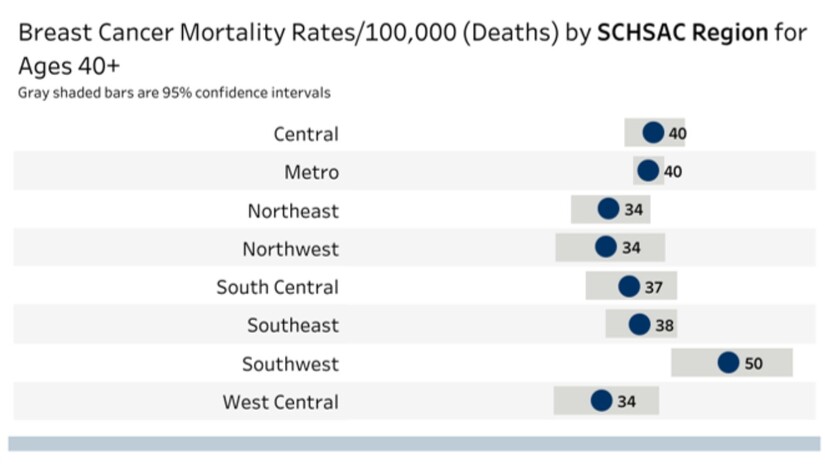
According to data compiled by the American Cancer Society and the Minnesota Department of Health:
Key Cancer Indicators in Minnesota
New Diagnoses
Approximately 40,000 Minnesotans are expected to be diagnosed with cancer in 2026.
Mortality
Cancer remains the leading cause of death in Minnesota, accounting for roughly one in four deaths statewide.
Survival Rate
The five year relative survival rate across all cancers is about 70 percent, reflecting improvements in treatment and earlier detection.
Preventable Risk
Tobacco use accounts for roughly 30 percent of cancer deaths, making it the single largest preventable cause.
Public health experts emphasize that these numbers are heavily influenced by screening access and early detection programs.
At the center of this year's advocacy effort is a package of proposals aimed at expanding access to cancer screenings and diagnostic testing without out of pocket costs.
While federal law and many state policies already require insurers to cover certain preventive screenings, advocates say the system still leaves many patients facing unexpected costs once an abnormal result appears and further testing becomes necessary.
Among the bills drawing attention during Cancer Action Day is HF 703, which would require health plans to cover cancer imaging and clinical genetic testing without cost sharing for individuals identified as having elevated cancer risk.
Advocates argue that diagnostic tools such as advanced imaging and genetic analysis are often the critical next step after an initial screening. Yet these tests can carry substantial deductibles or co payments that discourage patients from proceeding.
Another major policy focus involves colorectal cancer screening follow ups.
Non invasive stool based tests are increasingly used as the first screening tool. But if those tests return a positive result, the recommended next step is a colonoscopy. Advocates say that in many insurance plans the colonoscopy is treated as a diagnostic procedure rather than preventive care, meaning patients may face unexpected bills.
Cancer Action Day participants are urging lawmakers to close that gap by requiring that follow up colonoscopies be covered at no cost when they are performed after a positive screening test.
A third policy priority involves biomarker testing, an emerging field in oncology that analyzes the genetic characteristics of a tumor.
Biomarker testing allows physicians to tailor treatments to the molecular structure of a patient's cancer. In some cases it can determine whether a targeted therapy will be effective or whether certain treatments should be avoided.
Advocates say expanding insurance coverage for biomarker testing can improve survival rates while also reducing unnecessary treatments.
Visual Explainer
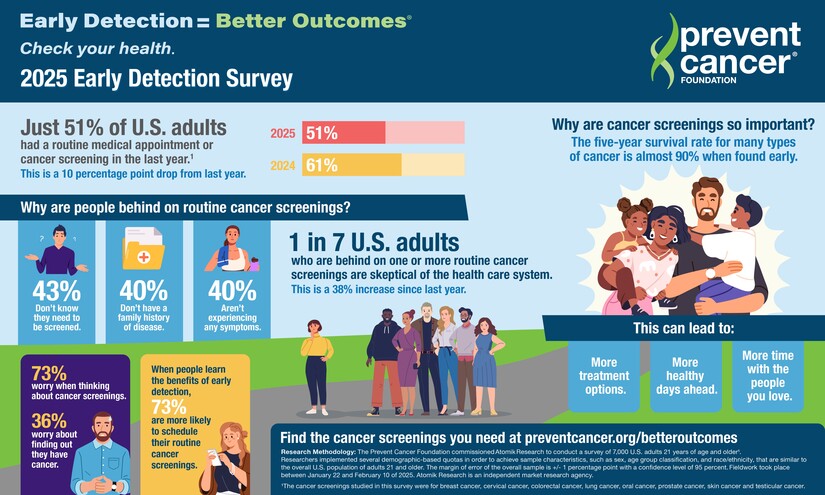
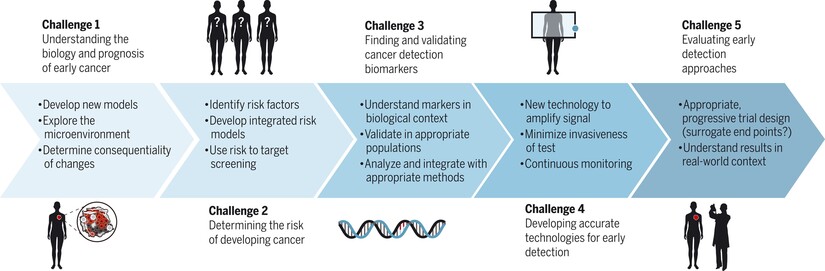
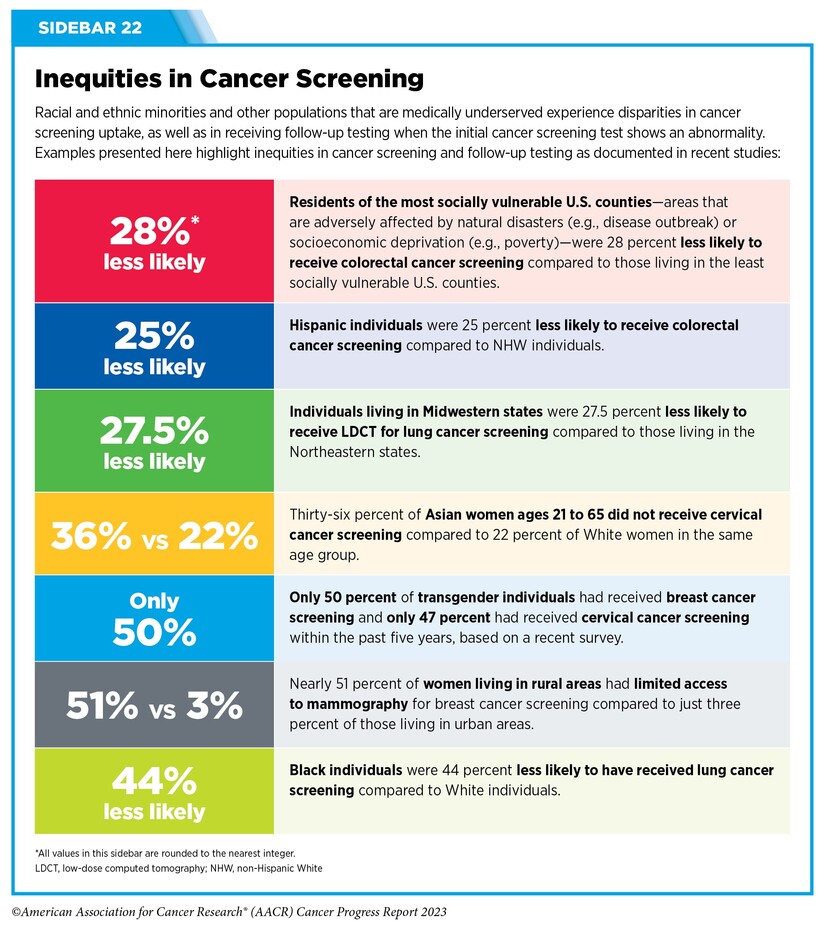
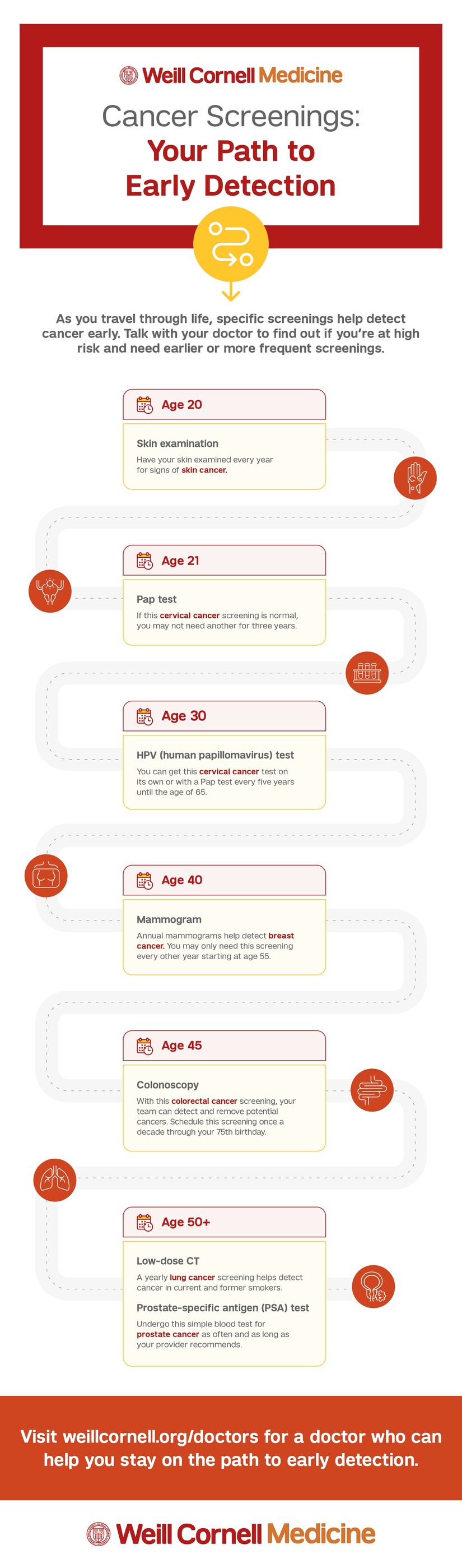
Cancer screening works because many cancers develop gradually.
When discovered early, treatment is far more effective.
Examples of early detection tools include:
Colonoscopy
Detects and removes precancerous polyps before they develop into colorectal cancer.
Mammography
Identifies breast tumors years before symptoms appear.
Low dose CT scans
Detect early lung cancers in high risk individuals.
Pap tests and HPV testing
Detect precancerous changes that could lead to cervical cancer.
Public health studies consistently show that early detection dramatically increases survival rates and reduces treatment complexity.
Throughout the day, participants moved from office to office meeting with state senators and representatives.
For many of the advocates, the conversations were deeply personal.
Some described how early screening allowed their cancer to be caught in time.
Others spoke about family members who were diagnosed only after symptoms appeared, when treatment options had already narrowed.
Cancer Action Day is designed to place those experiences directly in front of policymakers.
Advocates believe that personal testimony can make abstract healthcare policy debates far more tangible.
While much of the advocacy centered on screening access, Cancer Action Day participants also pushed lawmakers to address tobacco related cancer risk.
Tobacco remains the single largest preventable cause of cancer, responsible for roughly 30 percent of cancer deaths in Minnesota and nationwide.
Advocates are urging lawmakers to take two additional steps.
First, they support legislation to end the sale of flavored tobacco products, including menthol cigarettes and flavored electronic cigarettes.
Public health researchers say flavored products play a major role in youth initiation of nicotine use.
Second, advocates are calling for sustained funding for Minnesota's Sage Screening Program, which provides free breast and cervical cancer screenings to low income, uninsured, and underinsured Minnesotans.
Since its creation, the program has helped tens of thousands of residents receive early detection services they otherwise might not have been able to afford.
Advocates say maintaining and expanding such programs will be essential if the state hopes to reduce cancer disparities.
Minnesota consistently ranks among the healthier states in the nation according to national public health metrics.
Yet Cancer Action Day advocates argue that the statistics still reveal significant gaps.
Even in a state with strong healthcare infrastructure, cost barriers can prevent people from completing the full chain of early detection.
An initial screening may be covered.
But the imaging, genetic testing, or diagnostic procedures that follow can still leave patients facing hundreds or even thousands of dollars in bills.
Emily Myatt, Minnesota Government Relations Director for ACS CAN, said that reality can discourage people from seeking care.
"Prevention is the best way to keep people from hearing those words," Myatt said during the Capitol event.
Too often, she noted, patients delay or avoid follow up testing because of the financial uncertainty attached to it.
For lawmakers, the proposals being discussed during Cancer Action Day represent a familiar challenge in modern healthcare policy.
Expanding coverage for preventive services often requires balancing insurance regulations, healthcare costs, and long term public health benefits.
Advocates argue that the long term math is clear.
Detecting cancer earlier generally leads to less invasive treatments, lower healthcare costs, and better survival rates.
Failing to detect it early can mean far more complex medical care and far higher costs later.
As the legislative session continues, supporters of the proposals hope the voices that filled the Capitol halls will translate into concrete policy changes.
For the Minnesotans who made the trip to St. Paul this week, the goal is simple.
A future in which more families hear the words that follow a successful screening.
We caught it early.



Sunny, with a high of 73 and low of 37 degrees. Sunny in the morning, partly cloudy for the afternoon and evening, clear overnight.