31° and Moderate snow
Image



The lights of Milan glitter. The Dolomites frame Cortina d'Ampezzo in postcard perfection. But for Minnesotans watching from Afton to Duluth, the story of these Winter Games is not merely continental. It is local. It is personal.
On Day 8 of the 2026 Winter Olympics, Minnesota’s imprint stretched across ice, snow, and ski track. Through pain. Through pressure. Through podium moments and Olympic heartbreak.
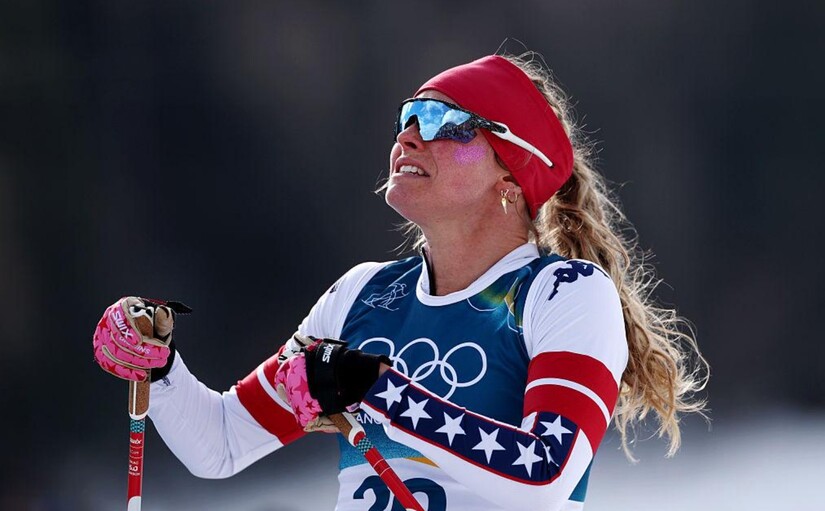
Afton native Jessie Diggins continues to embody the stubborn endurance of American cross-country skiing. Battling a rib injury that would sideline most athletes, Diggins competed in the women’s 4x7.5km relay, pushing through visible discomfort in a discipline long dominated by Scandinavia.
Norway remains the benchmark in endurance sport. Yet Diggins’ presence alone signals how far American cross-country skiing has traveled in the last decade. Each stride is less about theatrics and more about defiance.
As of February 14, the global standings reflect both traditional dominance and emerging parity.
|
Rank |
Country |
Gold |
Silver |
Bronze |
Total |
|
1 |
🇳🇴 Norway |
8 |
3 |
7 |
18 |
|
2 |
🇮🇹 Italy |
6 |
3 |
9 |
18 |
|
3 |
🇺🇸 United States |
4 |
8 |
4 |
16 |
|
4 |
🇫🇷 France |
4 |
5 |
1 |
10 |
|
5 |
🇩🇪 Germany |
4 |
4 |
3 |
11 |
Norway’s cross-country and biathlon machine continues to hum. Italy feeds off home ice and alpine familiarity. The United States, third overall, is fueled by depth across freestyle skiing, speed skating, hockey, and curling.
If Minnesota is the “State of Hockey,” Milan–Cortina has become its temporary capital.
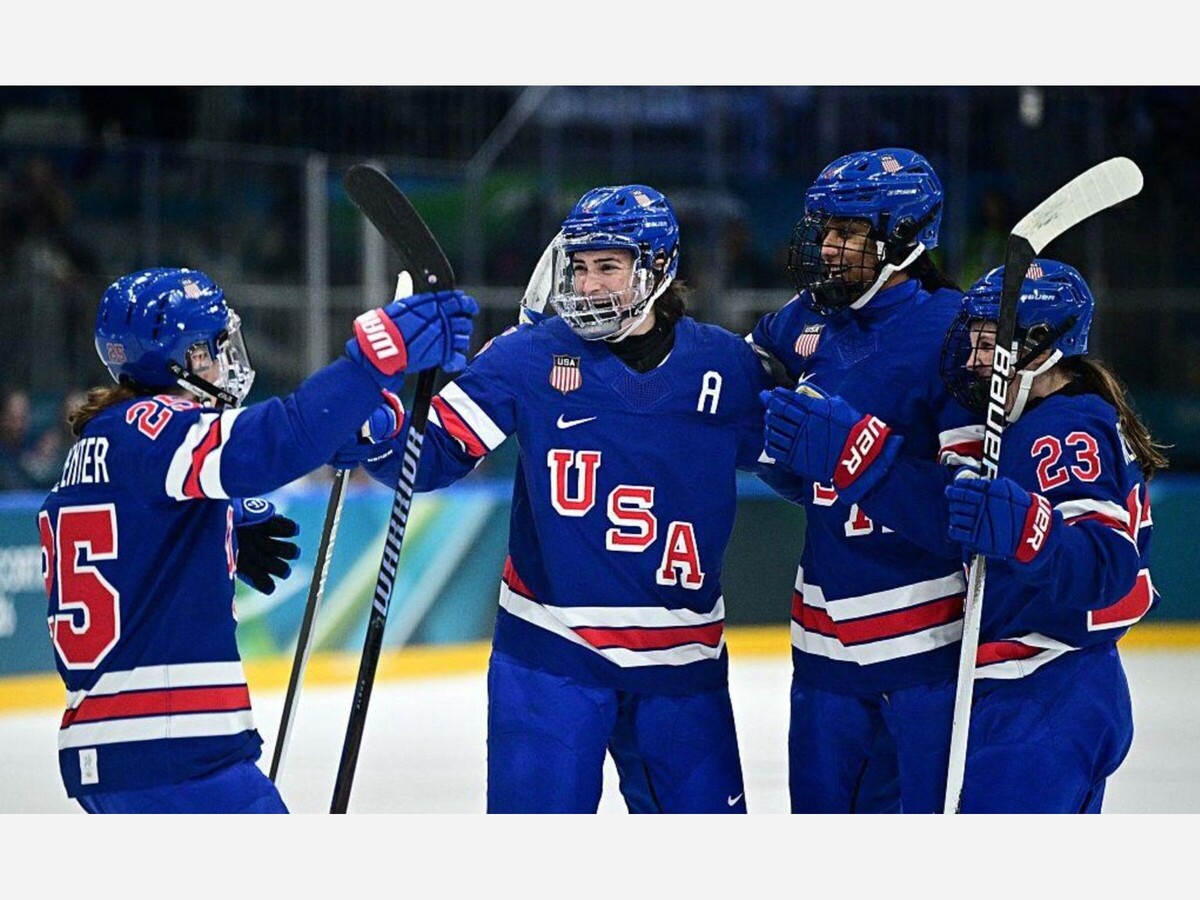
The U.S. women’s hockey team, stocked with Minnesota pedigree including Abbey Murphy and other Gopher alumni, dismantled Italy 6–0 in the quarterfinals, outshooting the hosts 51–6. The Americans advance to the semifinals on February 16, with medal games set for February 19.
On the men’s side, seven players with Minnesota ties contributed to a decisive 5–1 opening victory over Latvia. Group play continues with matchups against Denmark and Germany, games that will determine whether the U.S. earns a direct quarterfinal berth.
Across the Atlantic, Minnesota fans are watching with particular intensity. Hockey is not just sport here. It is civic identity.
The sound inside the curling arena carried a Midwestern accent.
Duluth’s Cory Thiesse, alongside Korey Dropkin, captured silver in mixed doubles curling, marking the first Olympic medal for the United States in that event. It was a landmark achievement in a discipline long defined by Canada and Scandinavia.
Meanwhile, the U.S. women’s curling team, featuring Minneapolis-based dentist Tara Peterson, added to the momentum with a milestone victory over Canada in round-robin play.
The granite stones slid quietly. The implications echoed loudly.
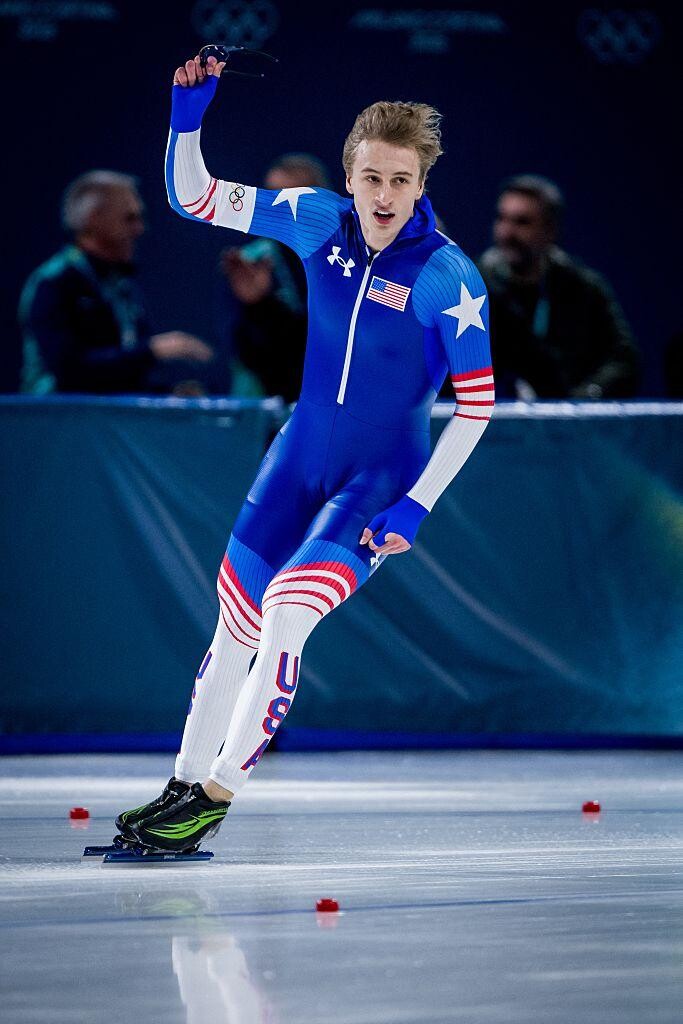
American speed skating continues to surge. Jordan Stolz set a new Olympic record in the men’s 1,000 meters, capturing gold and reaffirming the United States as a long-track power. He returns to the ice for the 500 meters, chasing additional hardware.
In freestyle skiing’s Olympic debut of dual moguls, Jaelin Kauf and Elizabeth Lemley added silver and bronze to the U.S. tally, reinforcing America’s freestyle dominance.
But the most seismic moment came in figure skating.
Gold favorite Ilia Malinin, known for his quad jumps, fell twice in his free skate and finished eighth. Kazakhstan’s Mikhail Shaidorov seized the opportunity, earning a historic gold for his nation.
The Olympics remain merciless. Greatness is assumed. Execution is everything.
Alpine icon Mikaela Shiffrin returns to competition in the Giant Slalom on February 15, followed by the Slalom on February 18. After a fourth-place finish in the new Women’s Team Combined event, these races represent her clearest path to the podium.
Minnesota fans, long accustomed to alpine mornings before sunrise, will be watching.
Behind the spectacle lies a complex operation.
The final operating budget has climbed to €1.7 billion, roughly $1.9 billion, a 15 percent increase driven by inflation and material costs. The controversial Cortina sliding center was completed just in time for skeleton and bobsled competition, though surrounding infrastructure remains unfinished.
A cable car intended to shuttle spectators to women’s alpine events was not ready for opening week, limiting attendance. Still, approximately 1.8 million tickets, roughly 70 percent of inventory, were sold before the Games began.
The Olympics remain a triumph of ambition. They are also a test of logistics.
For viewers in Afton, Duluth, and the Twin Cities:
The Games run through February 22, followed by the Paralympics beginning March 6.
From the frozen lakes of Minnesota to the snow-packed courses of northern Italy, the connection is unmistakable. These Olympics may belong to Milan and Cortina.
But on Day 8, their heartbeat carried a Midwestern rhythm.


Moderate or heavy snow showers, with a high of 35 and low of 30 degrees. Light freezing rain for the morning, overcast in the afternoon, moderate snow overnight.