40° and Clear
Image
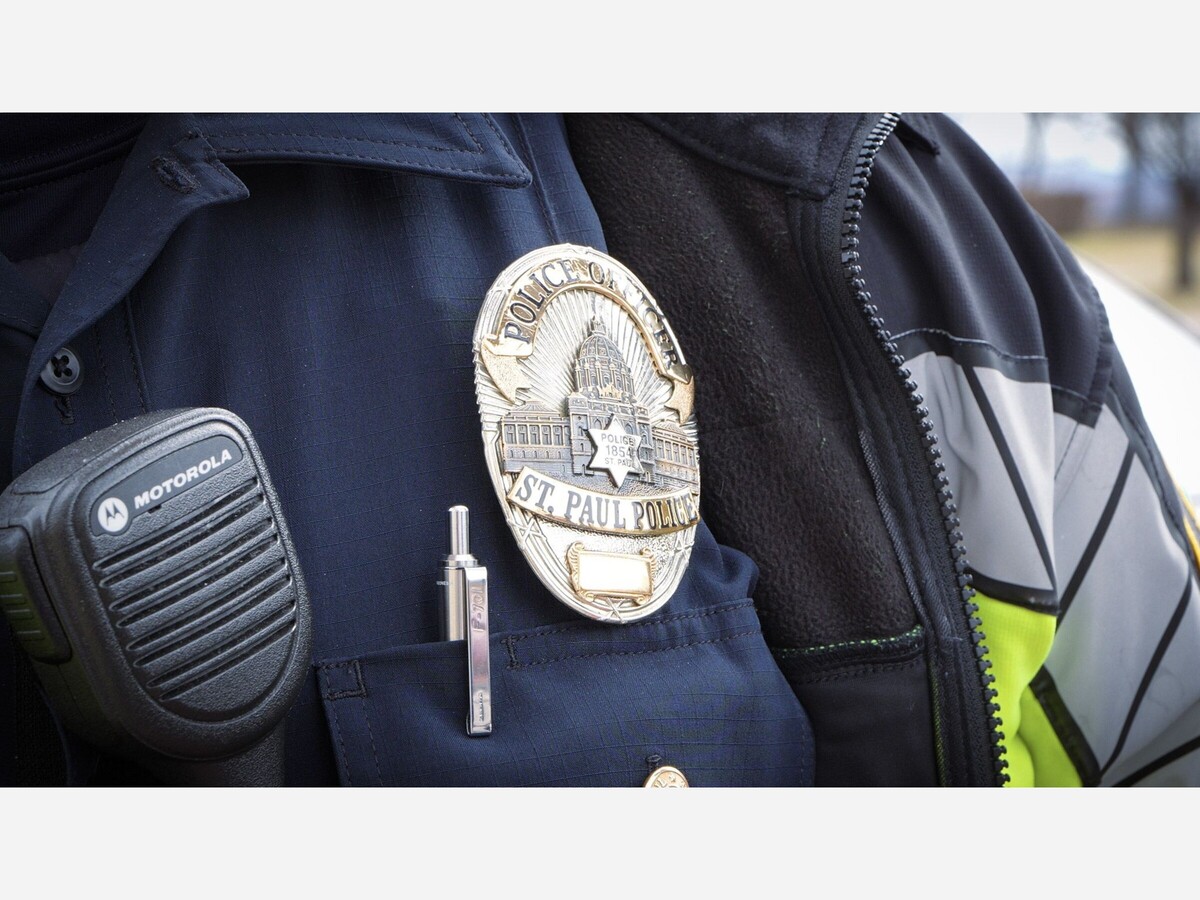



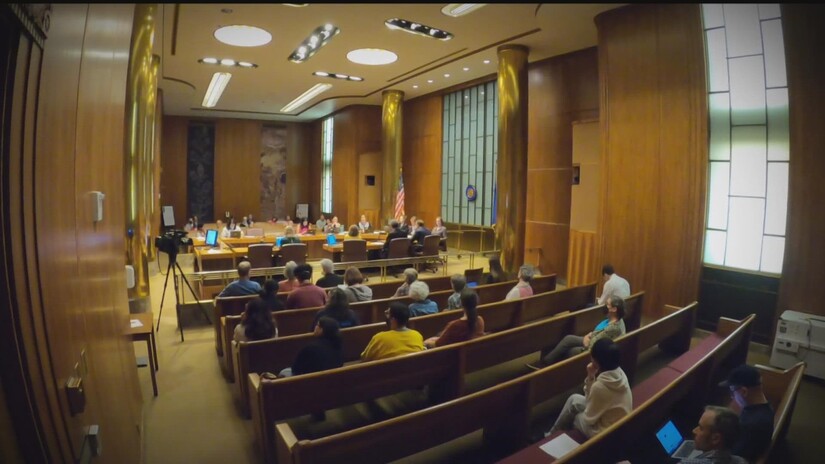
In a unanimous vote, the St. Paul City Council has approved a sweeping public safety ordinance requiring law enforcement officers operating within city limits to clearly and visibly display identification on the outermost layer of their uniform.
The measure, Ordinance 26-6, adds Chapter 268A to the Saint Paul Legislative Code and mandates that officers engaged in official duties display identification that is “reasonably visible” to members of the public with whom they interact. According to the ordinance text published through the city’s legislative portal, identification must include the name of the law enforcement agency and either the officer’s legal name or badge number, or both.
The ordinance applies broadly to federal, state, county, city, and other governmental law enforcement agencies operating in Saint Paul. It takes effect 30 days after passage, mayoral approval, and publication.
Mayor Kaohly Her signed the ordinance on February 12, 2026.
City officials describe the measure as a “common-sense” safeguard aimed at strengthening transparency, restoring public trust, and preventing dangerous impersonation.
Council leaders explicitly tied the legislation to the June 14, 2025 targeted shootings of Minnesota lawmakers, an attack that shook the state’s political establishment.
Federal prosecutors have charged 57-year-old Vance Boelter in connection with the shootings. According to public court records and statements from law enforcement, Boelter allegedly used a black Ford Explorer outfitted with police-style flashing lights and wore what authorities described as a law enforcement disguise that included a uniform and facial covering.
Investigators said the suspect allegedly approached homes under the pretense of conducting official police activity.
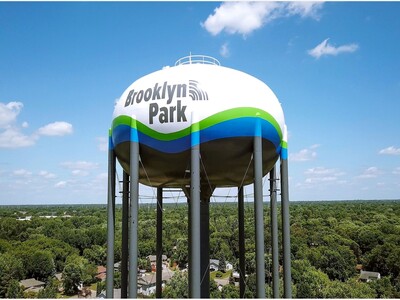
Former Minnesota House Speaker Melissa Hortman and her husband, Mark Hortman, were fatally shot at their Brooklyn Park residence. State Senator John Hoffman and his wife, Yvette Hoffman, were shot and critically wounded at their Champlin home.
City officials have cited the alleged impersonation tactic as a defining reason for the ordinance.
“When someone can convincingly present themselves as law enforcement, the consequences can be catastrophic,” council members said during deliberations. “Clear identification is not cosmetic. It is foundational to public safety.”
Under the new law:
The ordinance allows limited exceptions, including active undercover investigations and specific, articulable circumstances in which displaying identification would pose a significant danger to the officer’s physical safety.
The ordinance also arrives amid heightened tensions surrounding federal immigration enforcement operations in Minnesota.
Throughout late 2025 and early 2026, residents and city leaders raised concerns about federal agents, including those from U.S. Immigration and Customs Enforcement and U.S. Customs and Border Protection, operating in tactical gear labeled “POLICE” without visible names, badge numbers, or clear agency markings.
City officials said the lack of identifiable information made it difficult for residents to:
Saint Paul has also adopted related measures addressing the use of city property for immigration enforcement staging, reinforcing what leaders describe as a broader commitment to transparency and local oversight.
Legal experts note that municipal authority over federal officers may face constitutional scrutiny under federal supremacy principles. City leaders, however, maintain that the ordinance does not obstruct federal enforcement, but instead sets uniform identification standards for officers operating within the city.
At its core, Ordinance 26-6 centers on a simple premise: state power must be visible.
When an officer approaches a home, conducts a stop, or participates in a public deployment, the person exercising that authority must be identifiable.
For Saint Paul leaders, the events of June 14, 2025 demonstrated how easily legitimacy can be weaponized when identification is unclear. The ordinance represents the city’s attempt to close that gap.
In a political climate defined by mistrust and heightened enforcement, Saint Paul has placed its stake in a principle that council members say transcends ideology: If you carry the authority of the state, the public has a right to know who you are.



Sunny, with a high of 73 and low of 37 degrees. Sunny for the morning, partly cloudy in the afternoon and evening, clear overnight.