65° and Patchy rain nearby
Image
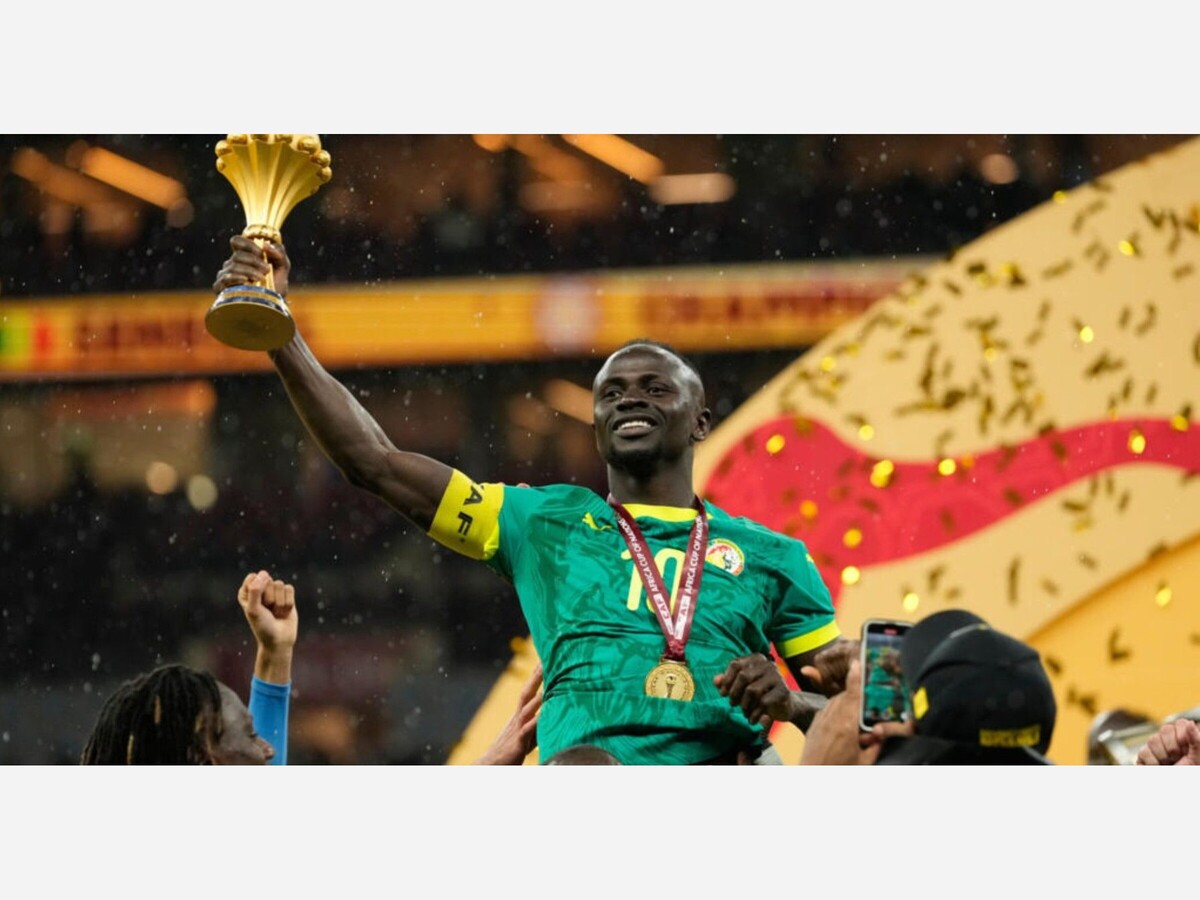



When the final whistle sounded in Rabat on January 18, 2026, Senegal did not celebrate wildly at first. There was no immediate sprint to the corner flags, no collapse into disbelief. What came instead was recognition. A quiet understanding, shared among players who had already been here before, that they had done something rarer than winning a tournament.
They had confirmed who they were.
By defeating Morocco in extra time to claim the 2025 Africa Cup of Nations, Senegal did not merely lift a continental trophy. It completed a decade-long transformation from talented contender to African reference point. In a region where promise has often burned brightly and briefly, Senegal has learned how to last.
As the 2026 FIFA World Cup approaches, Senegal does not arrive carrying Africa’s hopes alone. It arrives carrying Africa’s proof.
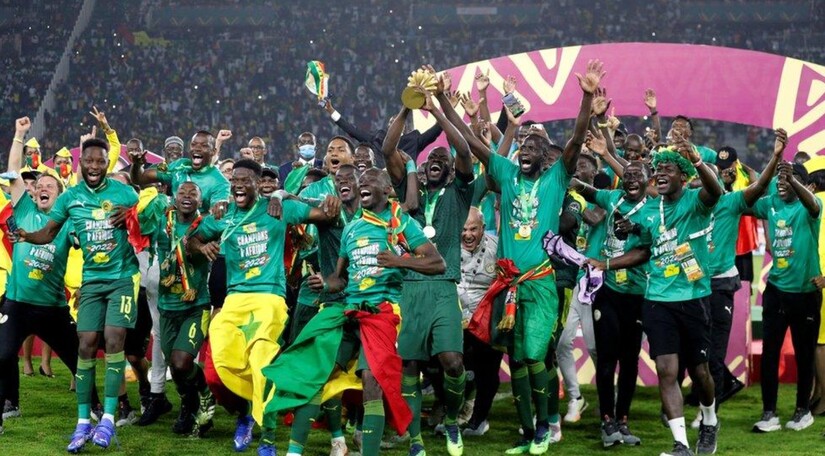
For much of modern football history, African excellence has been framed as episodic. Brilliant teams would emerge, thrill neutral audiences, then disappear into the churn of qualification cycles, administrative resets, and unforgiving margins. Senegal once belonged to that category.
The 2002 World Cup run announced Senegal to the world. What followed, for years, was fluctuation.
What separates today’s Senegal from its past is not talent. Senegal has always produced players capable of excelling at the highest level. What has changed is coherence. Alignment between federation, coaching philosophy, and player profile. An understanding that tournament football rewards patience as much as courage.
The AFCON final in Rabat was not won through chaos or emotional momentum. It was won through discipline, composure, and trust in structure. Against a Moroccan side backed by home support and recent global pedigree, Senegal did not blink when pressure mounted. It absorbed. It waited. It struck when the moment arrived.
That is the behavior of a mature football nation.
The 2025 AFCON final was tense, controversial, and emotionally charged. It was also revealing.
Ninety minutes passed without a goal because neither side lost its shape. When controversy erupted late in regulation, Senegal did not unravel. Even amid protest and disruption, the team returned to the field with its focus intact. When extra time began, Senegal did not chase the moment. It controlled it.
The winning goal, struck by Pape Gueye, was not the product of desperation. It was the product of belief rehearsed over years. Senegal understood that finals are not won by forcing destiny, but by being prepared when it arrives.
In African football, where finals have often turned on nerves, Senegal showed nerve as a weapon.
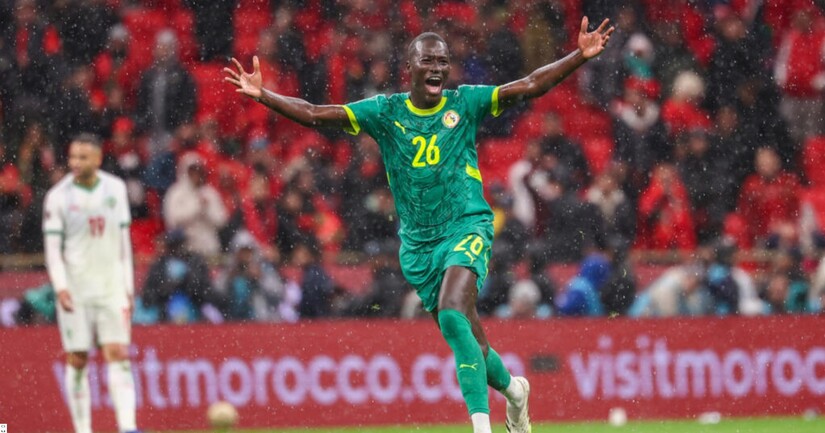
Senegal’s greatest strength heading into the 2026 World Cup is not any single player or tactical wrinkle. It is tournament intelligence.
This is a team that understands how to manage games across seven matches, not just ninety minutes. It defends without panic. It attacks without recklessness. It recognizes when momentum belongs to the opponent and when to reclaim it.
Leadership runs through the squad in layers. Veterans anchor the emotional core. Emerging players are integrated without being overburdened. The goalkeeper commands authority. The back line values spacing over spectacle. The midfield understands balance. The attack does not require constant dominance to remain dangerous.
Senegal does not play to entertain. It plays to endure.
In World Cups, endurance is currency.
Senegal’s triumph does not stand in isolation. Africa arrives in North America with depth, diversity, and conviction.
Morocco, the AFCON finalist and 2022 World Cup semifinalist, remains tactically elite and psychologically hardened. Egypt brings continental pedigree and renewed focus on translating regional dominance to the global stage. Ghana carries emotional memory and generational ambition. Algeria arrives with technical control and game management shaped by European experience. Côte d’Ivoire brings physical power refined by growing cohesion. Tunisia offers structure and competitive consistency. South Africa’s return signals renewal. Cabo Verde’s qualification reflects Africa’s expanding competitive base.
This is not an African field defined by novelty. It is one defined by internal competition.
Yet within that field, Senegal stands apart for one reason. It has already learned how to win when expectation replaces surprise.
Senegal no longer enters tournaments as Africa’s most exciting possibility. It enters as Africa’s benchmark.
That distinction matters. It changes how opponents prepare. It changes how pressure is applied. It changes how success is measured.
At the World Cup, Senegal will not be judged on moments. It will be judged on progression. Quarterfinals will not feel extraordinary. Semifinals will not feel impossible. Failure will not be explained away as growth.
This is the price of credibility. Senegal has paid it willingly.
Senegal’s journey mirrors Africa’s broader footballing evolution. From brilliance without continuity to excellence with structure. From isolated breakthroughs to sustained presence.
The expanded 2026 World Cup field offers African teams something they have historically been denied. The ability to fail, learn, and return without disappearing. Senegal is positioned to benefit from that shift more than any other African nation because it has already crossed the psychological threshold.
It no longer needs validation.
The World Cup will test Senegal in different ways. Travel distances. Climate variation. Tactical diversity. Matches played in unfamiliar environments far from continental comfort.
These are not weaknesses for Senegal. They are variables. Senegal has already proven it can win outside comfort zones, under scrutiny, and amid chaos.
What remains is opportunity.
Not the opportunity to surprise the world. That chapter has closed. The opportunity to shape the tournament’s later stages. To remind audiences that African football has moved beyond the margins of global competition and into its center.
Winning once creates belief. Winning again creates authority.
By lifting the Africa Cup of Nations in Morocco, Senegal confirmed that its rise was not circumstantial. It was structural. It was intentional. It was earned.
As the 2026 World Cup approaches, Africa does not arrive asking which team might break through.
It arrives knowing which team has already learned how.
Senegal will not enter North America chasing history.
It will enter carrying it, calmly, deliberately, and without apology.



Patchy rain nearby, with a high of 84 and low of 64 degrees. Don't forget your umbrella! Sunny in the morning, patchy rain nearby during the afternoon, sunny in the evening, clear overnight.