76° and Sunny
Image
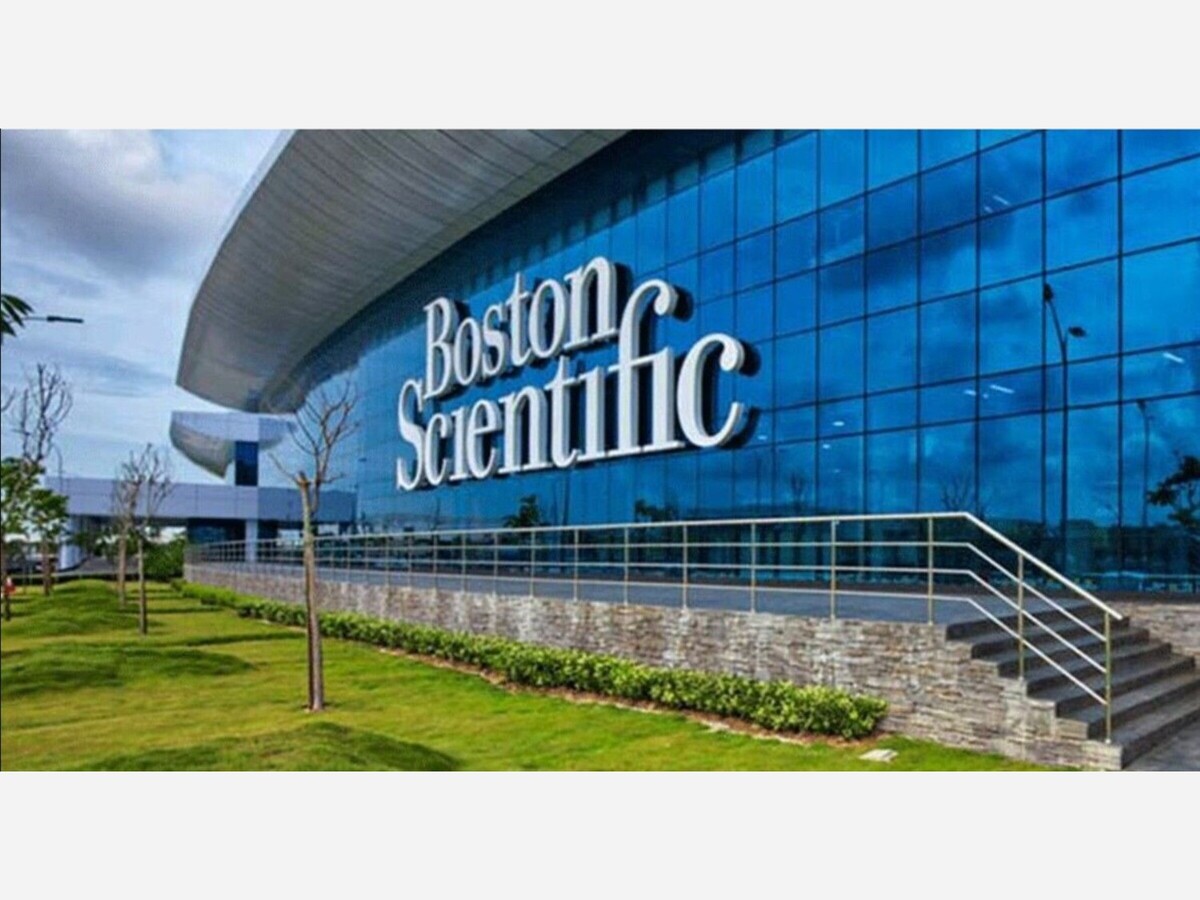



MAPLE GROVE, Minn. — Just months after opening a flagship research and office facility near Arbor Lakes, Boston Scientific is moving forward with plans to significantly expand its Maple Grove presence, underscoring both the company’s growth trajectory and the city’s role as a regional center for medical technology.
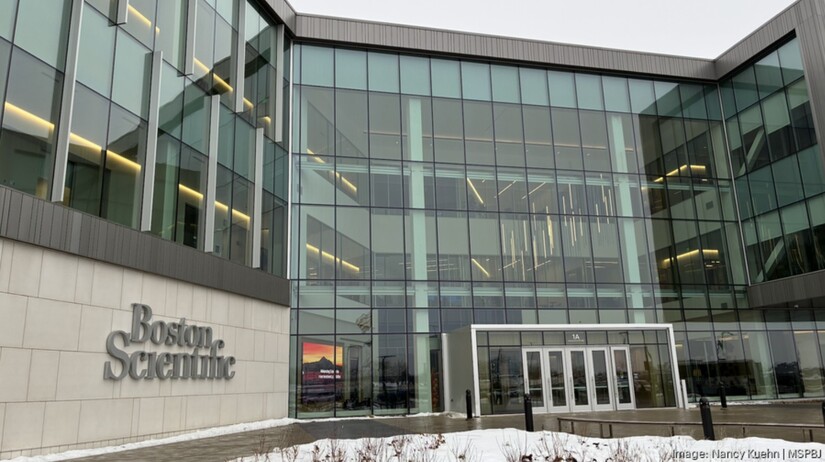
Based on public planning documents and on-the-record statements from Maple Grove officials, the company is proposing a 300,000-square-foot, four-story addition to its Minnesota Science and Technology Center, located just north of Interstate 94. The project, identified as Phase II, would nearly double the size of the campus, which opened last fall with approximately 400,000 square feet of office and laboratory space.
According to statements made during a January 12 meeting of the Maple Grove Planning Commission, the newly opened Phase I building reached full occupancy more quickly than anticipated.
Emily Colletti, Boston Scientific’s senior director of facilities and global workplace strategy, told commissioners that all employees scheduled to relocate into the building have already done so.
Based on on-the-record statements from Maple Grove officials, Colletti described the initial phase as a success both operationally and culturally, noting strong employee response to the new campus environment. That rapid uptake, she said, accelerated internal planning for a second phase focused on supporting the company’s expanding cardiovascular operations in Maple Grove.
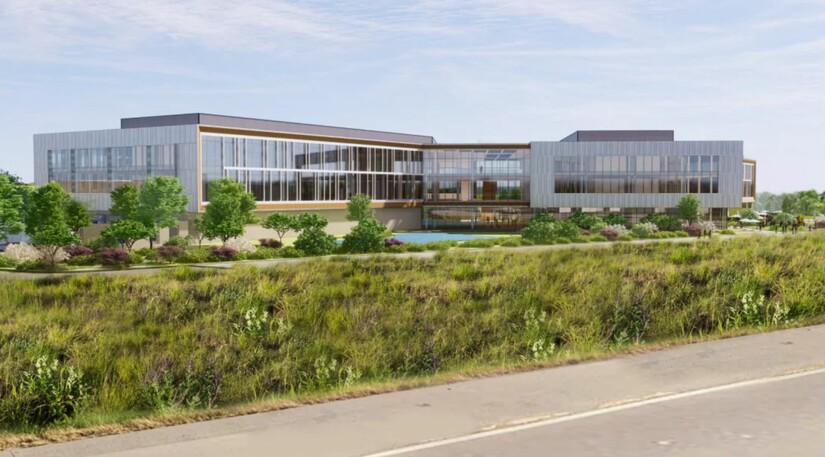
Planning materials submitted to the city show that the Phase II addition would be constructed east of the existing structure, extending the campus footprint closer to I-94. The space would be primarily dedicated to office and laboratory uses, maintaining continuity with the research-oriented mission of the site.
The project is being led by Ryan Companies, a Minneapolis-based firm with extensive experience in large-scale corporate and healthcare developments across the Twin Cities.
Maple Grove Planning Manager Peter Vickerman told commissioners that the proposed architecture is designed to align closely with the existing building.
Based on public planning documents and on-the-record statements from Maple Grove officials, Vickerman characterized the proposal as complex in scale but conventional in planning terms, adding that city staff views the expansion as a positive addition to Maple Grove’s employment and development base.
To accommodate the expansion, the proposal includes changes to the surrounding street network. Planning documents indicate that a segment of 73rd Avenue would be removed, with traffic circulation maintained through an extension of Fountains Lane, which would reconnect to 73rd Avenue beyond the campus.
City staff noted that the changes are intended to improve internal campus flow while preserving broader connectivity within the Arbor Lakes area.
The Planning Commission unanimously recommended approval of both the concept-stage and development-stage plans. Final authorization rests with the Maple Grove City Council, which is expected to review the project later this month.
Sustainability features remain a central component of the campus design. Phase I of the Minnesota Science and Technology Center has applied for LEED Gold certification, incorporating solar panels and geothermal well systems to reduce energy consumption.
Based on on-the-record statements from Maple Grove officials, Boston Scientific has indicated its intention to pursue LEED Gold certification for Phase II as well, maintaining consistency in environmental performance across the campus.
The company is also collaborating with the University of Minnesota on pollinator-friendly landscaping, and plans include the installation of beehives on the property. Site plans further reference potential outdoor amenities such as ponds, nature trails, and community garden spaces.
Boston Scientific is Maple Grove’s largest employer, and city officials view the expansion as a signal of long-term corporate commitment to the community.
Based on public planning documents and statements from city staff, the Arbor Lakes expansion is part of a broader pattern of reinvestment, which also includes planned growth at the company’s Weaver Lake Road campus elsewhere in Maple Grove.
For the city, the project represents more than an increase in square footage. It reflects continued demand for high-skilled jobs, sustained use of city infrastructure, and Maple Grove’s positioning within Minnesota’s global medical technology economy.
Less than a year after welcoming a major new corporate facility, Maple Grove is now preparing for the next phase of growth — one that will further reshape the Arbor Lakes corridor and reinforce the city’s role in the region’s innovation landscape.



Moderate rain, with a high of 75 and low of 48 degrees. Sunny during the morning, clear for the afternoon and evening,