46° and Clear
Image
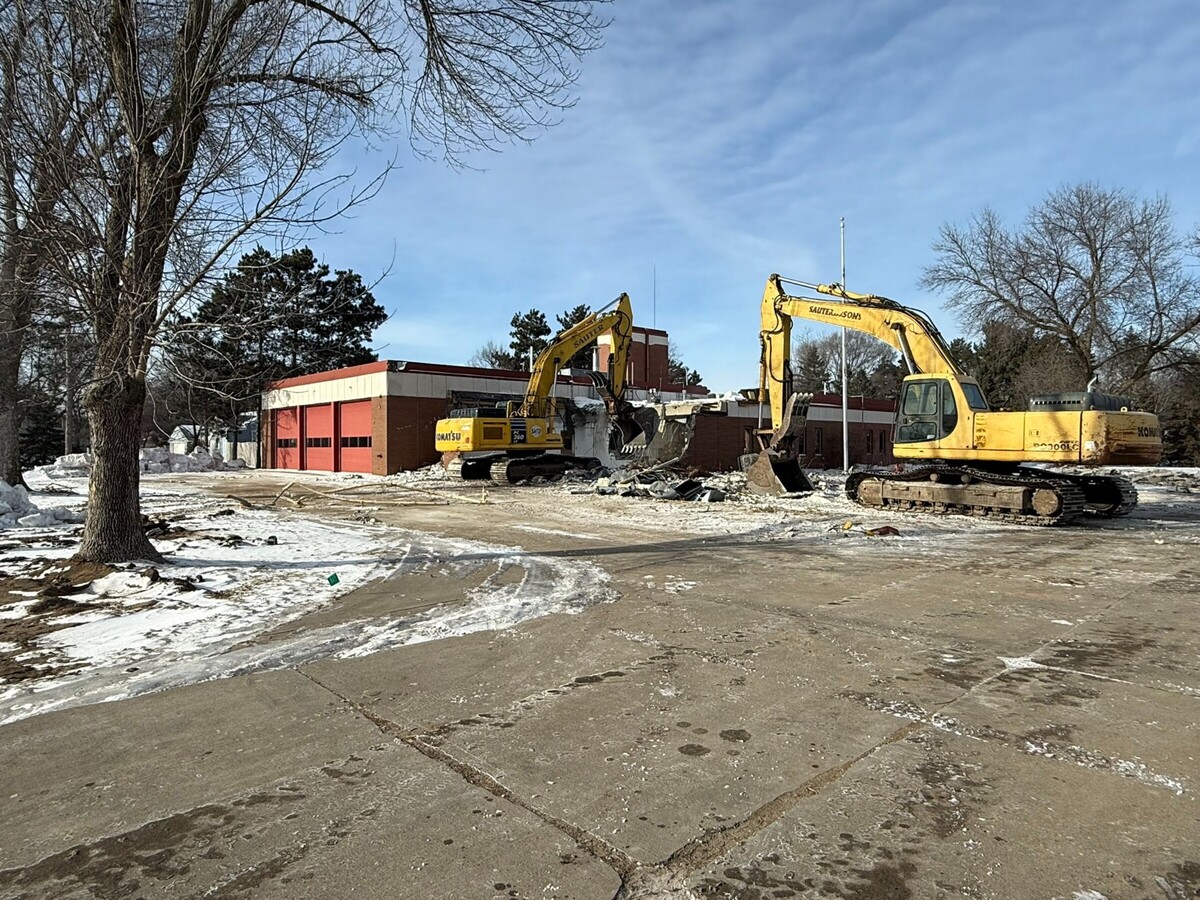



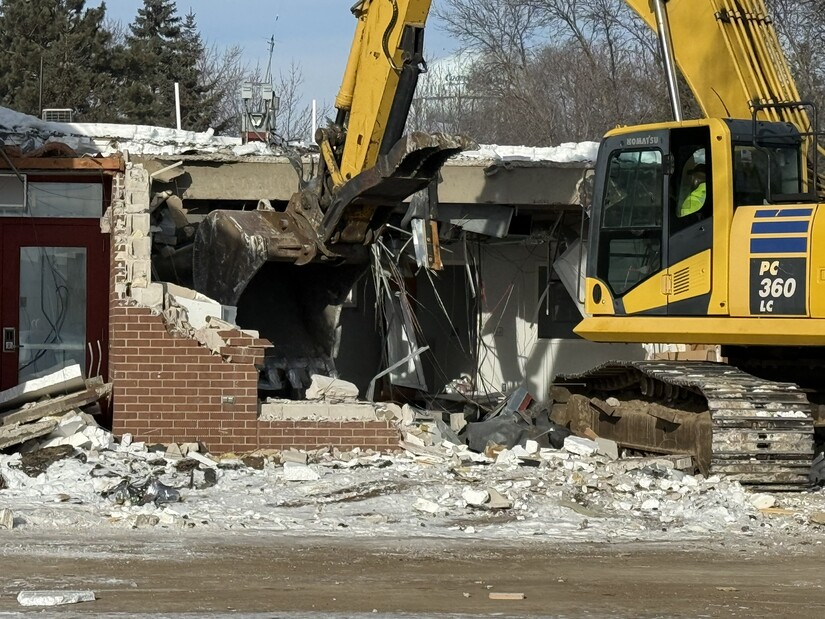
The wrecking ball arrived quietly, but its meaning was anything but small.
With demolition now underway at the former Fire Station 3 site, the City of Coon Rapids has formally closed the final chapter on a property that has served the community in multiple public roles for nearly six decades. In its place, the city is preparing the ground for a new beginning: eight single-family homes built through a deliberate infill strategy aimed at strengthening established neighborhoods rather than expanding outward.
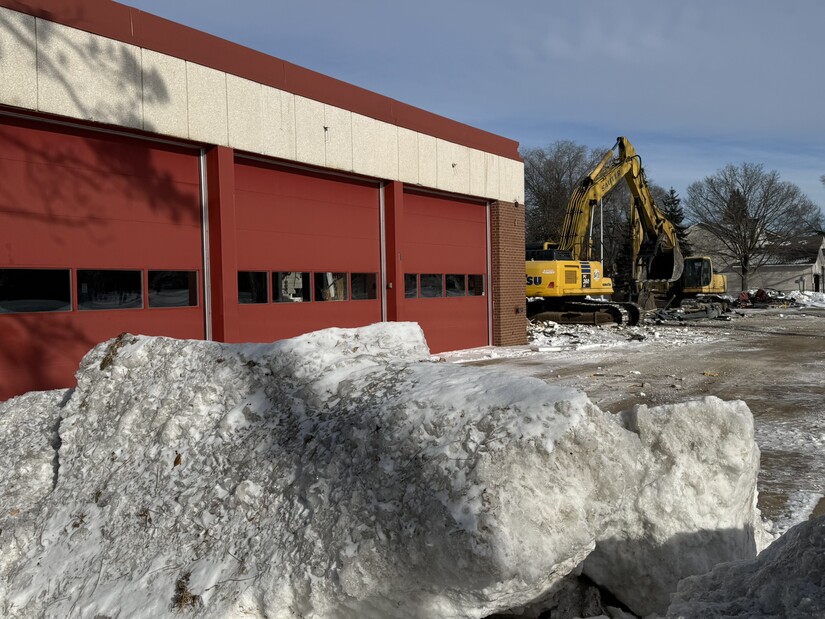
The two-acre parcel at 2831 113th Avenue NW, near Crooked Lake Boulevard, has been vacant since January 2024, when firefighters relocated to a new, modern Fire Station 3 directly across from Anoka-Ramsey Community College. The new facility functions not only as a fire station but as a regional training hub, replacing a building that could no longer meet contemporary safety standards or accommodate modern emergency equipment.
The former structure, largely dating back to the 1970s with a significant remodel in 1998, had reached the end of its practical lifespan. City officials opted to oversee demolition directly, beginning in January 2026, as a cost-management measure and to maintain tight control over site preparation.
What follows demolition is not speculative development, but a carefully planned land-use transition years in the making.
The city rezoned the property to Low Density Residential-3 (LDR-3), a zoning classification specifically created to allow slightly higher-density single-family housing on smaller infill lots while remaining compatible with surrounding neighborhoods. This step aligned with broader comprehensive-plan goals to increase housing supply without altering the character of established residential areas.
The city subsequently sold the property for approximately $33,000 to Amana Homes, which plans to develop an eight-lot single-family subdivision. Construction is expected to follow site clearance and final permitting later this year.
Long before fire trucks rolled out onto 113th Avenue, the land served other public purposes:
Each iteration reflected the city’s evolving priorities, from recreation to public safety and now to housing.
For nearby residents, the transition is expected to bring a noticeable shift in daily life. Replacing a fire station with homes removes the routine disruption of sirens, heavy vehicle movements, and 24-hour emergency activity from a predominantly residential setting. In its place will be housing that mirrors the scale and form of the surrounding single-family homes and nearby multifamily dwellings.
City planners have framed the redevelopment as a way to return an idle public asset to productive use while respecting neighborhood context, a core principle of infill development.
As the old station comes down, what remains is not a loss but a recalibration of space and purpose. Where emergency calls once echoed through open bay doors, front porches and driveways will soon take shape.
In Coon Rapids, the demolition of Fire Station 3 is not just the end of a building. It is a reminder that cities, like the people who live in them, must adapt. And sometimes, progress begins with making room.


Sunny, with a high of 73 and low of 46 degrees. Sunny in the morning, clear overnight.