36° and Overcast
Image
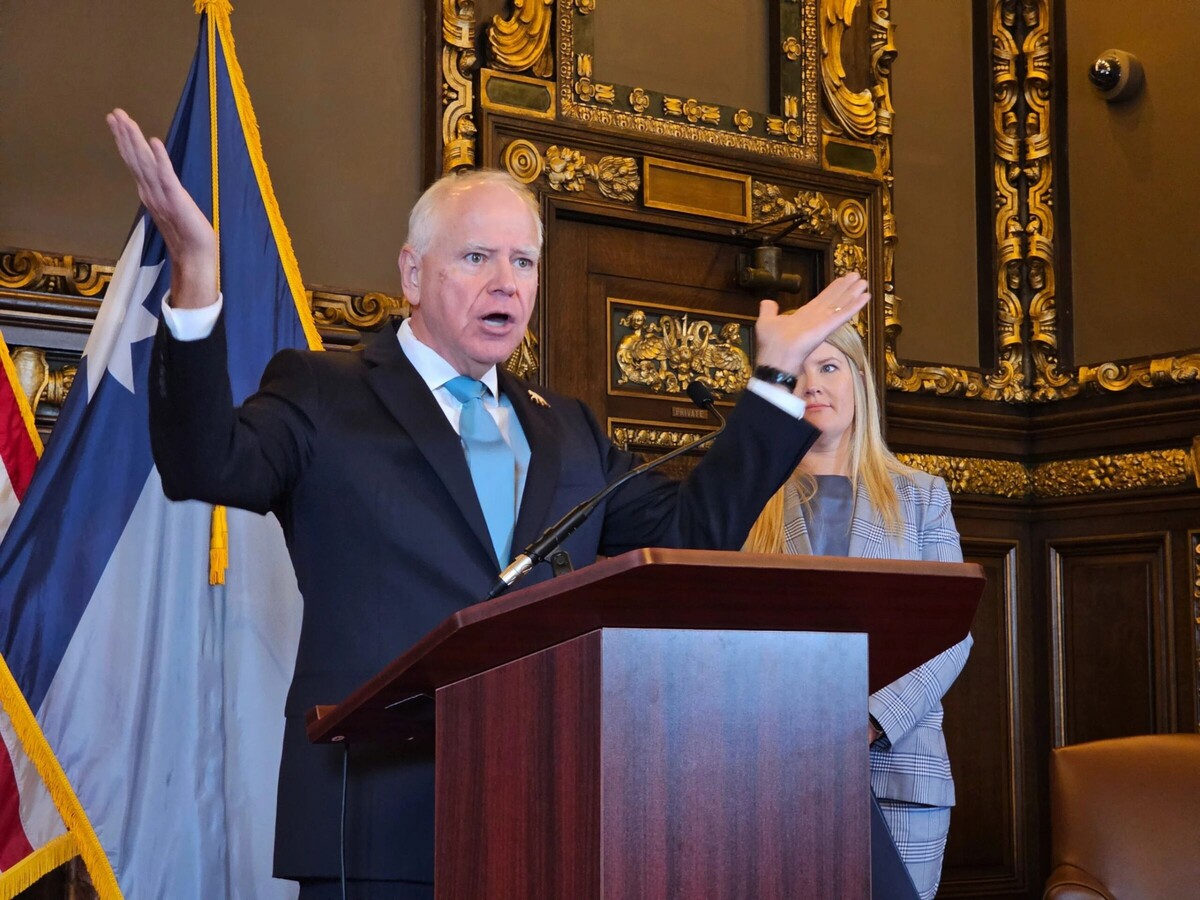



On January 15, 2026, Governor Tim Walz formally introduced a $907 million capital investment proposal to the Minnesota Legislature, setting the opening terms for one of the most consequential infrastructure debates of the upcoming legislative session.
Bonding bills are often described as technical documents, dense with line items and engineering language. In reality, they are political portraits. They reveal what a state chooses to protect, what it is willing to postpone, and how it balances ambition against constraint.
Walz’s proposal arrives at a moment shaped by scarcity and shock. Minnesota’s public infrastructure faces mounting deferred maintenance costs, while the political climate has been irrevocably altered by the 2025 assassination of DFL House Leader Melissa Hortman and her husband. The event continues to reverberate through Capitol policymaking, most visibly in the administration’s heightened focus on security and resilience at the seat of state government.
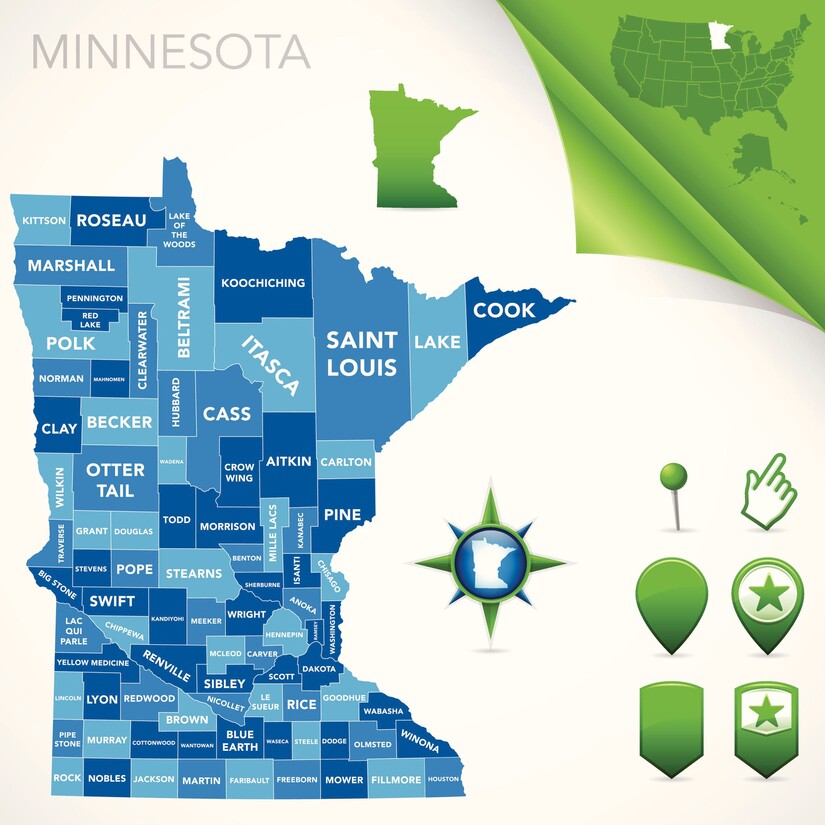
According to Minnesota Management and Budget, state agencies and local governments submitted approximately $6.8 billion in capital requests for the 2026 cycle. Walz’s $907 million recommendation funds only a fraction of that demand.
That gap is not incidental. It reflects a deliberate restraint shaped by debt capacity, forecast rules, and the political reality that any bonding bill must clear a constitutional hurdle: a three-fifths supermajority vote in both chambers.
In a narrowly divided Legislature, no major bonding package moves forward without bipartisan agreement.
The proposal combines traditional borrowing with non-bond sources:
This blended structure allows the administration to advance projects while limiting reliance on long-term general obligation debt, a balance that will be scrutinized closely as lawmakers weigh fiscal caution against visible investment.
The governor’s office organizes the proposal around five primary categories, each reflecting both long-standing needs and current political pressures.
The largest share of the package is devoted to maintaining existing state assets rather than building new ones. This includes substantial funding for University of Minnesota and Minnesota State campuses, as well as repairs to state buildings that have accumulated years of deferred maintenance.
The message is implicit but clear: neglect is more expensive than upkeep.
More than $113 million is directed toward water infrastructure grants and loans, supporting wastewater systems, drinking water upgrades, and inflow and infiltration mitigation. Another $50 million targets high-priority state highway pavement projects, aimed at preventing further deterioration of core transportation corridors.
Public safety investments are among the most politically charged components of the plan.
They include $41 million for State Capitol security upgrades, reflecting post-assassination reassessments of physical vulnerabilities, as well as funding for a new Bureau of Criminal Apprehension facility in Bemidji and a major expansion of education and programming space at the Rush City Correctional Facility.
Together, these projects underscore a shift toward both security hardening and institutional capacity.
Housing funding is anchored by $50 million in housing infrastructure bonds, aimed at supporting deeply affordable housing, preservation projects, senior housing, and supportive housing across Minnesota. Additional funds support local economic development initiatives tied to job creation and community revitalization.
This category includes $50 million for Rural Finance Authority loans, designed to support farmers and rural businesses through user-financed borrowing, along with investments in dam safety, flood risk reduction, and environmental resilience.

Despite its scope, the proposal has already drawn criticism from multiple directions.
Senate Capital Investment Chair Sandy Pappas, a Democrat, has publicly argued that the package falls short when adjusted for inflation, noting that Minnesota approved a $945 million bonding bill in 2005, a figure that would exceed $1.6 billion in today’s dollars.
Republican leaders, meanwhile, have historically favored smaller bonding bills and may seek concessions on taxes, regulatory oversight, or spending priorities as the price of their support.
Adding to the complexity is a statutory change that now prevents state budget forecasts from assuming future bonding bills, meaning the general fund impact of new debt must be accounted for more explicitly during negotiations.
As with every bonding cycle, Walz’s proposal is not the bill that will ultimately pass, if one passes at all. It is an opening bid, shaped by fiscal limits, political memory, and an acute awareness of the state’s vulnerabilities.
When lawmakers convene in mid-February, they will rewrite, expand, and contract this framework. What remains uncertain is whether consensus will emerge around a package large enough to meet Minnesota’s infrastructure needs, or whether caution and division will once again leave projects waiting another biennium.
For now, the $907 million proposal stands as a measure of both ambition and restraint, a document that reflects not just what Minnesota wants to build, but what it believes it can still afford to promise.


Patchy rain nearby, with a high of 43 and low of 31 degrees. Don't forget your umbrella! Overcast for the morning, clear for the afternoon and evening, patchy rain nearby overnight.