36° and Overcast
Image
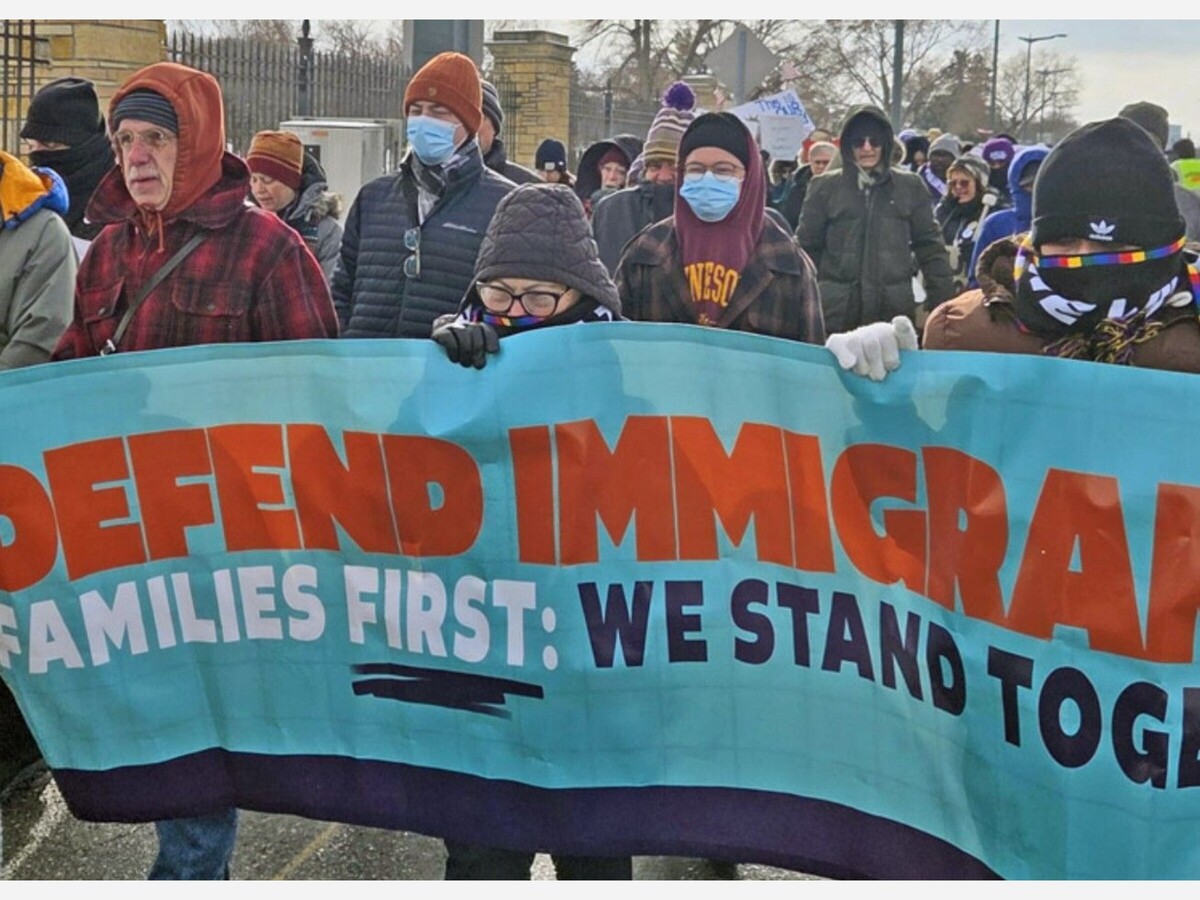



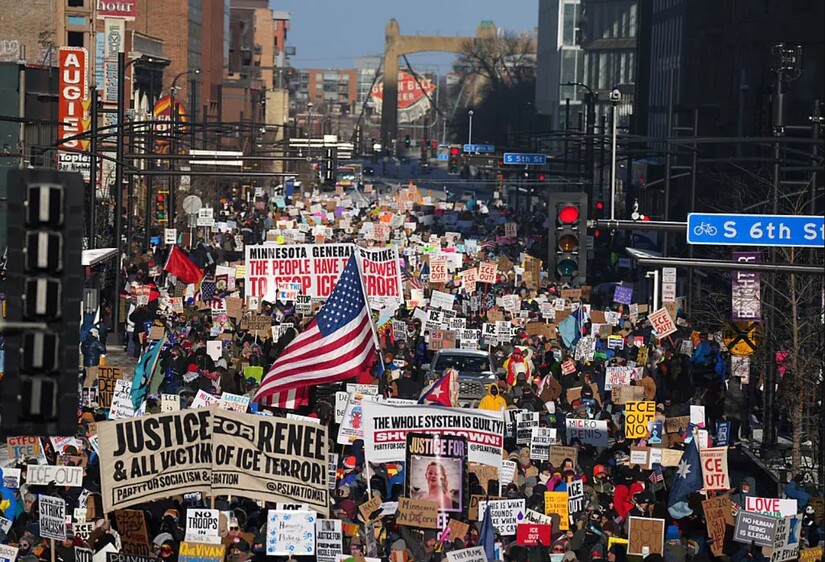
MINNEAPOLIS — On Friday, storefronts went dark, shifts were left uncovered, and families kept children home from school across parts of Minnesota in a coordinated economic blackout aimed at one message: without immigrant communities, the state’s economy does not function.
Often described as a “Day Without Immigrants,” the action asked participants to refrain from work, school, and shopping as a protest against intensified federal immigration enforcement and the climate of fear it has created. In Minneapolis, the movement was led in large part by Somali business owners and community members, whose economic footprint has become inseparable from the Twin Cities’ daily life.
Outside Karmel Mall in south Minneapolis — widely recognized as the oldest Somali shopping center in the United States — community leaders urged residents statewide to participate, framing the blackout as both protest and proof.
Waris, a Somali community member and mother of five, described the action not as an immigration protest alone, but as a defense of civic identity.
“I was born in America. I’m a Minnesotan,” she said during organizing efforts earlier this week. “We are here to show we are citizens. You cannot take us outside. We are what we are, and you are what we are.”
Her words echoed a sentiment shared repeatedly by organizers: that many of those most affected by enforcement anxiety are U.S. citizens or long-term residents whose lives, labor, and taxes are deeply rooted in Minnesota.
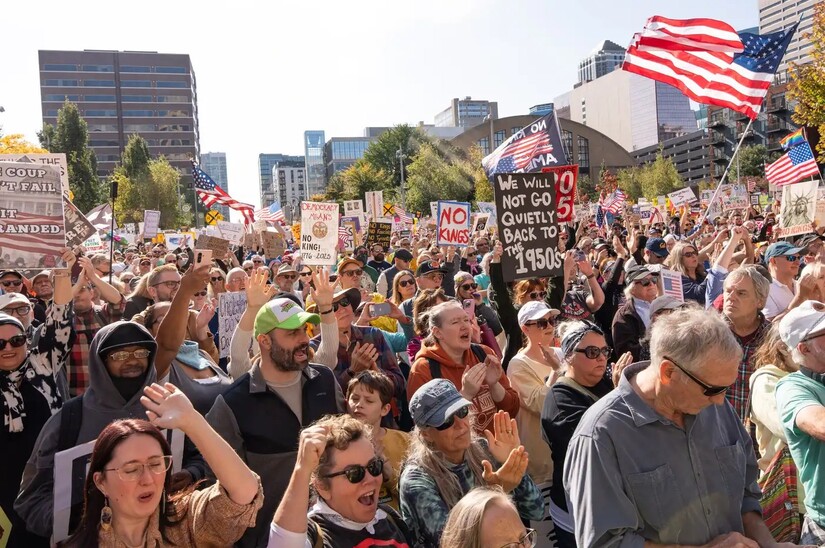
The blackout did not emerge in a vacuum. Somali business owners across south Minneapolis report weeks of declining foot traffic as rumors and reports of immigration activity spread through the community. Even citizens, they say, are avoiding public spaces, travel, and routine errands out of fear of being questioned or detained.
That fear has direct economic consequences. When workers stay home, businesses close early, and customers stop spending, the slowdown ripples outward — from small shops to landlords, suppliers, and city tax bases.
Organizers argue that the blackout simply made visible what has already been happening quietly.
“Safety is economic,” one community advocate said. “When people are afraid, the economy contracts.”
Karmel Mall occupies a singular place in Minnesota’s civic landscape. More than a retail center, it functions as a hub for small business incubation, professional services, social gathering, and political organizing within the Somali diaspora.
From travel agencies and accountants to restaurants, clothing shops, and logistics firms, the mall reflects how immigrant entrepreneurship has rebuilt commercial corridors that once struggled with vacancy and disinvestment.
It was here that business owners gathered earlier this week to announce their participation in the blackout and to urge broader Minnesota solidarity.
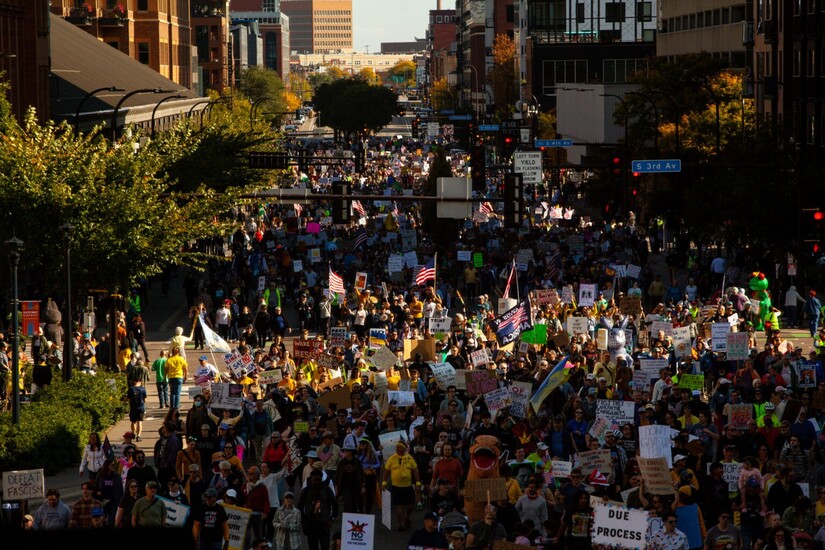
The blackout called on participants to:
Supporters described the action as a strategic pause designed to show what Minnesota would look like without immigrant labor and entrepreneurship — particularly in sectors already stretched thin.
Labor, healthcare, transportation, food processing, and logistics were frequently cited as industries where Somali Minnesotans and other immigrant workers play an essential role.
Community leaders emphasized that the Somali population in Minnesota is not a peripheral demographic group, but a central driver of economic activity.
Across the state, Somali-owned enterprises include neighborhood malls, restaurants, trucking companies, home-care agencies, retail shops, and professional services. Collectively, they generate substantial tax revenue, employ thousands of workers, and stabilize commercial districts such as Lake Street and Cedar-Riverside that anchor Minneapolis’ economy.
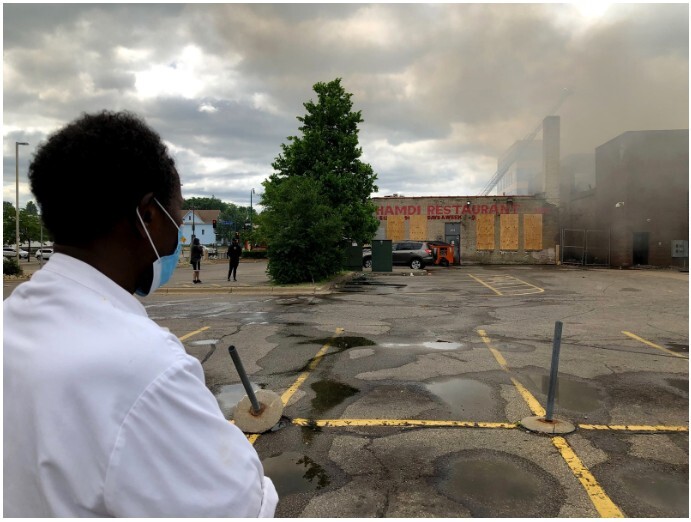
Immigrant entrepreneurs are widely credited with reopening long-vacant storefronts, restoring foot traffic, and maintaining essential services during periods of economic stress — including the pandemic and the rebuilding of Lake Street after 2020.
The rhetoric surrounding the blackout consistently returned to interdependence.
“We are what we are, and you are what we are,” Waris said — a phrase organizers used to underscore that Minnesota’s prosperity is inseparable from the prosperity of its immigrant communities.
Proponents argue that without these workers and business owners:
The blackout, they said, was not about withdrawal from Minnesota, but about insisting on recognition within it.
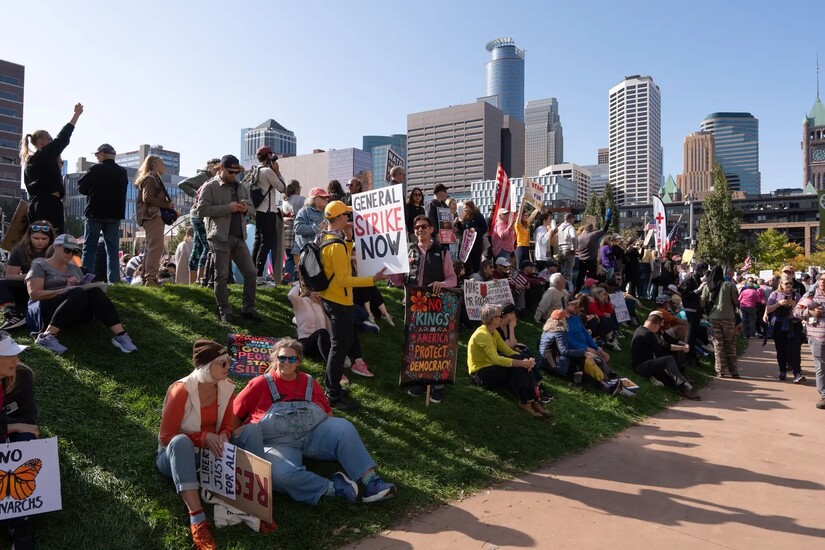
By the end of the day, organizers said success would not be measured only by closed shops or missed shifts, but by whether Minnesotans felt the quiet — the empty counters, the delayed services, the absence of everyday commerce.
For Somali Minnesotans, the message was deliberate and restrained: this is what absence looks like. The question, they say, is whether the state is willing to recognize the value of presence before fear makes that absence permanent.


Patchy rain nearby, with a high of 43 and low of 31 degrees. Don't forget your umbrella! Overcast for the morning, clear for the afternoon and evening, patchy rain nearby overnight.