33° and Overcast
Image



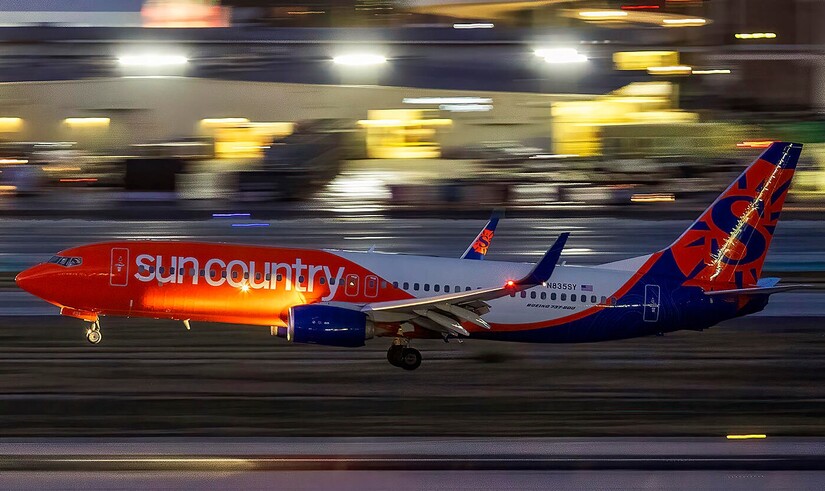
Minneapolis based Sun Country Airlines confirmed Tuesday that it is dispatching two aircraft to Puerto Vallarta to retrieve passengers stranded after it canceled service in and out of the city following a sudden surge of violence in the Mexican state of Jalisco.
At least one flight from Minneapolis–St. Paul to Licenciado Gustavo Díaz Ordaz International Airport operated Tuesday under heightened security conditions, while Delta Air Lines issued a formal travel advisory warning that trips to, from, or through Puerto Vallarta and Guadalajara could be disrupted through Thursday.
What began as a regional security crisis quickly became a Midwest travel story.
The unrest followed a major Mexican military operation on Sunday, February 22, 2026, in which authorities killed Nemesio “El Mencho” Oseguera Cervantes, longtime leader of the Jalisco New Generation Cartel, known by its Spanish initials CJNG.
Oseguera Cervantes had been one of Mexico’s most wanted figures and was the subject of a 15 million dollar U.S. bounty. His death, reported by multiple international outlets, triggered swift retaliation across parts of Jalisco and neighboring regions.
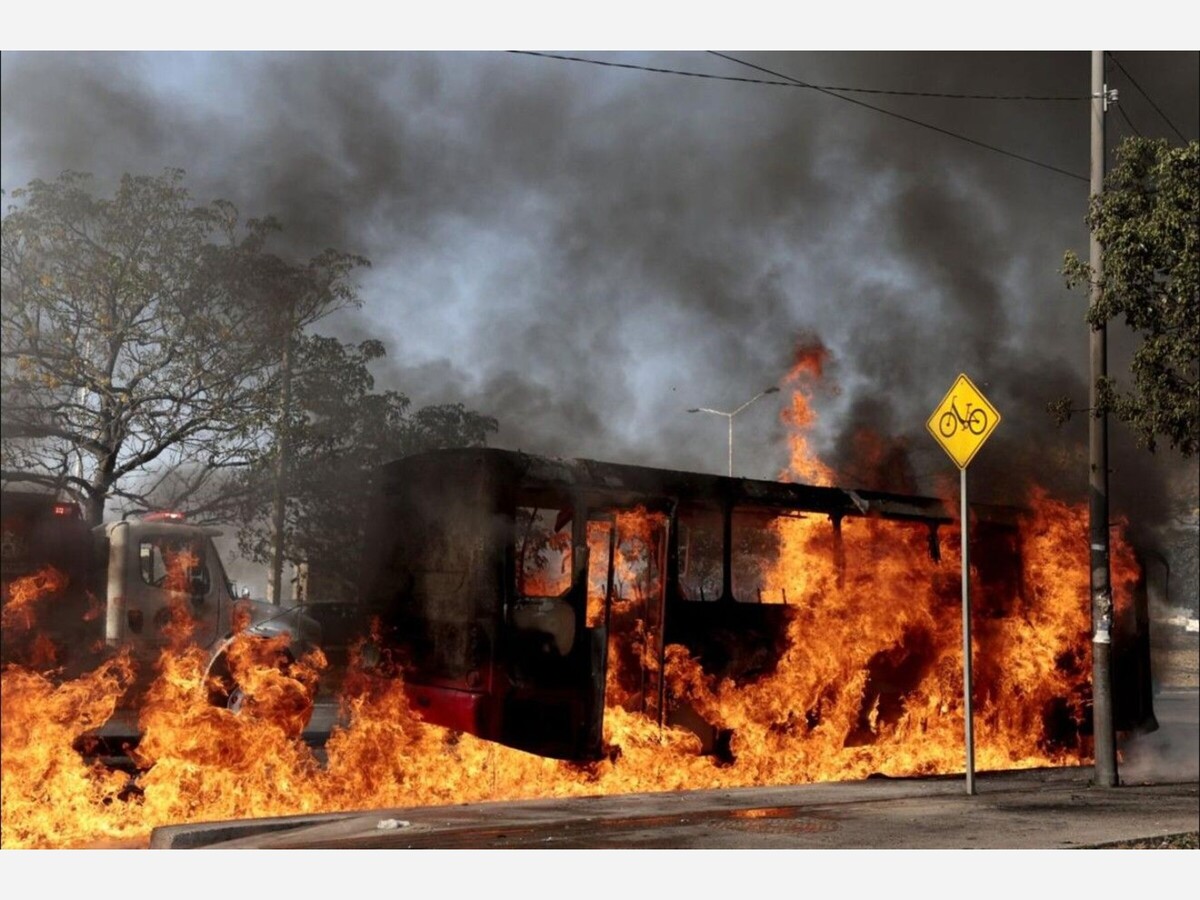
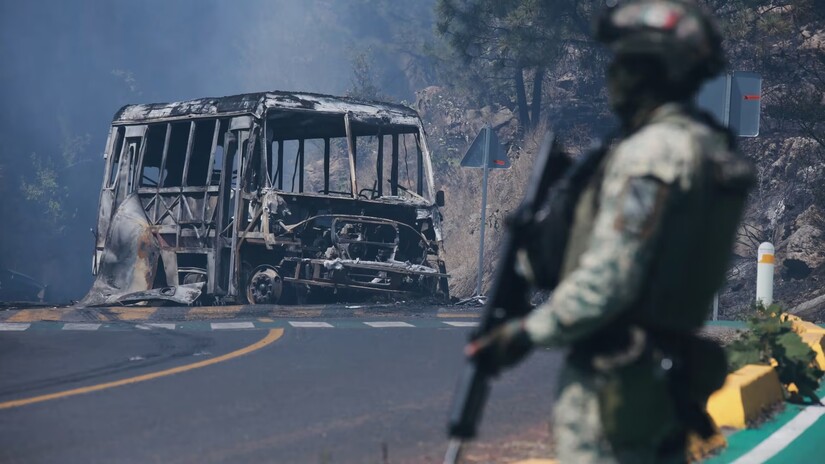
Authorities documented widespread “narcobloqueos,” or cartel roadblocks, in which hijacked buses and commercial trucks were set ablaze to paralyze highways and urban corridors. Mexican officials reported dozens of coordinated incidents and significant casualties among security forces in the immediate aftermath of the operation.
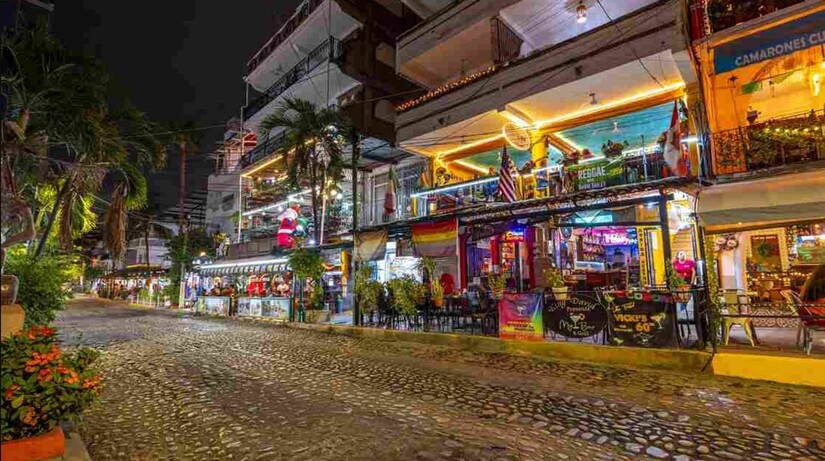
In Puerto Vallarta, a city whose economy depends heavily on international tourism, isolated arson attacks and vehicle fires were reported, even as officials stressed that the airport itself remained operational.
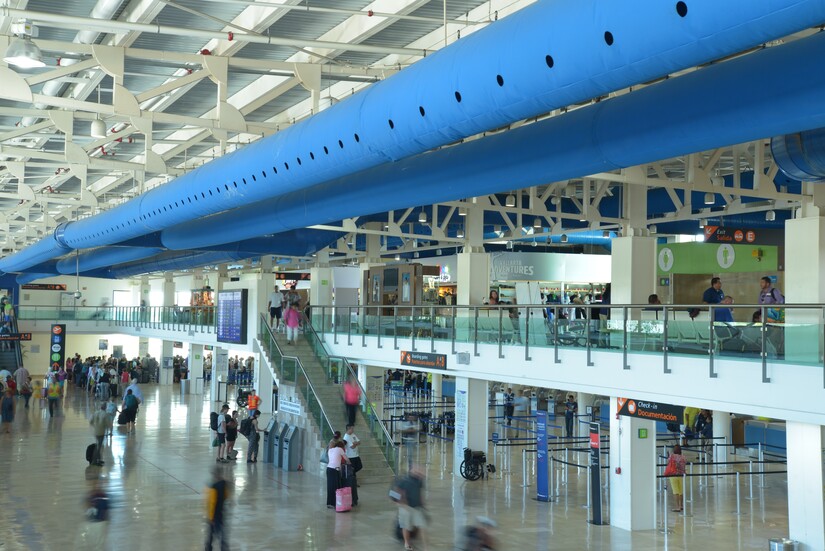
Technically, the airport never closed.
Practically, for many visitors, reaching it became the problem.
Road closures, police checkpoints, and sporadic flare ups of violence created uncertainty about ground transportation. The U.S. State Department urged travelers to monitor local guidance and limit movement. Local Jalisco authorities increased military and police presence in Puerto Vallarta’s Romantic Zone and hotel districts, signaling that tourism operations were stabilizing even as security patrols remained visible.
The dissonance between “open airport” and “unsafe roads” left travelers in limbo.
For Minnesota families scheduled to return home Sunday and Monday, the disruption was immediate.
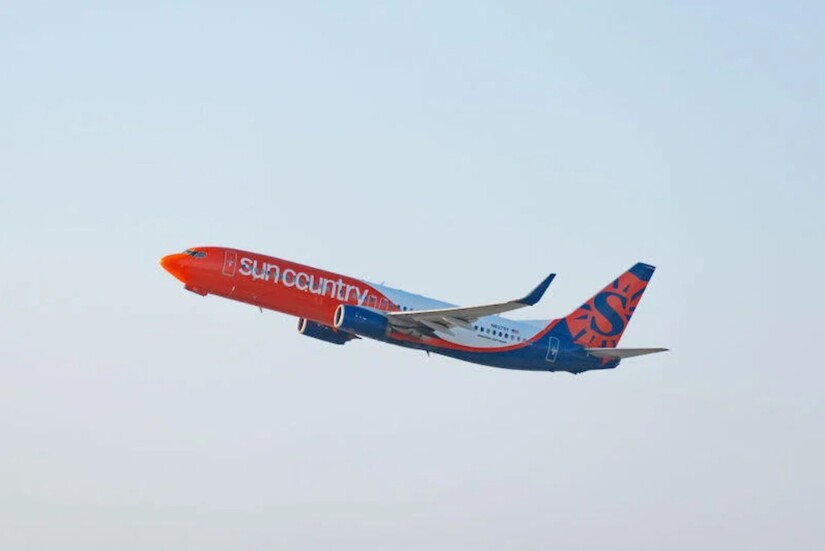
Sun Country canceled multiple flights and diverted two aircraft back to the Twin Cities amid security concerns. By Tuesday, the airline confirmed it would send two recovery flights to Puerto Vallarta to retrieve stranded passengers.
For a leisure focused carrier like Sun Country, Puerto Vallarta is a critical winter route. The decision to halt service, then mount a retrieval operation, reflects the delicate balance airlines must strike between operational safety and passenger demand.
Airlines operating in volatile conditions typically coordinate closely with federal aviation authorities, airport management, and U.S. consular officials before authorizing recovery flights. The dispatch of aircraft signals that, at least from an aviation standpoint, conditions were deemed manageable.
Delta, which also operates nonstop service between Minneapolis–St. Paul and Puerto Vallarta, took a different approach. The carrier allowed at least one MSP departure to operate Tuesday but issued a travel advisory covering Puerto Vallarta and Guadalajara through February 26.
Under the advisory, Delta is waiving change fees for customers rebooking affected travel through early March. The airline has urged passengers to monitor its mobile app and flight status updates closely, noting that ground conditions can shift faster than flight schedules.
Other North American carriers, including Air Canada, United, American, and Alaska Airlines, reported cancellations or diversions earlier in the week as the security situation evolved.
Complicating matters further, international reporting has documented a surge of misinformation circulating online following the cartel leader’s death. Recycled footage and exaggerated claims amplified fear well beyond verified conditions on the ground.
For travelers thousands of miles from home, distinguishing rumor from reality became its own burden.
Airlines and government agencies alike have emphasized reliance on official advisories and direct carrier communications rather than viral social media posts.
For Minnesotans, Puerto Vallarta is not an abstract dot on a map. It is a winter ritual.
February flights are filled with families escaping snow packed sidewalks in Bloomington and Coon Rapids, retirees seeking warmth, and couples celebrating anniversaries along the Pacific coast.
That is why a cartel power shift in Jalisco reverberated all the way to Minneapolis–St. Paul International Airport.
By late Tuesday, local officials in Jalisco said tourist operations were beginning to normalize under heavy security presence. But the episode underscores a broader truth about modern travel: geopolitical tremors can reach vacation itineraries in hours.
For now, Sun Country’s recovery planes represent more than logistical adjustments. They are, in effect, airborne bridges home.



Partly Cloudy , with a high of 43 and low of 27 degrees. Overcast during the morning, sunny during the afternoon, cloudy for the evening, clear overnight.