66° and Overcast
Image
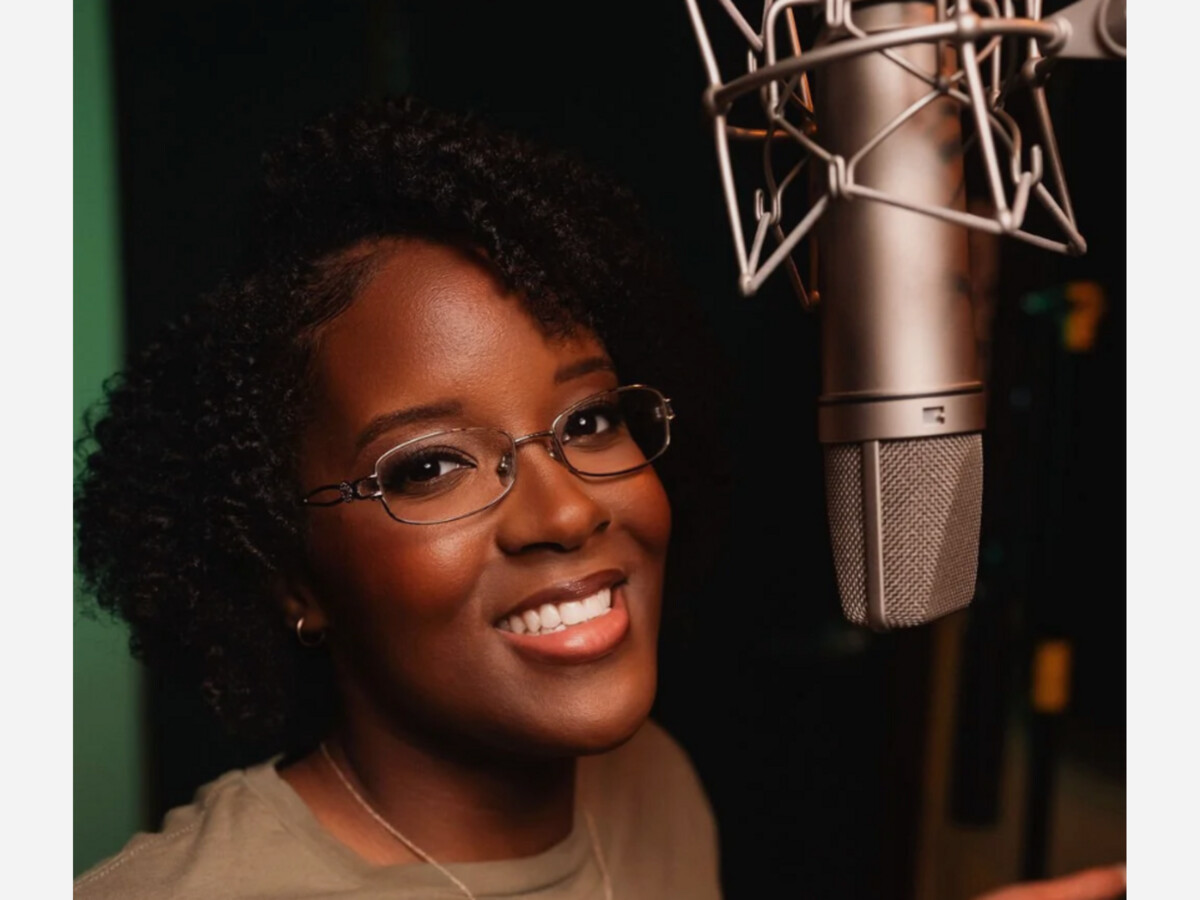



On a weekday afternoon in Minneapolis, a group of young people sit in a circle, notebooks open.
Some lean forward, ready to engage. Others sit back, arms folded. A few keep their eyes down, tracing the edges of blank pages as if waiting for a signal.
At the front of the room stands Se’Anna R. Johnson.
She does not begin with instructions. There is no agenda written on the board, no list of objectives outlining what the session is meant to accomplish.
She asks a question.
“What do you need to say today?”
The first response is hesitant. A short sentence, offered carefully, as if testing whether the space can hold it.
Se’Anna listens without interruption. She does not reframe the response or move to correct it. She allows it to remain exactly as it is.
She asks another question.
A second voice enters. Then a third.
Within minutes, the posture of the room begins to change. People adjust in their seats. Some begin writing. Others look up.
No one announces the shift.
But it happens.
This is how her work begins.
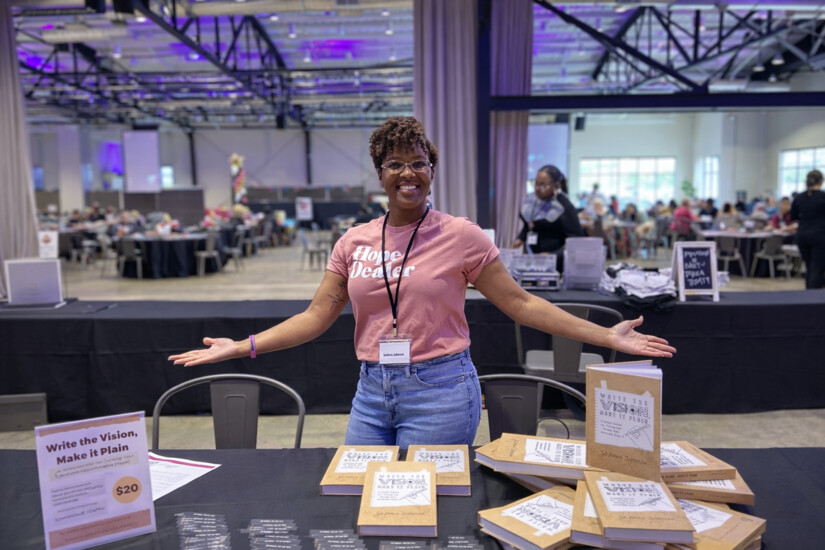
In Minnesota, leadership is often defined through formal structures. Titles, elected office, and institutional roles determine who is recognized and who is heard.
Se’Anna R. Johnson operates within and alongside those systems, but her work is not defined by them.
She is a restorative educator, artist, and community cultivator whose work moves across classrooms, nonprofit organizations, public agencies, and community spaces throughout Minneapolis and the Twin Cities.
She facilitates workshops for youth, educators, and families. She builds relationships with school districts, nonprofits, and government partners. She organizes spaces designed to bring people together to reflect, engage, and respond to shared challenges.
She also integrates creative practice into her work, using hip hop, storytelling, and rhythm as tools for engagement.
These elements describe what she does.
They do not fully explain how she works.
She does not begin with systems.
She begins with people.
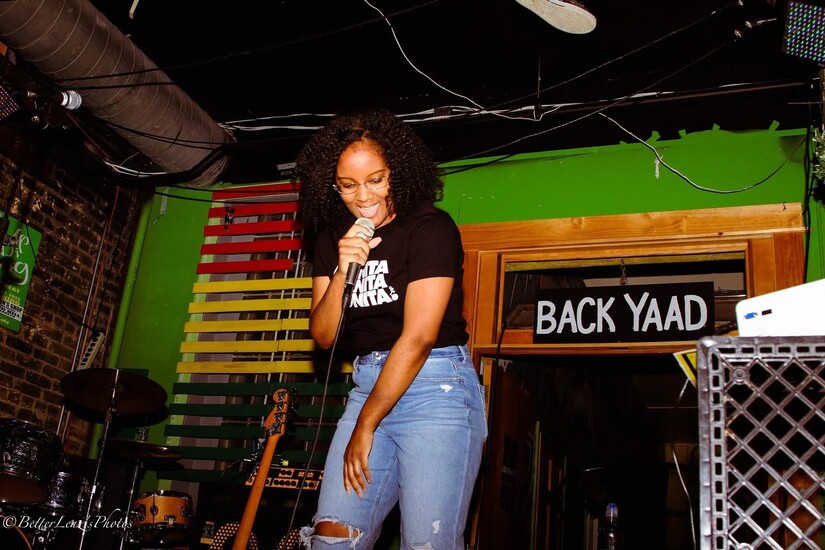
Her understanding of community began early.
“Honestly, it was from the jump,” she says.
Her grandparents came to Minnesota from the Jim Crow South, part of a generation that moved in search of stability and opportunity. They arrived with limited resources but a clear commitment to building something that could support the generations that followed.
They also brought a way of relating to others.
“I was raised around people who were always creating space,” she says.
Conversations with strangers were common. Invitations were extended without hesitation. Community was not something to be organized formally. It was something to be practiced.
“I felt like I had an obligation to my neighbors,” she says.
Her upbringing in South Minneapolis reinforced those values. The neighborhood functioned as a communal environment where relationships were built through proximity and sustained through interaction.
By the time she began to define her role, the foundation was already in place.
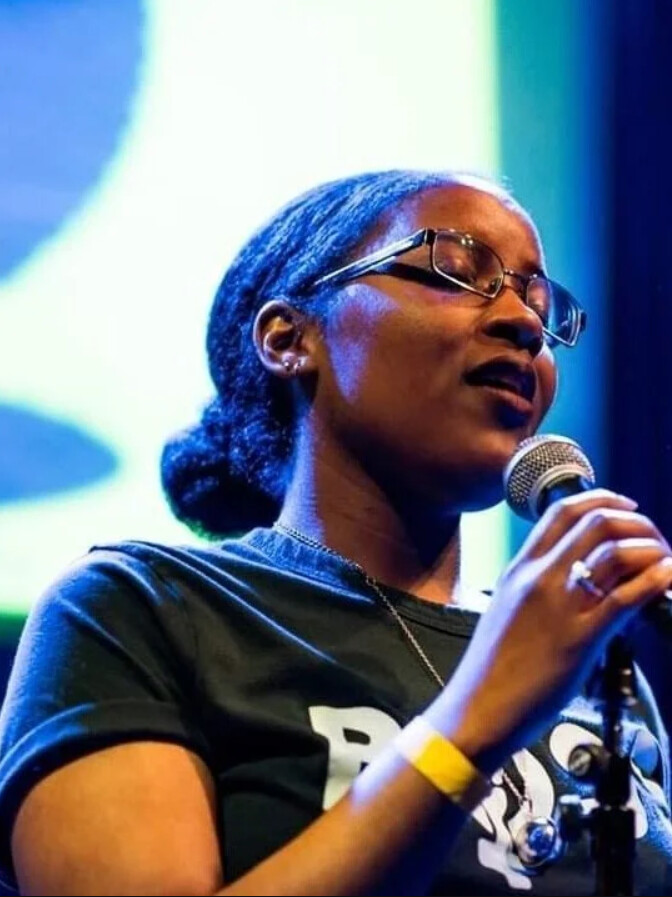
“I’ve been a creative all my life,” she says.
She was drawn to theater and performance at an early age. She grew up in a family where music was present and expression was encouraged.
At the same time, she was growing up within structural limitations.
She spent part of her early life in one of Minneapolis’s oldest housing projects, the same environment her grandmother had experienced years earlier.
The continuity between generations reflected broader structural realities.
Within that environment, she stood out.
“There was always that thing,” she says.
She performed well academically and was recognized for it. She was not easily overlooked.
She became the first in her family to earn a bachelor’s degree.
But that achievement did not signal departure.
“I always knew I had to go back,” she says.
Her early professional work took place within nonprofit and government settings focused on addressing inequality.
She worked in programs designed to reduce barriers and expand access.
Over time, she began to observe a pattern.
Programs were often designed without sufficient connection to the lived realities of the people they were intended to serve.
“What I was seeing was that there were needs that weren’t quite being met,” she says.
The issue was not only structural.
It was relational.
Rather than stepping away, she adjusted her approach.
“I ended up merging the two,” she says.
She combined her creative background with her professional experience.
Hip hop became a tool for literacy and engagement.
Storytelling became a way to articulate lived experience.
Workshops became spaces where participants could speak more openly and engage more directly.
This approach reframed creativity.
Not as an addition.
As a method.
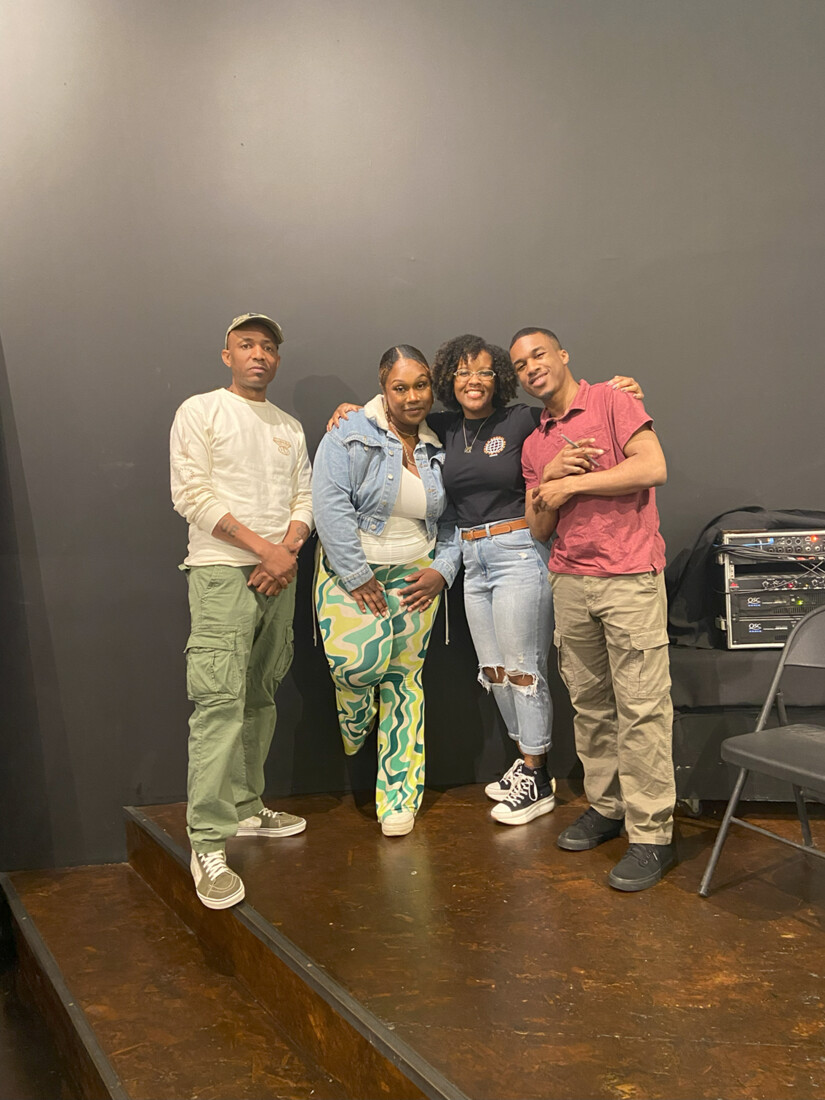
In one session, a student reads a short piece of writing.
The first reading is hesitant and uneven.
Se’Anna asks the student to read it again.
The second reading is clearer.
More confident.
The room listens.
No one interrupts.
Afterward, another student shares.
Then another.
These moments are small in scale.
But they are consistent.
And over time, they accumulate.
Across Minnesota and the broader United States, educators and community leaders have increasingly emphasized the importance of culturally responsive and relational approaches in education.
Students in underserved communities often face barriers that extend beyond academic instruction. Access to environments where they feel seen, understood, and supported can significantly influence engagement and outcomes.
An educator working in a community-based program in the Twin Cities described the shift this way:
“When students feel like they are part of the process instead of being managed through it, you see a different level of engagement.”
Se’Anna’s work aligns with that shift.
But it also extends it.
She is not only applying a framework.
She is contributing to how it is practiced.
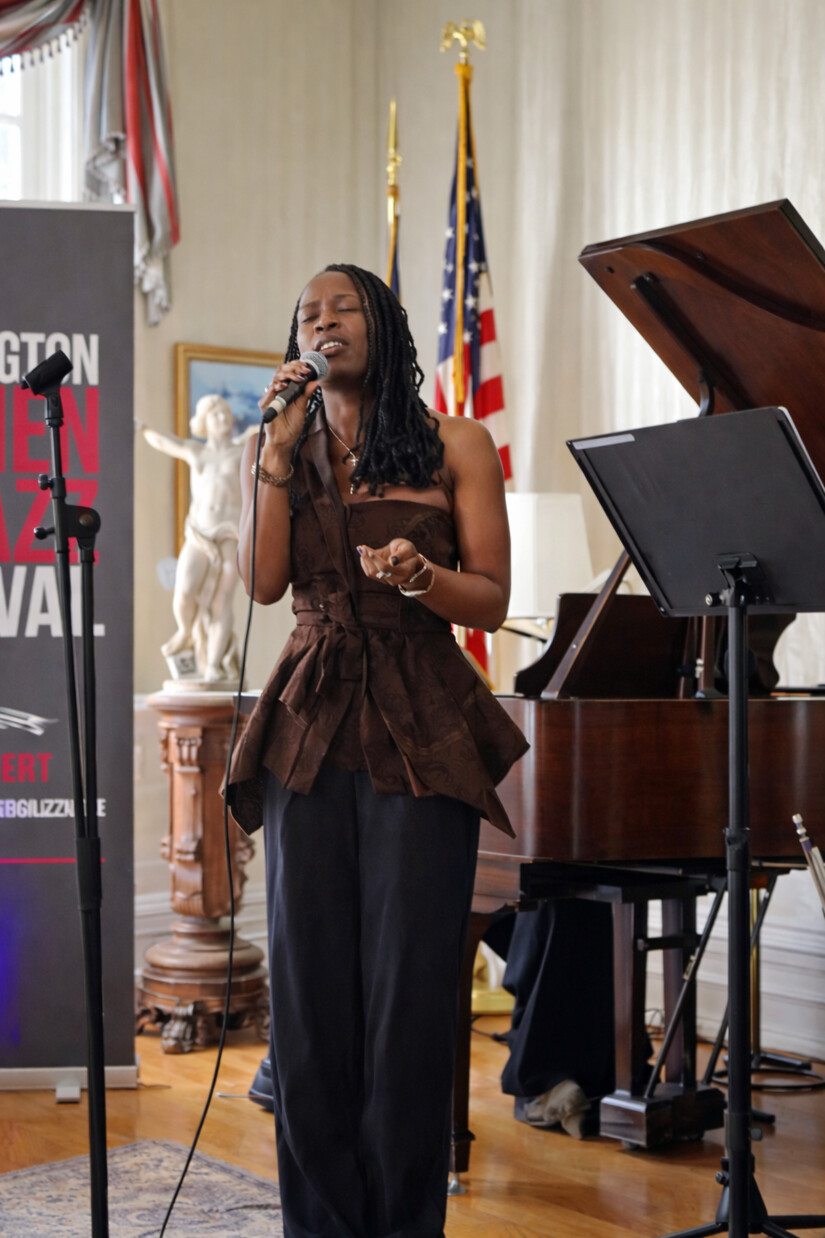
“The biggest challenge has been figuring out how to do a new thing,” she says.
There was no established model for what she was building.
As a first-generation college graduate, she also navigated systems without inherited guidance.
“I didn’t have the social wealth,” she says.
That required learning through experience, making decisions without full certainty, and continuing despite discomfort.
“The brain wants safety,” she says.
But growth often requires movement beyond what is familiar.
At the center of her work is a principle that guides how she engages with others.
“People want to feel seen,” she says.
In many of the spaces she enters, participants carry experiences that are not immediately visible.
Her role is not to resolve those experiences immediately.
It is to create conditions where they can be expressed.
“There’s something healing in being present with what is,” she says.
That presence allows conversations to develop in ways that are not forced.
Impact, in her work, is not always defined by scale.
“A kid learning how to read during the school year.”
A conversation that shifts direction.
A moment where someone chooses to speak.
She is clear that her work is still evolving.
But she is equally clear about its direction.
“The greatest impact I want to have is one that turns people back inward.”
When asked about maintaining balance, she does not present a finished answer.
“Put that on my challenge list,” she says.
She is learning to rest, to step back, and to recognize that sustained work requires periods of pause.
For Se’Anna, legacy is not tied to recognition.
It is tied to contribution.
“What you were born with makes a valuable contribution,” she says.
It does not need to be widely seen to matter.
“There’s one you for a reason.”
“I’m proud of Minnesota right now,” she says.
She points to the work happening within communities, efforts to build, connect, and invest locally.
She recalls a lesson that continues to guide her work.
“Everybody wants to change the world, but nobody wants to start in their communities.”
Her work reflects that approach.
Start where you are.
“What am I willing to do for the change that I seek?”
It is not a rhetorical question.
It is a standard.
Se’Anna R. Johnson’s work does not depend on recognition to exist.
It depends on consistency.
It depends on whether people continue to show up, to listen, and to engage.
What happens in the rooms she creates does not always leave with documentation.
But it leaves with people.
And over time, that is what shapes communities.
MinneapoliMedia | Community. Culture. Civic Life.



Patchy rain nearby, with a high of 66 and low of 53 degrees. Overcast in the morning, partly cloudy in the afternoon, clear in the evening, patchy rain nearby overnight.