70° and Heavy rain at times
Image
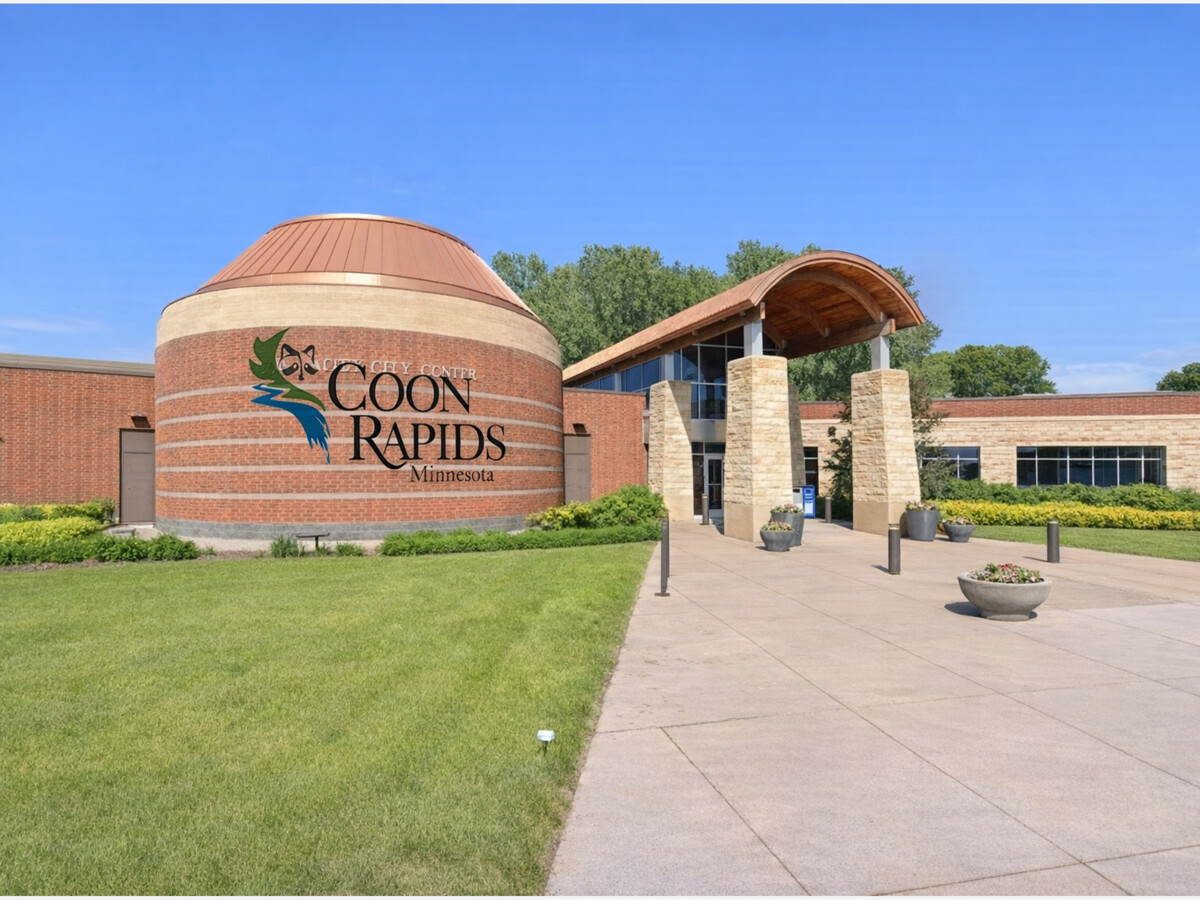



The project, identified in city planning documents as the “Northdale 3” reconstruction area, targets infrastructure originally built in the late 1960s and early 1970s that has reached the end of its service life. The approval advances a full reconstruction plan that includes roadway replacement, utility upgrades, and limited pedestrian infrastructure.
Project Scope and Infrastructure Needs
City engineering assessments determined that both surface streets and underground systems in the Northdale area require comprehensive replacement rather than incremental repair. The approved work includes full-depth street reconstruction, modernization of sanitary sewer and stormwater systems, and related drainage improvements.
Municipal officials have stated that reconstruction projects of this scale are scheduled based on long-term pavement management plans and utility lifecycle analysis. Aging infrastructure, combined with increasing maintenance demands, typically triggers full reconstruction when repair costs become inefficient.
Construction was scheduled within the city’s capital improvement planning cycle, with work expected to proceed in phases to maintain residential access during the buildout.
The most contested component of the project involved whether sidewalks should be installed on both sides of neighborhood streets. The proposal originated from the city’s pedestrian and bicycle planning framework, which promotes expanded walkability and compliance with accessibility standards under the Americans with Disabilities Act.
City staff and elected officials cited safety and accessibility as primary reasons for including sidewalks. The stated objectives included:
Officials also noted that reconstruction projects provide a cost-efficient opportunity to install pedestrian infrastructure while streets are already being rebuilt.
Residents raised sustained objections during public hearings, focusing on the direct impact to private property. Concerns presented to the council included:
Public testimony reflected broader concerns about preserving the existing character of a neighborhood developed without sidewalks and maintaining established landscaping.
Following multiple meetings and public testimony, the City Council approved a modified plan that reduces the scope of sidewalk installation.
Under the adopted design:
City officials characterized the decision as a balance between safety objectives and minimizing property impacts, ensuring at least one continuous pedestrian route while avoiding full buildout on both sides of every street.
The Northdale reconstruction project will be financed through a combination of municipal funding and special assessments to property owners.
Coon Rapids uses standard assessment methodologies for street reconstruction, typically calculated based on:
Residents generally have the option to pay assessments in full or finance the cost over multiple years through property taxes.
City officials have maintained that infrastructure reinvestment, including improved streets and drainage systems, supports long-term property value stability.
Beyond surface improvements, the project has drawn attention to the condition of underground systems, including privately owned sewer service lines.
City staff indicated that while public sewer mains in the area remain structurally sound, private service lines connecting homes to the main system are often subject to deterioration. Tree root intrusion, particularly from mature boulevard trees, has been identified as a common cause of damage.
Officials have encouraged homeowners to conduct preventative inspections of private sewer lines, noting that failures can result in significant repair costs if not addressed proactively.
The Northdale project reflects a recurring issue in suburban infrastructure planning, as cities address neighborhoods built under earlier development standards that did not include modern pedestrian infrastructure.
Coon Rapids’ approach in this case aligns with a pattern seen in similar projects, where municipalities incorporate updated safety and accessibility features while modifying implementation based on resident feedback.
With council approval in place, the project moves into final design and construction phases, including contractor bidding and scheduling. City officials have indicated that residents will receive ongoing communication regarding timelines, access changes, and construction impacts as work progresses.
MinneapoliMedia | Community. Culture. Civic Life.



Patchy rain nearby, with a high of 91 and low of 68 degrees. Sunny in the morning, clear overnight.