70° and Heavy rain at times
Image
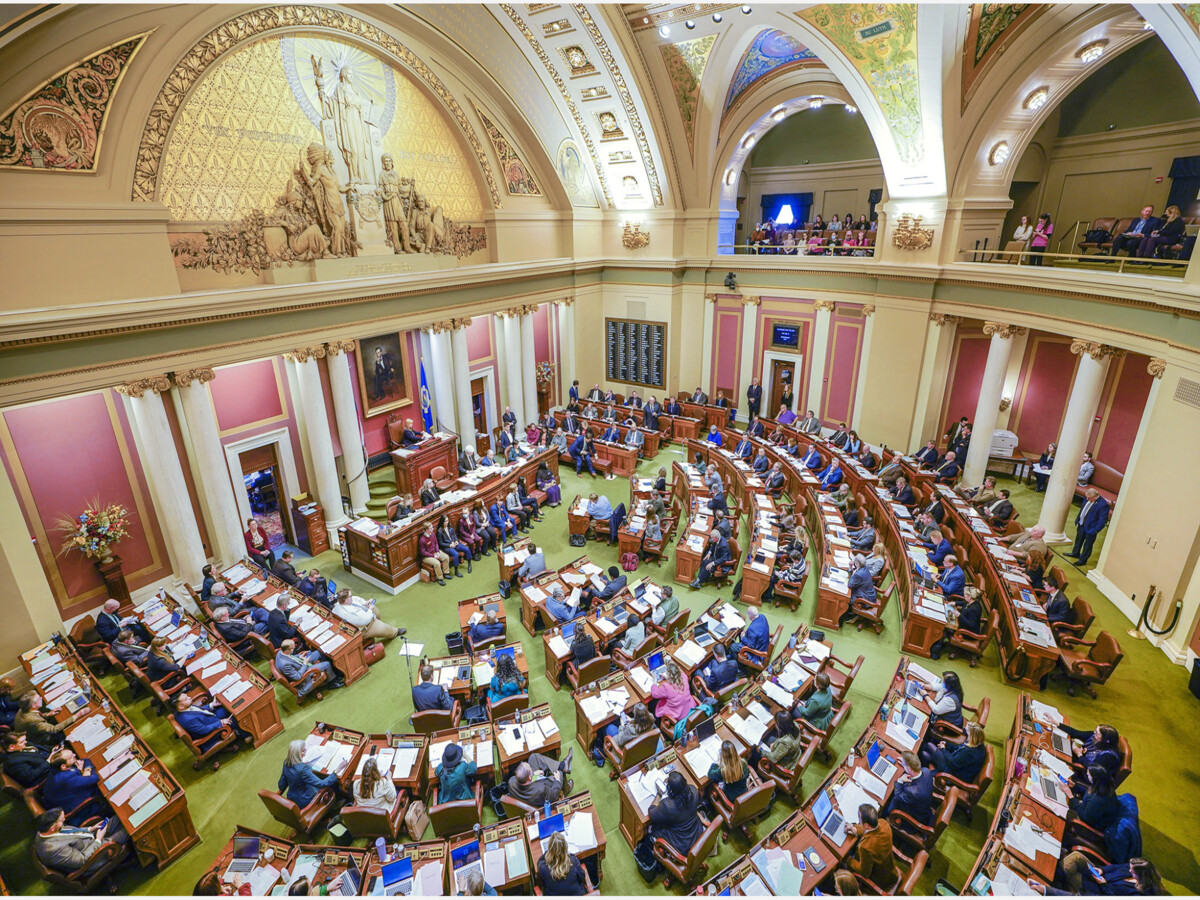



ST. PAUL, MN. (April 25, 2026) Minnesota lawmakers are considering legislation that would establish a dedicated funding mechanism to help the state compete for major sporting events, addressing what supporters describe as a longstanding gap in the state’s bidding infrastructure.
The proposal, introduced as Senate File 5101 by Jeremy Miller, would create a permanent, self-sustaining program designed to provide the upfront financial commitments often required to secure large-scale events.
At the center of the bill is the creation of a Sports and Events Reimbursement Program, a fund intended to operate without direct reliance on the state’s general fund.
Under the proposal, the program would be financed by capturing tax revenue generated by qualifying events held in Minnesota. Eligible revenue streams outlined in the legislation include:
The structure is designed as a performance-based model, where revenue generated from hosted events is reinvested into the fund to support future bids.
Supporters say the program would rely on established economic impact methodologies, including analysis conducted through the University of Minnesota, to determine how much tax revenue is attributable to specific events and how much should be redirected into the fund.
Backers of the legislation say Minnesota has been at a disadvantage in competing for major events due to the lack of a consistent funding tool.
John Klinkenberg of Minnesota Sports and Events told lawmakers that while the state has successfully hosted events in the past, it often struggles to meet early-stage financial requirements that other jurisdictions can guarantee.
According to testimony and supporting materials, Minnesota has missed out on approximately $430 million in potential economic impact from events it did not secure, in part because it could not provide timely financial commitments during the bidding process.
States and host cities competing for major sporting events commonly maintain dedicated bid funds or incentive programs. Supporters of the Minnesota proposal pointed to cities such as Detroit, New Orleans, Indianapolis, Dallas, and Houston as examples of jurisdictions that have used similar financial tools to secure events.
These commitments are often a determining factor in awarding events such as the Super Bowl, NCAA championships, professional All-Star games, and international competitions.
Minnesota has previously hosted high-profile events, including the Super Bowl and NCAA Final Four, demonstrating its capacity to organize large-scale competitions. However, advocates say those efforts have required ad hoc funding arrangements rather than a consistent statewide system.
The legislation identifies a broad range of events that could qualify for support through the program. The bill outlines 29 categories, including:
Eligibility criteria and funding thresholds would be defined through program rules if the legislation is enacted.
The bill has been heard in the Senate Taxes Committee and was laid over for possible inclusion in a larger omnibus tax bill, which is a standard legislative pathway for proposals involving state revenue mechanisms.
Lawmakers are continuing to evaluate fiscal implications, program structure, and projected economic returns as part of broader tax and budget negotiations.
The proposal has drawn support from business, tourism, and sports marketing stakeholders who argue that a dedicated fund would allow Minnesota to compete more effectively with peer states.
Key considerations under review include:
Supporters contend the structure avoids direct strain on existing state resources by reinvesting tax revenue generated by events back into future bid efforts.
Further legislative action is expected as lawmakers determine whether to incorporate the proposal into a broader tax package during the current session.
If enacted, the program would establish a standing financial mechanism for event recruitment, allowing Minnesota to respond more quickly and competitively in national and international bidding processes.
MinneapoliMedia | Community. Culture. Civic Life.



Patchy rain nearby, with a high of 91 and low of 68 degrees. Sunny in the morning, clear overnight.