70° and Heavy rain at times
Image
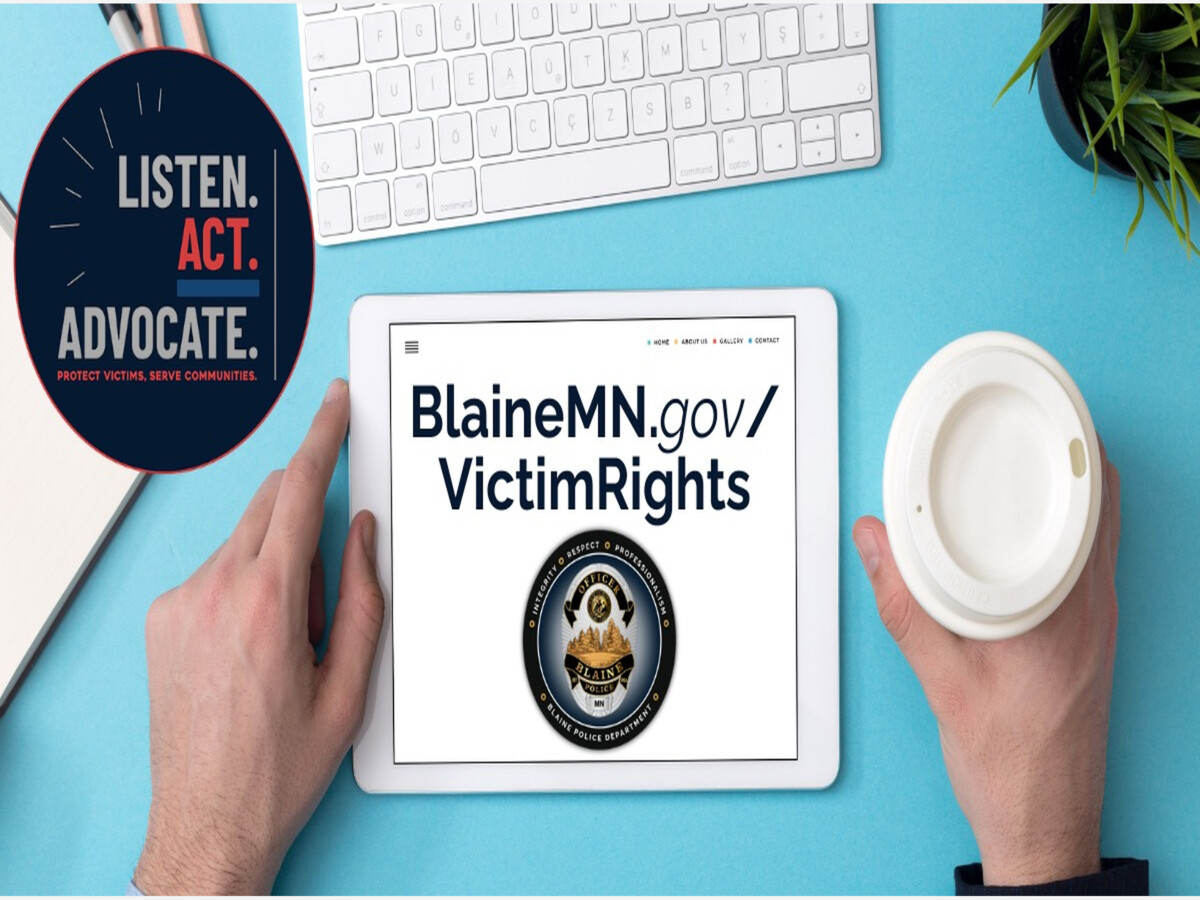



BLAINE, MN. (April 26, 2026) National Crime Victims' Rights Week (NCVRW) 2026 concluded April 25, with law enforcement agencies and victim advocacy organizations emphasizing the need to address persistent misconceptions about crime and victimization.
The Blaine Police Department marked the final day of the observance by highlighting “Myth vs. Fact” messaging, aligning with national efforts to improve public understanding and reduce barriers that prevent victims from reporting crimes or seeking support.
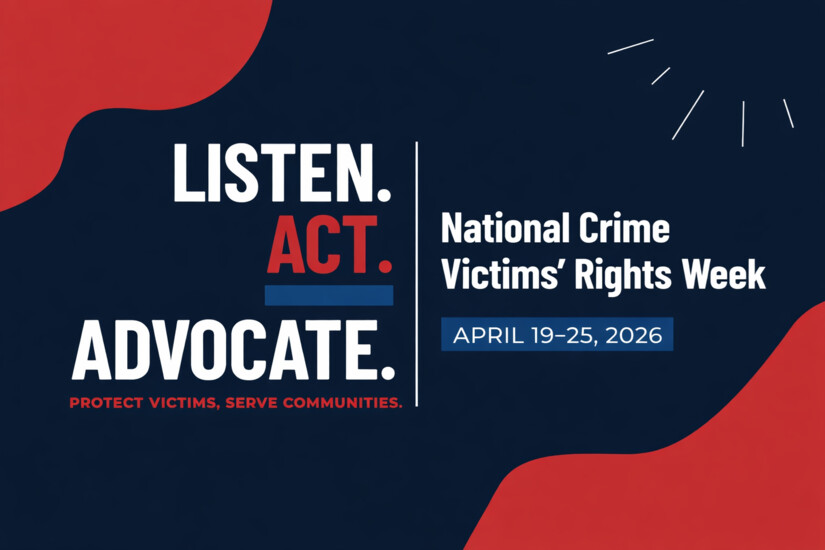
NCVRW is led annually by the Office for Victims of Crime, part of the U.S. Department of Justice. The 2026 theme, “Listen. Act. Advocate. Protect victims, serve communities,” focused on strengthening community responses and ensuring victims feel safe accessing services.
Federal officials identify public education as a central component of victim support, noting that misinformation about victim behavior and crime dynamics can directly affect reporting rates and access to assistance.
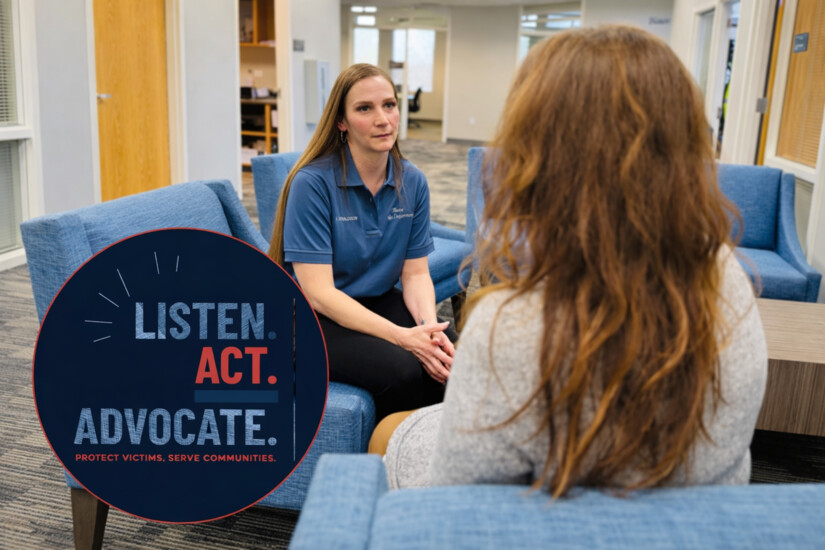
Law enforcement agencies and federal data sources, including the Bureau of Justice Statistics, have identified several widespread misconceptions about victimization that conflict with established research.
Delayed reporting and trauma response
Research in trauma science shows that victims may not immediately report a crime due to fear, confusion, or physiological responses such as tonic immobility, commonly referred to as a “freeze” response. Federal guidance indicates that delayed reporting is common and does not reflect the validity of a victim’s experience.
Relationship to the offender
National crime data consistently shows that a significant proportion of violent crimes are committed by individuals known to the victim, including family members, acquaintances, or intimate partners. Officials note this dynamic can complicate reporting and contribute to underreporting.
Variation in victim behavior
Victim responses to trauma vary widely. According to victim advocacy guidance used by federal and state agencies, individuals may present as distressed, calm, detached, or unable to recall events in a linear manner. Authorities emphasize that behavioral differences are not indicators of credibility.
Lack of physical resistance
Justice Department guidance defines consent as voluntary and free from coercion or threat. Experts note that not resisting during an assault may reflect a survival response rather than consent, particularly in situations involving fear or perceived danger.
False reporting rates
Available research from the Department of Justice indicates that false reporting rates for violent crimes, including sexual assault, are low and comparable to other felony offenses. Officials caution that misconceptions about false reporting can discourage victims from coming forward.
Authorities and advocacy organizations state that misinformation about victimization can contribute to stigma, reduce reporting, and limit access to services. Addressing these misconceptions is viewed as a key factor in improving public safety outcomes and ensuring victims receive appropriate support.
The Office for Victims of Crime has identified community awareness and education as critical to strengthening trust between victims and institutions.
The Blaine Police Department participated in NCVRW through public outreach and educational messaging aimed at increasing awareness within the community.
Officials emphasized that while the national observance has concluded, victim support efforts continue year-round through law enforcement agencies, victim services coordinators, and community-based advocacy organizations.
Resources, including information on victims’ rights and available services, can be accessed through the Office for Victims of Crime and local support networks.
Authorities encourage community members to remain informed, challenge misinformation, and support victims by promoting understanding and access to services.
MinneapoliMedia | Community. Culture. Civic Life.



Patchy rain nearby, with a high of 91 and low of 68 degrees. Sunny in the morning, clear overnight.