49° and Clear
Image
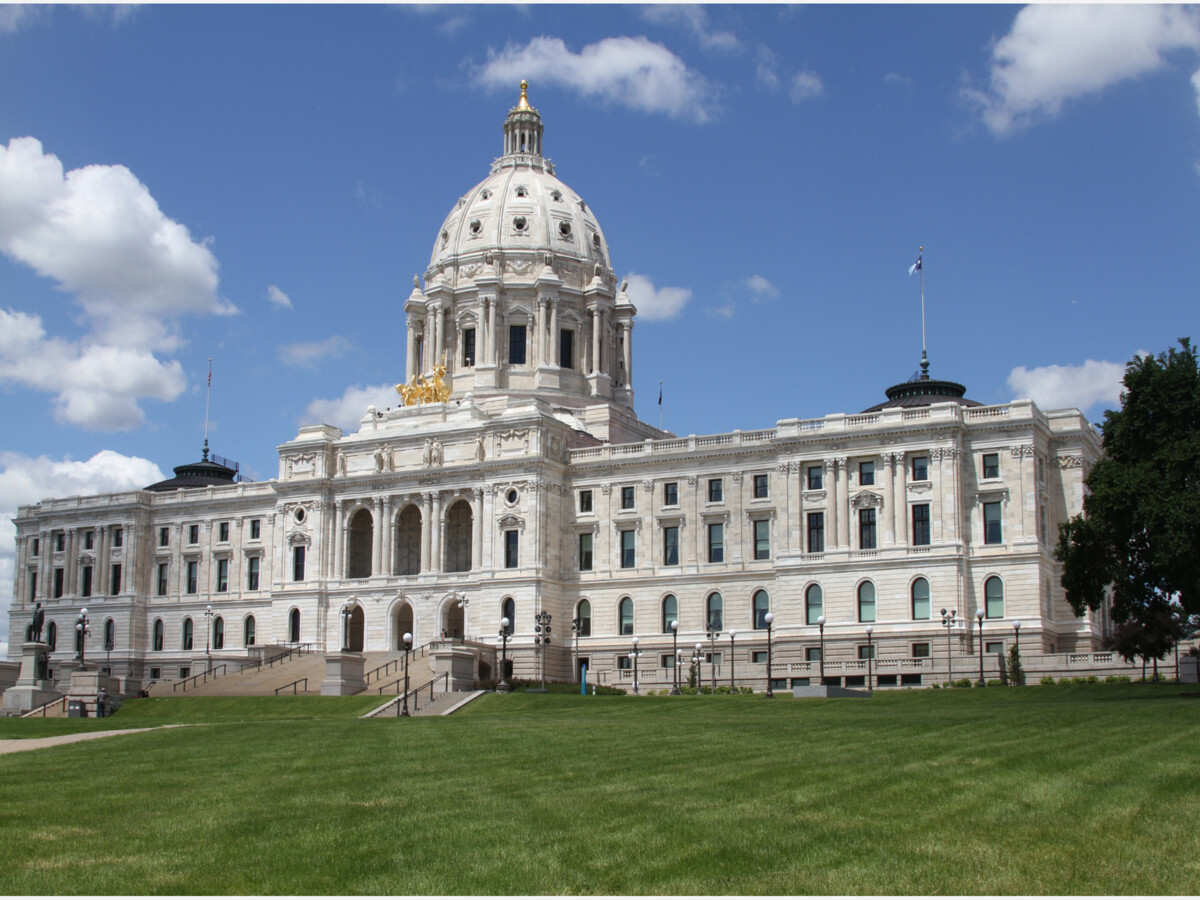



The bill, House File 1606, is authored by Jess Hanson and passed the chamber on a 132-1 vote, reflecting broad bipartisan support. The measure now moves to the Minnesota Senate for further consideration.
HF 1606 targets what lawmakers describe as “nudification” technology, defined as software or online tools that use artificial intelligence to alter images or videos to depict individuals in explicit or nude contexts without their consent.
Under the bill:
Supporters say the intent is to address a gap in current law by targeting the mechanisms used to create harmful content, rather than focusing solely on distribution after the fact.
The legislation establishes a civil enforcement pathway for victims. Individuals affected by nonconsensual AI-generated imagery would be able to pursue legal action against those who create, use, or promote such tools.
The bill outlines potential civil penalties that could reach up to $500,000, depending on the nature and scale of the violation.
The measure passed with near-unanimous support, but debate on the House floor highlighted differing approaches to regulating emerging technology.
Representative Hanson said the legislation is designed to address the “root” of the issue by limiting access to tools that enable rapid creation of abusive content. Lawmakers supporting the bill cited increasing reports of individuals, including minors, being targeted through AI-generated explicit imagery created without consent.
The lone dissenting vote came from Drew Roach, who raised concerns about the bill’s scope and enforcement. Roach argued that focusing on software platforms may not fully prevent misuse, particularly by individuals with the technical ability to create similar content without dedicated applications.
He also pointed to potential gaps that could limit the law’s effectiveness if not addressed in future revisions.
The legislation follows testimony from individuals who reported harm caused by AI-generated explicit images derived from otherwise non-explicit photos. Lawmakers said such incidents have raised concerns about privacy, reputational damage, and long-term personal impact.
Advocates have described the issue as a form of digital exploitation that existing laws do not fully address, particularly given the speed and accessibility of AI-based image manipulation tools.
As the bill advances, lawmakers are expected to continue evaluating several issues tied to enforcement and scope:
Similar legislative efforts are underway in multiple states as policymakers respond to rapid advancements in generative AI.
HF 1606 now moves to the Minnesota Senate, where it may be amended before a final vote. If enacted, the legislation would position Minnesota among states taking action to regulate nonconsensual AI-generated imagery.
Lawmakers have indicated that additional measures may be required in future sessions as technology continues to evolve and new forms of digital abuse emerge.
MinneapoliMedia | Community. Culture. Civic Life.


Overcast, with a high of 65 and low of 48 degrees. Overcast in the morning, clear during the afternoon and evening, overcast overnight.