Image
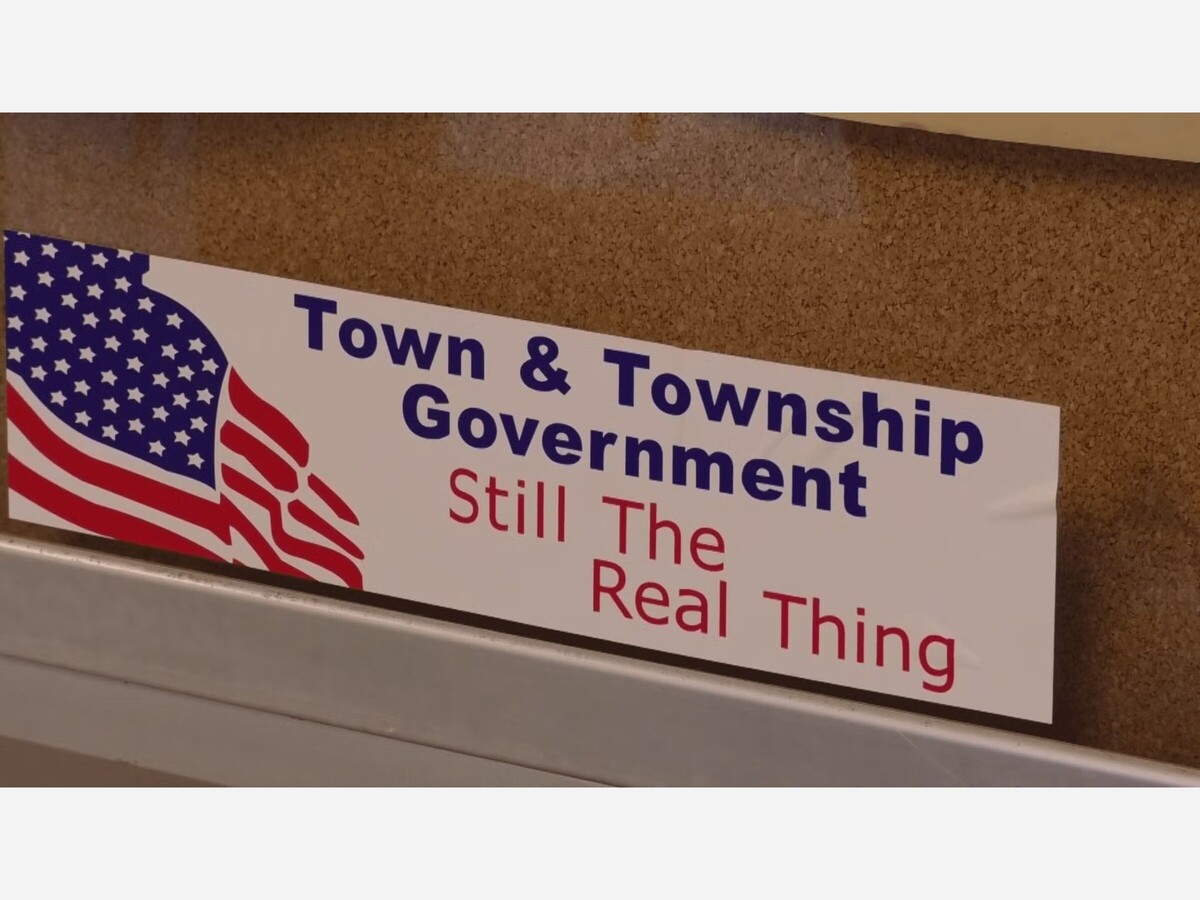



This year, on Tuesday, March 10, 2026, residents across Minnesota’s approximately 1,776 townships assembled for their Annual Township Day meetings, a tradition rooted in the state’s early settlement and codified in Minnesota law. Under state statute, townships must hold their annual meeting on the second Tuesday in March, giving residents a direct role in governing the communities where they live.
For many Minnesotans who reside outside city limits, the day represents something increasingly rare in modern governance: a system where citizens themselves serve as the legislative body.
Minnesota’s township system dates back to the nineteenth century, when settlers adopted a local governance structure based on the township grid system created under the Land Ordinance of 1785, which divided land into six-mile by six-mile squares. That framework still shapes rural governance today.
Townships remain responsible for essential local services such as road maintenance, land use oversight, and certain emergency services. According to the Minnesota Association of Townships, roughly 16 percent of the state’s population, nearly one million residents, live within township jurisdictions.
State law requires townships to hold an annual meeting where residents gather to conduct official business, review finances, and determine policy priorities for the year ahead.
Unlike cities and counties, where budgets and policies are determined by elected councils or boards, township government retains a distinctly participatory structure.
At the annual meeting, residents vote directly on the township’s annual property tax levy, determining how much funding will be collected to support local operations.
Those funds typically support services such as:
• road maintenance and snow removal
• fire protection and emergency response agreements
• township administration and infrastructure improvements
• equipment purchases such as graders, trucks, or snowplows
Discussions during the meetings often extend beyond budgets. Residents frequently debate issues that are deeply local in nature: zoning questions, development proposals, road conditions, drainage concerns, and the long-term future of township land use.
In this format, every resident present has the opportunity to speak before votes are taken, preserving a style of civic deliberation that resembles the New England town meeting tradition.
Township Day also serves as an election day for many local offices.
Residents vote for key township officials including:
• Township supervisors
• Town clerks
• Town treasurers
Polling hours typically run during the early evening, often between 5:00 p.m. and 8:00 p.m., with the annual township meeting convening immediately afterward.
While many township races are uncontested, several communities saw competitive outcomes this year.
In Rice County, two township races ended in exact ties. Both Bridgewater Township’s Supervisor Seat C and the Wells Township supervisor race resulted in deadlocked vote totals. Under Minnesota election law, ties in township races are resolved “by lot,” a random drawing conducted to determine the winner.
In Bridgewater Township, the drawing followed a 76–76 tie, with Frances Boehning ultimately declared the winner.
Elsewhere in Rice County, voters in Morristown Township approved a measure, with roughly 84 percent support, to shift future township elections from March to November, aligning them with state and federal election cycles.
In Erin Township, residents considered a proposal that would have converted the clerk and treasurer positions from elected offices to appointed roles. Voters rejected the change by a margin of more than two to one, reaffirming the township’s preference for direct electoral accountability.
For residents accustomed to federal politics and statewide debates, Township Day can feel strikingly intimate.
The decisions made during these meetings often concern matters measured not in billions of dollars but in culverts, gravel roads, snowplow routes, and fire response agreements with neighboring municipalities.
Yet the impact is tangible. Township governments collectively maintain tens of thousands of miles of local roads across Minnesota, forming a crucial layer of infrastructure that connects farms, rural homes, and small communities.
The annual meeting allows residents to review financial statements, approve the coming year’s levy, and decide whether to invest in equipment, infrastructure, or new initiatives.
In many townships, residents also hear reports from township officials outlining the past year’s work and emerging priorities for the next.
While the township system predates Minnesota statehood, it continues to function as a foundational layer of local governance. Civic organizations and township associations regularly encourage residents to attend the annual meetings, noting that Township Day provides one of the most direct opportunities for citizens to shape public policy.
In an era when political participation often takes place through digital platforms or distant institutions, Township Day remains resolutely analog: neighbors gathering in a room, discussing the future of their community, and casting votes that immediately determine how their township will operate.
It is a model that traces its roots to early American democratic ideals and continues, each March, in the town halls and community buildings scattered across Minnesota’s rural landscape.
For thousands of residents, Township Day is more than a meeting. It is a reminder that democracy, at its most local level, still depends on people showing up.
MinneapoliMedia
Community. Culture. Civic Life.



Sunny, with a high of 61 and low of 40 degrees. Sunny during the morning, clear overnight.