66° and Overcast
Image



There are days when leadership announces itself loudly.
And then there are days like this.
A Minnesota winter. The kind that quiets streets and keeps people inside longer than they would like. But this time, it is not the cold doing the keeping.
It is fear.
Phones are quieter than usual, but not silent. Messages still come through. Requests for help. Families needing food. Rent that cannot wait. Names passed from one person to another, quietly, carefully.
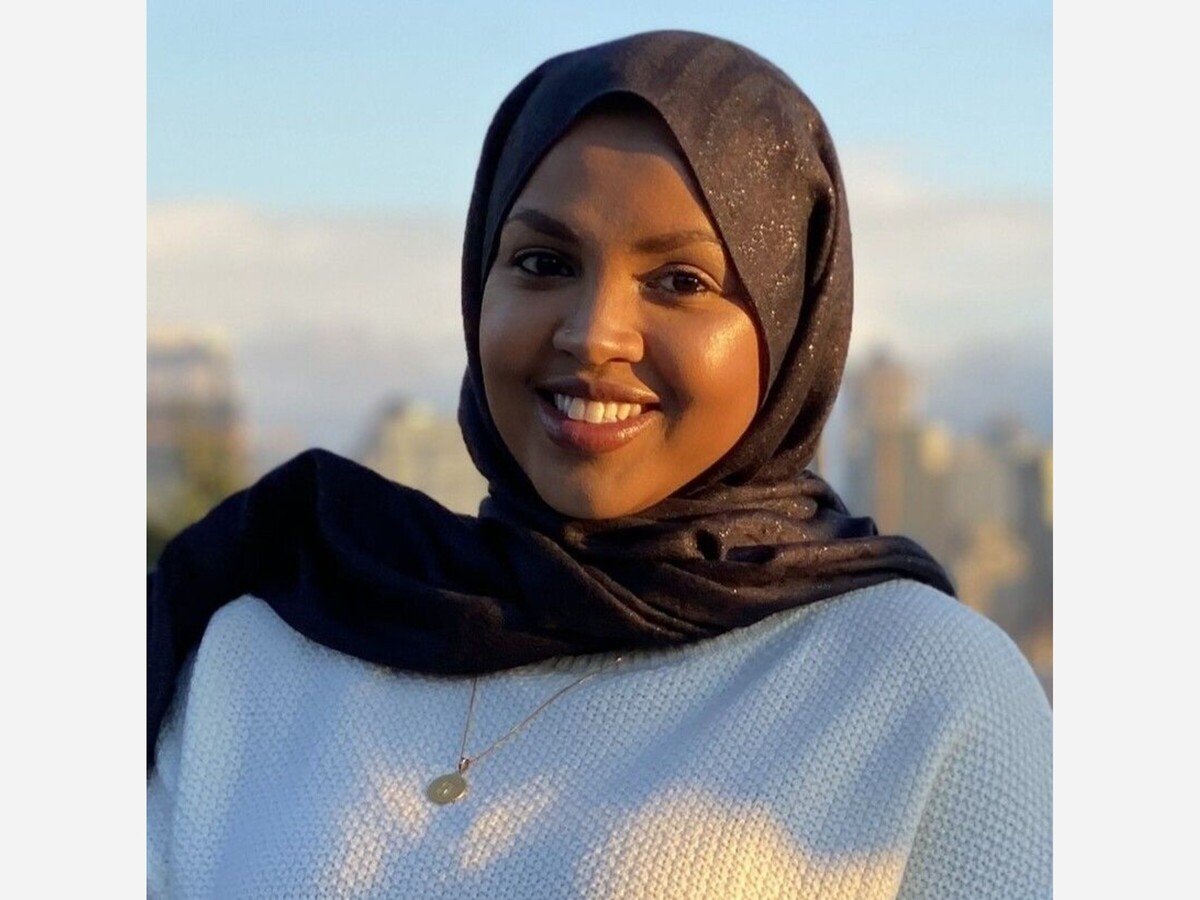
In the middle of it, Nasrieen Habib is working.
Not posting. Not performing. Working.
“I’m staying busy,” she tells me. “That’s how I’m holding up.”
You hear it, and at first, it sounds simple.
It is not.
Staying busy, for her, is not avoidance. It is commitment. It is the refusal to disappear when people need someone to show up.
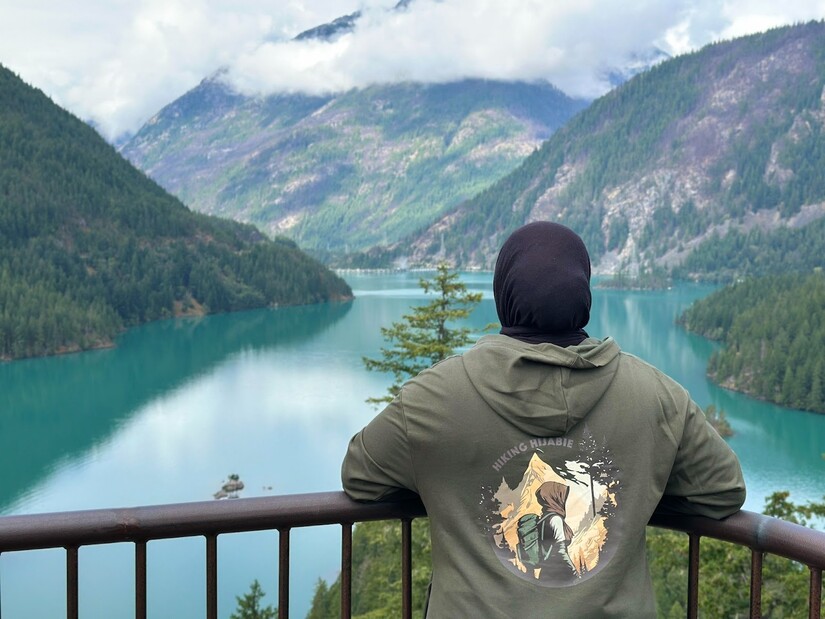
Before the name. Before the recognition. Before people from other states began reaching out asking how to build what she built.
There was a question.
A quiet one.
One she carried alone.
“I wanted to be outside,” she says. “But I didn’t feel like I belonged.”
Minnesota prides itself on its outdoors. Trails, lakes, parks, open skies. The language is always the same. Accessible. Shared. For everyone.
But standing inside that story, Nasrieen could see the gap between what was said and what was lived.
The images told one story.
Her reality told another.
“I would see women outside, free, with their kids, with their friends,” she says. “And I wanted that. But I was always thinking… what if something happens to me?”
She is not speaking in hypotheticals.
She is speaking as a Muslim woman, visibly so, navigating spaces where visibility can carry risk.
That tension does something to you.
It shrinks possibility.
It makes something as simple as a walk feel complicated.
And eventually, it forces a decision.
Wait.
Or build.
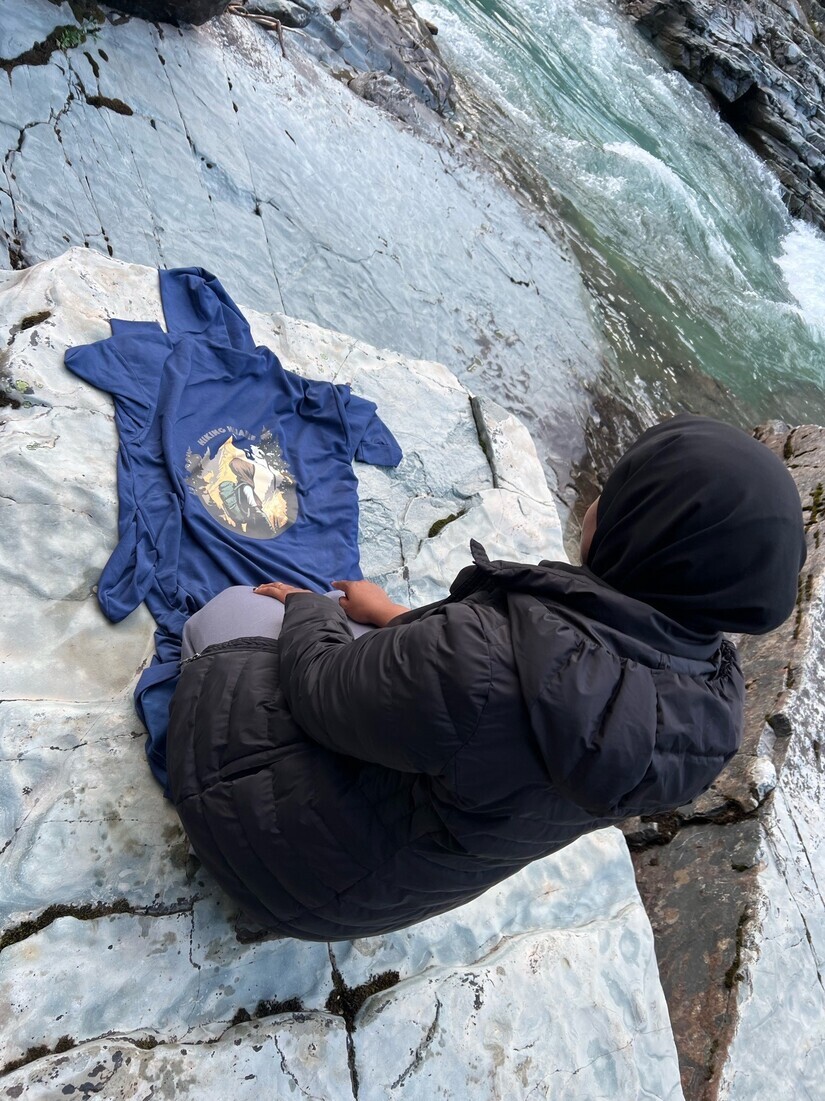
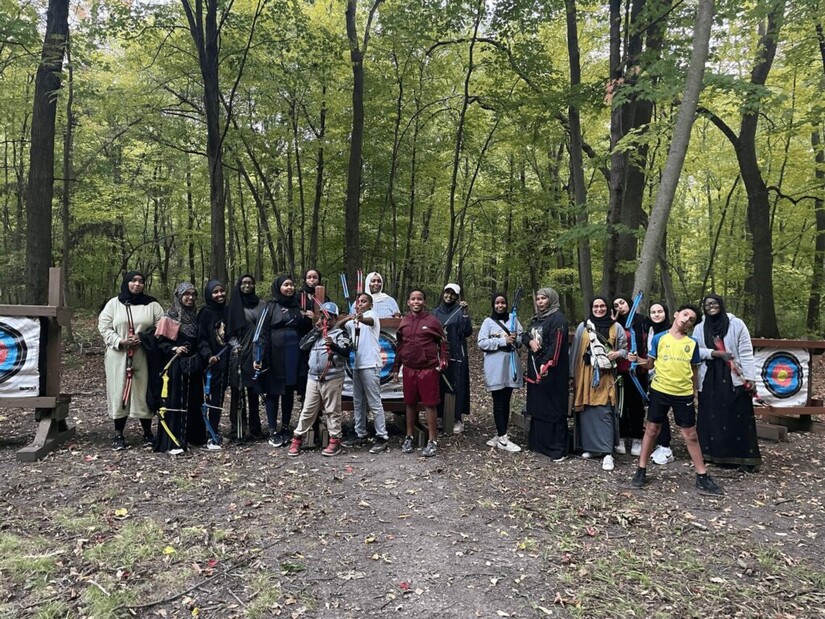
Hiking Hijabie did not begin as an organization.
It began as a response.
A few women. A shared understanding. A willingness to step outside together instead of alone.
What happened next was not planned.
Because what Nasrieen uncovered was not just a desire to hike.
It was a need to belong.
“You bring women together like that,” she says, “we’re going to talk. About everything. Our lives, our families, our struggles, our faith.”
The trail became something else.
A space where women could exhale.
A place where no one had to explain why they were there.
And once that space existed, it became clear it could not stay limited to the outdoors.
“We realized it wasn’t just about hiking,” she says. “It was about community.”
So they built more.
Gatherings. Co-working. Spaces to sit, to talk, to be.
What began as movement became infrastructure.
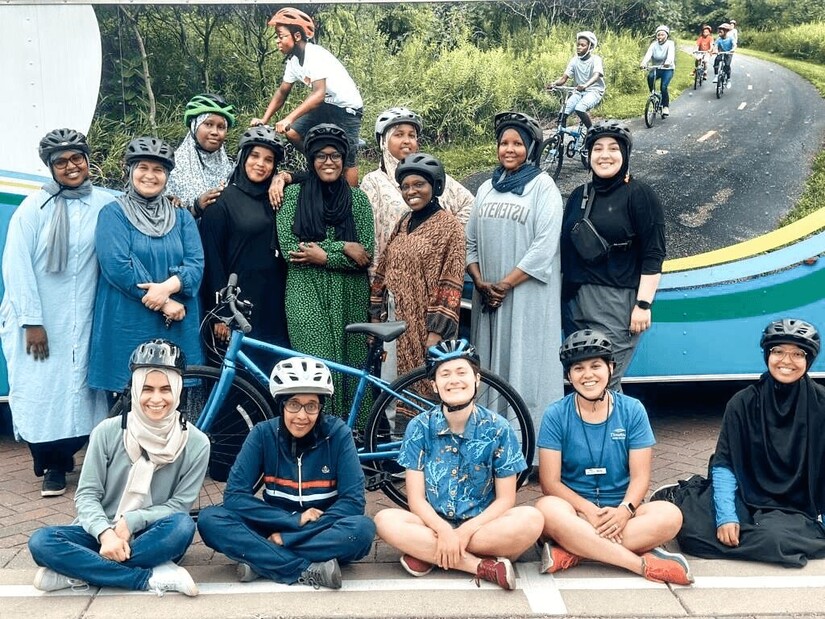
Growth brought visibility.
Visibility brought invitations.
Parks. Organizations. Institutions that had long operated without asking who was missing.
Nasrieen did not enter those rooms quietly.
She asked the questions others often avoid.
“Why don’t I see people like me here?”
“Why doesn’t your leadership reflect the community you serve?”
“How are you saying you want diversity when everything about your system says otherwise?”
The answers, she found, often stopped at intention.
“There’s a lot of lip service,” she says.
She has seen the pattern.
Campaigns that highlight diversity without changing structure.
Events that invite participation without removing barriers.
Systems that speak inclusion while maintaining exclusion.
“You can’t build belonging on top of barriers,” she says. “It doesn’t work like that.”
And so she learned to read the difference.
Who is serious.
And who is not.
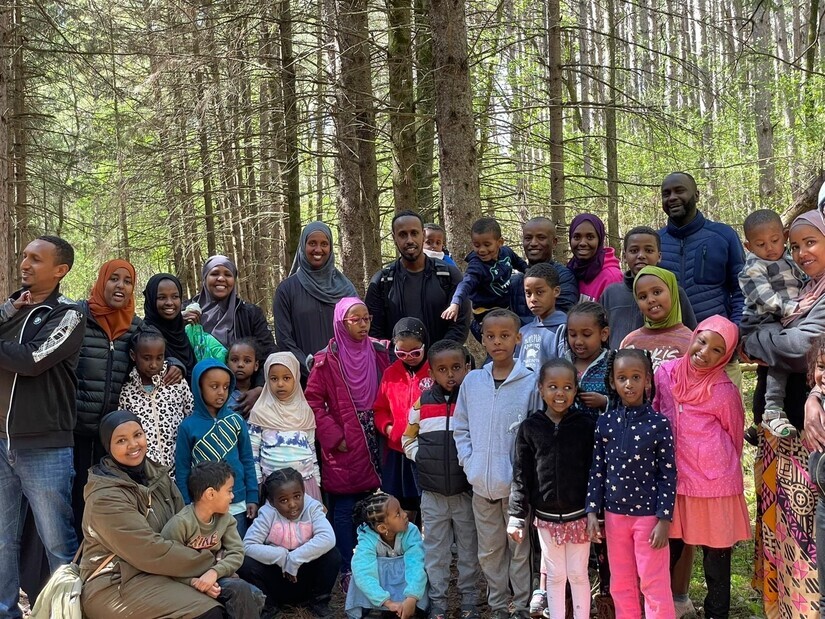
Ask her what kind of leader she is, and she will not give you language from a book.
She will give you an image.
“I’m always the last one on the trail.”
It is not symbolic.
It is practice.
She walks behind everyone. Watching. Making sure no one is left behind. No one unseen. No one forgotten.
If something happens, she is the one who responds.
If someone struggles, she is the one who stays.
This is how she understands leadership.
Not as position.
As responsibility.
The word she uses is amanah.
Trust.
A trust given. A trust carried. A trust that must be honored.
“It’s heavy,” she says. “You’re responsible for what’s in your care.”
That care extends beyond people.
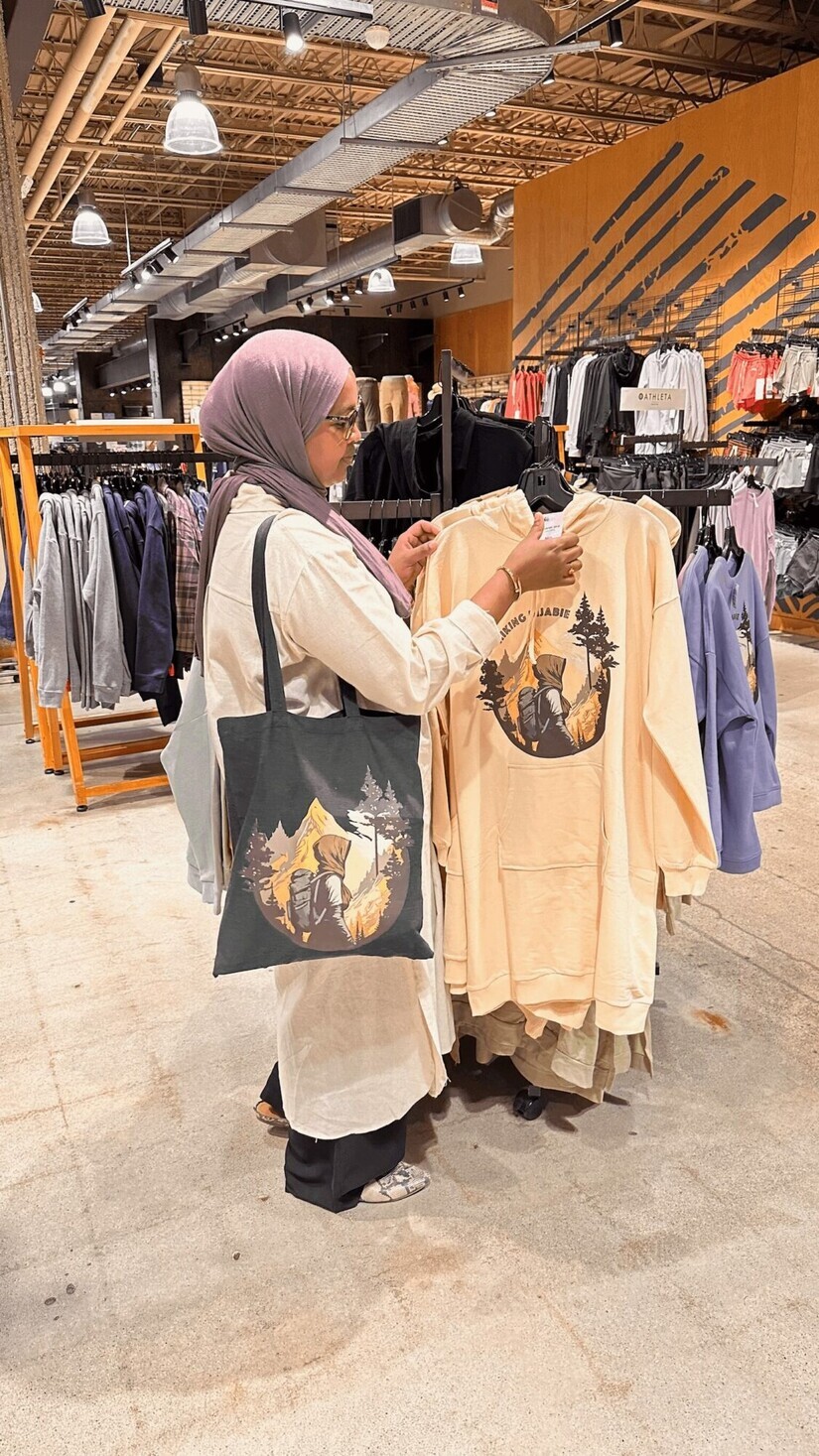
Through EcoJariyah, she has built a model that refuses separation between belief and action. Clothing that is ethically made. Environmental impact considered. Proceeds directed toward communities affected by the very issues the work addresses.
It is not branding.
It is alignment between what you say and how you live.
There is a version of this story that could focus only on growth.
That would be incomplete.
Because there are days that do not show up in photos.
“There are times I’ve cried,” she says.
Moments of exhaustion. Of frustration. Of questioning.
The kind of moments that come when you are carrying more than people see.
What brings her back is not recognition.
It is intention.
“I have to check myself,” she says. “Why am I doing this?”
If the answer is people, the work becomes unstable.
People change. Opinions shift. Praise fades.
But if the answer is God, the foundation holds.
“If I’m doing it for Him,” she says, “then it doesn’t matter what anyone says.”
It is that clarity that allows her to continue.
Not perfectly.
But consistently.
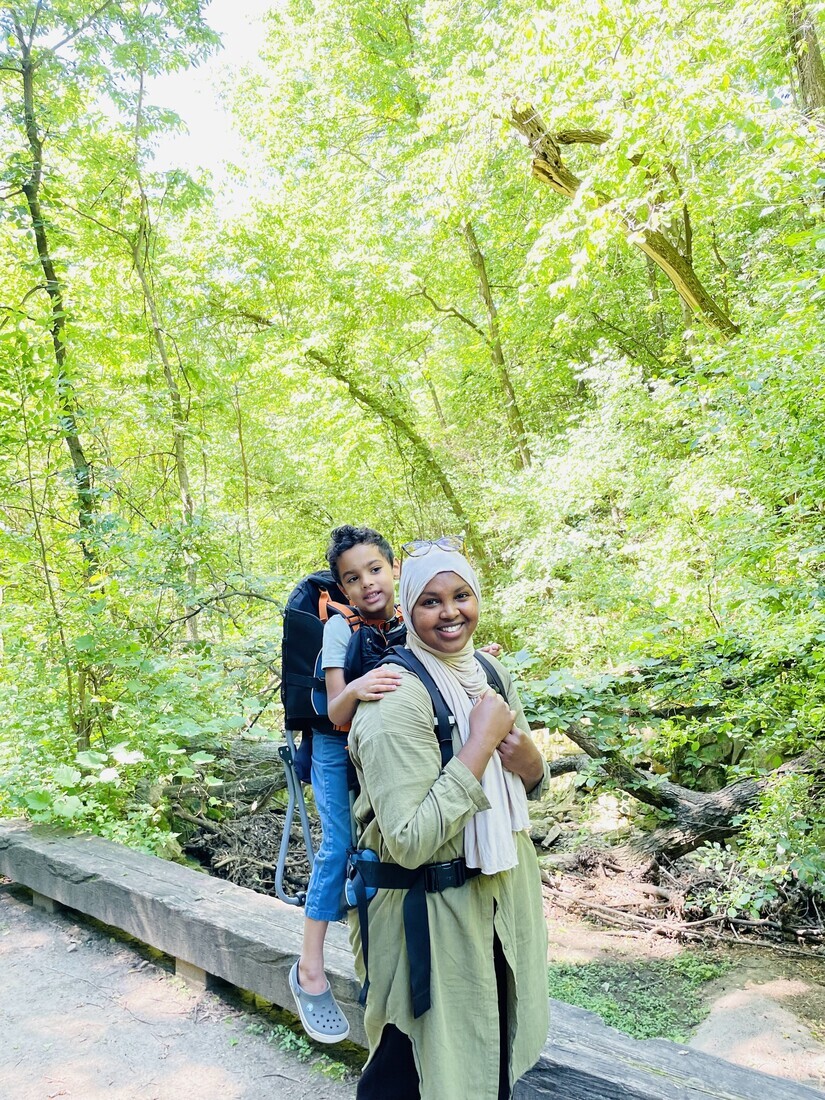
You do not always see transformation in big moments.
Sometimes, it looks like something small.
A woman who shows up hesitant, and leaves different.
A conversation that continues after the hike is over.
A shift in how someone moves through the world.
“I see it all the time,” she says.
And each time, it reinforces something she already knows.
This work is not extra.
It is necessary.
Women from other states have reached out. From other countries. Asking how to recreate what she has built.
Because what she created is not limited to Minnesota.
It speaks to something broader.
The need to feel safe.
The need to belong.
The need to be seen.
When I ask her about legacy, she does not pause long.
Not because the question is easy.
Because the answer is clear.
“If something I say changes how someone lives,” she says, “that’s enough.”
Not recognition.
Not visibility.
Change.
A woman who feels safe outside.
A person who begins to care differently for the environment.
A community that starts to build instead of wait.
These are not small outcomes.
They are the beginning of something that lasts.
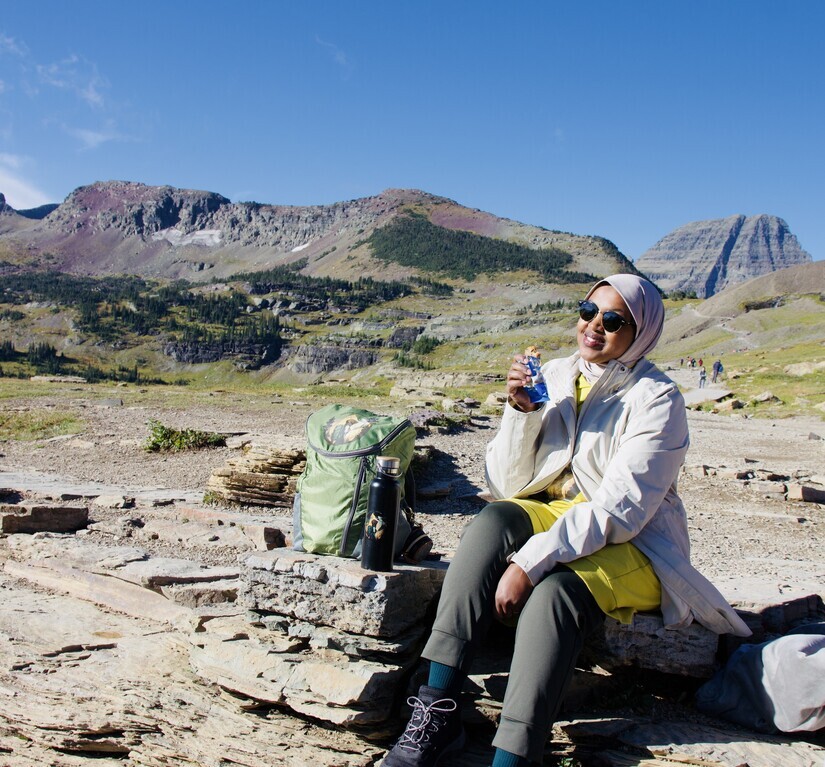
As we finish, nothing has slowed.
There are still people to reach. Still needs to meet. Still work to do.
The fear many are feeling has not disappeared.
But neither has she.
“I can’t stay home,” she says. “People depend on me.”
There is no emphasis in her voice.
No attempt to make the moment larger than it is.
Just the truth.
Nasrieen Habib did not wait to be included.
She built something instead.
And in doing so, she did more than create access.
She created a way forward.
MinneapoliMedia
Community. Culture. Civic Life.



Patchy rain nearby, with a high of 66 and low of 53 degrees. Overcast in the morning, partly cloudy in the afternoon, clear in the evening, patchy rain nearby overnight.