66° and Overcast
Image
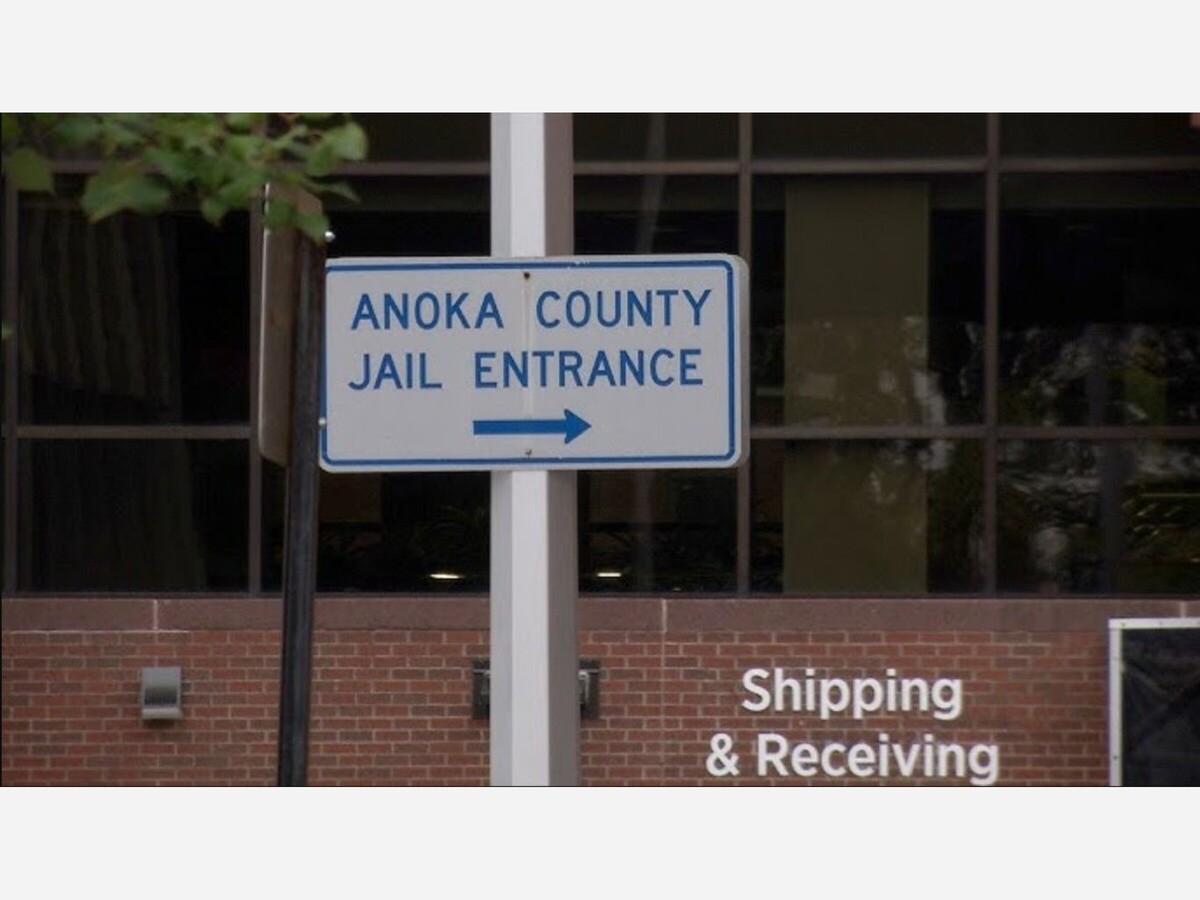
Entrance to Anoka County Jail



The approved resolution clears the way for the county to take control of the portion of Van Buren Street between Third Avenue and Fourth Avenue, a corridor the county says is no longer optional, but essential.
County officials have stated plainly that without that stretch of roadway, the project cannot move forward in a way that meets modern correctional standards.
At the center of the decision is a jail system that county leaders say has outgrown its design and purpose.
The existing Anoka County Jail, originally constructed in the early 1980s and expanded incrementally over time, now faces structural, operational, and capacity challenges that officials describe as increasingly difficult to manage. Internal reports and planning documents have pointed to limitations in inmate housing, movement, and supervision, as well as aging infrastructure that no longer aligns with Minnesota Department of Corrections expectations.
The proposed replacement facility is designed to address those gaps in full, not through piecemeal upgrades, but through a comprehensive rebuild.
That requires space the current site, as it exists today, does not provide.

Van Buren Street sits directly between parcels already owned by Anoka County. In practical terms, it divides land the county needs to unify.
By incorporating that segment into the project footprint, planners can design a facility that functions as a single, integrated campus rather than a constrained structure built around an active public roadway.
County officials say this is critical for several reasons:
A larger footprint allows for expanded capacity in response to population growth and system demand
A unified layout improves the safe and secure movement of individuals within the facility
Modern design standards require clear separation between operational zones, something difficult to achieve with a roadway bisecting the site
Operational efficiency, including booking, transport, and staff movement, depends on a cohesive layout
In short, the street is not just in the way. It defines whether the project can meet the standards it is being built to satisfy.
The decision to move forward with acquisition reflects more than planning. It reflects a breakdown.
For months, and in reality years, Anoka County and the City of Anoka have been unable to reach agreement on the future of the site, including the proposed closure or transfer of Van Buren Street.
City officials have raised concerns about the project’s scale, its impact on downtown, and the precedent of removing a public roadway. The county, in turn, has maintained that the jail must remain in the county seat and that the current location is the only viable site for redevelopment.
With negotiations stalled, the county is now preparing to proceed through Minnesota’s eminent domain process, including the use of a “quick take” mechanism that allows possession of property while compensation is still being determined.
The shift from negotiation to legal action marks a turning point in the relationship between the two governments.
The jail project is not a routine capital improvement. It is one of the largest infrastructure undertakings currently facing Anoka County.
Planning documents have outlined a modern correctional facility designed to significantly expand capacity, improve safety conditions for staff and inmates, and align operations with contemporary standards across Minnesota.
The scale of the project reflects both current demand and long-term projections for the county’s criminal justice system.
State law requiring county jails to be located in the county seat further anchors the project in downtown Anoka, intensifying the stakes of the current dispute.
With the resolution adopted, the county’s next steps will move into the legal arena, where acquisition of Van Buren Street will be pursued through formal proceedings.
The timeline for construction now depends not only on planning and financing, but on how quickly those legal questions are resolved.
What is clear is this:
The debate over the Anoka County Jail is no longer theoretical. It is now a matter of land, authority, and the future shape of a county seat.
And with the acquisition of Van Buren Street, that future is beginning to take form.
MinneapoliMedia
Community. Culture. Civic Life.



Patchy rain nearby, with a high of 66 and low of 53 degrees. Overcast in the morning, partly cloudy in the afternoon, clear in the evening, patchy rain nearby overnight.