72° and Sunny
Image
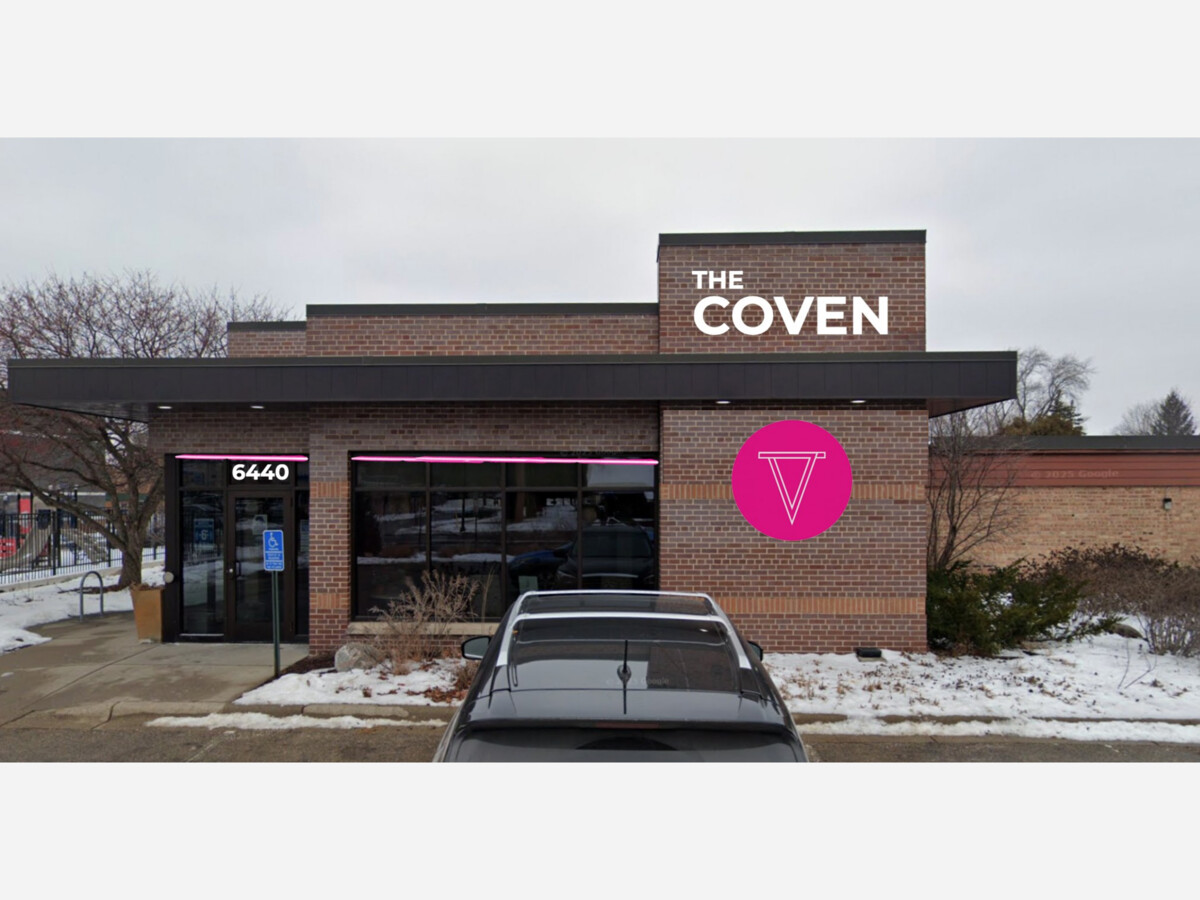
Entrance to The Coven, Richfield. Courtesy of The Coven



On a clear winter morning in Minnesota, sunlight has a way of changing how a place feels.
It does not erase the cold. It does not soften the wind. But it reveals something else. Movement. People stepping out earlier than they might have the day before. Doors opening. Small routines resuming. A quiet signal that life, even in difficult conditions, continues forward.
It is in that kind of environment, where resilience is not abstract but lived, that spaces like The Coven begin to make sense.
Because The Coven was never built only for moments of ease.
It was built for the in-between. For the days when people are carrying uncertainty. For the stretch between stability and risk. For the quiet tension of trying to build something while the ground beneath you is still shifting.
There are businesses that emerge because a market exists.
And then there are businesses that emerge because the existing market has failed to account for entire groups of people.
The Coven belongs to the latter.
Its expansion into Richfield is not simply geographic growth. It is a deliberate placement. A decision about where this model belongs and who it is meant to serve. It is also a signal, whether intended or not, about where Minnesota’s future economic life may be headed, and who is insisting on being part of shaping it.
For years, Minnesota has ranked among the most livable states in the country. Strong schools. Stable industries. High civic engagement. Those metrics are real. But they tell only part of the story.
Beneath those rankings sits another reality.
Minnesota consistently reports some of the widest racial disparities in income, homeownership, and business ownership in the United States. Women, and particularly women of color, remain significantly underrepresented in capital access and commercial real estate ownership. Small businesses, often celebrated rhetorically, continue to operate with fragile margins, limited access to flexible capital, and exposure to economic shocks that larger institutions are better insulated against.
These are not gaps that appeared by accident. They are the result of systems that have, over time, distributed opportunity unevenly.
The Coven enters that reality not as commentary, but as response.
For this inaugural episode of Builders of Minnesota, MinneapoliMedia conducted two conversations. The first with Alex West Steinman, co-founder of The Coven, whose work helped define the organization’s founding philosophy. The second with the Richfield community owners, Lori Godding, Nadia Siddiqui, and Breanne Kennedy, who are not only operating the space, but have taken on the deeper work of ownership, including control of the physical property itself.
Together, their perspectives form something more complete than a business story.
They form a blueprint.
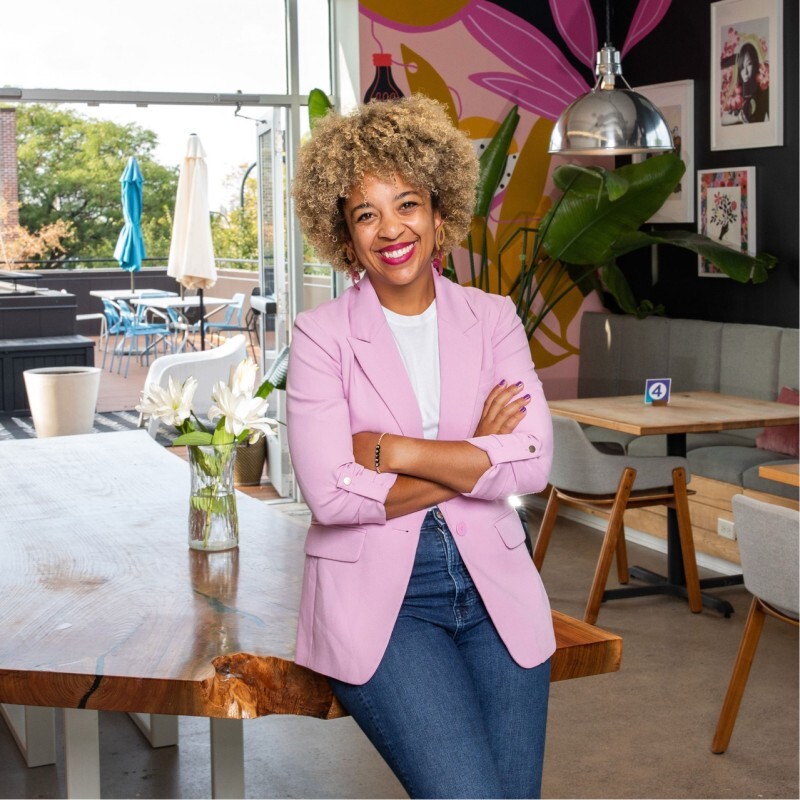 Alex West Steinman, co-founder of The Coven. Courtesy of The Coven.
Tom Akaolisa: Alex, I want to begin at the origin. Before The Coven existed as a concept, before it had a name, what were you experiencing that told you something was fundamentally missing?
Alex West Steinman: It started with a feeling that something wasn’t working, even if it wasn’t always named directly.
We were in advertising, and on the surface, it’s an industry that talks a lot about creativity, innovation, and forward thinking. But when you looked at who was actually moving into leadership, who was being supported in long-term growth, who could fully bring their lives into their work, it told a different story.
There were ceilings that weren’t always acknowledged, but they were there.
Women could move into management, but beyond that, the path became narrower. Having children was treated as a complication rather than a reality to be accommodated. There were expectations about how you should show up, how much of yourself you should leave at the door.
And over time, you realize it’s not just one industry. It’s a pattern.
So the question shifted. Instead of asking how to succeed within that system, we started asking what it would look like to build something different.
Not a space where people had to adapt themselves to fit in. A space that was designed with them in mind from the beginning.
Tom Akaolisa: When you say “different,” what did that mean in concrete terms?
Alex West Steinman: It meant starting with belonging, not adding it later.
It meant designing a space where people could show up fully and not feel like they had to perform a version of themselves to be taken seriously.
That includes very practical things. Space for nursing and pumping. Thoughtful design that reflects the community. Hospitality that is real, not performative. A culture where people feel cared for, not just accommodated.
But it also means something deeper. It means recognizing that when people feel like they belong, they are able to focus on building. They’re not spending energy trying to navigate whether they’re accepted.
That changes what becomes possible.
Tom Akaolisa: You left stability to build this. What did that decision actually cost you?
Alex West Steinman: Stability is a powerful thing to walk away from.
We left our jobs. We relied on side work to pay our bills. We invested time and energy into something that did not have immediate financial return. And there’s no way to do that without feeling the pressure of it.
It affects your finances. It affects your mental health. It affects your relationships.
There are moments where you ask yourself if you’ve made the right decision, because the outcome isn’t guaranteed.
But then you start to see what’s happening inside the space.
People meeting and starting businesses together. People finding clients. People changing their economic trajectory because they’re in an environment where connection is possible.
And that’s when it becomes clear that the risk is producing something real.
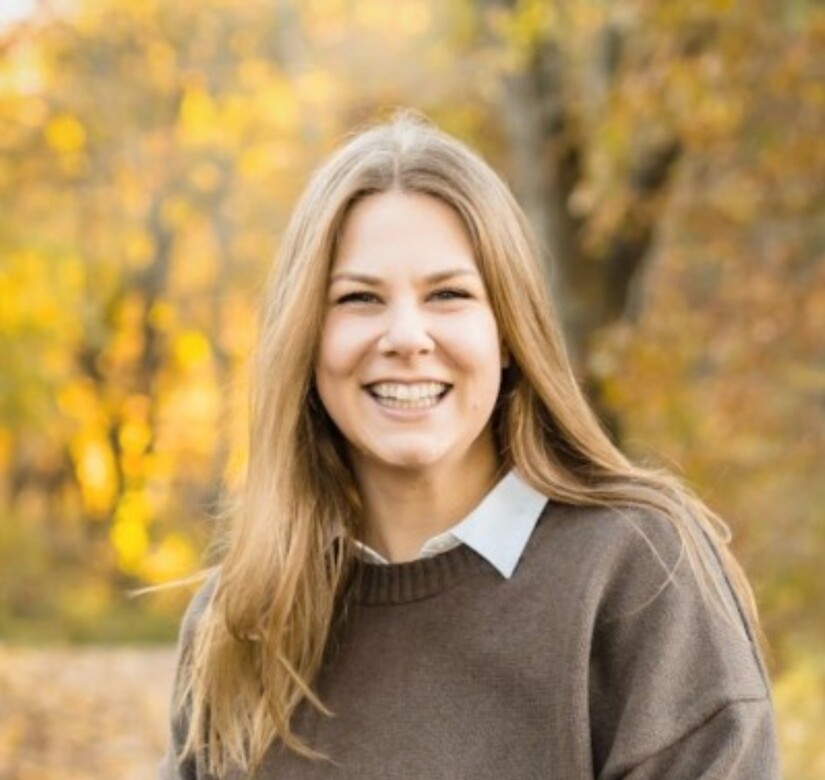 Lori Godding, co-founder of The Coven Richfield. Courtesy of The Coven.
If The Coven’s founding was about rethinking space, its expansion into Richfield introduces another layer: ownership.
Not symbolic ownership. Not participation without control.
Actual ownership of the physical building.
That decision alone places the Richfield project within a different category of economic activity.
Tom Akaolisa: Nadia, you mentioned earlier that you and Breanne own the building. Walk me through what that means in real terms.
Nadia Siddiqui: It means we took on the responsibility that comes with ownership.
We secured financing. We took on debt. We are accountable for the building itself, not just the business operating inside it.
That’s not a small decision.
I grew up in a household where the emphasis was on stability. Having a steady income. Avoiding unnecessary risk. And for good reason. There wasn’t a history of generational wealth. There wasn’t a safety net in the way that exists for some families.
So stepping into ownership, especially at this scale, is a shift.
But it’s also intentional.
Because if we don’t step into ownership, then we remain in systems where we’re always paying into someone else’s asset. And that has long-term implications for who builds wealth and who doesn’t.
Tom Akaolisa: Breanne, your work in economic development gives you a broader view of how resources move. How does this project fit into that understanding?
Breanne Kennedy: One of the things I saw very clearly in government is that resources tend to move in predictable ways.
Large developments receive significant investment. Established developers are considered low-risk because they have a track record. And so funding continues to circulate within the same networks.
That pattern reinforces itself.
What’s often missing is investment in people who haven’t had access to those opportunities. And that absence is also a form of risk, even if it’s not labeled that way.
So when I look at this project, I don’t primarily see risk. I see a redistribution of where investment is going.
And I think that’s necessary.
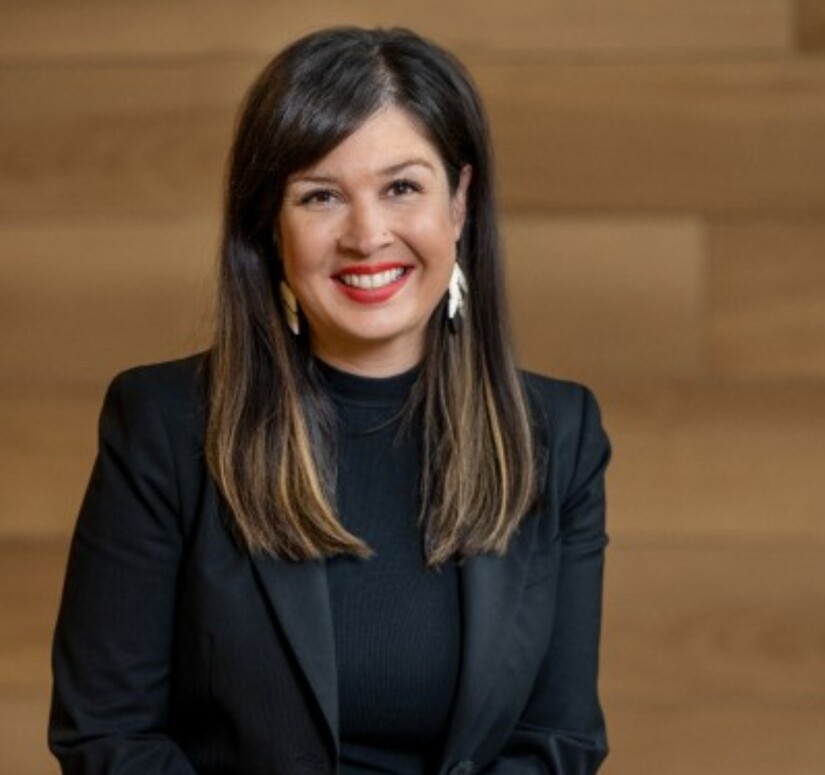 Nadia Siddiqui, co-founder of The Coven Richfield. Courtesy of The Coven.
Richfield is not the largest city in the metro. It does not carry the same national recognition as Minneapolis or Saint Paul. But that is part of its significance.
It sits at an intersection. Geographically, economically, and culturally.
Tom Akaolisa: Lori, when you think about Richfield, what made it the right place for this?
Lori Godding: It feels real.
There’s a strong sense of local identity. You see small businesses. You see cultural diversity. You see people building things that are rooted in the community.
We didn’t want to enter a place where everything already felt standardized. We wanted to be in a place where what we’re building could actually connect to what’s already there.
And Richfield has that.
Nadia Siddiqui: There’s also intention behind it.
We’re surrounded by locally owned businesses. Restaurants, shops, services that are part of people’s daily lives.
We want to be connected to that ecosystem. We want our members to engage with those businesses. To circulate resources locally.
That’s part of how you strengthen a community.
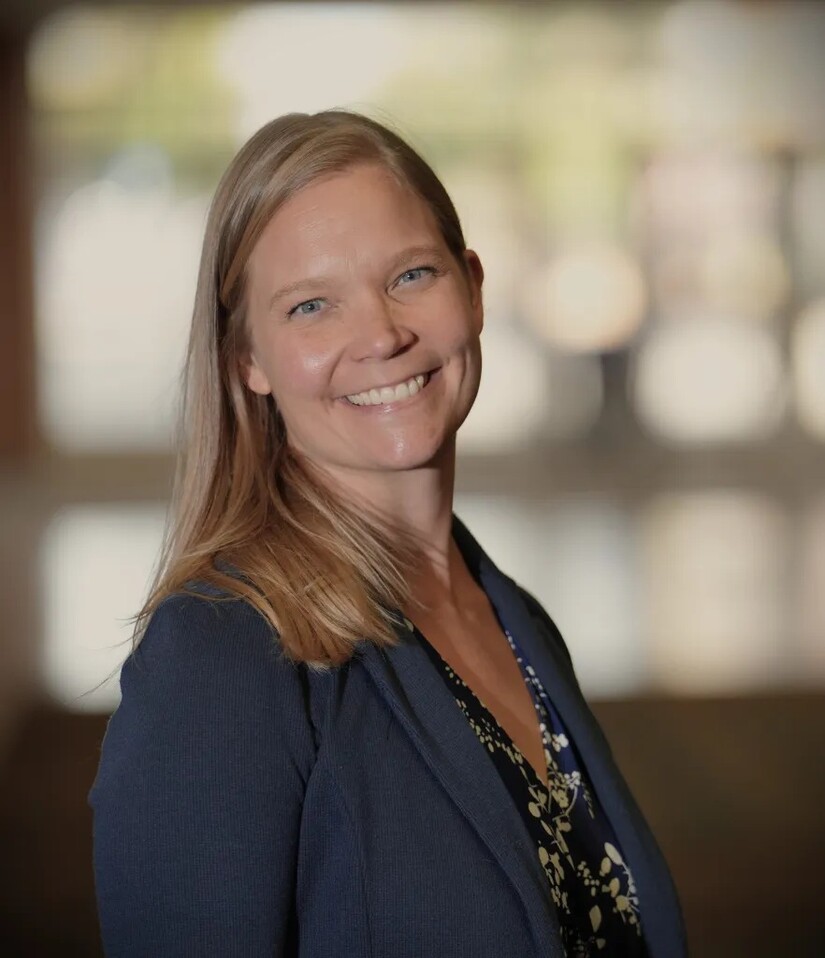 Breanne Kennedy, co-founder of The Coven Richfield. Courtesy of The Coven.
Across Minnesota, like much of the country, the structure of work has shifted.
Remote work expanded rapidly during the pandemic. Traditional office models were disrupted. At the same time, isolation became a more common experience for many workers.
The result is a landscape where flexibility exists, but connection is less guaranteed.
Tom Akaolisa: Breanne, from a market perspective, what gap are you filling?
Breanne Kennedy: The gap is already visible.
People need places to work that are not their homes, but also not long-term office leases.
Right now, you see people trying to create that in coffee shops. In temporary spaces. In environments that aren’t designed for sustained work.
This model meets that need directly.
It’s flexible. It’s localized. And it provides infrastructure without long-term burden.
Nadia Siddiqui: And it provides something else.
People don’t just need space. They need connection.
I’ve walked into coffee shops where every seat is filled with someone working independently. And it’s clear that people are seeking proximity to others, even if they’re not interacting directly.
This creates a space where that connection can actually happen.
Lori Godding: There’s also relief in it.
People don’t have to manage everything themselves. They can show up, do their work, meet clients, build relationships, and not feel like they’re carrying every detail alone.
That changes how people work.
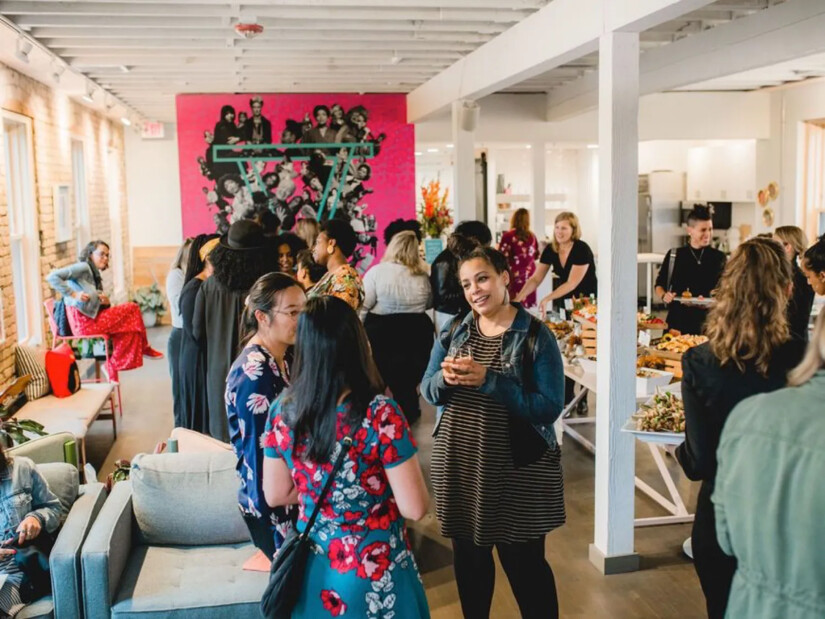 An event inside of The Coven, Minneapolis. Courtesy of The Coven.
There is a tendency to treat spaces like The Coven as optional. As enhancements. As something nice to have.
But listening to the people building it suggests something else.
Tom Akaolisa: Alex, if spaces like this didn’t exist, what would be lost?
Alex West Steinman: Opportunity.
Not in an abstract sense, but in a very real, immediate way.
Connections wouldn’t happen. Businesses wouldn’t form. People would remain isolated in ways that limit what they can build.
And over time, that compounds.
Because when people don’t have access to environments that support their growth, the gap between those who do and those who don’t becomes wider.
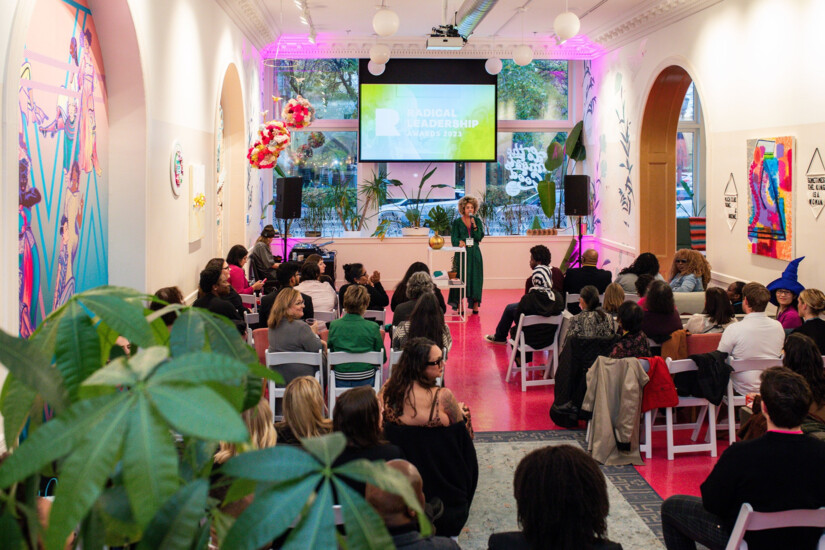 Inside Coven, Minneapolis. Courtesy of The Coven.
As the conversation turns outward, toward the state itself, the tone shifts.
Less about what is being built.
More about what is still missing.
Tom Akaolisa: What does Minnesota need more of right now?
Nadia Siddiqui: Honesty.
About who is benefiting. About who is not.
We can’t continue to tell a single story about the state when the experiences within it are so different.
Lori Godding: Consistency.
People show up during crises. And that matters.
But what would it look like if that same level of care and engagement existed every day?
Breanne Kennedy: Redistribution.
We know where resources have gone. We know who has benefited.
The question is whether we’re willing to change that.
Tom Akaolisa: One year from now, what would tell you this mattered?
Breanne Kennedy: A space that’s alive.
People building. Connecting. Creating.
And women seeing ownership as something within reach.
Nadia Siddiqui: New relationships. New businesses. New possibilities that didn’t exist before.
Lori Godding: Being part of the community in a real way.
Not separate from it. Not above it. Part of it.
It would be easy to describe The Coven in familiar terms.
A coworking space. A community hub. A place for entrepreneurs.
All of those descriptions are accurate.
None of them are sufficient.
Because what is being built in Richfield is not just a place to work.
It is a shift in who gets to build.
A shift in who gets to own.
A shift in how space itself participates in shaping economic life.
Minnesota has long told a story about itself as a place of opportunity.
The question, increasingly, is whether that opportunity is evenly distributed, or selectively experienced.
Spaces like The Coven do not resolve that tension on their own.
But they do something just as important.
They create environments where a different answer becomes possible.
And when those environments begin to multiply, the systems around them are forced to respond.
Not in theory.
In practice.
MinneapoliMedia
Community. Culture. Civic Life.


Sunny, with a high of 76 and low of 51 degrees. Sunny in the morning, clear overnight.