Image
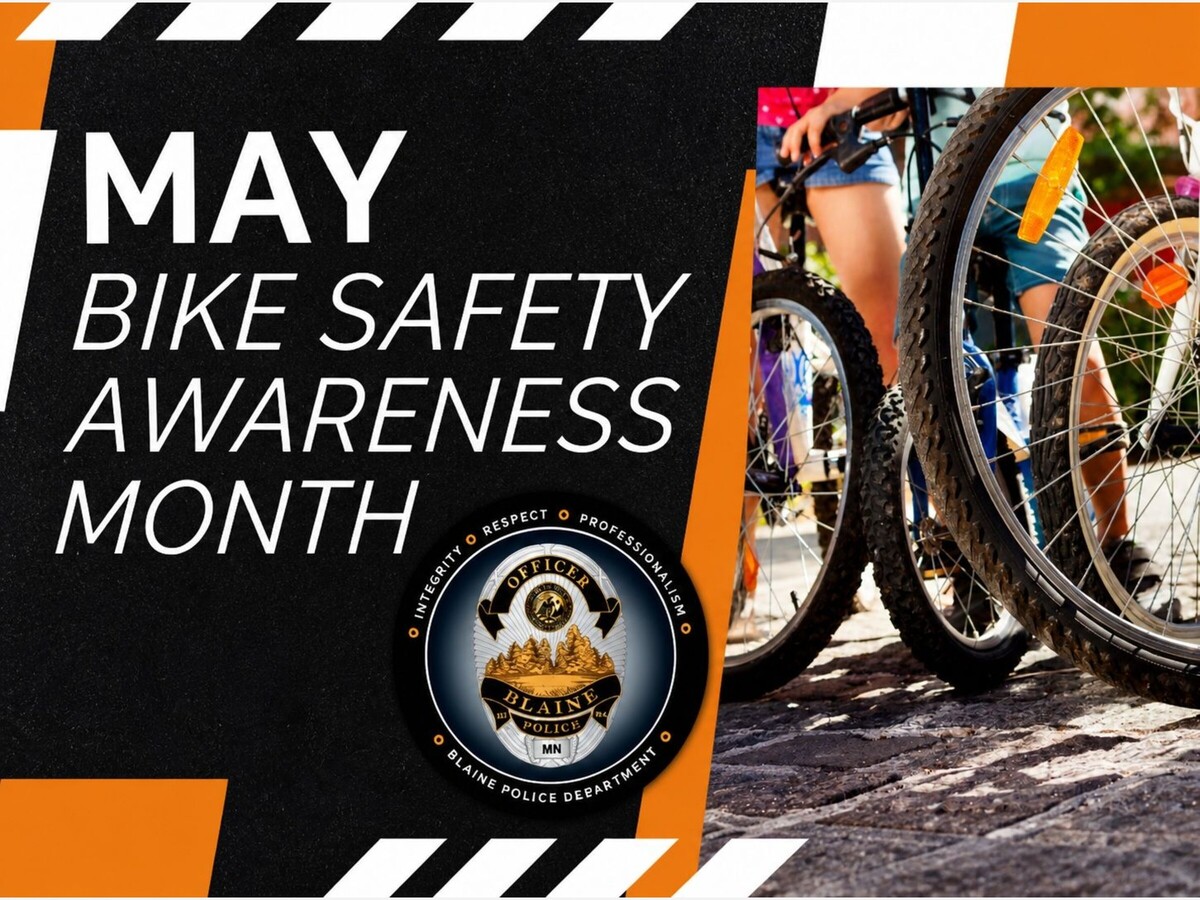



The department’s public advisory aligns with national guidance from organizations such as the National Highway Traffic Safety Administration and the Centers for Disease Control and Prevention, both of which emphasize that preventive measures such as helmet use, equipment checks, and visibility significantly reduce the risk of serious injury or death in bicycle-related incidents.
Law enforcement officials note that late spring and early summer typically bring a measurable increase in bicycle traffic across suburban communities like Blaine. This includes:
National data underscores the safety stakes. According to the National Highway Traffic Safety Administration, over 1,000 bicyclists are killed annually in traffic crashes in the United States, with tens of thousands more injured each year. Many of these incidents occur in urban and suburban settings where cyclists share the road with motor vehicles.
The Blaine Police Department is encouraging riders to adopt a consistent pre-ride inspection routine, a widely recommended safety practice supported by cycling safety organizations and public health agencies.
Ensuring proper seat height improves balance, control, and pedaling efficiency. An improperly adjusted seat can affect stability and increase the likelihood of falls.
Tires should be inflated to manufacturer-recommended pressure levels. Underinflated tires can reduce control and increase the risk of flats, while overinflated tires may reduce traction.
Minnesota law requires bicycles operated at night to have:
Reflective materials on pedals and spokes further increase visibility. These requirements are outlined under Minnesota Statutes §169.222, which governs bicycle operation statewide.
While not always legally required, safety experts recommend:
These tools can help prevent collisions, particularly on shared-use paths and busy corridors.
Helmet use remains one of the most effective safety measures. The Centers for Disease Control and Prevention reports that helmet use reduces the risk of head injury by as much as 60 percent and brain injury by nearly 50 percent in bicycle crashes.
Although Minnesota does not mandate helmet use for all riders, public safety officials strongly recommend helmets for cyclists of all ages.
Blaine has continued to expand its network of multi-use trails, bike lanes, and park-connected pathways, contributing to increased ridership. As usage grows, police stress the importance of shared responsibility between cyclists and motorists.
Key safety reminders include:
The Blaine Police Department’s Bike Safety Month campaign is part of a broader effort seen across Minnesota communities to reduce preventable injuries through education and awareness rather than enforcement alone.
Officials emphasize that most bicycle-related injuries are preventable when riders take basic precautions and ensure their equipment is in proper working condition.
Authorities encourage Blaine residents to:
For more information on bicycle safety and state regulations, residents can review guidance from the Minnesota Department of Public Safety and national transportation safety agencies.
MinneapoliMedia | Community. Culture. Civic Life.



Sunny, with a high of 85 and low of 60 degrees. Sunny in the morning, clear overnight.