59° and Partly Cloudy
Image



ST. PAUL, MN
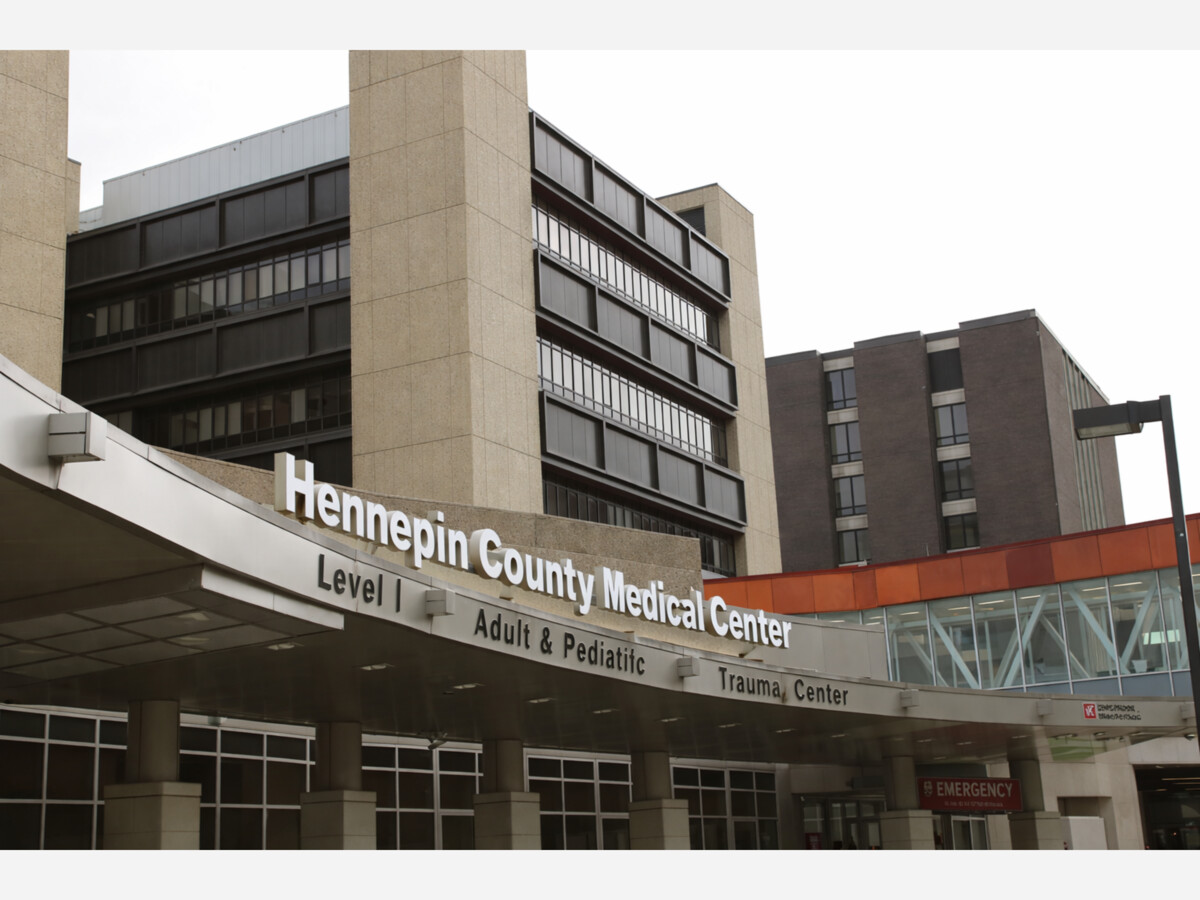
A bipartisan proposal at the Minnesota Capitol is advancing as lawmakers, county officials, and hospital leaders confront a deepening financial crisis at Hennepin County Medical Center, the state’s primary safety-net hospital and busiest Level I trauma center.
Rep. Esther Agbaje, DFL-Minneapolis, and Rep. Danny Nadeau, R-Rogers, introduced House File 4841 and presented it to the Minnesota House Taxes Committee on April 9, following the legislative break. The bill proposes repurposing and expanding a Hennepin County sales tax originally enacted to finance Target Field to provide a long-term funding stream for the hospital system.
HCMC, part of Hennepin Healthcare, is projecting a $50 million operating deficit for fiscal year 2026. Hospital and legislative materials also point to broader structural pressures, including rising uncompensated care costs approaching $100 million annually and long-term reductions in Medicaid-related revenue estimated in the billions over the next decade.
As a safety-net provider, HCMC treats patients regardless of their ability to pay, resulting in persistent financial gaps between the cost of care and reimbursement levels. Hospital officials have warned lawmakers that without a stable funding solution, the system could face significant service reductions, with timelines for potential disruption measured in months rather than years.
The hospital serves more than 100,000 patients annually and functions as a regional trauma hub, with a substantial share of patients coming from outside Hennepin County. State officials have emphasized that any disruption to HCMC operations would have systemwide implications for emergency care capacity across Minnesota.
House File 4841 centers on restructuring the county’s existing 0.15 percent sales tax, which was approved in 2006 to fund stadium construction and related infrastructure. Under the proposal, the tax would increase to 1 percent, generating an estimated $300 million to $350 million annually.
The majority of the revenue would be directed toward stabilizing HCMC operations. The proposal also includes allocations for other regional providers, including North Memorial Health, and maintains a portion of funding for capital needs at Target Field.
Legislative summaries indicate the measure would allow Hennepin County to redirect revenue once stadium debt obligations are met, while also expanding the permissible uses of the tax to include hospital operations. The bill remains under review, with lawmakers weighing the scale of the tax increase against the urgency of the hospital’s financial condition.

The financial crisis has coincided with leadership turnover within the health system. Earlier in April, interim co-administrators David Hough and Dr. J. Kevin Croston stepped down following internal disputes over governance and operational control.
On April 10, the Hennepin County Board appointed Dr. John Cumming as interim chief executive officer. Cumming previously served in the role on an interim basis and has been tasked with stabilizing operations during the current fiscal and legislative negotiations.
Rep. Agbaje has also initiated community outreach around the proposal, including a public “Coffee & Conversation” event scheduled for April 11 in north Minneapolis, aimed at discussing the legislation and gathering resident input.
At the Capitol, hearings are expected to continue in the coming weeks as lawmakers work toward a broader budget framework. While HF 4841 represents one of the most developed proposals to date, officials have indicated that additional measures may be required to address both immediate deficits and long-term structural challenges facing safety-net hospitals.
For Hennepin Healthcare, the outcome of those deliberations is expected to determine whether a stable funding model can be established or whether the system will be forced to implement deeper operational cuts as financial pressures intensify.
MinneapoliMedia | Community. Culture. Civic Life.


Sunny, with a high of 65 and low of 46 degrees. Overcast in the morning, sunny in the afternoon, clear in the evening, cloudy overnight.