66° and Partly cloudy
Image
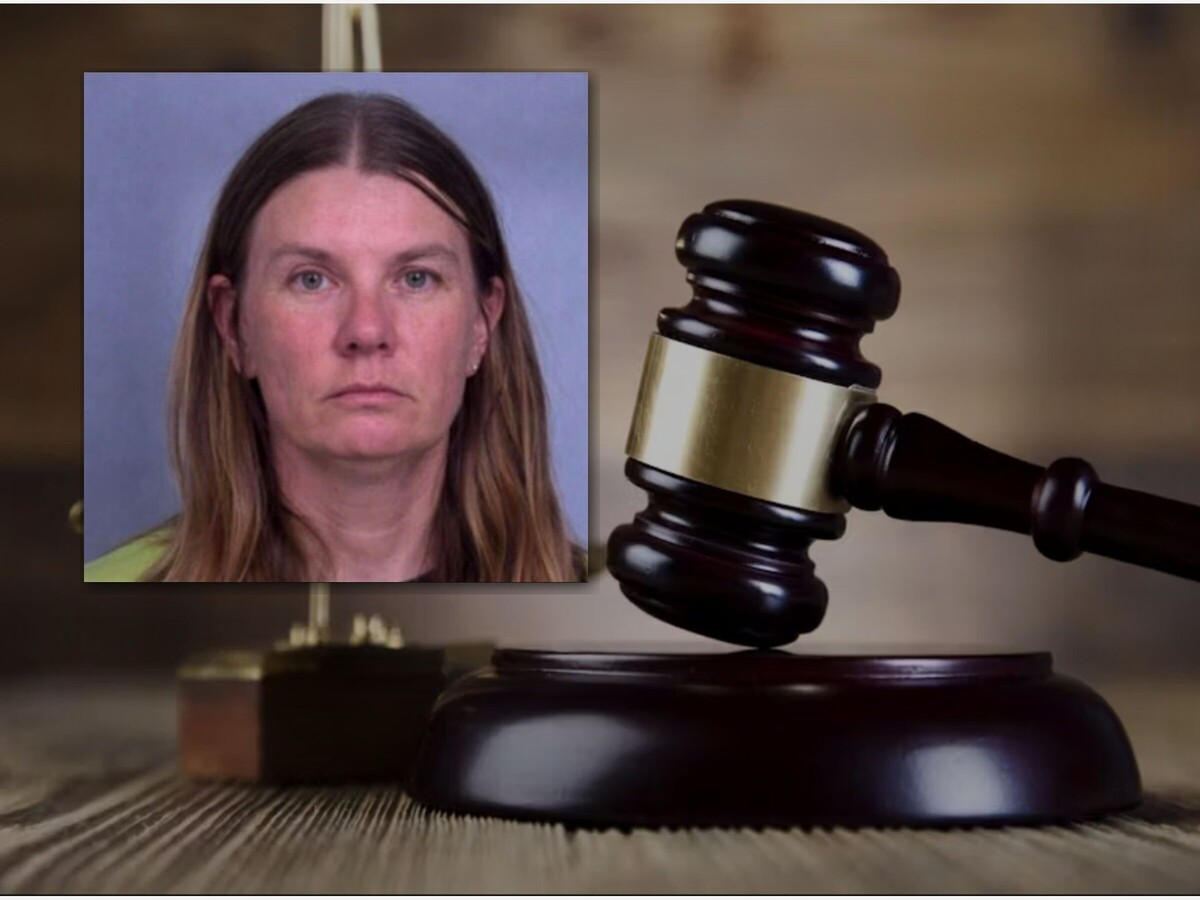



In addition to the prison term, Bock was ordered to repay approximately $243 million in restitution to the federal government.
The ruling closes another chapter in a scandal that has reshaped Minnesota’s political discourse, intensified scrutiny over state oversight systems, shattered public confidence in emergency funding safeguards, and exposed how a federally funded children’s meal program evolved into a sprawling criminal network involving fake meal sites, shell companies, fabricated attendance rosters, falsified invoices, and enormous cash flows that prosecutors say financed luxury lifestyles rather than meals for hungry children.
Inside the courtroom, Bock appeared in a bright green jail uniform as she addressed the judge before sentencing.

“I don't have the words to express just how horrible I feel,” Bock told the court. “I know I'm responsible. It's never been my goal to shift responsibility. I understand I failed to protect the program I was supposed to protect.”
But prosecutors argued that the scale, structure, and duration of the fraud could not be explained as negligence, oversight failure, or administrative incompetence.
“Aimee Bock didn't participate in fraud, she orchestrated it, profited on it,” Assistant U.S. Attorney Rebecca Kline told the court during sentencing arguments.
Judge Brasel agreed.
In sharply worded remarks from the bench, the judge rejected defense claims that Bock had merely failed to recognize misconduct occurring beneath her organization. Brasel concluded instead that Bock stood at the center of the operation, describing Feeding Our Future as “a vortex of fraud” and telling Bock directly that she was “at the epicenter.”
The judge further stated that Bock committed perjury during her trial testimony, accusing her of lying under oath while attempting to distance herself from the criminal conspiracy.
Federal prosecutors argued throughout the case that Feeding Our Future functioned less as a legitimate nonprofit oversight organization and more as a massive administrative conduit for fraudulent reimbursement claims.
Originally established to help administer federally funded nutrition programs, Feeding Our Future operated as an approved sponsor organization within the U.S. Department of Agriculture’s child nutrition reimbursement system. Under pandemic-era emergency rules, sponsor organizations received federal reimbursements for meals allegedly distributed through participating meal sites.
According to prosecutors, Bock transformed that system into what amounted to a large-scale “cash pipeline.”
Federal investigators demonstrated during trial proceedings that Feeding Our Future’s federal funding exploded from approximately $3 million annually before the pandemic to more than $200 million by 2021.
At the center of the fraud were claims involving roughly 91 million meals prosecutors say were never actually served.
Court evidence showed that fraudulent meal sites scattered across Minnesota submitted wildly inflated reimbursement requests claiming to feed thousands of children per day from locations that often lacked industrial kitchens, food storage capability, staffing, or physical infrastructure capable of supporting such operations.
Some meal sites operated out of storefronts, apartments, offices, and small commercial locations incapable of handling the food volume claimed in reimbursement forms submitted to the federal government.
Prosecutors said fraudulent participants routinely used fabricated attendance rosters, falsified invoices, forged signatures, manipulated spreadsheets, and invented meal counts to justify reimbursement requests that generated millions of dollars in federal payments.
Federal authorities argued that Bock personally approved the expansion of many of the fraudulent sites, monitored applications, controlled primary organizational bank accounts, and signed reimbursement checks distributed throughout the network.
When the Minnesota Department of Education raised concerns about suspicious growth patterns and attempted to halt certain payments, prosecutors noted that Feeding Our Future filed litigation against the state agency in an effort to keep reimbursement money flowing.
The funding stream continued until January 2022, when coordinated federal raids across Minnesota publicly exposed the breadth of the investigation.
What followed became one of the largest white-collar criminal investigations in Minnesota history.
Federal authorities have now charged nearly 80 individuals connected to the broader Feeding Our Future network. More than 60 defendants have either pleaded guilty or been convicted.
The case has produced guilty pleas, trials, property seizures, international money transfer investigations, and testimony detailing how enormous sums of taxpayer money intended for child hunger relief were instead diverted toward luxury homes, commercial real estate, vehicles, jewelry, travel, and private business ventures.
Yet the scandal’s impact has extended far beyond criminal courtrooms.
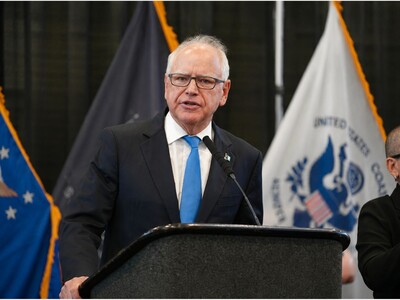
The Feeding Our Future case triggered intense political fallout across Minnesota, particularly for the administration of Tim Walz, whose state agencies faced mounting criticism over oversight breakdowns, delayed intervention, and the inability to stop reimbursement flows despite repeated warning signs.
The scandal also became a broader referendum on the vulnerabilities embedded within emergency pandemic spending systems nationwide, particularly programs rapidly expanded during COVID-19 under loosened oversight standards designed to accelerate aid distribution during an unprecedented public health crisis.
Defense attorney Kenneth Udoibok argued unsuccessfully for a dramatically lighter sentence of roughly three years, maintaining that Bock’s conduct represented “gross negligence” rather than deliberate criminal engineering.
Her attorneys argued that Bock herself had been misled by dishonest operators inside the network and lacked full awareness of the underlying logistics driving the fraud.
Judge Brasel rejected that argument entirely.
The court concluded that the evidence demonstrated not merely negligence, but intentional facilitation of systemic fraud at extraordinary scale.
Prosecutors also cited Bock’s post-conviction behavior while in custody as evidence of continuing manipulation and lack of accountability.
Court filings alleged that Bock used recorded jail phone calls to direct her son to distribute case-related documents to political figures and media organizations. Prosecutors stated that some materials included protected witness information and sensitive investigative records.
During an earlier April hearing, a judge reportedly described those actions as “really disturbing.”
Even after conviction, Bock continued publicly suggesting that additional individuals tied to the broader scheme had not yet been fully investigated.
“Some of you have heard Aimee talk about this at trial,” Udoibok told reporters after earlier proceedings. “She believes that there is more to the story, that more people are out there that the government should look at, and she's willing to help.”
Thursday’s sentencing unfolded against the backdrop of another developing federal fraud investigation in Minnesota.
Just hours after Bock’s sentencing hearing concluded, federal authorities announced a separate series of criminal charges tied to alleged Medicaid billing fraud involving government-funded daycare and autism therapy programs, reinforcing concerns among investigators and policymakers about broader vulnerabilities in public aid oversight systems.
For Minnesota, the Feeding Our Future scandal has evolved into something far larger than a single nonprofit fraud prosecution.
It has become a defining institutional crisis touching nearly every layer of public life: government accountability, nonprofit oversight, emergency pandemic governance, prosecutorial power, immigrant business networks, political leadership, federal-state coordination, and the public’s fragile trust in systems designed to protect children during moments of national emergency.
And now, with the woman prosecutors called the “mastermind” of that system sentenced to what could effectively amount to life in federal prison, Minnesota continues to confront the deeper question left behind by the scandal itself:
How did one of the largest thefts of public relief money in American history unfold in plain sight under the banner of feeding children?
MinneapoliMedia | Community. Culture. Civic Life.



Sunny, with a high of 87 and low of 64 degrees. Sunny during the morning, patchy rain nearby overnight.