Image
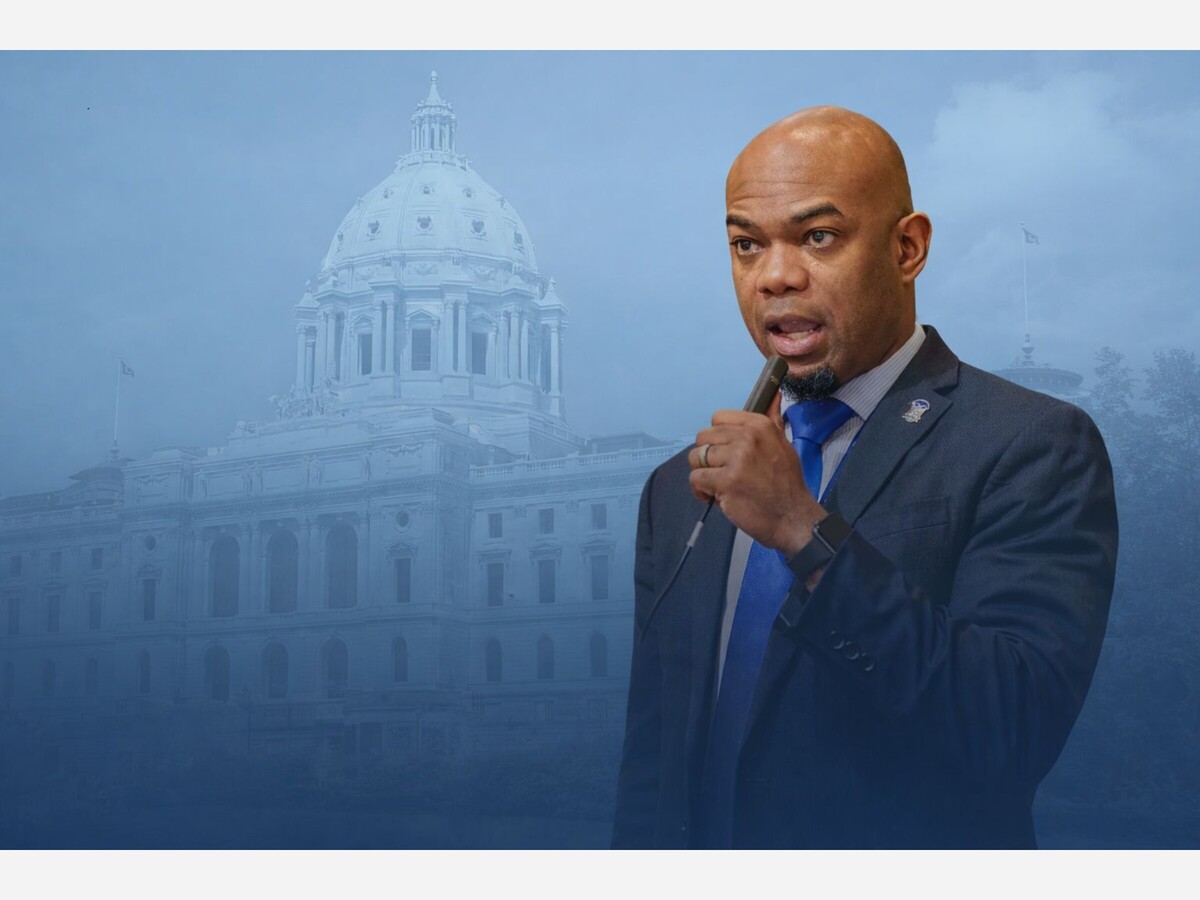



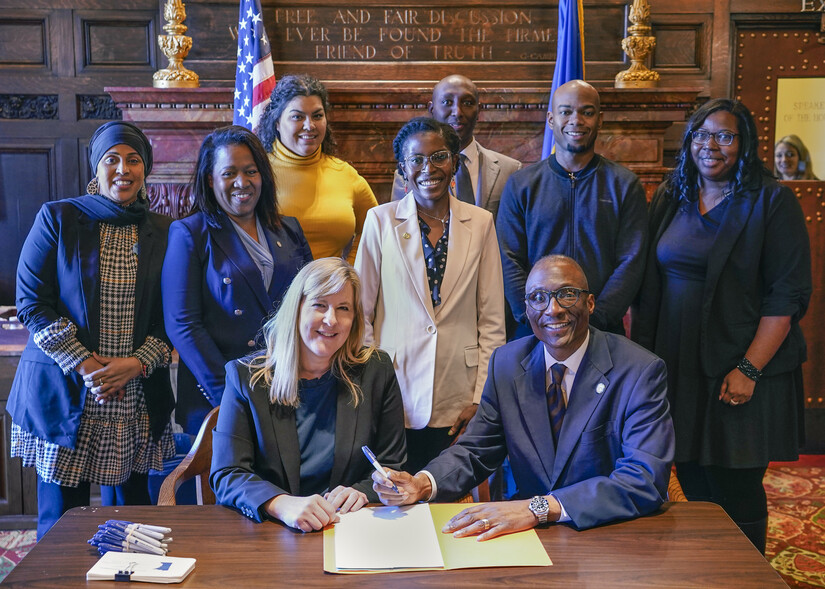
There are moments in public life when governance stops feeling procedural and begins to feel immediate. Not immediate in the sense of urgency alone, but immediate in the way policy decisions begin to touch the everyday lives of people in ways that cannot be ignored. Rent. Food. Safety. Stability. Dignity. In these moments, the distance between government and lived experience disappears.
Minnesota, by Representative Cedrick Frazier’s account, is living through one of those moments. When asked how he is doing, personally, he does not separate himself from the broader condition.
“I think I’m doing my best,” he says. “I think all of us, with everything that’s going on… we’re all just trying to hang on.”
The statement is simple, but it carries weight. It reflects rising costs, tightening budgets, and what he describes as destabilizing impacts tied to federal actions affecting the state. It is not a personal admission alone. It is a reflection of a shared condition.
Chaos, Uncertainty, and the Search for Direction
Inside the Minnesota Capitol, that shared condition has taken on a more defined form.
“I think it’s chaos and uncertainty,” Frazier says.
He does not offer the phrase lightly. For him, the uncertainty is rooted in the need to understand how deeply Minnesota has been affected by external forces and how legislators can respond within the limits of state governance.
“We’re trying to figure out how badly we’re impacted… and how we position ourselves to come out better on the other side.”
What emerges is a picture of a Legislature not simply divided, but searching. Searching for clarity, for direction, and for a path forward in a moment where the variables are still shifting.
A Divided Legislature and Uneven Urgency
That search is made more difficult by the structure of the Legislature itself. Margins are tight. Power is closely balanced. Every decision requires alignment that is not easily achieved.
But for Frazier, the challenge is not division alone. It is the difference in how urgency is understood.
“There are some of us that believe there are things we need to do,” he says.
These are legislators responding to what they see as immediate harm. Businesses disrupted. Workers affected. Communities under strain.
But not everyone shares that view.
“There are some legislators that feel we don’t really need to do anything… just go through the motions.”
The result is not paralysis, but friction. A system capable of movement, but not always aligned on when or how to move.
What the Public Sees and What the Process Is
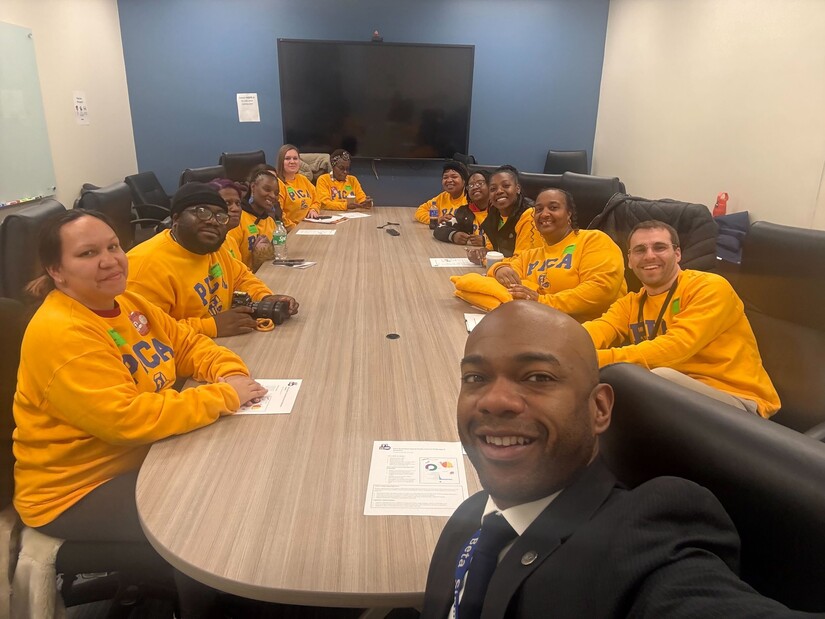
For Minnesotans watching from the outside, that friction often appears as delay. Frazier understands that perception. He does not dismiss it. Instead, he explains it.
Legislation, he says, moves through stages.
“You have to draft the bill, introduce it, get it heard in committee, get it voted out… then to the floor, then to the governor.”
Each stage requires time. Each stage requires agreement. To the public, it can look like nothing is happening. From inside the Capitol, it is a series of steps unfolding, sometimes slowly, sometimes unevenly, but rarely instantly.
“There are things that take years,” he says. “Sometimes decades.”
In that context, speed is relative. But for those waiting on outcomes, time carries a different meaning.
Fraud, Accountability, and the Cost of Safeguards
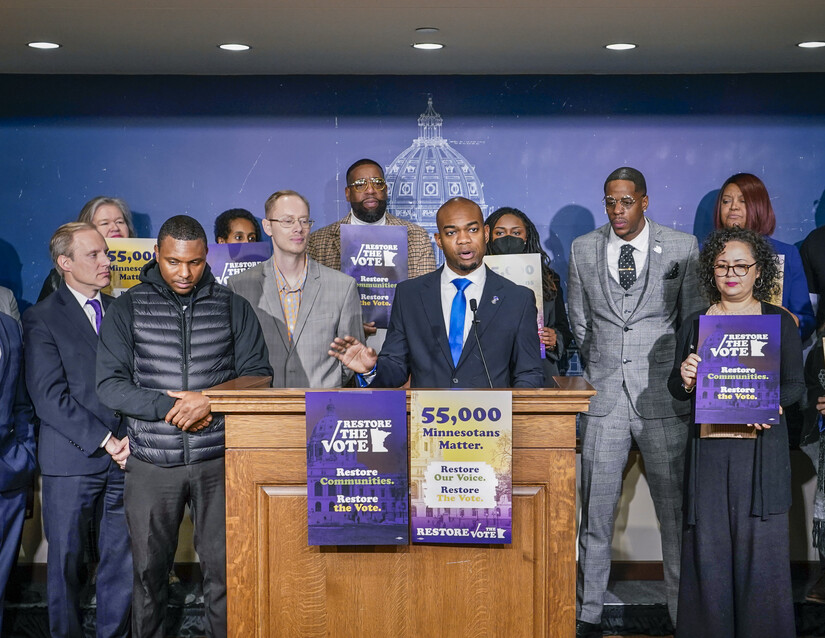
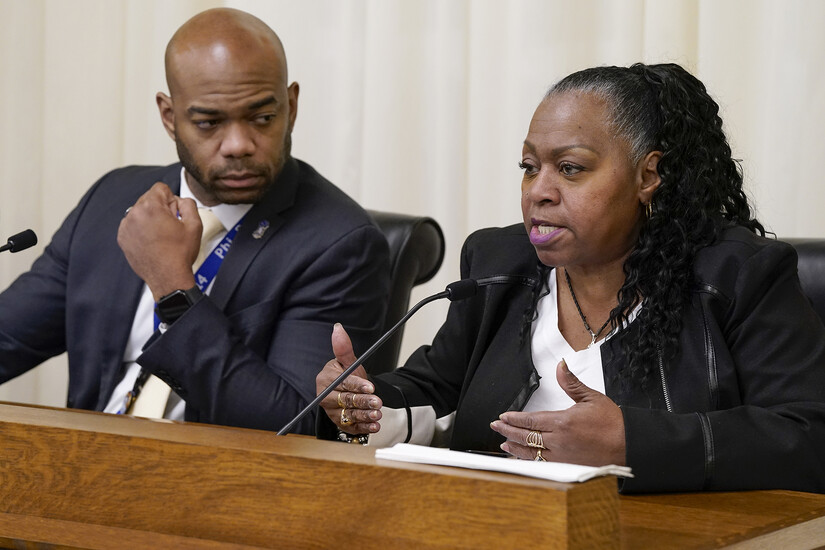
No issue has shaped the current political climate more than fraud in public programs. Frazier addresses it directly.
“If there is a fraud problem, we should talk about it,” he says. “We shouldn’t hide from it.”
But he also draws a line between addressing fraud and overstating its reach.
“I think there’s a narrative that everything is fraudulent,” he says.
That narrative, in his view, has consequences. It influences how legislation is written. It affects how quickly programs are implemented. It introduces caution into every stage of decision-making. And in doing so, it produces an outcome the public rarely sees.
“We’ve got tens of millions of dollars sitting in accounts right now,” he says, “that have not gone out to individuals, communities, and organizations that need those resources.”
The reason is not inaction. It is precaution. Safeguards have been built. Oversight mechanisms strengthened. Accountability measures reinforced.
But every safeguard adds time.
“That means there are people who are not getting those resources,” he continues. “Their day is a little harder. Their week is a little harder.”
The tension is clear. How do you prevent misuse without preventing access. How do you enforce accountability without delaying relief.
For Frazier, this is not a theoretical dilemma. It is a daily reality of governance.
When Politics Becomes the Obstacle
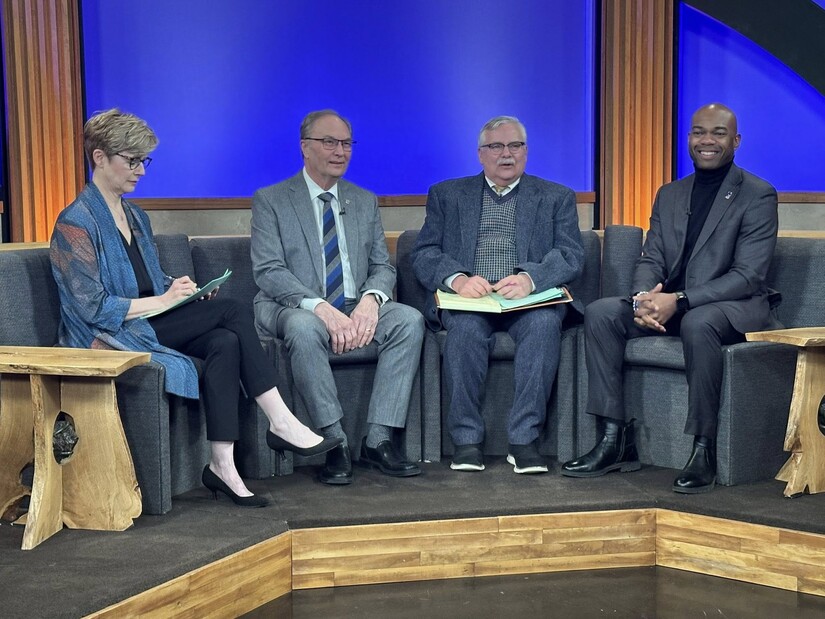
At a certain point in the conversation, the discussion shifts from policy to politics itself.
“The thing I hate about politics is politics,” Frazier says.
It is not a rejection of the system, but a critique of its tendencies. He describes moments when the focus shifts from solving problems to scoring points. When narratives are shaped not by accuracy, but by advantage.
Fraud, he acknowledges, will be part of the political narrative moving forward.
“There’s going to be a campaign narrative,” he says.
But for him, the question is not how the issue is used politically, but how it is handled practically.
“We’ve done work to ensure that there’s not fraud,” he says. “We’ve done work to ensure people are held accountable.”
The Reality Minnesotans Are Living
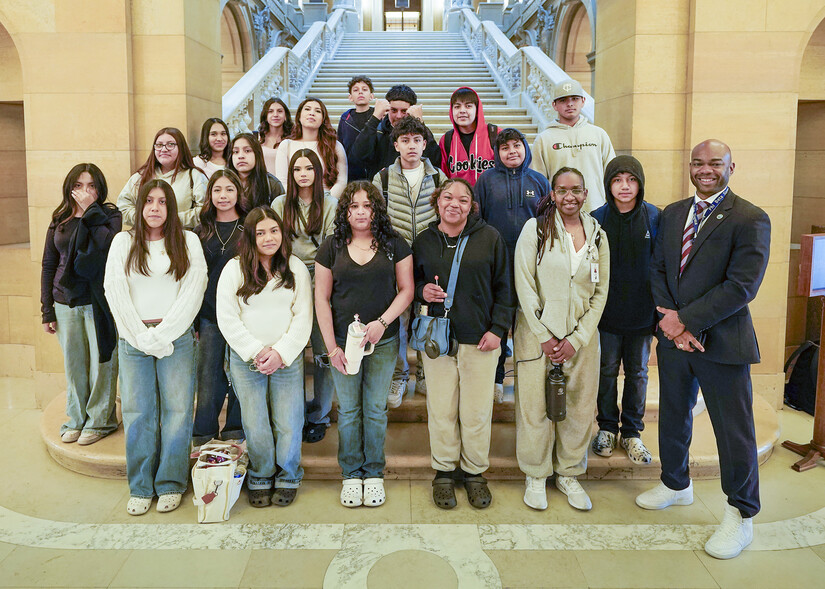
Beyond the Capitol, the concerns he hears are consistent. Affordability.
“People are making decisions like, am I going to pay rent or buy food,” he says.
These are not abstract discussions. They are daily calculations. Decisions made under pressure. Choices made with consequences.
And for Frazier, they are inseparable from the work of the Legislature.
“Those are lives that are being impacted,” he says.
Budgets, in this context, are not numbers. They are outcomes.
Public Safety, Investment, and Understanding
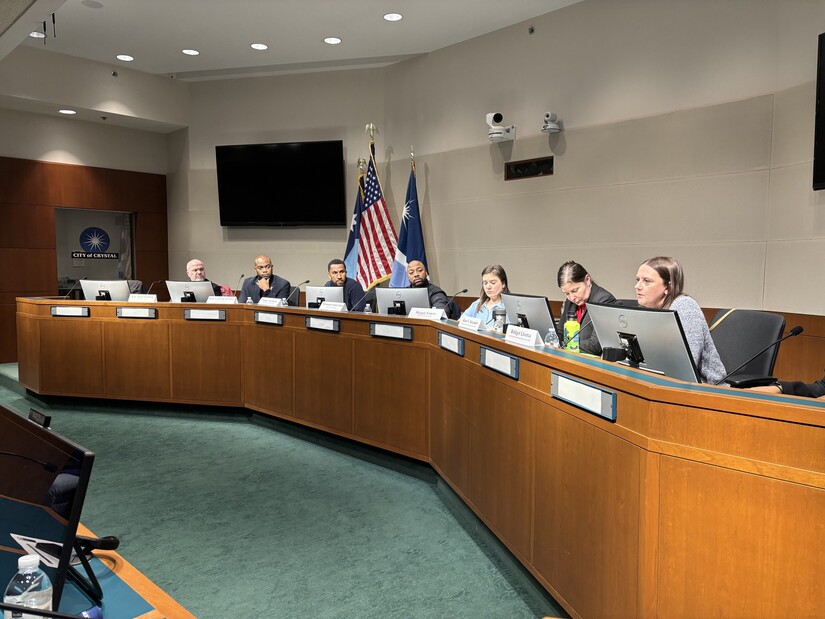
When the conversation turns to public safety, Frazier emphasizes perspective.
“I think it’s more voices,” he says.
Particularly from communities that have long felt overlooked or underrepresented in safety discussions. He frames public safety not only in terms of enforcement, but in terms of investment.
Housing. Education. Jobs.
“We know that when we invest in those things, we get better outcomes,” he says.
But he also acknowledges a gap.
“What we don’t do well is invest on the front end.”
For him, addressing public safety requires more than response. It requires prevention.
The Weight of the Work
Public service, in Frazier’s telling, carries a weight that is not always visible.
“The things we don’t get done… the person we can’t help,” he says.
Those moments stay with him. The successes matter. The letters of thanks matter. But so do the missed opportunities. The delays. The cases where help did not arrive in time.
“I carry those things with me.”
It is a quiet admission, but one that reveals the emotional reality behind legislative work.
Representation and the Shape of Democracy
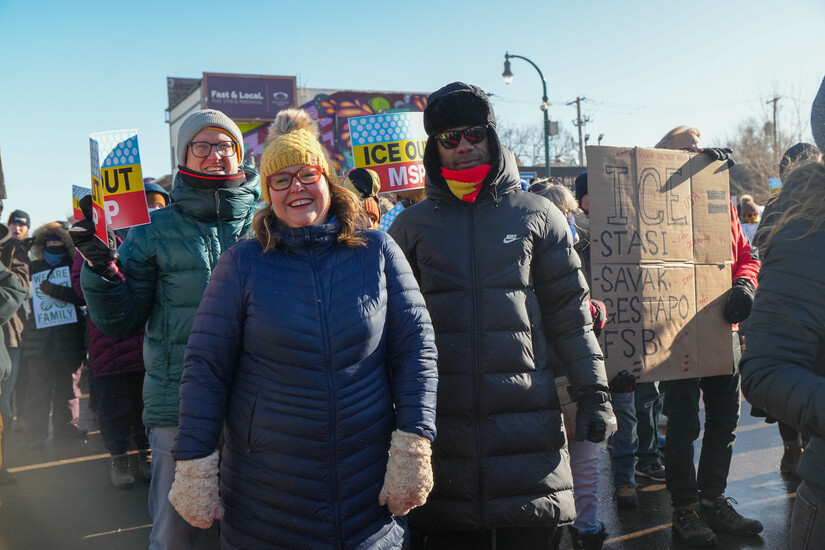
When asked whether the Legislature is where it needs to be, Frazier points to representation.
“We still have work to do,” he says.
Minnesota has become more diverse, but it is not yet fully reflective of the communities it serves.
“There are voices that are not here,” he says.
For Frazier, representation is not symbolic. It is functional. Policy is shaped by experience. Perspective influences priority.
“When people can see themselves,” he suggests, democracy works better.
Progress Beyond Policy
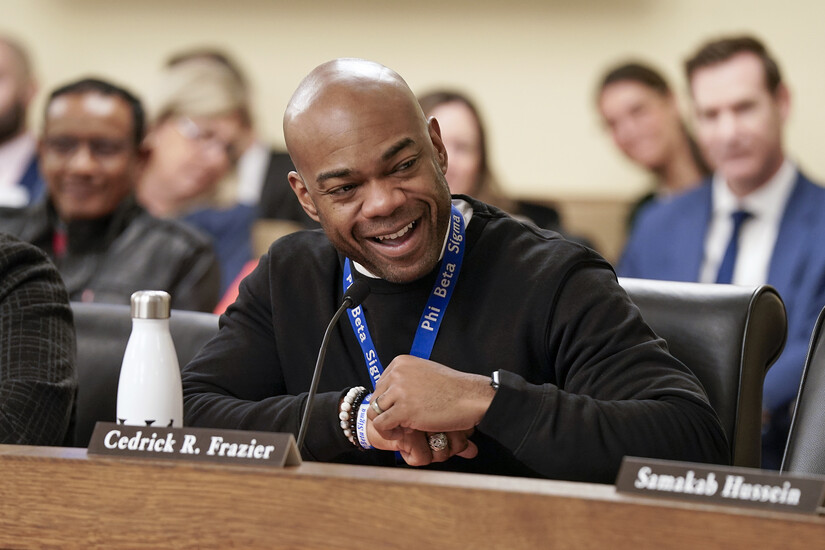
In defining progress, Frazier looks beyond legislation. He recalls a moment when communities came together under pressure.
Neighbors helping neighbors. People stepping up for one another.
“That would be progress for me,” he says. “That we continue to maintain that.”
Not because of crisis. But because it becomes part of how the state operates.
A Call to Serve
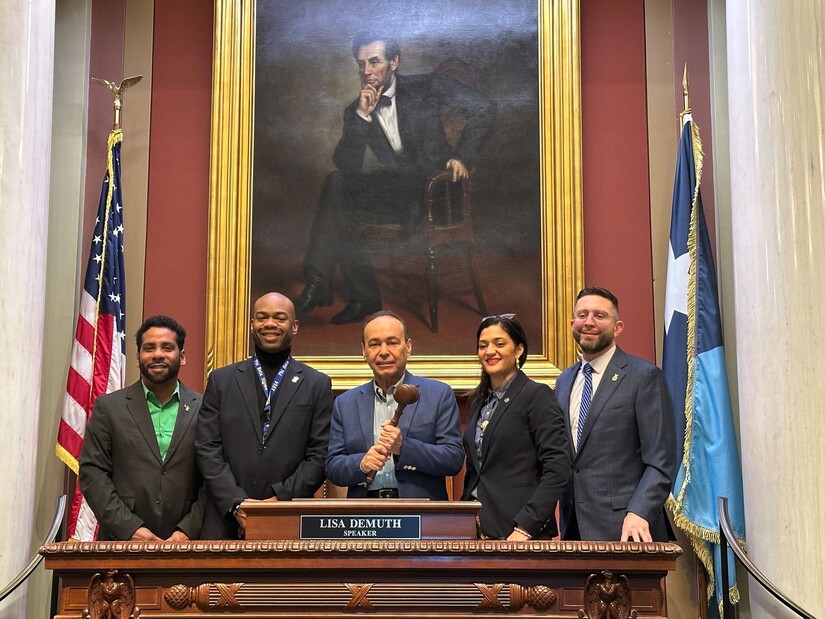
For those considering public service, his message is direct.
“Step up and serve.”
It is easy to observe from a distance. Harder to engage. But engagement, in his view, is what creates change.
Especially for those whose communities have not always been represented.
“You can make a difference,” he says.
A State in Motion
Cedrick Frazier does not present Minnesota as settled. He presents it as evolving.
A state balancing competing pressures. A Legislature navigating uncertainty. A system working through its own limitations.
Not perfect. Not complete. But active.
And perhaps that is the most accurate record of all.
Not a story of resolution. But a story of effort.
Of governance in motion, shaped by those willing to engage it, even when the path forward is not yet clear.
MinneapoliMedia | Community. Culture. Civic Life.



Patchy rain nearby, with a high of 74 and low of 48 degrees. Sunny during the morning, patchy rain nearby in the afternoon and evening, clear overnight.