 62° and Partly Cloudy
Image
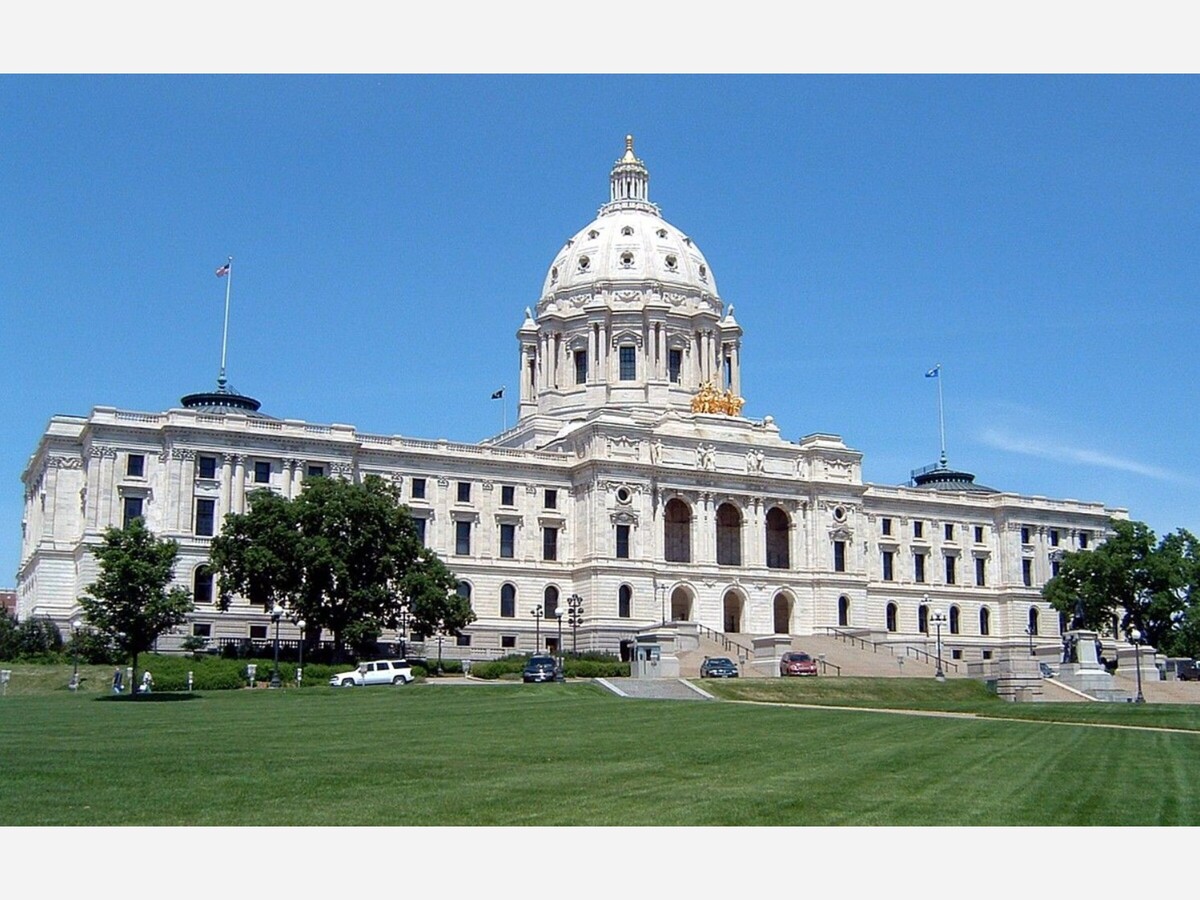



The proposal, authored by Ben Bakeberg, would allocate approximately $4 million to the Minnesota Department of Public Safety to implement a school safety “threat assessment” pilot program. The initiative would place the technology in one school district in each of the state’s eight congressional districts.
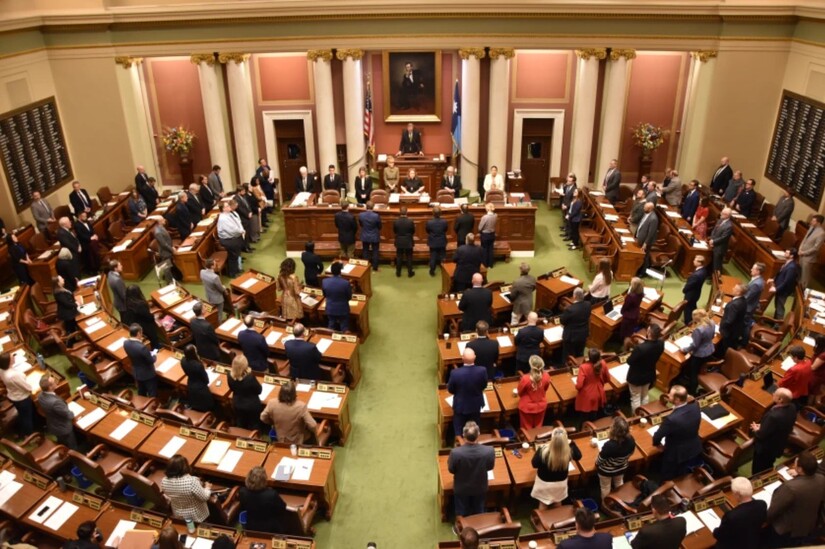
Under the legislation, the state would contract with a private vendor to deploy systems that integrate real-time monitoring, artificial intelligence, and advanced detection tools to identify potential threats outside school buildings before they reach classrooms.
The technology described in legislative testimony combines cameras, radar-based sensors, and AI software designed to detect weapons such as firearms or knives, including items concealed in backpacks or clothing.
If a potential threat is identified, the system would generate real-time alerts to school officials and, in some cases, emergency responders, allowing for rapid intervention.
Lawmakers supporting the bill say the goal is to stop threats before they escalate, particularly at school entrances or exterior spaces where early detection could prevent violence.
The bill, introduced during the 2026 legislative session, remains under consideration in committee and has not yet received a final vote.
Under the proposal, participating districts would be selected statewide, and schools already using comparable systems would be excluded from the pilot.
The legislation also calls for a formal evaluation of the program’s effectiveness, with findings expected to inform future decisions on broader implementation.
The proposal has prompted opposition from civil liberties advocates, including the American Civil Liberties Union of Minnesota, who argue that increased surveillance may not improve safety and could disproportionately affect certain student populations.
Critics have raised concerns about algorithmic bias, data collection practices, and the potential for misidentification, particularly among students with disabilities or those whose behavior may be incorrectly flagged as suspicious.
Testimony presented to lawmakers also questioned whether there is sufficient independent evidence to support claims that AI-based surveillance systems reduce school violence, with advocates urging investment in alternatives such as mental health services, counseling, and violence prevention programs.
Supporters of the proposal have pushed back on privacy concerns, arguing that the technology functions similarly to existing school security cameras and is intended to identify threats rather than collect personal student data.
Still, the debate highlights a broader policy question facing Minnesota and other states: how to balance emerging security technologies with student privacy protections and evidence-based safety strategies.
As the bill moves through the legislative process, lawmakers are expected to continue weighing both the potential benefits of early threat detection and the long-term implications of expanding AI surveillance in school environments.
MinneapoliMedia | Community. Culture. Civic Life.



Overcast, with a high of 90 and low of 60 degrees. Sunny during the morning, overcast for the afternoon, patchy rain nearby in the evening, clear overnight.










What an awful human being she is. Funny she did not talk about the women of color in her IT Department she put out on the street when she arrived because of the corrupt vendor she enjoys so much. Look at her ratings on rate-my-professors, it tells you everything you need to know about this narcissist.