56° and Mist
Image
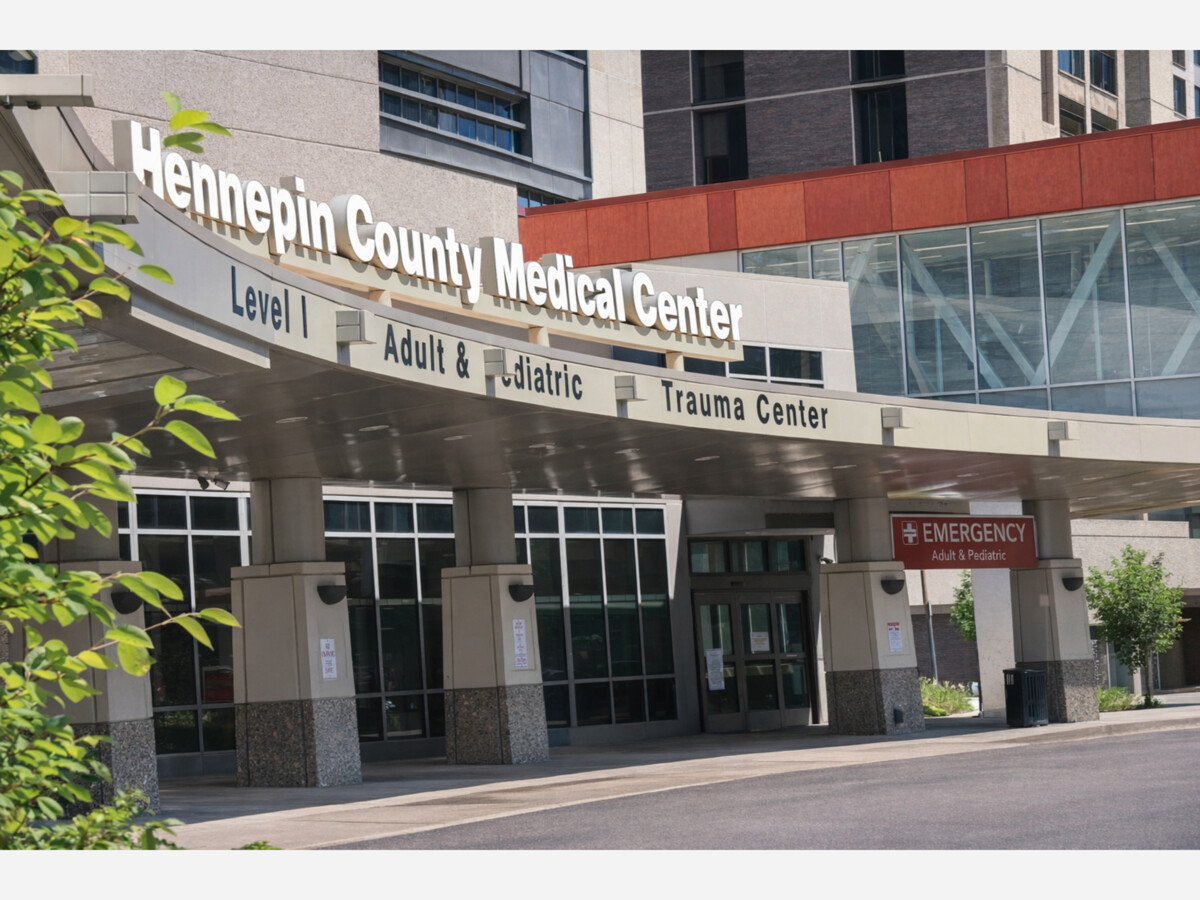



Hospital officials have said the system is under significant financial pressure and requires near-term intervention to maintain current operations.
Hennepin Healthcare’s financial challenges are tied to long-standing structural issues in how safety-net hospitals are funded. Approximately 70 percent of its patients are covered by Medicaid or Medicare, which typically reimburse below the cost of care.
Hospital leaders have indicated this results in more than $100 million annually in uncompensated or undercompensated care. The system is also projected to face longer-term financial strain if its funding model is not adjusted.
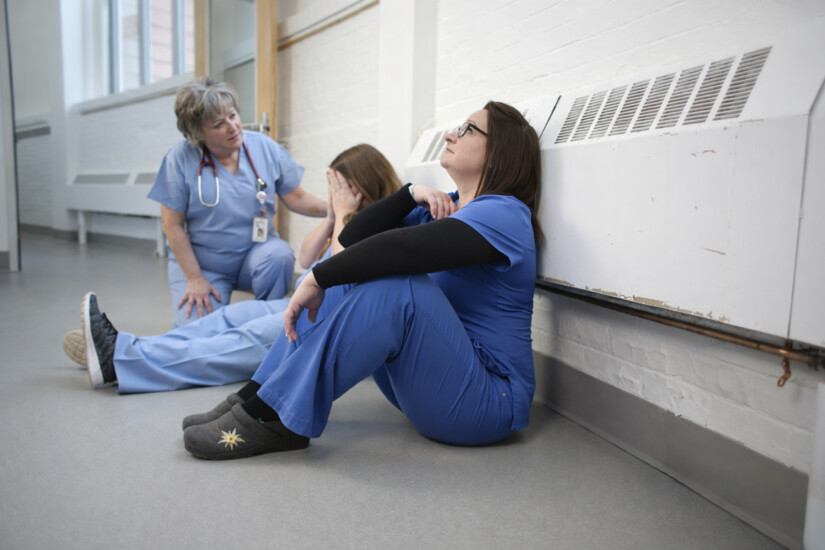
In late January 2026, Hennepin Healthcare eliminated approximately 100 positions across both union and non-union roles.
Affected positions included nurses, physicians, social workers, and other clinical and support staff. Employees were notified beginning January 26, with most separations completed by March 31.
Unionized employees, including those represented by the Minnesota Nurses Association and AFSCME Council 5, were eligible for contractual “bumping rights,” allowing more senior employees to retain positions.
Hospital leadership has also reduced or restructured several specialty services as part of its cost-containment strategy.
Reported changes include:
These adjustments are intended to preserve core emergency and trauma care services.
To manage operating costs, Hennepin Healthcare has reduced staffed bed capacity by approximately 100 beds, bringing total capacity to about 390.
Additional measures include freezing employer retirement contributions and pausing planned capital and infrastructure projects.
State lawmakers are considering House File 4841, a bipartisan proposal that would repurpose and expand an existing Hennepin County sales tax originally used to finance Target Field, home of the Minnesota Twins.
Key provisions of the proposal include:
The bill was heard by the House Taxes Committee on April 9 and was laid over for possible inclusion in a broader omnibus tax package. Legislative decisions are expected before the session adjourns in mid-May.
On April 10, the Hennepin County Board appointed Dr. John Cumming as interim chief executive officer to lead the system during the current financial period.
Hennepin Healthcare serves as one of Minnesota’s primary Level I trauma centers and a major teaching hospital. Officials have stated the system treats tens of thousands of patients annually and plays a central role in training a significant share of the state’s physician workforce.
Hospital leaders and lawmakers have described the system as a critical component of Minnesota’s healthcare infrastructure and have urged action during the current legislative session.
MinneapoliMedia | Community. Culture. Civic Life.


Overcast, with a high of 58 and low of 53 degrees. Overcast during the morning, light drizzle during the afternoon, mist in the evening, overcast overnight.