Image
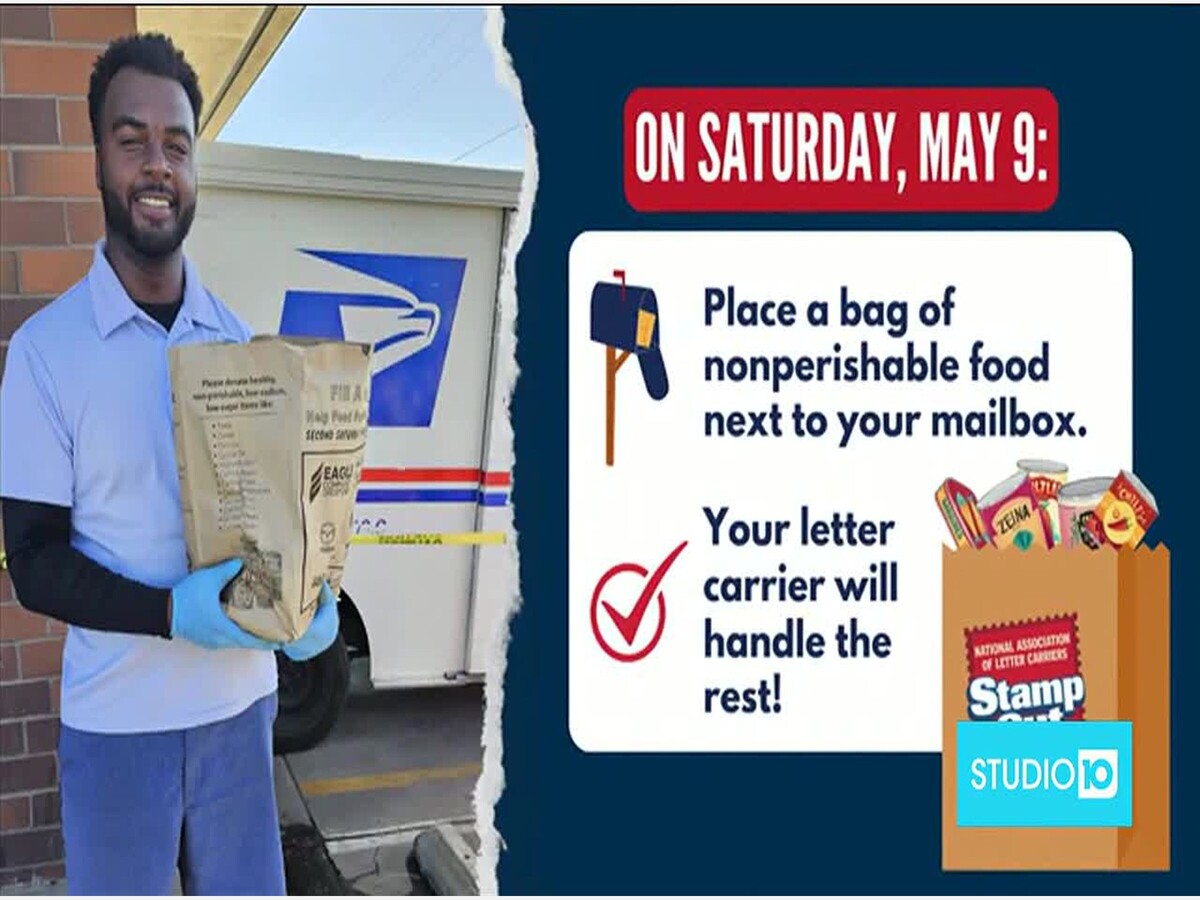



The 2026 campaign marked the 34th year of the national initiative, which mobilizes postal workers, volunteers, food shelves, and community organizations to gather food donations directly from residential mail routes throughout the United States.
Residents participating in the drive were encouraged to place bags of non-perishable food items near their mailboxes before regular mail delivery Saturday morning. Letter carriers collected the donations during their normal routes, with food later distributed to local food shelves and hunger relief organizations within the same communities where the donations were collected.
Commonly donated items included canned vegetables, soup, beans, rice, pasta, peanut butter, cereal, canned tuna, canned chicken, noodles, and other shelf-stable products.
In Minnesota, the drive plays a particularly important role heading into the summer months, when many food shelves experience declining donations while demand for assistance increases.
Dave Rian, president of National Association of Letter Carriers Branch 9, which represents Minneapolis and many surrounding communities, said the postal system’s neighborhood-level delivery network allows the campaign to reach communities in ways many traditional food drives cannot.
Rian also noted that lower-income neighborhoods frequently contribute some of the largest volumes of food donations during the annual campaign, an observation organizers say reflects strong community awareness of food insecurity and local need.
The annual drive is strategically scheduled for the second Saturday in May because food banks and community pantries often face what hunger relief organizations describe as a “summer slump.” During the summer months, many children temporarily lose access to school breakfast and lunch programs while charitable food donations typically decline following the winter holiday season.
According to Feeding America and Minnesota hunger relief organizations, food shelves across the state continue reporting elevated demand tied to inflation, rising grocery prices, housing costs, and broader economic pressures affecting working families and seniors.
Second Harvest Heartland, one of Minnesota’s largest hunger relief organizations, reported that food shelf visits across Minnesota surpassed 9 million visits during the past year, reflecting continued strain on emergency food systems statewide.
The Stamp Out Hunger campaign operates through the existing United States Postal Service delivery system, allowing residents to participate without traveling to separate donation sites.
In higher-volume collection areas, additional postal vehicles and relay trucks are often deployed to assist with transporting donated food collected by carriers during their routes.
Once gathered, donations are sorted and distributed to regional food banks, community pantries, and local hunger relief agencies. In the Twin Cities area, major partner organizations include Second Harvest Heartland and numerous local neighborhood food shelves.
Organizers encourage residents to donate unopened, unexpired shelf-stable food items with an emphasis on high-protein and meal-based products that provide nutritional value for families facing food insecurity.
Food safety officials and organizers advise residents not to donate glass containers, expired food, perishable items, or opened packages due to transportation and safety concerns during the collection and sorting process.
The Stamp Out Hunger campaign was launched nationally in 1993 by the National Association of Letter Carriers following earlier local food drive efforts organized by postal workers in several cities.
Since its inception, organizers say the nationwide effort has collected nearly 2 billion pounds of food for local hunger relief organizations across the country.
The annual campaign is conducted in partnership with the United States Postal Service, the National Rural Letter Carriers’ Association, local labor unions, community volunteers, and food shelf organizations.
Additional information about the program is available through National Association of Letter Carriers Stamp Out Hunger Campaign.
MinneapoliMedia | Community. Culture. Civic Life.


Sunny, with a high of 85 and low of 60 degrees. Sunny in the morning, clear overnight.