66° and Partly cloudy
Image
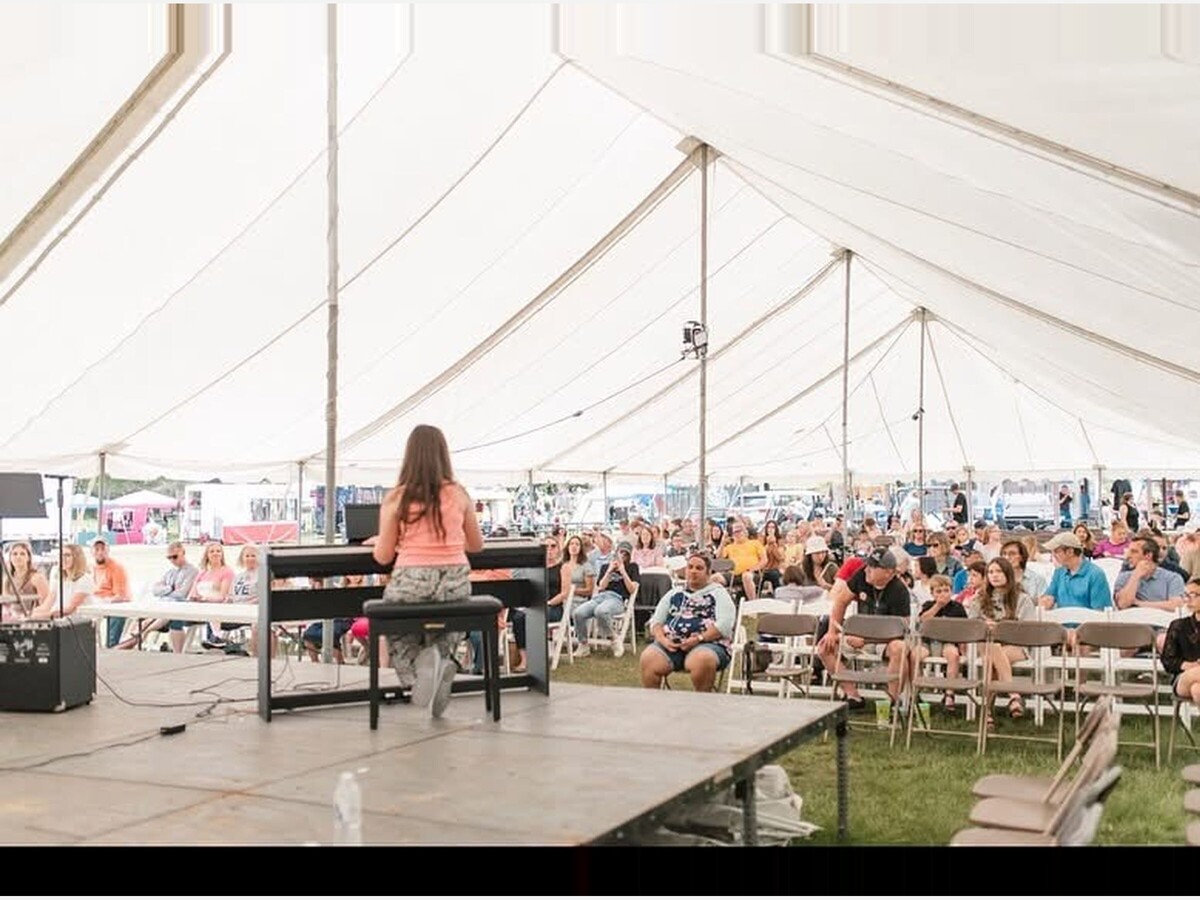



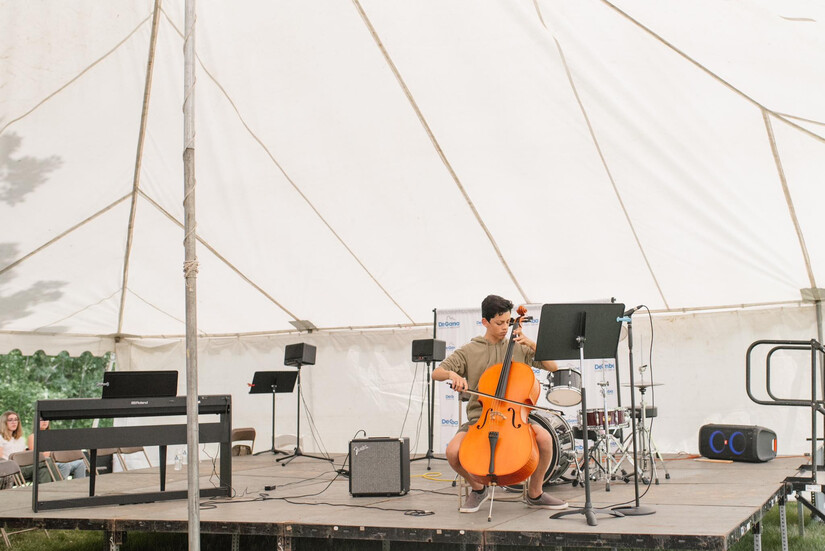
The true prelude to the St. Francis Pioneer Days festival does not happen under the grand canvas tent at Community Park, nor does it wait for the official applause of neighbors on May 31. It happens weeks earlier in small, sunlit rooms where five-year-olds wrestle with the unwieldy geometry of quarter-size violins and teenagers run their fingers over worn guitar frets until their calluses harden.
When more than fifty young musicians and dancers step onto the stage this weekend, the audience will hear a polished showcase of local talent. Students ranging from toddlers to high school seniors will step before family members, friends, and visitors to share performances that have cost them months of silent, invisible labor. For many in attendance, the afternoon will be a delightful civic tradition, an opportunity to cheer for local youth while eating fair food. Beneath the music, however, lies a much larger story. The recital represents the visible outcome of a quiet, decade-long investment in local access to expression. It is the public manifestation of an institution that began without a storefront or a capital campaign, evolving instead into a creative sanctuary for hundreds of young people across the St. Francis area.
That institution is the DeGamba School of Music and Art, and its origin story begins not with a corporate blueprint, but with the specific resonance of a violin.
When Addison Nichols reflects on how DeGamba came to define his professional life, he does not describe a carefully orchestrated strategy to conquer a market niche. Instead, he describes a sequence of unexpected invitations that caught him entirely off guard. Raised by two attorneys in a household that deeply respected classical music without practicing it as a trade, Nichols and his three sisters were encouraged to explore instruments early. He gravitated toward the violin, pursuing it with a fierce focus that eventually carried him through a performance degree at a college in California.
Upon returning home to Minnesota after graduation, he found himself drifting at a career crossroads. Music remained his central passion, yet he was actively considering other professional directions, viewing his private violin lessons as a transient side endeavor rather than a lifelong calling.
The trajectory shifted during a routine speaking engagement at a local school where he had been invited to perform for the student body. After he packed away his bow, a small group of parents cornered him in the hallway to ask if he would be willing to teach their children locally. He agreed, assuming it would remain a modest arrangement.
Then, the math of community need took over. One student led to another, a violin lesson generated a request for guitar instruction, and families began talking across backyard fences. Nichols was initially skeptical, largely because he had internalized the prevailing cultural assumption that serious arts education required the density and wealth of metropolitan centers. He did not believe a small community like St. Francis could sustain a high-level music program, but the town quickly proved his cynicism wrong. Within a month, his roster climbed to twenty students. By the conclusion of the first year, a hundred families were crowding his schedule.
The rapid growth demanded physical space, additional faculty, and a broader structural vision. He chose the name DeGamba during these formative years, drawing inspiration from the historic viola da gamba to reflect the school's earliest focus on stringed instruments. Today, the academy offers comprehensive instruction across dozens of musical disciplines while simultaneously supporting vibrant dance and visual arts programs. Yet Nichols is fiercely protective of the narrative, refusing to frame this growth as a solo achievement. The expansion, he insists, belongs entirely to the community that demanded it.
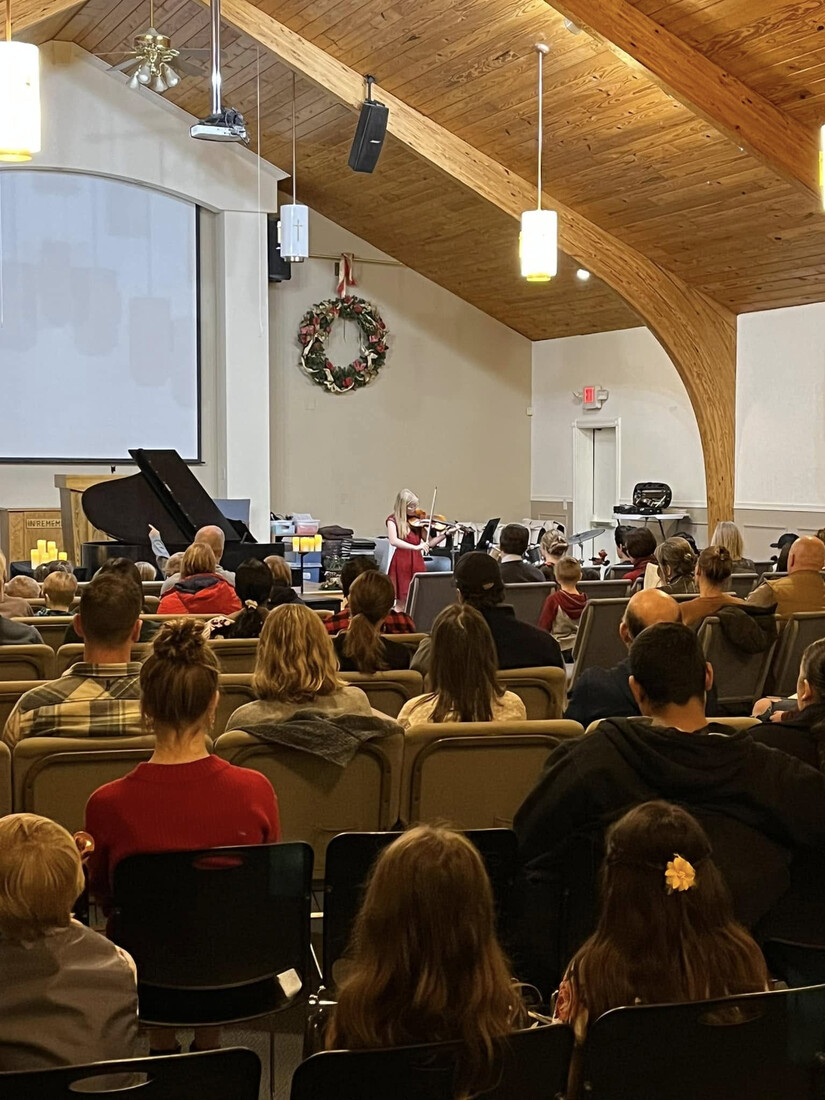
The defining characteristic of DeGamba's rise is how consistently Nichols redirects praise away from his own studio and toward the families who built the ecosystem. The hunger for artistic expression was already present in the soil of St. Francis; parents were actively searching for enrichment, children were listening for melody, and local instructors were eager to teach. The school succeeded simply because people kept showing up to do the work.
This reality challenges the elitist notion that meaningful cultural institutions can only blossom in major urban hubs. Across greater Minnesota, rural and suburban communities quietly sustain theater troupes, dance ensembles, and orchestras. The primary barrier has rarely been a lack of interest, but rather a lack of geographic access. For families in the North Metro, DeGamba became the local answer to a systemic void, drawing students from increasingly distant zip codes and attracting top-tier teachers who believed in the regional mission. What emerged was not merely a retail music business, but a self-sustaining ecosystem built entirely around relationships.
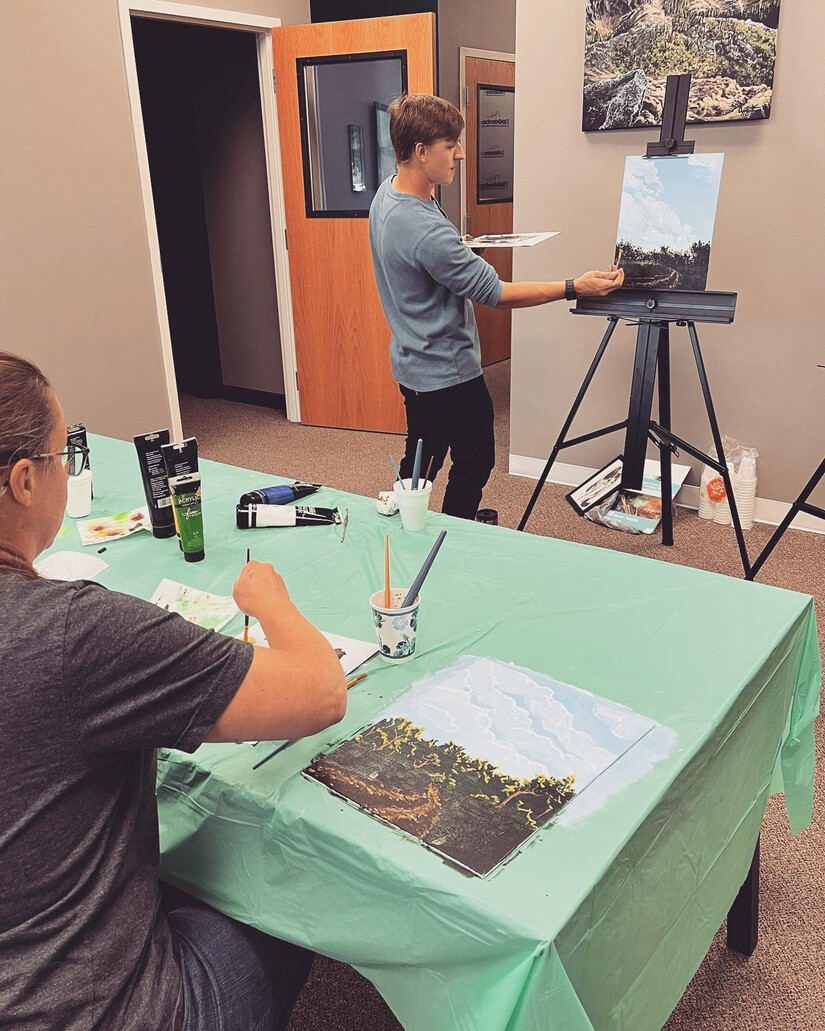
Every durable institution eventually crystallizes its core values into a working philosophy. At DeGamba, that ethos is distilled into a deceptively simple phrase: The Arts Are For You. This guiding principle acts as a direct rejection of the cultural gatekeeping that often makes classical training feel intimidating or exclusionary. Nichols notes that too many people grow up believing the arts are a luxury reserved exclusively for prodigies or affluent elites, a myth that causes thousands of potential artists to never take the first step.
The school rejects this rigid hierarchy. Some students arrive with aspirations of conservatory auditions and orchestral careers, while others are simply searching for a healthy weekend hobby or a way to learn a favorite pop song. DeGamba purposefully structures its environment to accommodate both trajectories without judgment. Instructors meet students precisely where they are, tailoring pedagogy to individual temperaments rather than forcing every child into a uniform mold. This relational approach recognizes that children process criticism and encouragement differently, meaning that effective teaching requires understanding the human being before adjusting the instrument. The ultimate objective is not to manufacture flawless technicians, but to foster human growth through creative discipline.
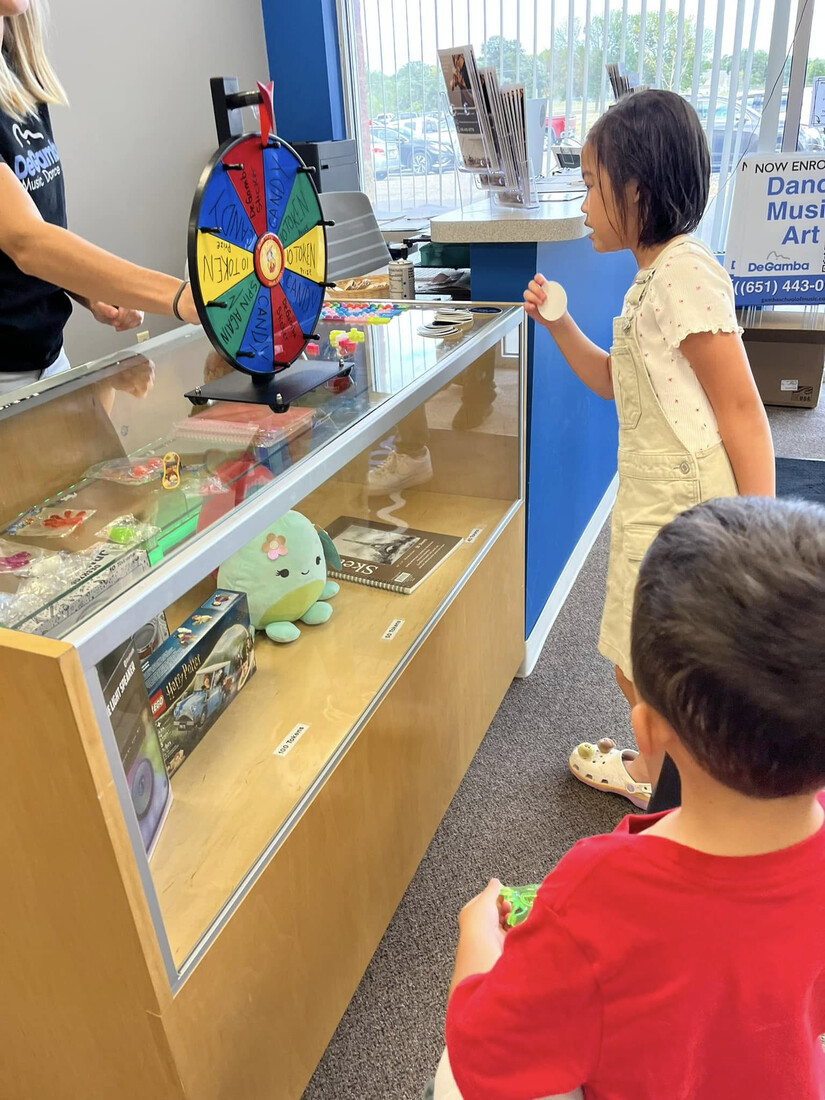
For Nichols, the most profound victories in the studio have very little to do with perfect pitch, choreographic syncopation, or technical precision. He recalls one particular student who arrived at her lessons crippled by performance anxiety, consistently speaking of her own abilities with harsh defeatism. Like many children facing a difficult task, she had developed a habit of focusing entirely on her limitations.
During their weekly sessions, Nichols began gently challenging the vocabulary she used to describe her progress. One afternoon, after a frustrating repetition of a difficult passage, he stopped the lesson and asked her to name one thing she genuinely liked about her playing. The student broke down in tears, overwhelmed by the sudden permission to be kind to herself.
That breakthrough had nothing to do with mastering a musical score and everything to do with shifting her internal architecture. Learning an instrument demands deep vulnerability, creating art requires courage, and performing before an audience forces a child to face their fear. Over time, these weekly artistic risks build resilience that protects students far beyond the walls of the music room, transforming shy children into articulate young adults who carry themselves with quiet confidence.
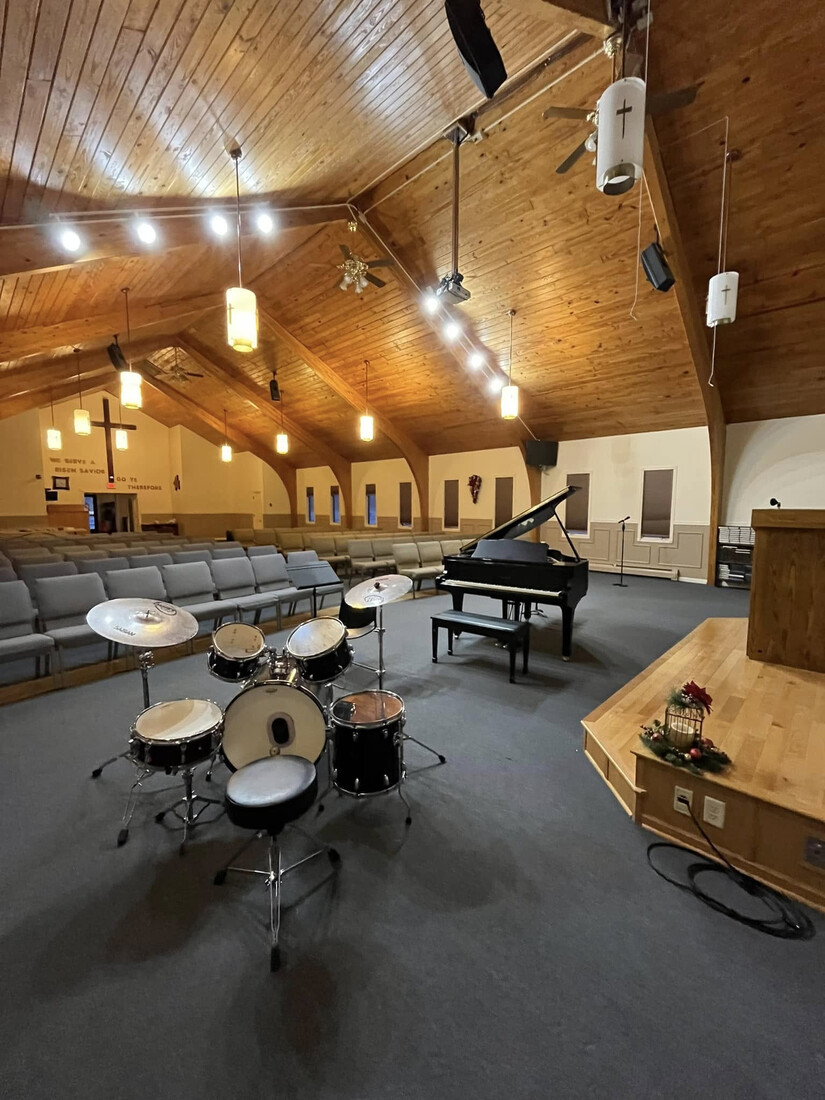
While public performance occupies a central role in the DeGamba curriculum, the environment of these showcases is intentionally distinct from other youth activities. Nichols acknowledges the immense value of competitive sports, noting that athletics offer vital lessons in teamwork and physical endurance. However, he maintains that the recital stage offers a crucial counterweight to a culture obsessed with ranking children against one another.
The Pioneer Days recital is not a tournament with winners, losers, and scoreboards. When a student steps up to the microphone or sits down at the piano under the festival tent, they are not trying to defeat an opponent. They are sharing the vulnerable fruit of their private labor with their neighbors. This structural distinction creates a rare public square centered entirely on collective celebration and mutual encouragement, allowing the community to applaud individual effort without creating a hierarchy of talent.
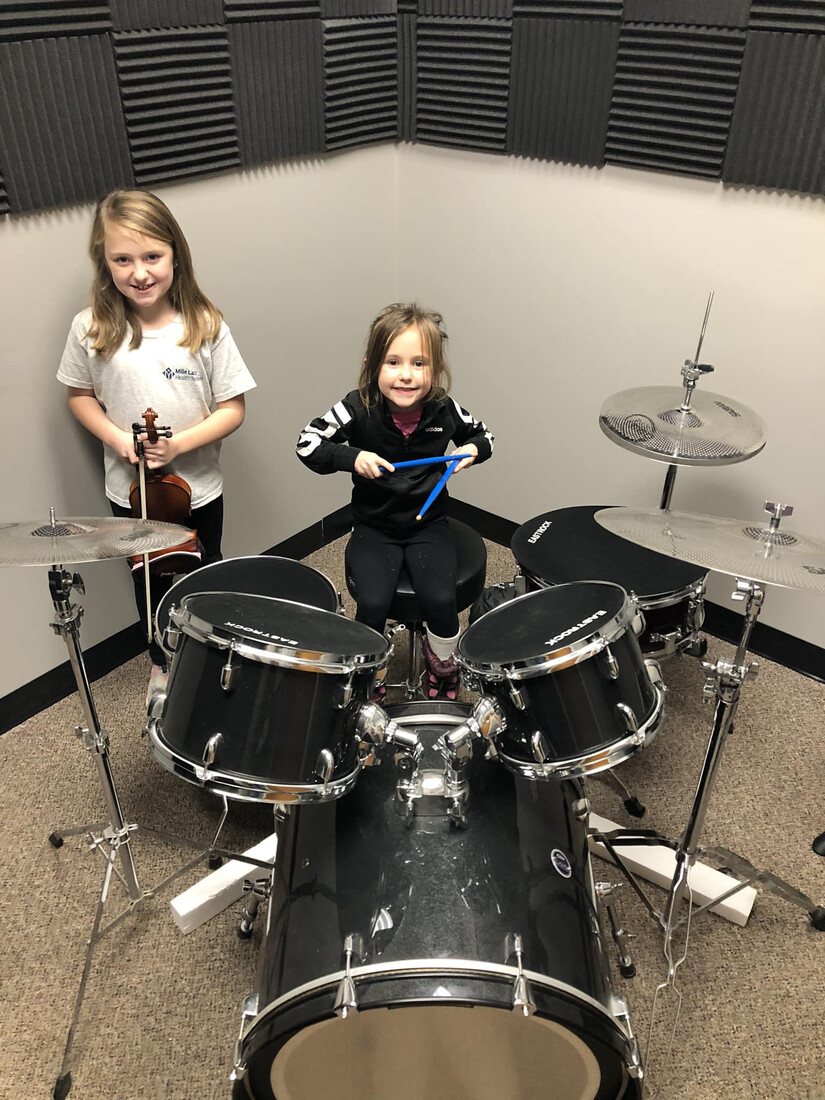
Throughout his years running the academy, Nichols has found himself speaking more and more about the countercultural value of patience. Modern life is built around the illusion of immediacy, offering instant information, algorithmic entertainment, and digital shortcuts for almost every human endeavor.
Art, however, remains stubbornly immune to speed. A student cannot download the muscle memory required to play a violin sonata, and a dancer cannot automate the core strength needed for a complex routine. Creative mastery demands an immense amount of unglamorous, repetitive time.
By forcing students to embrace the grueling process rather than obsessing over the immediate outcome, DeGamba provides a rare education in delayed gratification. The true reward is not the fleeting applause at the end of the recital, but the quiet confidence earned through every frustrating practice session, every technical correction, and every minor breakthrough. This discipline inevitably bleeds into how these young people approach their schoolwork, their relationships, and their future careers, providing them with a steady internal anchor that helps them navigate the complexities of adult life.
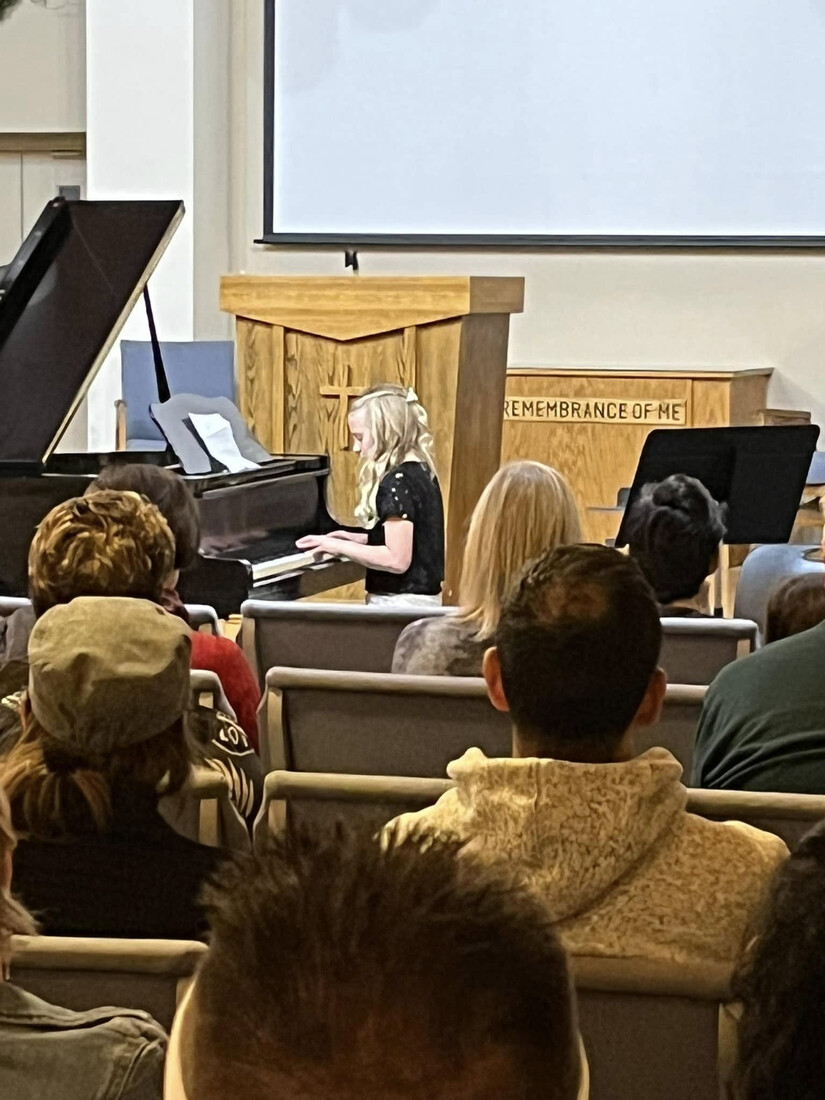
When parents pull into the DeGamba parking lot week after week, they are rarely looking to groom international virtuosos. More often, they are looking for a safe, structured space where their children can explore their identities and build character. They want their children to find healthy outlets for their emotions and to learn how to fail forward in a supportive environment.
This intentional blend of high accountability and deep emotional safety has become DeGamba’s defining signature. Students are expected to practice, expected to respect the craft, and expected to push past their comfort zones, but they are also deeply welcomed exactly as they are. This rare balance explains why families choose to remain invested in the school for decades, watching their children grow from toddlers clapping to a rhythm into teenagers composing their own music.
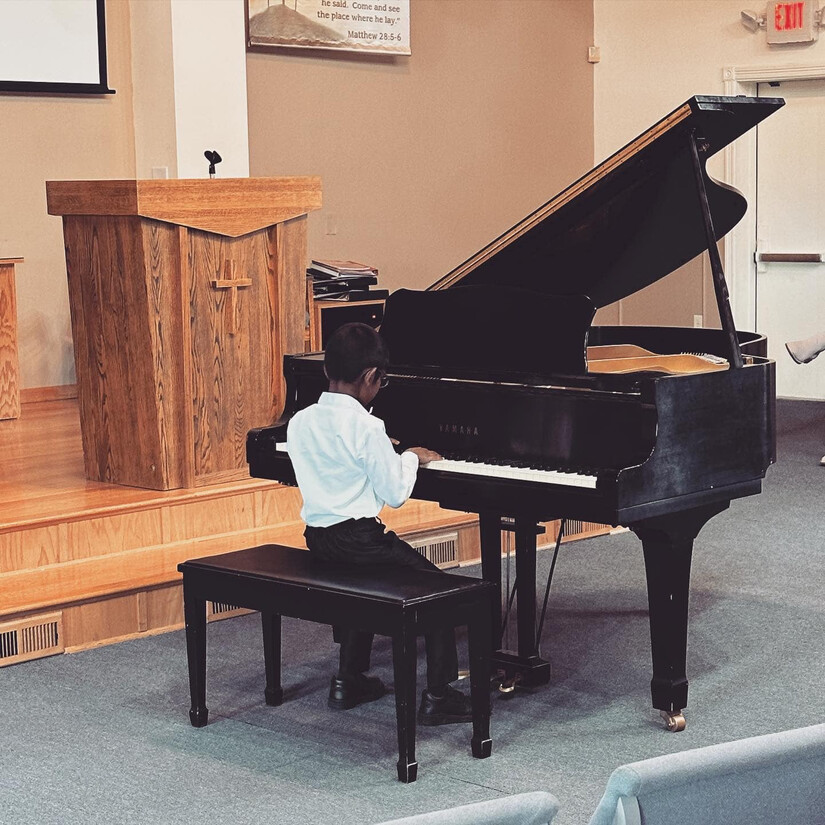
When the crowds gather beneath the park tent this Sunday, they will visually consume a fast-moving, entertaining show. If they look closer, however, they will see the cumulative evidence of thousands of hours of domestic devotion. They will see teachers who have poured their wisdom into the next generation, parents who have spent years driving to lessons, and young people who have discovered an interior strength they did not know they possessed.
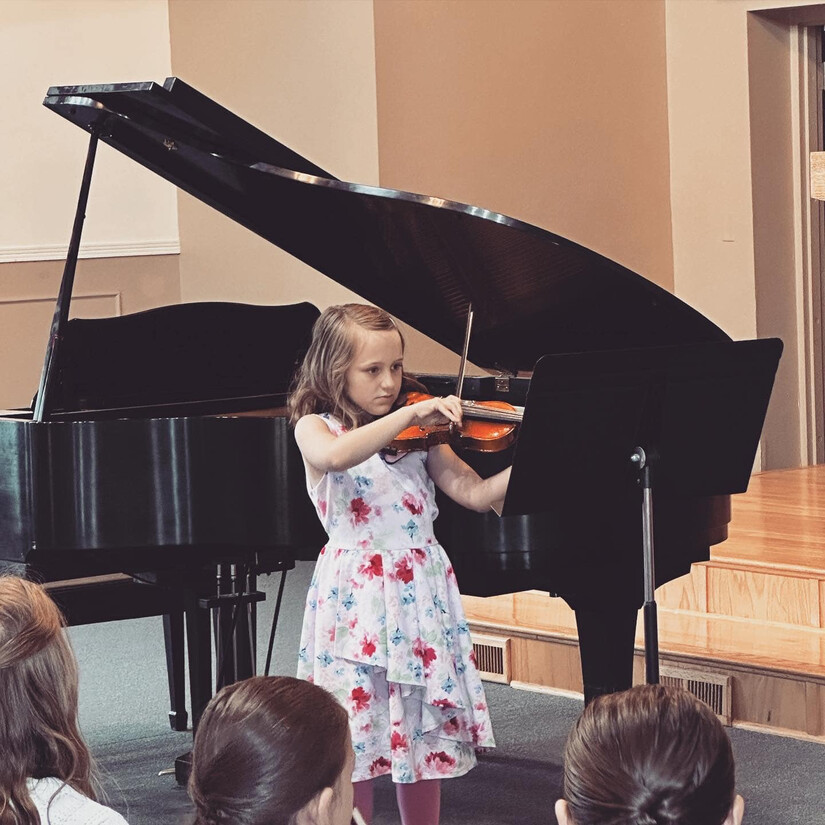
Some performers will confront a public audience for the first time in their lives, while others will take the stage with the seasoned grace of veteran artists. Together, they form something much larger than a weekend talent show; they represent the creative infrastructure of a town that intentionally chose to make room for beauty.
As the first notes rise into the summer air, the audience will witness the beautiful culmination of a journey that started long before the stage lights were turned on. It is a journey sustained by local families, amplified by dedicated educators, and protected by a civic community that believes human connection is the most valuable asset a town can possess. For Addison Nichols, the real triumph is not the flawless execution of the sheet music, but the profound human transformation that occurs in the hearts of the young people who step forward to play it.
MinneapoliMedia | Community. Culture. Civic Life.



Sunny, with a high of 87 and low of 64 degrees. Sunny in the morning, patchy rain nearby overnight.