70° and Clear
Image



June 13, 2026
The second day of the 2026 FIFA World Cup belonged to the hosts. Twenty-four hours after Mexico opened the tournament with a victory over South Africa, attention shifted north to Toronto and Los Angeles as Canada and the United States began their own World Cup journeys. The result was a day that delivered two very different stories but a common conclusion: North America's co-hosts arrived prepared to compete. For Canada, the evening produced a long-awaited breakthrough. For the United States, it produced a statement.
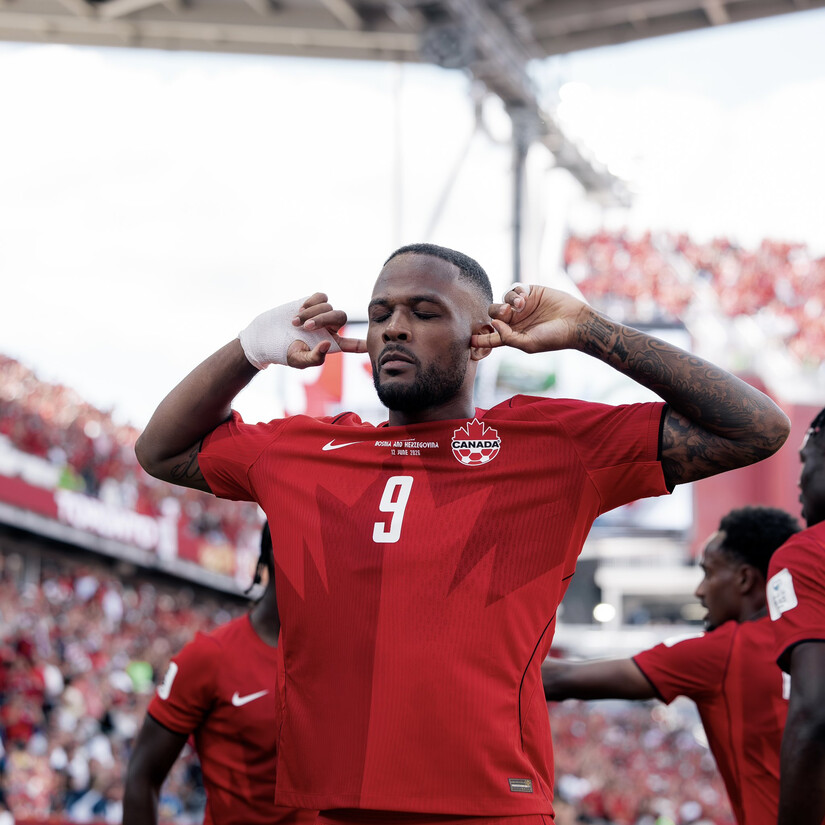
By the end of Day Two, Canada had earned the first men's World Cup point in its history, while the United States delivered one of the most impressive opening performances of the tournament's young life. Together, the results transformed the atmosphere surrounding the host nations and added momentum to a World Cup that is rapidly finding its identity.
|
Team |
Played |
Won |
Drawn |
Lost |
GF |
GA |
GD |
Points |
|
Switzerland |
0 |
0 |
0 |
0 |
0 |
0 |
0 |
0 |
|
Qatar |
0 |
0 |
0 |
0 |
0 |
0 |
0 |
0 |
|
Canada |
1 |
0 |
1 |
0 |
1 |
1 |
0 |
1 |
|
Bosnia and Herzegovina |
1 |
0 |
1 |
0 |
1 |
1 |
0 |
1 |
|
Team |
Played |
Won |
Drawn |
Lost |
GF |
GA |
GD |
Points |
|
United States |
1 |
1 |
0 |
0 |
4 |
1 |
+3 |
3 |
|
Australia |
0 |
0 |
0 |
0 |
0 |
0 |
0 |
0 |
|
Türkiye |
0 |
0 |
0 |
0 |
0 |
0 |
0 |
0 |
|
Paraguay |
1 |
0 |
0 |
1 |
1 |
4 |
-3 |
0 |
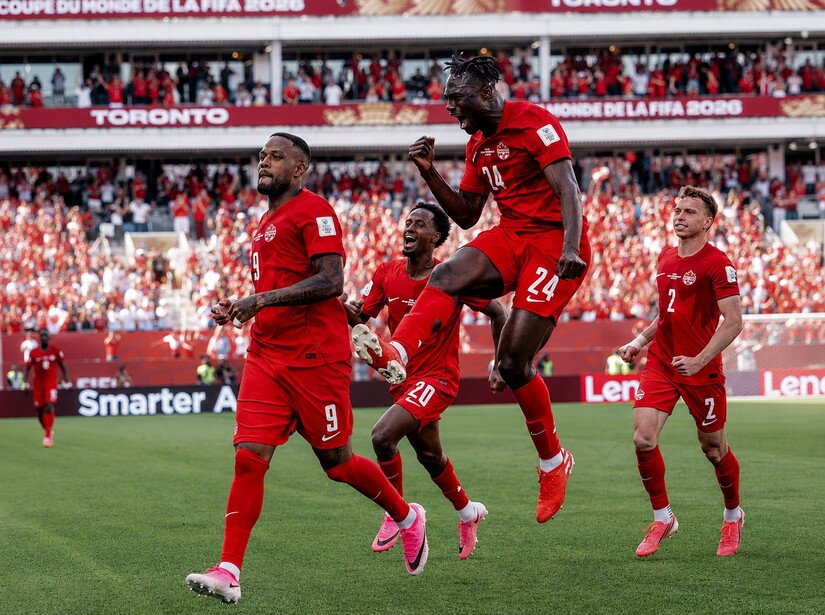
The pressure surrounding Canada entering its opening match against Bosnia and Herzegovina was difficult to overstate. Despite qualifying for the World Cup in 1986 and 2022, Canada entered the tournament having never earned a point in a men's World Cup match. Six matches. Six defeats. For a program that has spent the past decade building toward this moment, that statistic hovered over Toronto Stadium throughout the afternoon.
The challenge was significant. Bosnia and Herzegovina arrived riding an extended unbeaten run and carrying confidence after navigating a difficult qualification path to reach only its second World Cup as an independent nation. Under manager Sergej Barbarez, Bosnia adopted a disciplined, compact defensive structure designed to frustrate Canada's aggressive pressing style.
The visitors struck first. In the opening half, Jovo Lukic rose to head home Bosnia's opener, stunning the home crowd and immediately shifting the emotional dynamics of the contest. The goal forced Canada into a familiar and uncomfortable position: chasing a result on the world's biggest stage. For much of the afternoon, Canada controlled possession and territory but struggled to create the decisive breakthrough. The absence of captain Alphonso Davies remained noticeable. Without his pace and ability to stretch defenses, Canadian attacks frequently encountered a wall of Bosnian defenders committed to protecting the central areas of the field.
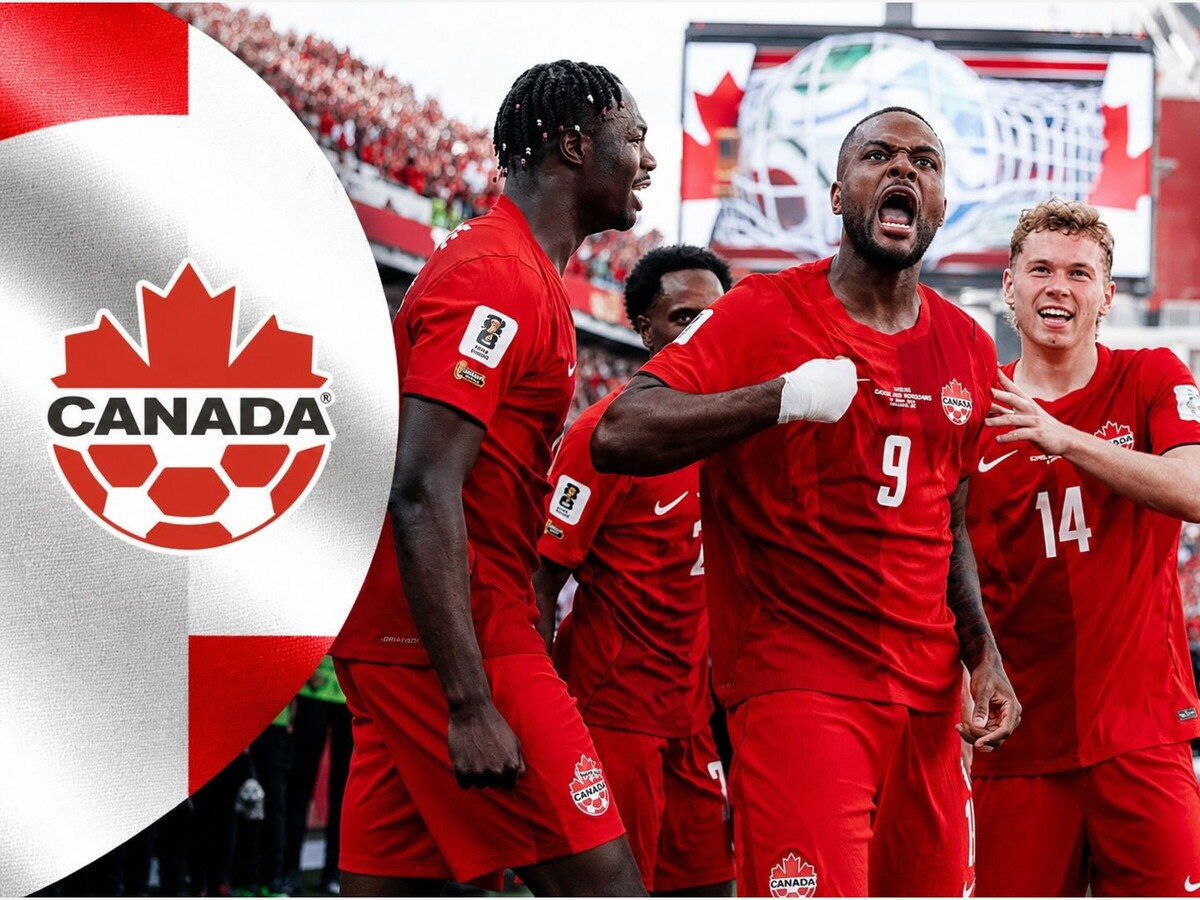
Yet this Canadian team displayed a quality previous generations often lacked: patience. Rather than forcing the match, Canada continued pressing forward, trusting that opportunities would eventually arrive. Head coach Jesse Marsch turned to his bench, and the decision changed everything. Veteran striker Cyle Larin entered the match in the closing stages and needed only moments to leave his mark on the tournament. In the 78th minute, Larin buried the equalizer, igniting celebrations throughout Toronto and securing Canada's first-ever point in men's World Cup history.
The significance of the moment extended beyond the scoreboard. For decades, Canadian soccer existed largely on the periphery of the global conversation. The country produced talented players and passionate supporters but struggled to translate potential into results at the sport's highest level. Friday changed that. One point may not appear historic on paper, but for Canadian soccer, it was. The draw does not guarantee advancement from Group B, which still includes difficult matches against Qatar and Switzerland, but what it does provide is belief. Canada no longer carries the burden of being a World Cup nation without a result. The psychological significance of that achievement should not be underestimated.
While Canada fought for history, the United States entered the tournament pursuing something different: expectations. The Americans arrived at World Cup 2026 carrying the burden that accompanies a talented roster, a respected manager, and home-field advantage. The question surrounding Mauricio Pochettino's squad was not whether it belonged at the tournament, but how far it could go.
Against Paraguay in Los Angeles, the United States provided an emphatic early answer. The Americans overwhelmed Paraguay in a commanding 4-1 victory that immediately established them as one of the tournament's most intriguing teams. It was the type of performance supporters had hoped to see for years: confident, aggressive, technically sharp, and relentlessly ambitious.
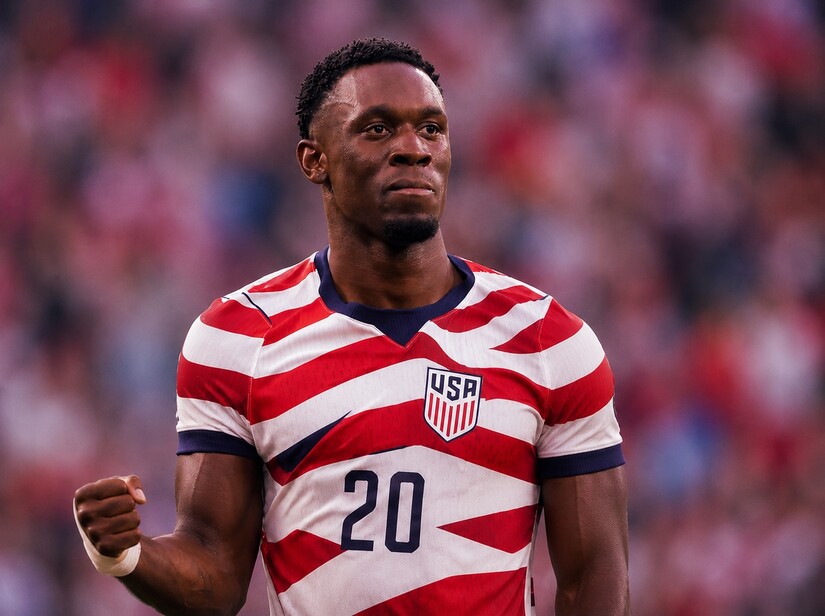
The star of the evening was Folarin Balogun. For years, American soccer searched for a striker capable of consistently converting opportunities against elite opposition. Balogun's performance suggested the search may be over. The forward scored twice in his World Cup debut, combining intelligent movement, clinical finishing, and an instinctive understanding of space inside the penalty area.
The co-hosts took just seven minutes to break the deadlock in front of a vibrant home crowd, courtesy of an own goal from Paraguay midfielder Damián Bobadilla. Christian Pulisic played a key role in the move, bursting between two defenders before finding Weston McKennie, whose cut-back was inadvertently turned into his own net by Bobadilla. Pochettino's side thought they had doubled their advantage in the 28th minute when Balogun found the net, only for the goal to be ruled out for offside. The Monaco striker was not to be denied for long. Three minutes later, he emphatically finished from a Pulisic pass to make it 2-0. Balogun struck again in first-half stoppage time, firing his second goal into the top far corner of Paraguay's net to establish a commanding 3-0 lead by the interval. With this performance, Balogun became only the second U.S. player to score more than once in a World Cup match, joining Bert Patenaude, who recorded the tournament's first hat-trick during the inaugural World Cup in 1930, also against Paraguay.
Around him, the supporting cast excelled. Christian Pulisic orchestrated attacks before departing at halftime with what was described as a minor calf concern, replaced by Sebastian Berhalter. Weston McKennie controlled midfield transitions, while Sergiño Dest and Antonee Robinson provided width and attacking energy from the fullback positions. The Americans consistently stretched Paraguay's defensive structure and created scoring opportunities from multiple areas of the field.
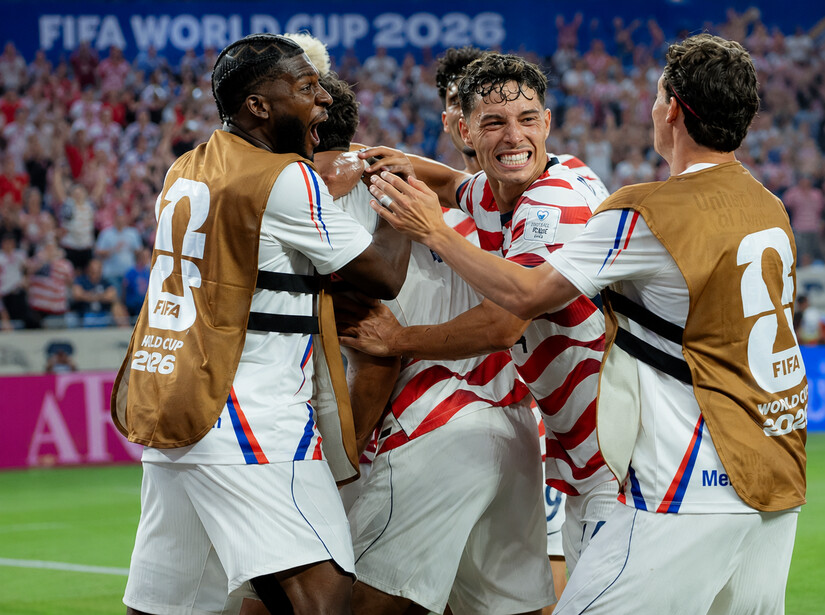
Most importantly, the United States played with confidence. Rather than appearing burdened by the expectations attached to a home World Cup, the squad embraced them. That confidence has become a defining characteristic of this generation. Unlike previous American teams that often approached elite opponents with caution, this group increasingly expects to dictate matches rather than merely survive them. Friday's performance reinforced that evolution.
Paraguay managed a goal of its own in the 72nd minute through Maurício, exposing moments of defensive vulnerability that will require attention moving forward. Yet the overall balance of the match was never seriously in doubt once the Americans found their rhythm. Substitute Giovanni Reyna finalized the scoreline in the seventh minute of second-half stoppage time, striking late to secure the 4-1 win. The result matched the United States' biggest-ever World Cup victory margin, equalling their 3-0 wins over Paraguay and Belgium in 1930. The victory places the United States in a strong position within Group D and provides an immediate boost of momentum before upcoming matches against Australia and Türkiye.
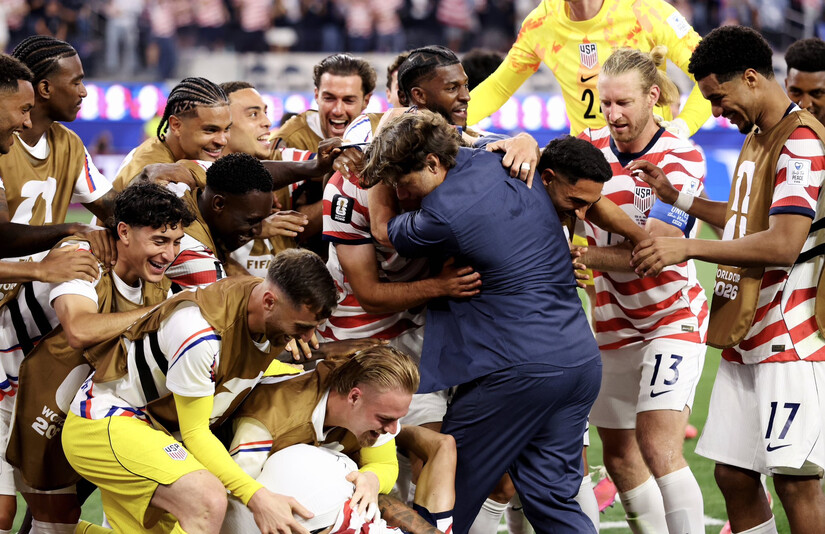
The most striking development of Day Two may have been the atmosphere surrounding the co-host nations. Entering the tournament, questions lingered: Could Canada handle the pressure of hosting? Could the United States transform potential into performance? Would North American supporters embrace a month-long football tournament in the same way fans traditionally do in Europe and South America?
The evidence from Friday suggests the answers may be more positive than skeptics anticipated. Toronto Stadium was filled with emotion, anxiety, hope, and eventually relief. Los Angeles Stadium delivered one of the loudest and most energetic atmospheres seen anywhere in the tournament thus far. Supporters responded not simply as spectators but as participants in a defining sporting moment for their respective countries. That energy matters. World Cups often develop emotional momentum. Host nations that capture early belief can become increasingly dangerous as tournaments progress.
After two days of competition, the opening narratives of World Cup 2026 are beginning to emerge. Mexico successfully carried the burden of opening the tournament. South Korea demonstrated resilience through its comeback victory over the Czech Republic. Canada earned a historic first point, and the United States announced itself as a legitimate threat. Meanwhile, South Africa, Bosnia and Herzegovina, Paraguay, and the Czech Republic now face increased pressure entering their second group-stage matches. The margins inside the groups are already beginning to tighten. The expanded 48-team format was designed to create more opportunities and more uncertainty. Thus far, it is delivering both.
Several critical conclusions emerged from Day Two:
Attention now turns toward the next wave of group-stage fixtures as additional contenders begin their campaigns. For Canada, the focus shifts toward their upcoming Group B fixture against Qatar at BC Place in Vancouver on June 18. For the United States, attention turns toward their next Group D encounter against Australia. Meanwhile, for Mexico and South Korea, an increasingly significant showdown awaits atop Group A on June 18 at Guadalajara Stadium.
The tournament remains young, and only two days have passed. Yet the first outlines of World Cup 2026 are already becoming visible. Canada has a point, the United States has a statement victory, the hosts have momentum, and the largest World Cup ever staged is only beginning.
MinneapoliMedia | Community. Culture. Civic Life.



Sunny, with a high of 97 and low of 66 degrees. Sunny for the morning, clear for the afternoon and evening,