67° and Cloudy
Image
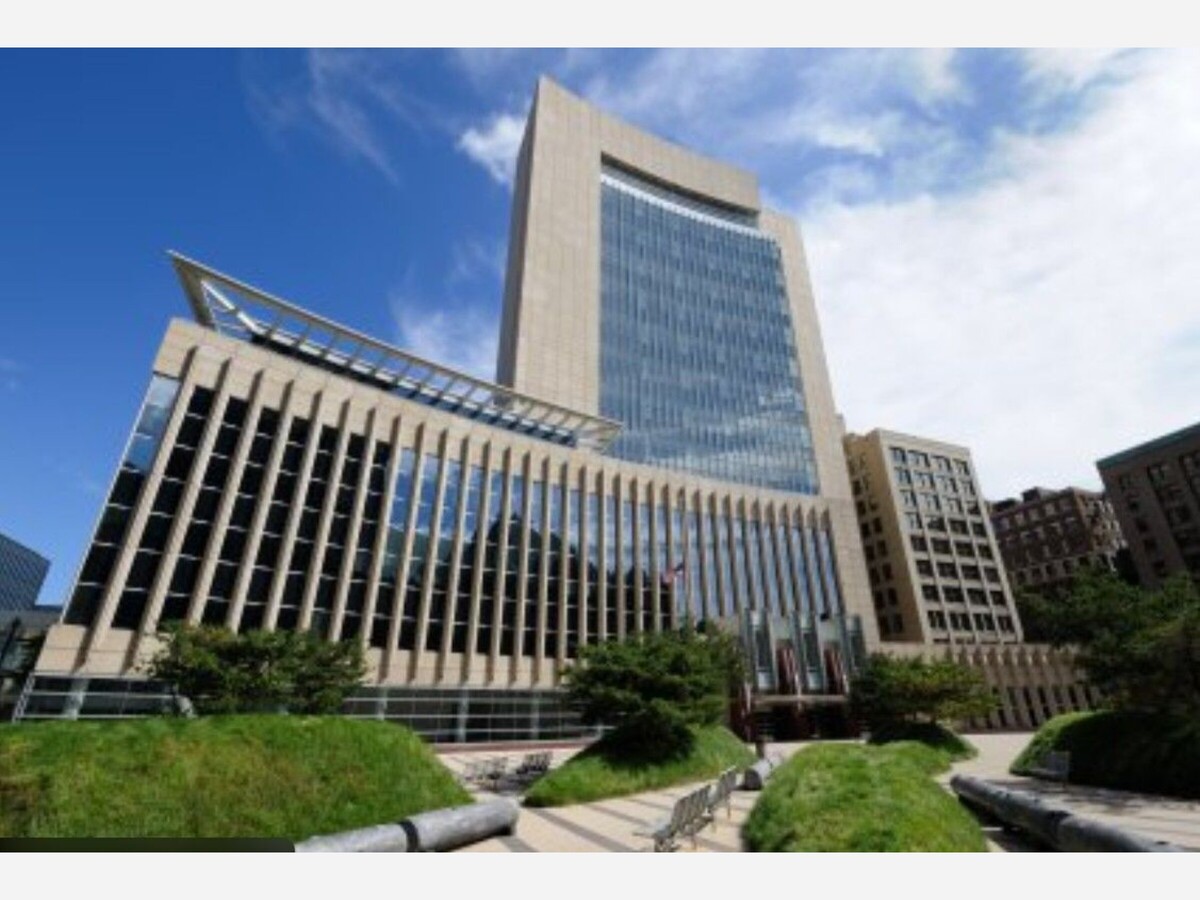



U.S. District Judge Katherine Menendez issued a preliminary injunction Monday, only days before the law was scheduled to take effect August 1.
The decision allows platforms including Kalshi and Polymarket US to continue offering event contracts to Minnesota users while three related federal cases proceed.
The ruling does not permanently invalidate Minnesota’s law. It preserves the existing situation until the court conducts a fuller review and reaches a final decision on the merits.
Minnesota enacted the first state law directly prohibiting the operation and promotion of prediction markets.
The statute would impose criminal penalties on businesses that operate, host or promote covered prediction-market activity in the state. It would also reach certain companies or individuals providing services supporting prohibited transactions.
Prediction platforms allow customers to purchase contracts based on whether a future event will occur. Those events can involve elections, sports, economic developments, government decisions and other real-world outcomes.
Minnesota officials consider many such transactions gambling. The platforms describe them as federally regulated event contracts or financial instruments.
The U.S. Commodity Futures Trading Commission, Kalshi and Polymarket filed separate lawsuits challenging the Minnesota statute.
They argued that the federal Commodity Exchange Act gives the CFTC exclusive authority over qualifying swaps and other transactions offered through federally regulated markets. Kalshi and Polymarket also raised First Amendment objections to the law’s restrictions on advertising and information.
Menendez concluded that the challengers had demonstrated a likelihood of succeeding, at least in part, on their claim that federal law expressly preempts Minnesota’s attempt to regulate transactions falling within the CFTC’s exclusive jurisdiction.
She also found that the companies faced potentially irreparable harm if they were required either to leave the Minnesota market or risk felony prosecution while the litigation continued.
The 44-page order does not declare that every contract offered by Kalshi or Polymarket qualifies as a federally regulated swap.
Menendez wrote that some event contracts may fall outside the federal definition. If so, Minnesota could have a stronger argument that it retains authority over those transactions.
The judge said any permanent injunction could ultimately be narrower than the temporary order. She also declined to resolve the challengers’ broader First Amendment and implied-preemption arguments at this stage.
The preliminary injunction instead prevents across-the-board enforcement while the court determines which contracts fall within federal jurisdiction and how much authority remains with the state.
Minnesota Attorney General Keith Ellison said he disagreed with the ruling and would continue defending the statute.
Ellison characterized prediction markets as gambling and maintained that Minnesota has the right to protect residents from what he called predatory activity.
Kalshi welcomed the order, arguing that states cannot prohibit transactions outside their jurisdiction.
The dispute raises a broader national question about whether prediction markets are gambling subject to state control or federally regulated financial exchanges governed primarily by commodities law.
Courts in other states have reached differing conclusions when state gambling laws have been applied to prediction platforms. Minnesota’s statute is distinctive because it directly targets prediction markets rather than relying only on previously existing gambling restrictions.
Unless the injunction is modified or overturned, Minnesota cannot enforce the new ban when it otherwise would have taken effect August 1.
Sources: Federal preliminary-injunction order; Reuters; MPR News; CBS Minnesota; FOX 9
MinneapoliMedia | Community. Culture. Civic Life.


Overcast, with a high of 86 and low of 67 degrees. Moderate rain for the morning, overcast in the afternoon,