Image
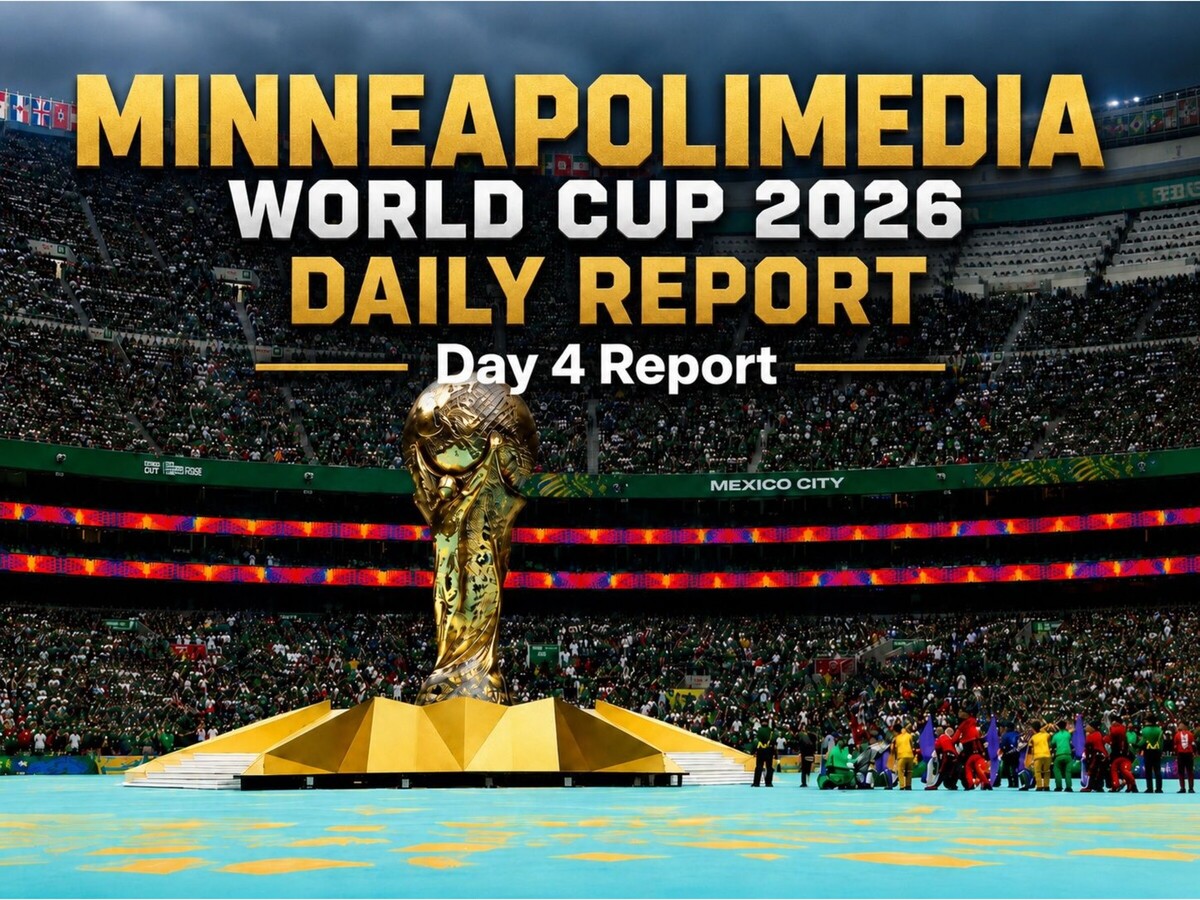



Four matches, sixteen goals, one dramatic late equalizer, and a statement performance from one of international football's traditional powers. The fourth day of the 2026 FIFA World Cup provided the tournament's most goal-filled slate to date and offered a reminder that opening matches are often as much about establishing identity as collecting points. Germany produced the tournament's most dominant performance so far with a seven-goal demolition of Curaçao. Japan demonstrated resilience by twice fighting back against the Netherlands in one of the most entertaining matches of the opening round. Ivory Coast secured a critical victory through a late breakthrough against Ecuador, while Sweden delivered an impressive second-half performance to overwhelm Tunisia and move atop Group F.
By the end of Sunday's action, the group-stage picture in Groups E and F had become significantly clearer. Germany and Sweden emerged as early group leaders, while Japan strengthened its credentials as one of Asia's most disciplined tournament teams. Ivory Coast positioned itself favorably for advancement, whereas Curaçao, Ecuador, Tunisia, and even the Netherlands entered the next phase of group play facing increased pressure. The expanded World Cup format was designed to create more opportunities for emerging nations while preserving the tournament's traditional heavyweight matchups, and Day 4 provided textbook examples of both.
|
Match |
Score |
Venue |
Attendance |
Status |
|
Germany vs Curaçao |
7 – 1 |
NRG Stadium, Houston |
68,524 |
FT |
|
Ivory Coast vs Ecuador |
1 – 0 |
Red Bull Arena, New Jersey |
— |
FT |
|
Match |
Score |
Venue |
Attendance |
Status |
|
Netherlands vs Japan |
2 – 2 |
Cotton Bowl, Dallas |
— |
FT |
|
Sweden vs Tunisia |
5 – 1 |
AT&T Stadium, Arlington |
— |
FT |
|
Team |
Played |
Won |
Drawn |
Lost |
GF |
GA |
GD |
Points |
|
Germany |
1 |
1 |
0 |
0 |
7 |
1 |
+6 |
3 |
|
Ivory Coast |
1 |
1 |
0 |
0 |
1 |
0 |
+1 |
3 |
|
Ecuador |
1 |
0 |
0 |
1 |
0 |
1 |
-1 |
0 |
|
Curaçao |
1 |
0 |
0 |
1 |
1 |
7 |
-6 |
0 |
|
Team |
Played |
Won |
Drawn |
Lost |
GF |
GA |
GD |
Points |
|
Sweden |
1 |
1 |
0 |
0 |
5 |
1 |
+4 |
3 |
|
Netherlands |
1 |
0 |
1 |
0 |
2 |
2 |
0 |
1 |
|
Japan |
1 |
0 |
1 |
0 |
2 |
2 |
0 |
1 |
|
Tunisia |
1 |
0 |
0 |
1 |
1 |
5 |
-4 |
0 |
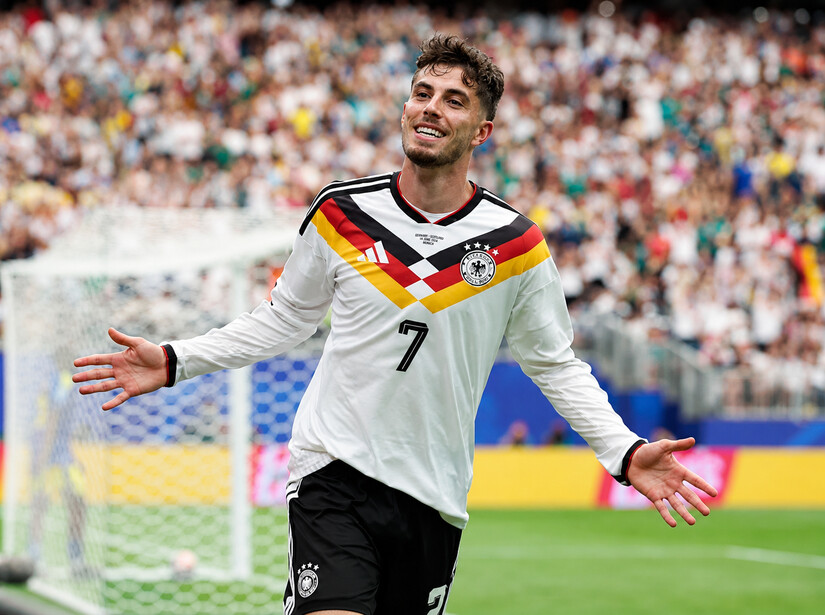
For Germany, the opening objective was straightforward: win convincingly, avoid complications, and begin the tournament with absolute momentum. The Germans accomplished all three. Their 7-1 victory over Curaçao in Houston represented the largest winning margin of the tournament so far, immediately establishing Germany as one of the most dangerous collective units in the competition. The result carried massive significance beyond the scoreline. Germany entered World Cup 2026 seeking redemption after a difficult decade by its own historical standards. Since winning the World Cup in Brazil in 2014, the Germans have experienced consecutive early group exits and periods of structural instability. This tournament represents an opportunity to reestablish Germany among football's elite powers, and Sunday's performance offered an encouraging first step.
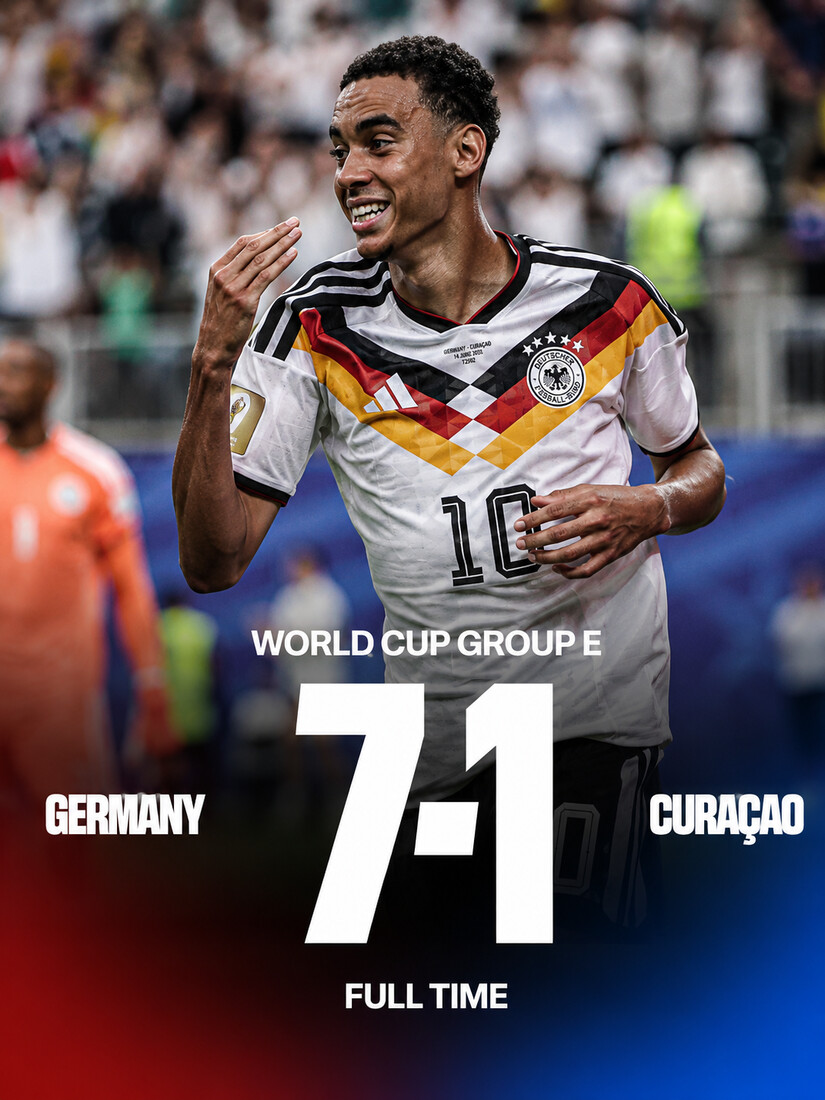
The match began exactly as expected, with Germany controlling possession and creating vertical opportunities. Felix Nmecha opened the scoring early, heading home from a corner to place the Europeans comfortably on course. Then came one of the most memorable moments of the tournament. In the twentieth minute, Curaçao midfielder Livano Comenencia capitalized on a momentary lapse in the German backline, driving a low finish past Marc-André ter Stegen to score the first World Cup goal in his nation's history. For a brief moment, the tournament debutants stood level with the four-time world champions. The celebration among Curaçao supporters reflected the significance of the achievement. Regardless of what followed, that goal secured a permanent place in the nation's sporting history.
Germany's tactical response, however, was immediate and emphatic. Rather than becoming unsettled, Julian Nagelsmann's side accelerated their attacking transitions. Nico Schlotterbeck restored the lead with a powerful header from a set piece, and Kai Havertz converted cleanly from the penalty spot before halftime. The second half became an exhibition of German depth, spatial movement, and ruthless finishing. Jamal Musiala added a fourth with a brilliant solo run, before young fullback Nathaniel Brown joined the scoresheet. Substitute Deniz Undav contributed another after entering the match, and Havertz completed his brace late.
By the final whistle, Germany had generated twenty-six total shots, controlled approximately sixty-five percent of possession, and restricted Curaçao to isolated breaks. Perhaps the most influential figure on the pitch was Joshua Kimmich. Operating as the central organizer of Germany's attacking rhythm, the veteran midfielder dictated tempo, orchestrated midfield transitions, and delivered two clinical assists. The victory immediately places Germany atop Group E and sends a clear signal to the rest of the field. While the quality of opposition will increase dramatically and the margin for error will shrink, Germany's opening performance suggested a team that has arrived fully prepared.
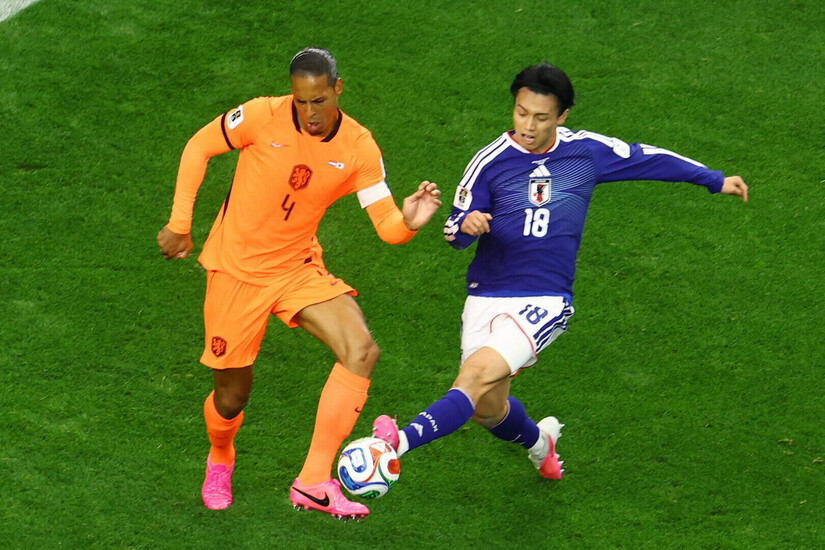
If Germany produced the most dominant performance, the Netherlands and Japan delivered the most entertaining match of the opening round. Their 2-2 draw in Dallas showcased two highly organized teams refusing to settle for low-block caution. For much of the first half, the contest resembled a tactical chess match. Neither side wanted to overcommit, both teams maintained strict defensive discipline, space was limited, and clear opportunities were rare.
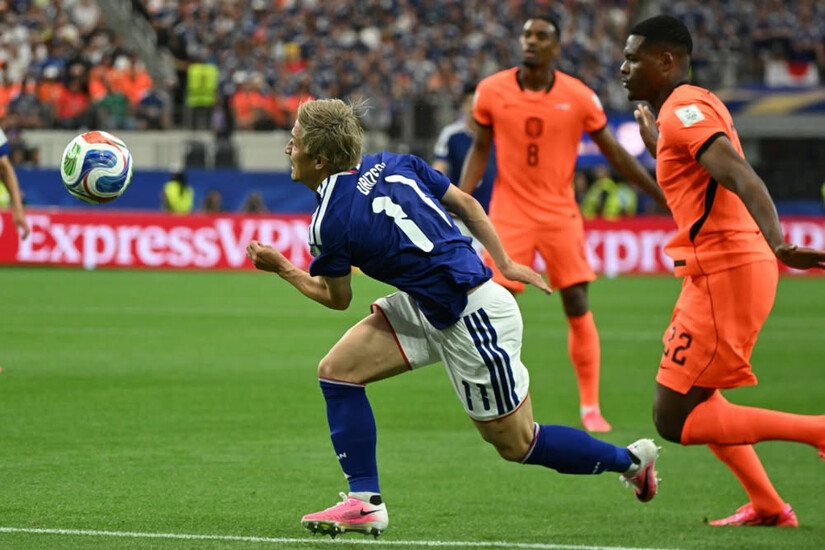
Then the match exploded in the second half. The Netherlands appeared to seize absolute control when Crysencio Summerville opened the scoring with a superb curling effort that highlighted the technical quality running throughout the Dutch squad. The goal changed the tempo immediately, forcing Japan to respond aggressively. The Samurai Blue increased their pressing intensity, attacked wider areas more frequently through their wingbacks, and forced the Dutch defense into hurried clearances. Their persistence paid off when Japan found an equalizer through a clinical strike from Ritsu Doan, transforming the match into an open exchange.
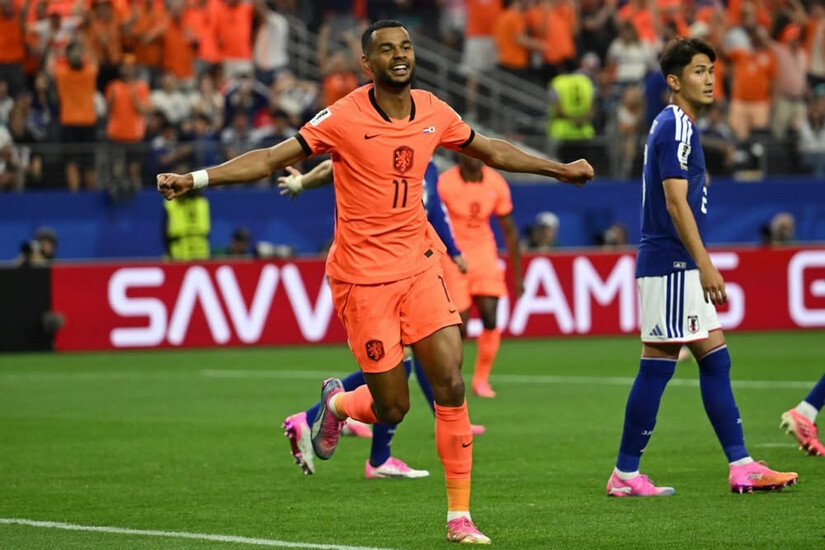
The Dutch quickly regained the lead via a powerful header from Brian Brobbey and appeared poised to secure three valuable points. Japan, however, refused to accept defeat. The defining tactical moment arrived in the eighty-eighth minute when Daichi Kamada found space between the Dutch lines, calmly collecting a clever pass and finishing low to make the score 2-2. The equalizer reflected one of Japan's most impressive characteristics as a football nation: emotional discipline. While many teams panic when trailing late in World Cup matches, Hajime Moriyasu's side remained composed, hunting spaces rather than forcing blind long balls. The result leaves both teams with a point. The Netherlands demonstrated high attacking quality, while Japan demonstrated resilience and tactical flexibility, keeping both sides firmly positioned to advance from Group F.
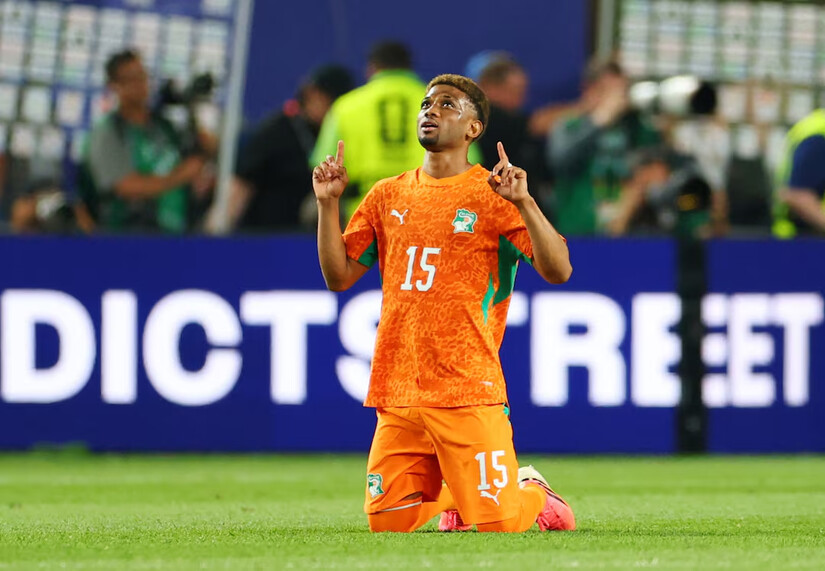
Not every World Cup victory arrives through tactical brilliance; some arrive through raw persistence. Ivory Coast's 1-0 victory over Ecuador belonged firmly in the second category. For nearly ninety minutes, the match remained locked in a physical stalemate at Red Bull Arena. Midfield battles dominated proceedings, possession changed frequently, and clear opportunities inside the penalty area were severely limited. The intense nature of the contest produced multiple cautions and reflected the high stakes attached to opening group-stage matches. Neither side wanted to commit the critical mistake that would decide the game, but eventually, the breakthrough arrived.
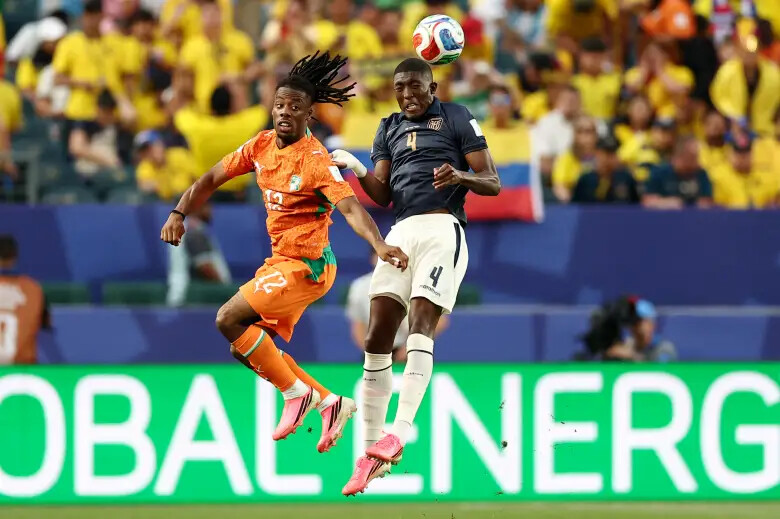
In the ninetieth minute, Amad Diallo produced the moment of magic. The Manchester United winger surged into the penalty area from the right flank, maintained his composure under pressure from two Ecuadorian defenders, and delivered a precise finish that finally separated the teams. The goal transformed a likely draw into a vital victory. For Ivory Coast, the significance extends beyond the three points. Historically, African teams have often struggled to convert strong defensive performances against South American opposition into definitive victories. This result broke that pattern, representing a vital tactical victory that strengthens their position within Group E. The Elephants did not dominate, but they survived a difficult physical match and capitalized on the decisive moment when it arrived. Tournament football frequently rewards exactly that clinical approach.
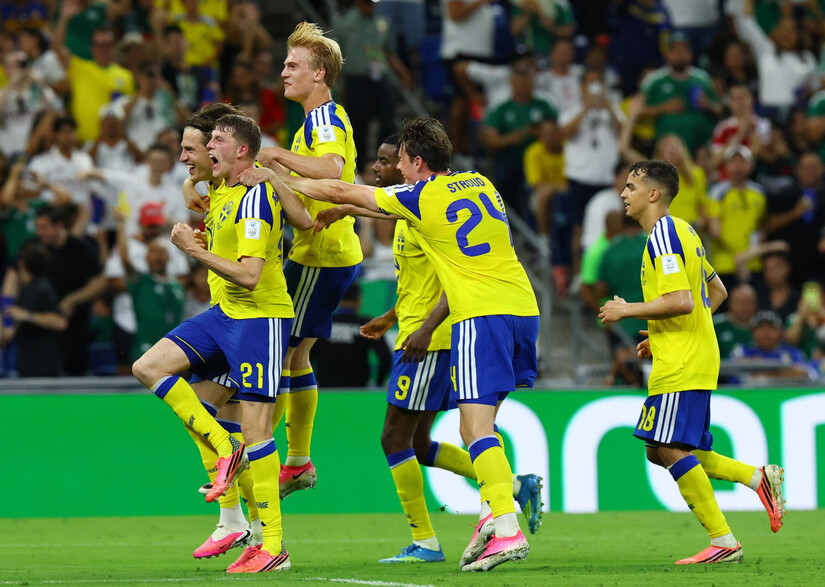
The final match of Day 4 began competitively, but it did not stay that way. Sweden's 5-1 victory over Tunisia emerged as one of the tournament's most complete team performances, immediately placing the Scandinavians atop Group F. The tactical breakthrough arrived early. Twenty-one-year-old midfielder Yasin Ayari stunned Tunisia with a spectacular long-range strike in the sixth minute, announcing himself to a global audience and giving Sweden immediate momentum. Tunisia responded effectively, maintaining structural organization and eventually finding an equalizer through Omar Rekik shortly before halftime.
At the interval, the match remained balanced, but the second half belonged entirely to Sweden. Manager Graham Potter's side elevated both the pace and quality of its play, exposing Tunisia repeatedly through rapid transitions and clinical finishing in the half-spaces. Alexander Isak and Viktor Gyökeres delivered the type of performances Swedish supporters have been waiting to see on a major international stage. Both forwards scored, both created clear opportunities for teammates, and both demonstrated why they are among Europe's most respected attackers.
Mattias Svanberg added a fourth goal after an extended VAR review confirmed his interior run was onside, and Ayari completed the rout deep into stoppage time with his second spectacular long-range strike of the evening. The scoreline reflected Sweden's total superiority during the final forty-five minutes. The victory also reinforced the growing belief that Sweden may be one of the tournament's more dangerous dark-horse contenders. Their squad combines youth and experience, their attack possesses multiple sources of goals, and their midfield appears increasingly comfortable controlling high-tempo matches.
Several critical conclusions emerged from Sunday's action:
Attention now shifts toward the next wave of group-stage fixtures as additional major contenders prepare to initiate their campaigns. Group-stage pressure will continue to build as more nations enter the field and early standings begin to dictate tournament survival. For Germany, the upcoming meeting with Ivory Coast suddenly becomes one of the most intriguing matches of the group stage, a high-stakes encounter that could determine the absolute winner of Group E. For Ecuador and Tunisia, the margin for error has instantly shrunk, turning their next fixtures into mandatory rescue operations.
MinneapoliMedia | Community. Culture. Civic Life.



Overcast, with a high of 66 and low of 56 degrees. Overcast during the morning, clear in the afternoon and evening, patchy rain nearby overnight.