70° and Clear
Image
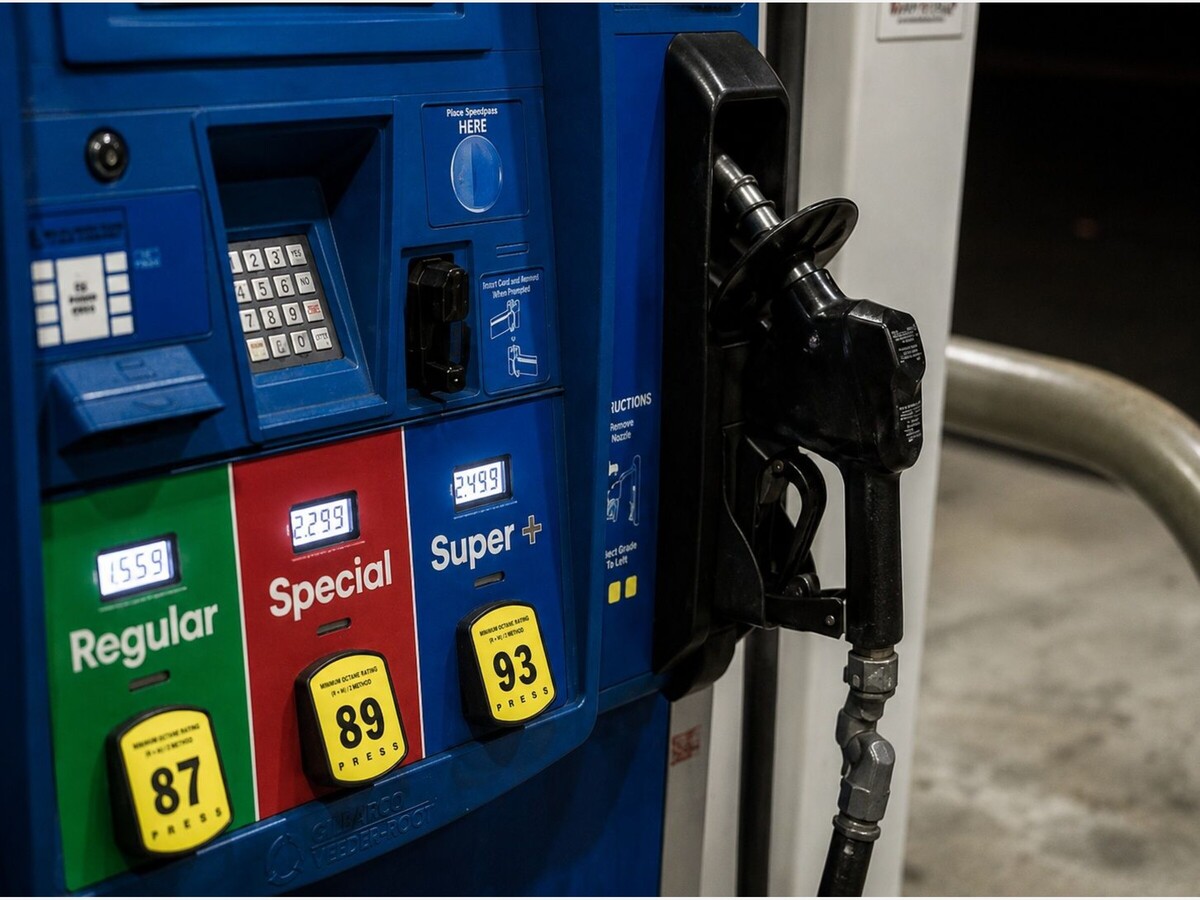



ST. LOUIS PARK, MN (June 16, 2026) After months of watching fuel prices climb higher, Minnesota drivers are finally seeing something they have not seen in weeks: sustained relief at the pump.
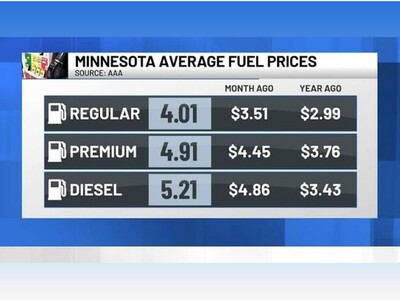
According to the latest figures from AAA, the average price of a gallon of regular unleaded gasoline in Minnesota has fallen to $3.86 per gallon, marking the third consecutive week of statewide declines. The average is down approximately 11 cents from the previous week and 55 cents lower than one month ago, when fuel prices peaked near $4.41 per gallon across the state.
The decline places Minnesota comfortably below the $4-per-gallon threshold and below the national average, offering a measure of relief as millions of Americans enter the busiest travel season of the year.
For households already contending with elevated costs for housing, groceries, insurance and other essentials, gasoline remains one of the most visible indicators of economic pressure. Every decline at the pump is immediately felt by commuters, families and businesses alike.
The recent drop has therefore been welcomed across Minnesota, where summer travel, youth sports tournaments, family vacations, lake weekends and recreational outings traditionally drive increased fuel consumption.
The downward trend represents one of the sharpest month-over-month declines Minnesota motorists have seen this year.
AAA data shows regular unleaded fuel has fallen by more than half a dollar per gallon since mid-May. While prices remain higher than many drivers would prefer, the recent decline has reversed a significant portion of the increases that occurred during the spring.
The retreat has not been limited to regular gasoline.
According to AAA fuel market data, prices have declined across multiple fuel categories, including diesel, which remains particularly important for commercial transportation, freight carriers, agricultural operations and small businesses throughout Minnesota.
Recent statewide averages show:
Diesel prices have also moved lower in recent weeks, declining from more than $5 per gallon and easing some pressure on industries heavily dependent on transportation and logistics.
Energy analysts point to several factors contributing to the recent decline.
Foremost among them is the easing cost of crude oil, which remains the single largest component in the retail price of gasoline. Crude oil prices have retreated from earlier highs as concerns about global supply disruptions have moderated and market participants have become more confident in overall energy availability.
Gasoline prices typically follow crude oil movements with a delay. Fuel already purchased by refiners, distributors and retailers must move through the supply chain before lower wholesale costs are reflected at local service stations.
That lag means motorists often continue seeing price reductions for several weeks after oil markets begin moving lower.
AAA analysts have noted that national gasoline prices have also declined for three consecutive weeks, suggesting the trend is not limited to Minnesota but is instead part of a broader national cooling in fuel markets.
Despite the volatility that has characterized fuel markets over the past several years, Minnesota continues to maintain an advantage over much of the country.
The national average for regular unleaded gasoline remains above $4 per gallon, placing Minnesota among the more affordable fuel markets in the United States.
The difference may appear modest on paper, but it becomes meaningful over time.
For a driver filling a 15-gallon tank, Minnesota's average price translates into several dollars in savings compared with the national average. Over a summer filled with commuting, family travel and recreational driving, those savings can accumulate quickly.
The state's relative affordability is influenced by a variety of factors, including regional refinery access, fuel distribution networks and market competition throughout the Upper Midwest.
Fuel prices affect far more than what drivers pay at the pump.
Transportation costs ripple throughout the broader economy, influencing the price of food, consumer goods, construction materials and countless other products that rely on trucking and distribution networks.
Economists often describe gasoline prices as one of the most psychologically significant economic indicators because consumers encounter them regularly and can immediately measure the impact on household budgets.
When prices fall, consumers frequently redirect savings toward other purchases, providing a modest boost to local economic activity.
For Minnesota families preparing for road trips, camping vacations, family reunions and summer events, the recent decline arrives at an opportune moment.
The relief may be particularly meaningful for households in Greater Minnesota, where longer driving distances make fuel costs a larger share of monthly expenses.
Whether prices continue falling remains uncertain.
Fuel markets remain highly sensitive to refinery operations, weather events, global oil production decisions and geopolitical developments. A major disruption in any of those areas can quickly alter pricing trends.
Still, market analysts note that current conditions suggest relative stability compared with the volatility experienced earlier this spring.
If crude oil prices remain contained and refinery operations continue normally, motorists could see additional modest declines heading into the Independence Day travel period, traditionally one of the busiest driving weekends of the year.
For now, however, the numbers are moving in a direction drivers rarely complain about.
After weeks of watching prices climb, Minnesota motorists are experiencing a welcome reversal: three straight weeks of falling gas prices, lower transportation costs and a little more room in the household budget as summer begins.
Source: American Automobile Association (AAA) Minnesota Fuel Gauge Report; AAA National Gas Price Tracker; U.S. Energy Information Administration (EIA).
MinneapoliMedia | Community. Culture. Civic Life.


Sunny, with a high of 97 and low of 66 degrees. Sunny in the morning, clear for the afternoon and evening,