70° and Clear
Image



Five days into the largest FIFA World Cup ever staged, the tournament delivered its clearest reminder yet that reputation does not earn points. Monday's schedule featured four matches across Groups G and H and included some of the most recognizable names in international football. Spain, Uruguay, Belgium, and Iran all entered their opening matches expecting to establish early control of their respective groups. Instead, every one of them walked away with the same result: one point.
For the first time at the World Cup 2026, every match on a single day ended in a draw. By the end of the evening, Group G and Group H had become exercises in perfect balance. Eight teams had played, none had won, and none had lost. Every nation remained alive, every qualification scenario remained open, and the structural pressure heading into Matchday Two increased dramatically.
|
Match |
Score |
Venue |
Attendance |
Status |
|
Belgium vs Egypt |
1 – 1 |
Seattle Stadium, Seattle |
67,144 |
FT |
|
Iran vs New Zealand |
2 – 2 |
Los Angeles Stadium, Inglewood |
70,255 |
FT |
|
Match |
Score |
Venue |
Attendance |
Status |
|
Spain vs Cape Verde |
0 – 0 |
Atlanta Stadium, Atlanta |
71,208 |
FT |
|
Saudi Arabia vs Uruguay |
1 – 1 |
Miami Stadium, Miami |
64,512 |
FT |
|
Team |
Played |
Won |
Drawn |
Lost |
GF |
GA |
GD |
Points |
|
Iran |
1 |
0 |
1 |
0 |
2 |
2 |
0 |
1 |
|
New Zealand |
1 |
0 |
1 |
0 |
2 |
2 |
0 |
1 |
|
Belgium |
1 |
0 |
1 |
0 |
1 |
1 |
0 |
1 |
|
Egypt |
1 |
0 |
1 |
0 |
1 |
1 |
0 |
1 |
|
Team |
Played |
Won |
Drawn |
Lost |
GF |
GA |
GD |
Points |
|
Saudi Arabia |
1 |
0 |
1 |
0 |
1 |
1 |
0 |
1 |
|
Uruguay |
1 |
0 |
1 |
0 |
1 |
1 |
0 |
1 |
|
Cape Verde |
1 |
0 |
1 |
0 |
0 |
0 |
0 |
1 |
|
Spain |
1 |
0 |
1 |
0 |
0 |
0 |
0 |
1 |
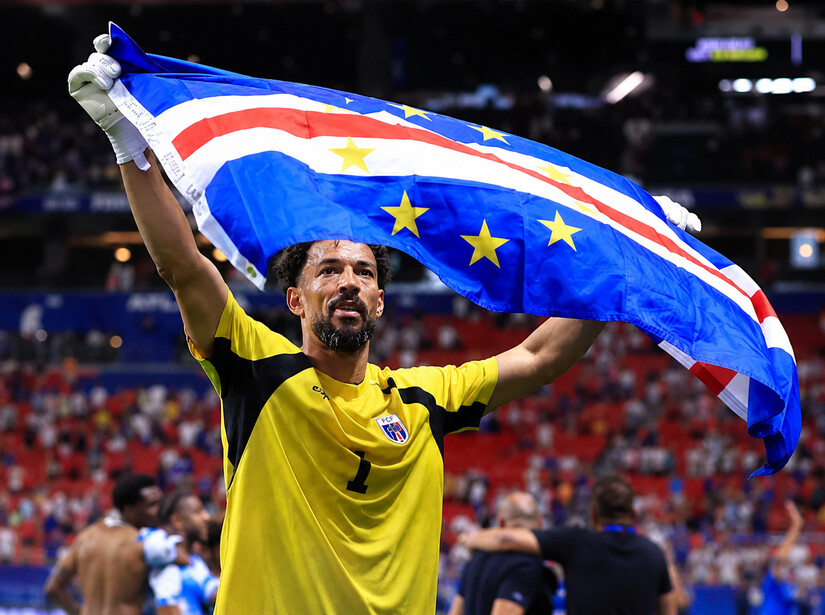
The most significant result arrived in Atlanta, where tournament favorite Spain was held to a scoreless draw by World Cup debutants Cape Verde in one of the most remarkable defensive performances of the tournament's opening week. Spain entered the competition as reigning European champions, carrying a squad overflowing with elite technical talent, deep midfield rotations, and attacking fluidity under Luis de la Fuente. Few observers expected their opening tactical challenge to come from a small island nation making its tournament debut.
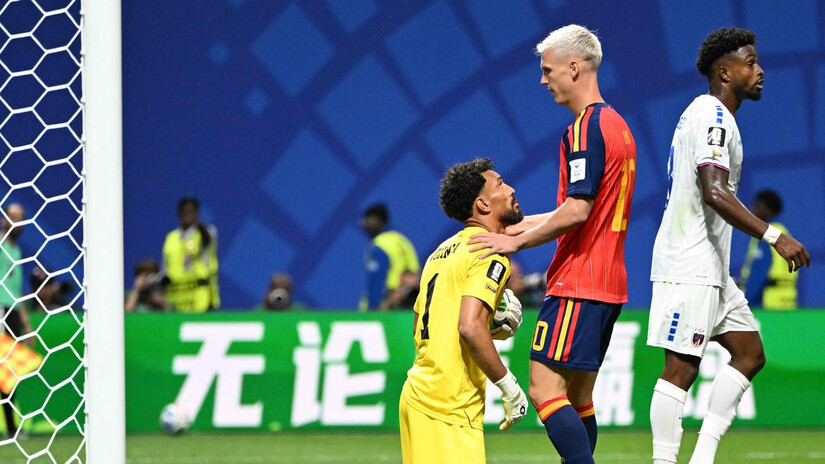
Cape Verde had other plans. From the opening whistle, Bubista’s side executed a disciplined, masterfully coordinated defensive block. Rather than attempting to match Spain’s high possession style, Cape Verde embraced an extremely compact 5-4-1 low defensive ring designed to completely deny central penetration and force the Spanish attackers into wide, low probability crossing angles.
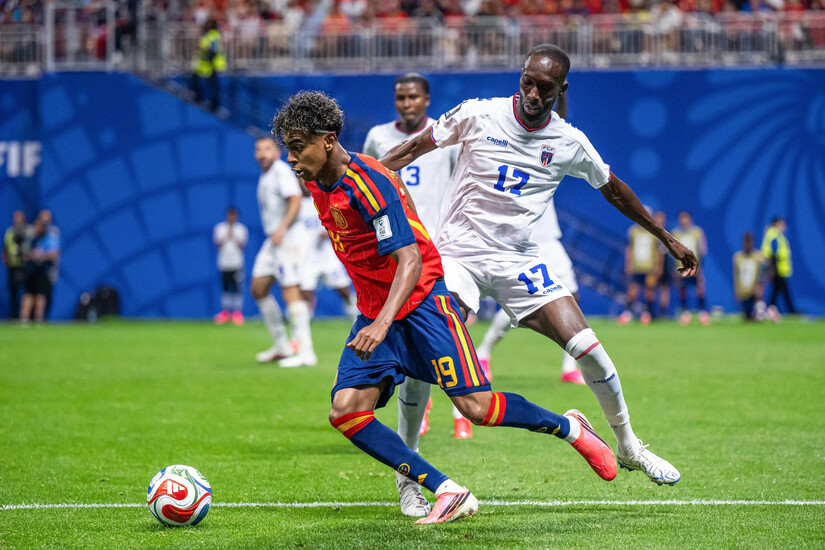
The statistical data illustrated Spain's absolute territorial dominance. Spain controlled roughly seventy-three percent of possession, completed more than seven hundred passes, and spent long stretches of the match camped entirely inside the Cape Verde defensive third. None of it unpicked the lock. Every time Spain appeared poised to create an interior breakthrough, Cape Verde's spatial discipline remained impeccable, choking out passing lanes and swarming the half-spaces.
The defining figure of the historic match was veteran goalkeeper Vozinha. At forty years old, the Cape Verde captain delivered a masterclass in goal line defense, logging crucial saves that visibly frustrated a Spanish frontline that seemed stunned by the resistance. The match also featured the highly anticipated World Cup debut of Spanish sensation Lamine Yamal. At just eighteen years old, Yamal entered carrying immense expectations, but Cape Verde never allowed him a pocket of space to settle. Every touch was heavily contested, and every diagonal run was tracked by a secondary defender. For Spain, the final whistle signaled two valuable points dropped. For Cape Verde, it was a monumental sporting achievement that completely upends the projection of Group H.
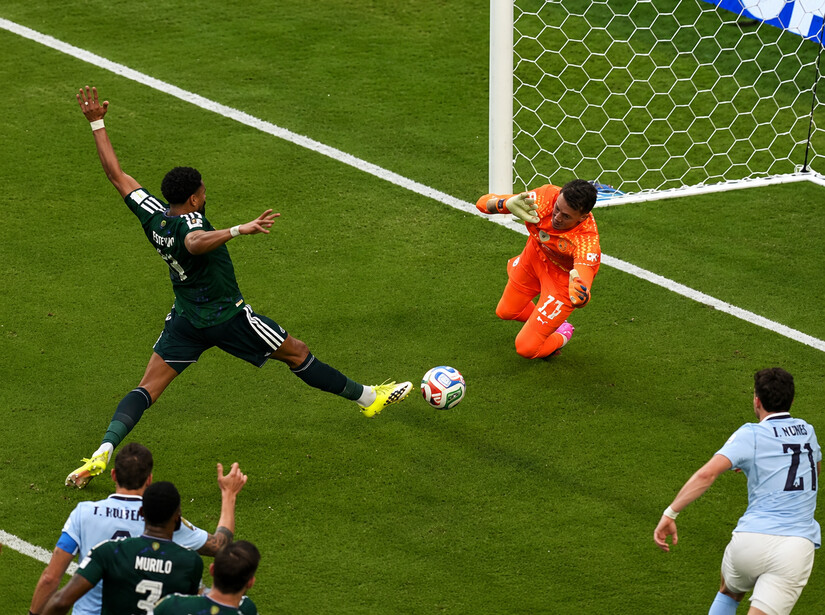
In Miami, Uruguay required a late structural intervention to salvage a 1-1 draw against a disciplined Saudi Arabia side. For eighty minutes, the Green Falcons stood on the verge of producing another historic World Cup upset. The match followed a highly organized blueprint from Saudi Arabia, a side whose modern tournament history features intelligent tactical layout, compact lines, and an innate capacity to destabilize heavily favored opponents.
The tactical breakthrough arrived via central defender Abdulelah Al-Amri, who exploited a rare set piece defensive lapse to stun Uruguay, handing the Asian side a first half lead and shifting the psychological pressure directly onto the South American power. Uruguay controlled a high volume of possession but struggled to generate quick transition speed through the midfield. Marcelo Bielsa’s side repeatedly moved the ball into advanced areas only to encounter a wall of organized Saudi resistance.
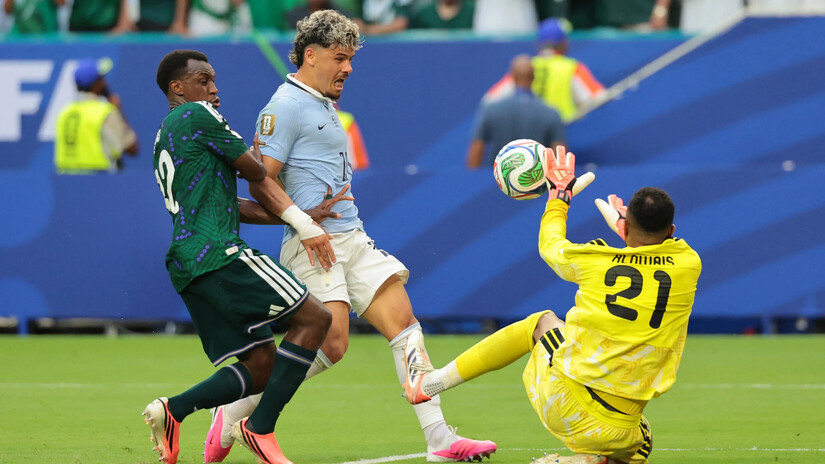
As the second half progressed, Bielsa shifted his team into a highly aggressive attacking shape, committing extra bodies forward and intensifying their counter pressing. The relentless pressure slowly degraded the Saudi low block, and the critical opening finally materialized in the 80th minute. Maxi Araújo found space on the edge of the box, unleashing a clinical strike to level the match at 1-1. While Uruguay pushed aggressively for a late winner, the Saudi defense preserved the point, confirming their evolution into a formidable international tournament opponent.
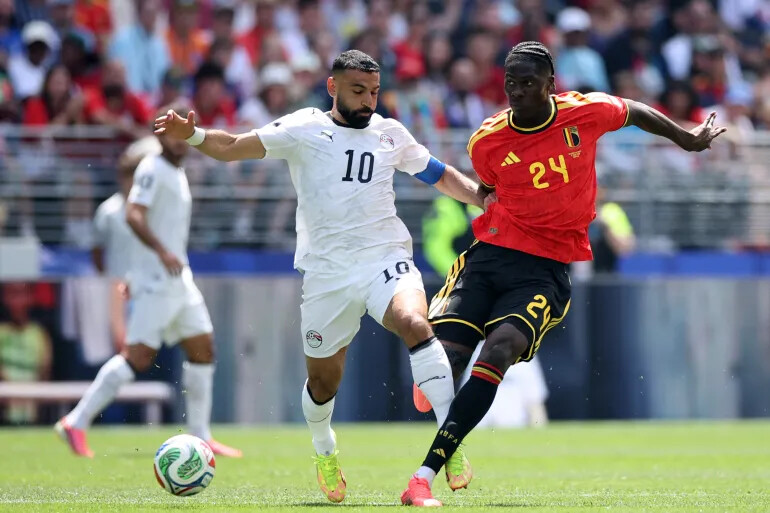
The most physical match of Day 5 unfolded in Seattle, where Belgium and Egypt neutralized one another in an intense 1-1 draw to kick off their Group G campaigns. Belgium arrived seeking to prove that its latest squad transition remains capable of competing with the global elite, while Egypt aimed to demonstrate that African football continues to rapidly erase the historical gaps between traditional powers and regional challengers.
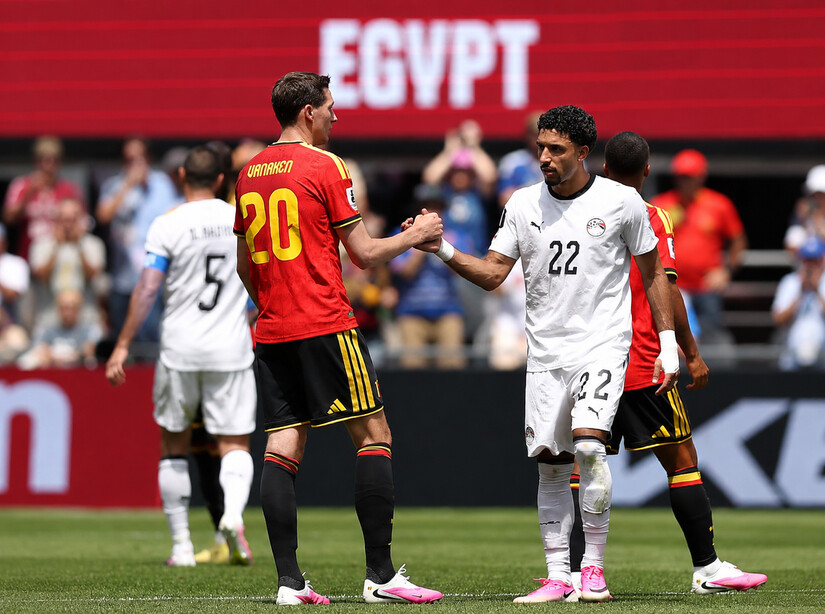
Neither side could find a decisive tactical separation, primarily due to a calculated midfield squeeze executed by Egyptian manager Hossam Hassan. By deploying Marwan Attia and Mohamed Elneny as dual combatant pivots in front of the back four, Egypt systematically choked the half-spaces and isolated Belgium's creative engines. Amadou Onana attempted to break the lock by driving forward from deep positions, but the contest quickly developed into an exhausting central battle defined by high pressing, tactical fouls, and highly restricted operational space. Yellow cards were brandished early as challenges grew increasingly combative.
Belgium generated brief spells of attacking momentum, utilizing their wide outlets, but struggled to break down Egypt's deep defensive lines. Concurrently, Egypt threatened dangerously on the counter attack through Mostafa Mohamed, forcing the Belgian center backs into difficult recovery sprints. Ultimately, a goal apiece perfectly reflected the balance of a match that leaves Group G entirely level heading into the second round of fixtures.
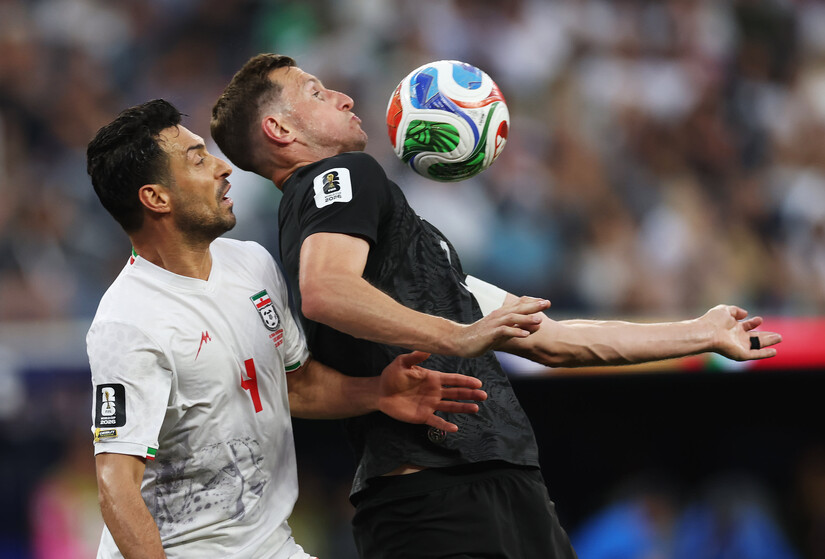
While Atlanta produced defensive resilience, Los Angeles Stadium delivered the day's most entertaining, high-scoring fixture as Iran and New Zealand fought to a thrilling 2-2 draw. The match featured multiple momentum swings, technical adjustments, and offensive ambition from both sides.
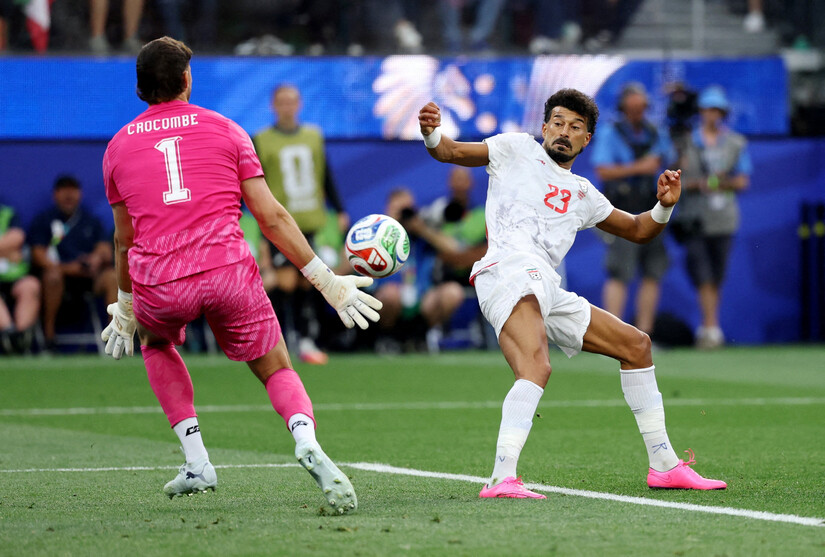
New Zealand struck first. Just six minutes into the contest, winger Elijah Just found the back of the net following a successful VAR check that ruled him onside, instantly placing pressure on Iran. The Oceania representatives played with immense tactical fearlessness, bypassing Iran's press with quick, direct sequences. Iran responded in the thirty-first minute through veteran defender Ramin Rezaeian, who converted a fine effort to stabilize his side before the interval.
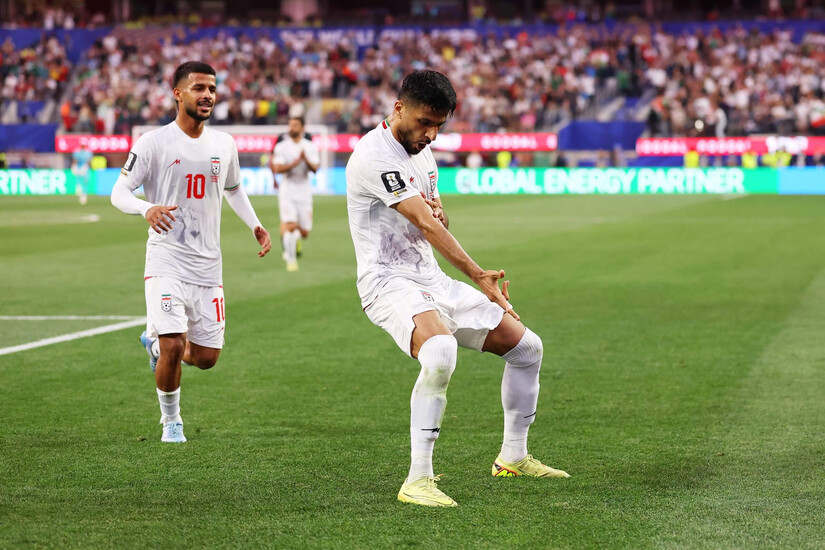
The second half began with another New Zealand breakthrough, and once again it was the clinical Elijah Just who found the pocket of space to fire his side ahead. Trailing for the second time, Iran demonstrated significant mental composure, stepping up their defensive lines and pinning New Zealand back. Mohammad Mohebbi delivered the final answer in the sixty-third minute, striking home to level the match at 2-2. Despite a frantic finish where both teams chased all three points, structural fatigue settled in, leaving both nations with a valuable point and crucial offensive production in a group where goal difference will be highly contested.
Several critical conclusions emerged from Monday’s action:
The tournament landscape remains wide open. No single favorite has established absolute dominance, and no traditional power has separated itself from the collective pack. As Matchday Two approaches, Spain must discover immediate solutions against low blocks, Uruguay must enhance their attacking efficiency, and the dark horses must prove that Monday's brilliant defiance can be sustained over a grueling group stage.
MinneapoliMedia | Community. Culture. Civic Life.



Sunny, with a high of 97 and low of 66 degrees. Sunny in the morning, clear for the afternoon and evening,