72° and Clear



Image
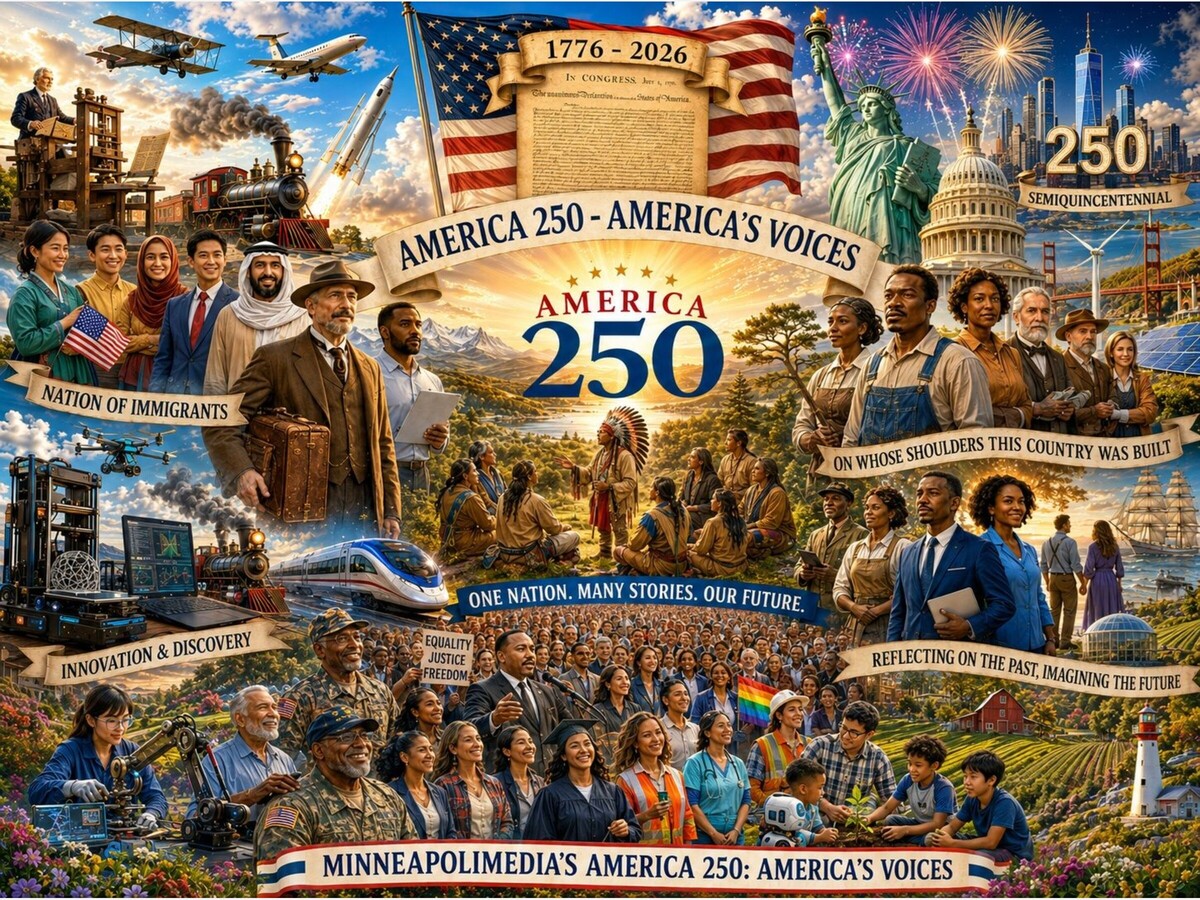
AMERICA 250: AMERICA'S VOICES
To commemorate America's 250th anniversary, MinneapoliMedia invited Minnesotans from across the state to answer two simple questions: What does this milestone mean to you personally? And what are your hopes for America's next 250 years? The reflections that follow are published in the contributors' own voices, with light editing for grammar, spelling, and clarity.
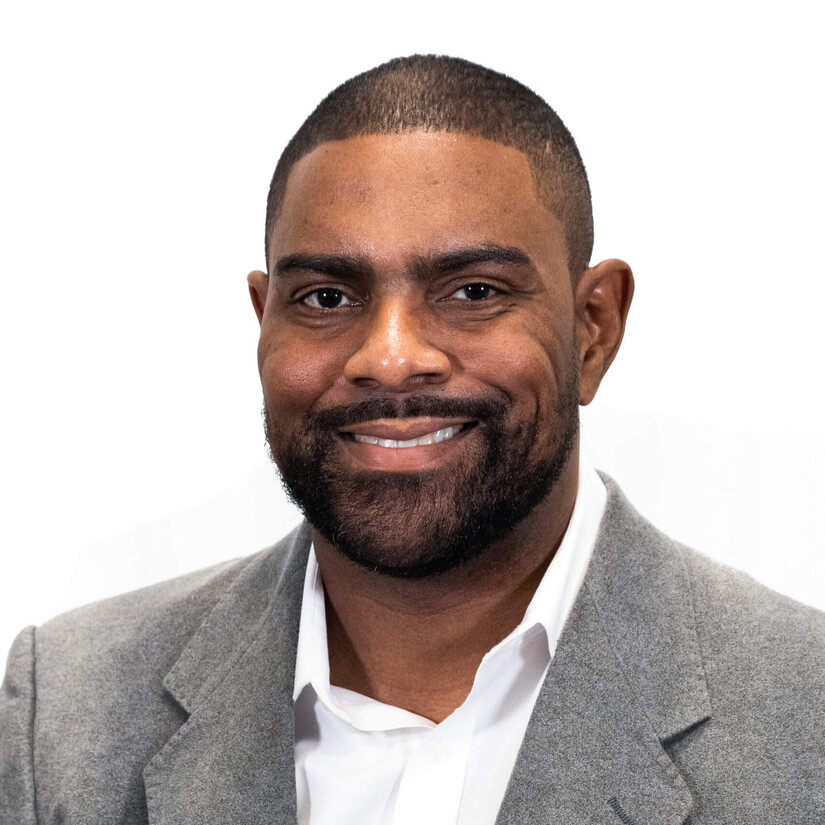
America's 250th anniversary is both a celebration and a challenge.
Personally, it reminds me that the promise of America has always been powerful, but never automatic. As an African American man, a husband, a father, the grandchild of those who witnessed lynchings, and the first Black mayor of Brooklyn Park, I know that my story was made possible by generations of people who believed in this country enough to fight for it, even when this country did not always fight for them.
So this milestone means gratitude, but it also means responsibility. Gratitude for the sacrifices that brought us this far. Responsibility to keep expanding the promise of liberty, opportunity, and justice to every family, every neighborhood, and every child.
When I think about America's next 250 years, my hope is that we become a nation mature enough to tell the truth about our past, united enough to build a shared future, and courageous enough to make democracy real in people's everyday lives.
I hope we build communities where public safety and justice go hand in hand. Where a child's future is not limited by their ZIP code, race, income, or family background. Where working families can afford to live, seniors can age with dignity, young people can see a path forward, and leadership is measured not by who can divide people the loudest, but by who can bring people together to solve hard problems.
The next 250 years should be about finishing the work of America, not abandoning its ideals, but living up to them more fully.
Mayor Hollies Winston | Mayor of Brooklyn Park
--------------------------------------------------------------------------------------------
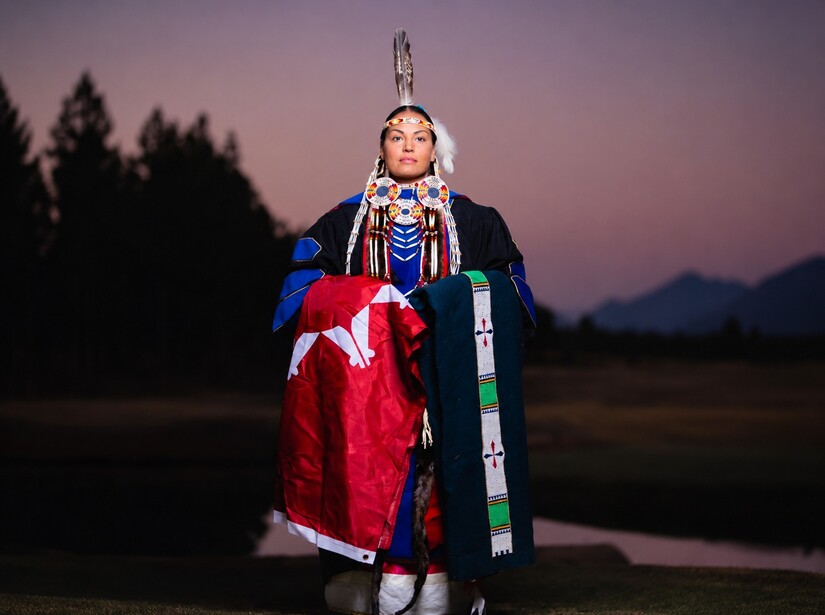
As I reflect upon our nation's first 250 years, my hope for America's next 250 years is not simply that we become more prosperous or more technologically advanced. My hope is that we become more conscious of what it truly means to be human.
For centuries, America has celebrated ideals of individual liberty, innovation, and economic growth. These have brought remarkable achievements. Yet many people also sense a growing disconnection—from one another, from the natural world, and from the responsibilities we owe to future generations.
As a Lakota woman of the Oceti Sakowin, I carry a worldview that asks a different question. Rather than asking, "What do I own?" we ask, "How am I related?" Our identity begins not with the individual, but with relationship: to our families, our communities, the animals, the waters, the plants, the winds, the earth, and to those yet unborn.
My hope is that America begins to recognize that the knowledge carried by the First Peoples of this continent is not merely part of our history—it is part of humanity's future.
Indigenous knowledge systems remind us that strength is measured not by how much we accumulate, but by how well we care for one another. Wealth is not simply material prosperity; it is healthy children, respected women, strong families, wise Elders, clean water, abundant wildlife, thriving languages, and communities that understand their responsibilities to one another.
For generations, many Indigenous nations have understood that every decision should consider those who will inherit the consequences. This long view is not simply environmental stewardship; it is an expression of love.
My hope is that humanity awakens from the belief that we exist apart from nature and from one another. We are not separate from the earth. We are expressions of it. We are not owners of life. We are participants within it.
When we begin to see every river as a relative rather than a resource, every child as a sacred responsibility rather than an individual achievement, and every culture as carrying knowledge essential to our collective future, we begin to remember something our ancestors never forgot.
The wisdom of the Oceti Sakowin teaches that every living being possesses spirit and purpose. Human beings are not above creation; we are one part of it. In recognizing this, we cultivate humility, gratitude, and responsibility.
My hope for America's next 250 years is that we move beyond division toward relationship; beyond domination toward reciprocity; beyond consumption toward stewardship; beyond fear toward compassion.
Perhaps the greatest measure of civilization will never be the size of our economy or the reach of our technology. Perhaps it will be measured by something much older and much more enduring: our capacity to love life in all its forms.
When humanity remembers that every living being is a relative, we may finally discover that our greatest strength has never been power.
It has always been our ability to love.
Ohitika Winyan (Brave or Fearless Woman)
Dr. Stephanie Little Hawk-Big Crow (Tituwan Lakota - Oglala) | Co-Director/Unci (Grandmother)
_________________________________________________________________________________________
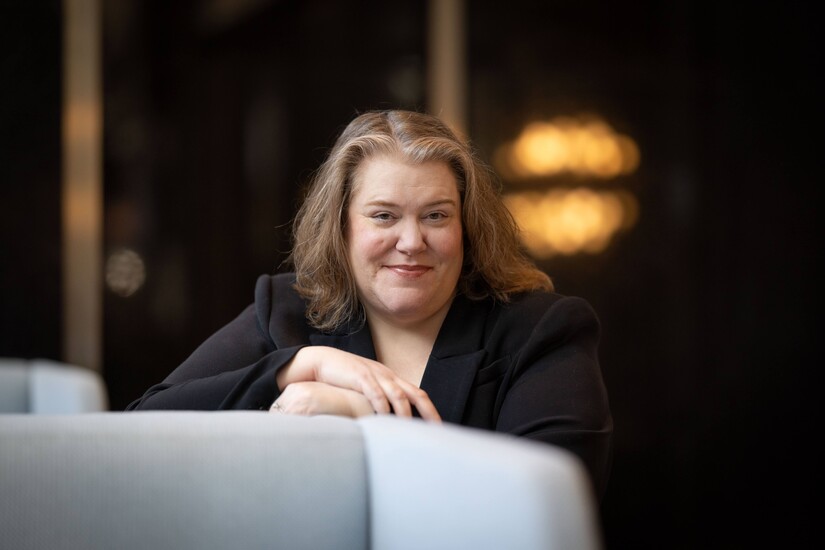
As a child, the 4th of July was always a big celebration in my family. Growing up in a small Midwestern town, there was a huge parade down Main Street, an after-party in Central Park (complete with apple pie baked by the ladies from my church), and fireworks along the river. There was also a gathering of family and friends in my grandparents’ backyard: grilled burgers, brats, and hot dogs along with an abundance of potluck side dishes, my grandma’s famous potato salad, fresh produce from her garden, and, many years, homemade ice cream. We enjoyed lawn games, water balloons, sparklers for us kids, and bottle rockets set off by my uncles. Wow, I miss those annual celebrations.
In that small town, I was taught to pledge allegiance to the flag by standing and placing my hand over my heart. I learned that men took off their caps when the color guard of veterans walked by with the flag in the parade, and that I was to honor the people who had served in war by thanking them for their service to our country. Freedom was something that had to be fought for and protected. My maternal grandfather served in the Korean War and my paternal grandfather served in World War II.
Fast-forward to 2026 and the 250th anniversary of the formation of the democracy we call the United States of America. I realize this day is so much more than the parades, family gatherings, and fireworks that I treasured from my childhood in the ‘80s. For me, it is a day when I am both grateful and conflicted, joyful and sad. Holding those paradoxes in my body and mind is perhaps the greatest expression of freedom the founding fathers envisioned, and that my grandfathers fought in wars to protect.
The truth is, the history of the United States of America is fraught with stories of stolen land, the near-genocide of the people who lived here long before the settlers came, and the kidnapping and enslavement of millions of people brought here to build infrastructure and an economy. Once the enslaved were freed, promises made to them were never kept, and systems are still in place today that are designed to exclude them from prosperity.
Our history is also one of bravery, innovation, and hope: Harriet Tubman and her allies providing safe passage to freedom for enslaved people; inventors from multiple cultural backgrounds bringing forth ideas to improve daily life for everyone; and the hope brought to generations of people who finally saw themselves in the highest position of government when Barack Obama was elected to the presidency in 2008.
Today, as our country marks this anniversary, I am reminded that the greatest experiment in government structure, written by the founding fathers, is truly just that: an experiment. The Declaration of Independence is a living, breathing document that is the responsibility of each generation to understand, wrestle with, and interpret. Thomas Jefferson is quoted as saying, “Love your neighbor as yourself and your country more than yourself.” I believe this concept is crucial for this great experiment of democracy to succeed for the next 250 years. As I enjoy some food from the grill and watch the fireworks today, I will be reflecting on the complicated history of how the United States came to be.
Jennifer Vickerman Akaolisa | Founder, For Goodness Bakes!
_________________________________________________________________________________________
I think I would agree with any one that says this celebration is always going to be bittersweet.
Bitter because it assumes there weren't already free and brave people in the USA, that slavery wasn't front and center to the stability of USA economy and sweet because of the culture of spending time with one another on this day and making those memories.
I hope the next 250 years are one where we remember that we have no USA or independence unless we treat each other carefully and protect our freedom with love for one another.
No one is free until we are all free.
-Anonymous
_________________________________________________________________________________________
America celebration of 250 years is scarred by this current administration.
We all should be celebrating, but we are facing a corrupt administration with a horrible agenda, that's targeting people of color.
That's all I got to say
-Anonymous
_________________________________________________________________________________________
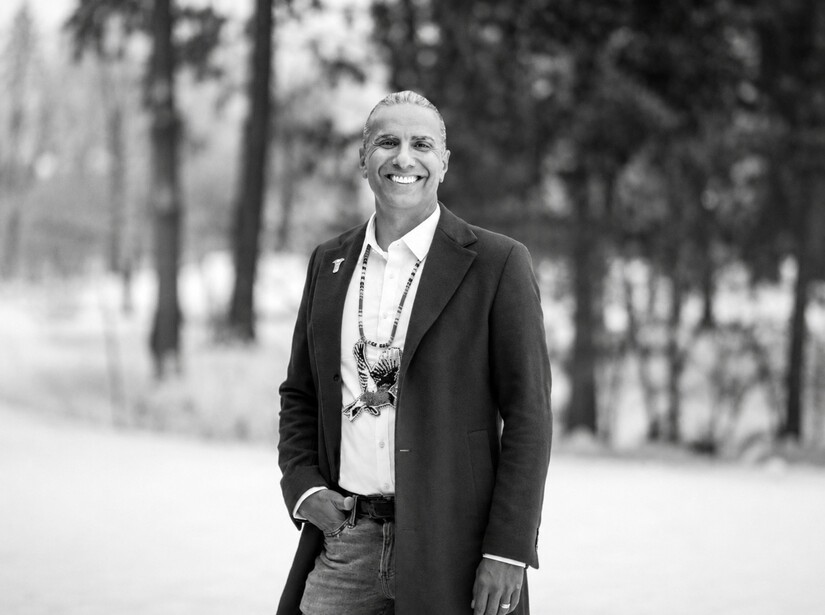
America's 250th anniversary is complex for me.
My father was Austrian Jewish immigrant and survivor of the Nazi Holocaust. The United States gave him sanctuary and made it possible for him to start a new life.
His experience and my existence are made possible through the beauty of America's founding ideals and real existence of opportunity and freedom. But the United States was also built not just on land stolen from my Native American ancestors (my mother was an enrolled member of the White Earth reservation and most of family enrolled at either Leech Lake or White Earth), but also built on ending of many Native American lives.
My mother grew up in serious poverty and had to navigate weaponized social service practices and efforts to deny her opportunity simply because of her racial and ethnic background.
So America is also a land of terrible oppressions. It would be both ignorant and inhumane for me not see that or simply to celebrate it without giving voice to the problems here.
But at this inflection point I see an opportunity for all of us to acknowledge the oppressions, genocide of Natives, slavery, and so many others, and to hold ourselves accountable to and inspired by our foundational promise. America's broken treaties can be honored for the first time not as a restorative justice practice (although we need that too), but in an effort to understand and live by a deeper understanding, that great nations like great humans keep their word.
From there we can let the healing begin, and our nation and its peoples need healing.
~ Anton Treuer | (Ojibwe name Waagosh "fox") Ojibwe author, professor, and public speaker
_________________________________________________________________________________________
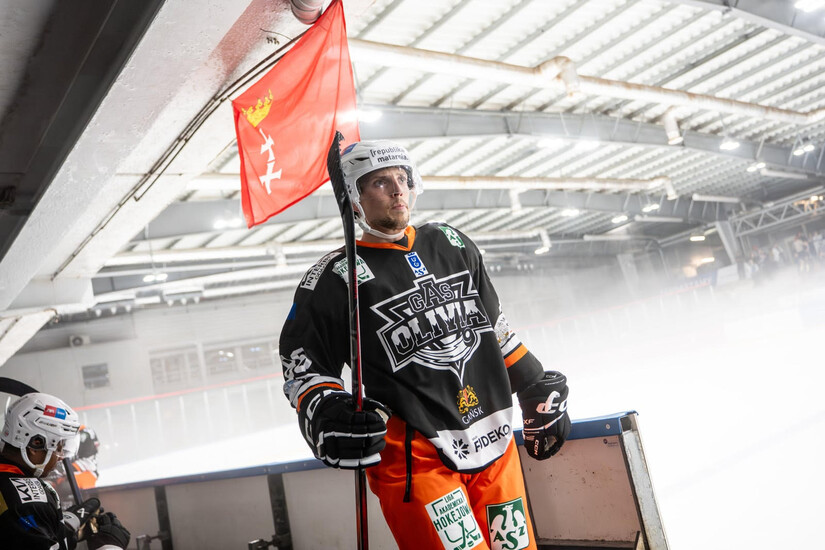
To me personally, the United States 250th anniversary means that all the sacrifice and effort that was made for this country by those before us was not in vain.
It led to a beautiful America and I am very proud and grateful to be a citizen during this milestone.
As someone who has recently lived abroad, that experience has only deepened my appreciation for America, as I feel our freedom here is one of a kind. I attribute that to our unique constitution, which I hope continues to serve as the backbone of our nation for the next 250 years.
Reflecting on Americas past, I'm proud of all the "firsts" coming from our country, such as the first kidney transplant by Joseph Murray in 1954 and the first powered airplane flight by the Wright brothers 1903.
It was also a tremendously proud moment for me to see both women's and men's USA hockey teams win gold at the 2026 Winter Olympics while I was in Poland watching it unfold alongside people from seven different countries. Seeing Jack Hughes score that overtime goal while I was watching from a restaurant TV in Poland was something I'll never forget.
I hope we continue to innovate and positively contribute to humanity in the next 250 years. Specifically, I have always had a fascination for space, and it may sound crazy, but I honestly hope that America can find away to provide accessible space travel for her population.
I'd also like to thank all the people who have given their life for this country so I can stand on this soil today. I have had several family members serve in our military, such as my great grandfather Jim Stark, and my best friend is currently training to become a pilot in the US Air Force.
They are inspirational role models in my life and give me great faith for our country moving forward.
Jackson Fuller | Professional Hockey Player, Fudeko GAS Gdańsk, Poland | Former Hockey Player, University of Minnesota Crookston, USA
________________________________________________________________________________________
MinneapoliMedia | Community. Culture. Civic Life.
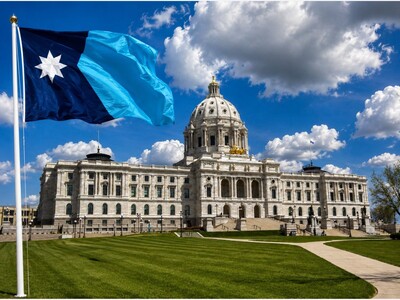


Sunny, with a high of 86 and low of 63 degrees. Patchy rain nearby for the morning, partly cloudy for the afternoon, clear for the evening,