56° and Overcast
Image
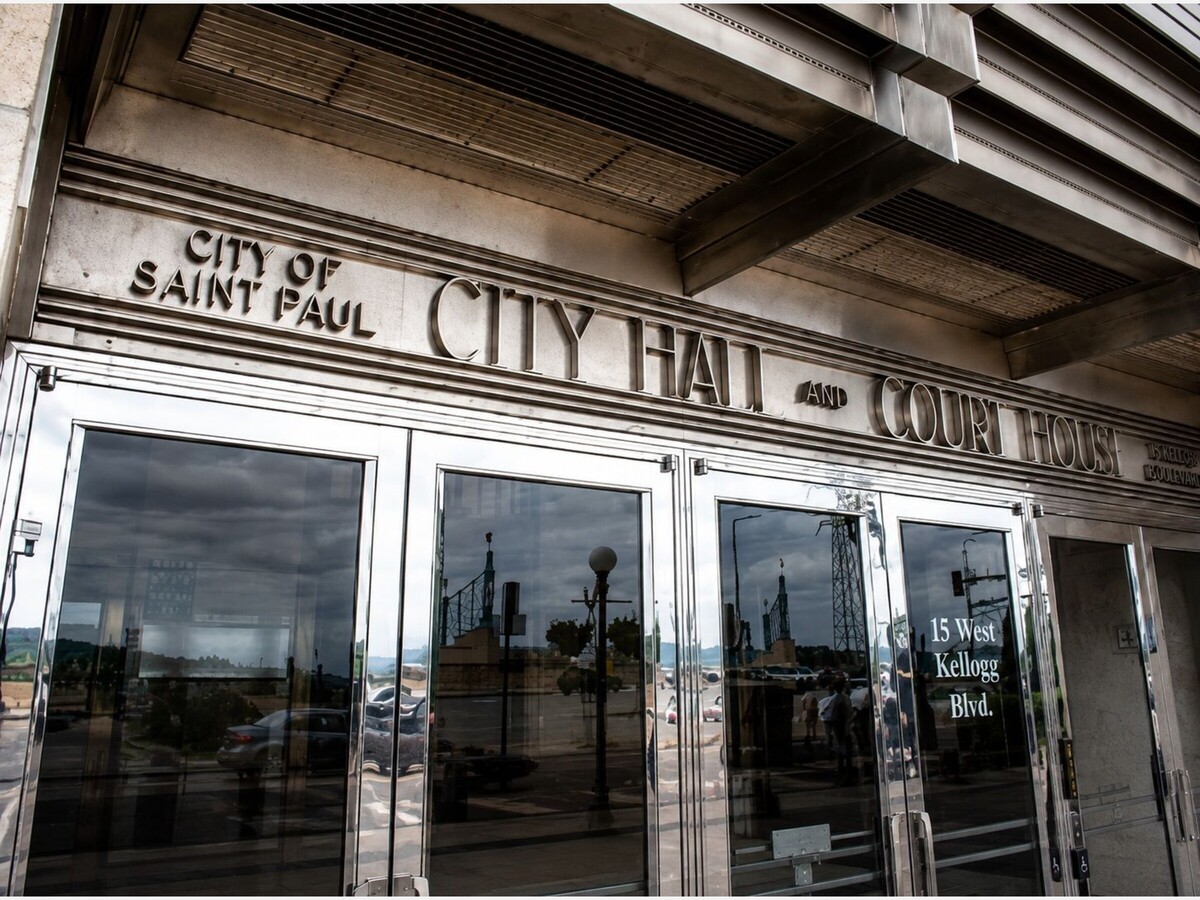



The Saint Paul City Council has announced a series of ward-level budget engagement meetings scheduled from July through October. The meetings are intended to bring residents, businesses, neighborhood organizations, council members, city employees, and the mayoral administration into the budget discussion before the city’s annual spending plan reaches its final stages.
The first meeting will take place Tuesday, July 21, from 6 to 7:30 p.m. at Hazel Park Recreation Center, 945 Hazel Street North. The session will focus on Ward 6, represented by Council Vice President Nelsie Yang.
Additional meetings will be held in Wards 7, 1, 5, 4, and 2 through October. Ward 3 will continue gathering budget feedback through its existing constituent-engagement process rather than holding a separate event.
The meetings come as Saint Paul prepares for difficult choices involving affordability, service delivery, infrastructure needs, and changing sources of government assistance.
According to the City Council, the city is confronting inflation and reductions or changes in state and federal support while attempting to preserve the services residents rely upon. The engagement process is designed to gather public priorities before the council votes on the maximum property-tax levy in September and adopts the final budget in December.
Municipal budget hearings are often held after a mayor has released a formal proposal or after residents receive notices showing how a proposed levy could affect their property taxes. Saint Paul’s ward meetings are intended to begin the public conversation earlier.
Residents will be able to discuss city services, neighborhood priorities, fiscal pressures, investment needs, and potential trade-offs directly with council members, city staff, and representatives of the administration.
Feedback gathered during the meetings will inform later budget discussions, although participation does not guarantee that a particular program or request will receive funding.
The City Council has identified housing stability, public safety, economic development, climate resilience, parks, libraries, infrastructure maintenance, and greater budget transparency and accountability as shared areas of focus for the 2027 process.
Each category encompasses decisions that can directly affect residents’ daily lives.
Housing investments may determine the resources available for homelessness prevention, rental stability, housing development, inspections, and neighborhood revitalization. Public-safety spending can affect police, fire, emergency medical response, violence prevention, and community-based safety programs.
Parks and library funding influences facility hours, staffing, maintenance, youth programming, recreation, and public access to community spaces. Infrastructure decisions determine how quickly streets, sidewalks, bridges, sewers, and other public systems can be repaired or replaced.
The budget also determines staffing and service levels across city government, including the departments responsible for permits, inspections, snow removal, public works, economic development, human rights, and constituent services.
Saint Paul’s fiscal year follows the calendar year. Budget development begins months before the spending plan takes effect on January 1.
City departments and financial staff first calculate the cost of maintaining existing programs and services. The mayor and city budget staff then prepare a proposed budget using department requests, financial forecasts, policy priorities, available revenue, and community input.
After the mayor presents the proposal, the City Council reviews departmental budgets, holds public discussions, considers changes, and ultimately adopts the city’s spending plan and property-tax levy.
Property taxes are only one source of municipal revenue. Saint Paul also relies on state aid, service charges, franchise fees, grants, permits, licenses, intergovernmental revenue, and other funding sources.
Nevertheless, the property-tax levy is one of the most consequential decisions the council makes each year because it establishes how much revenue the city may collect from taxable property.
The council is scheduled to vote September 23 on the maximum levy for 2027. That action establishes the upper limit the city may collect. The final levy may be lower than the maximum, but it cannot exceed the amount approved in September.
Proposed property-tax statements are generally distributed later in the year, allowing owners to see estimated obligations from the city, county, school district, and other taxing jurisdictions.
Saint Paul will hold its Truth-in-Taxation hearing November 30. Residents may use that hearing to comment publicly on the proposed budget and tax levy.
The council is scheduled to certify the final levy and adopt the 2027 budget on December 2.
The City Council has announced the following meetings:
Council Vice President Nelsie Yang
Councilmember Cheniqua Johnson
Councilmember Anika Bowie
Councilmember HwaJeong Kim
Councilmember Molly Coleman
Council President Rebecca Noecker
Councilmember Saura Jost’s Ward 3 office will not hold a separate ward budget event. The office conducts community engagement throughout the year and will continue collecting budget comments through constituent outreach and communications.
Ward 3 residents may submit questions or recommendations to Tom Basgen at tom.basgen@ci.stpaul.mn.us.
The city has said additional registration information and meeting details will be announced through the individual council offices and City Council communication channels. Residents who cannot attend may contact their council representative directly.
The budget process places two legitimate public concerns into direct conversation.
Residents expect reliable emergency response, maintained streets, accessible libraries and parks, stable neighborhoods, responsive city departments, and effective public programs. Those services require employees, equipment, facilities, contracts, technology, and long-term capital investment.
At the same time, property owners and renters face their own financial pressures. Although landlords receive property-tax bills directly, increases in operating costs can also affect tenants through future rent decisions. Rising housing, insurance, utility, transportation, and food costs make affordability an important part of any discussion about additional public revenue.
The ward meetings will give residents an opportunity to identify which services should receive priority, where they believe the city could operate more efficiently, and what investments they consider essential to Saint Paul’s future.
They may also provide council members with a clearer understanding of how fiscal decisions affect neighborhoods differently. A citywide budget can produce distinct consequences depending on a community’s housing conditions, infrastructure, access to public facilities, economic development, and exposure to public-safety challenges.
Participation from renters, homeowners, business operators, young people, older residents, immigrants, people with disabilities, and residents from historically underrepresented communities will be important if the process is to reflect the city as a whole.
The July 21 Ward 6 meeting begins a public-engagement process that will continue through the fall.
The most consequential formal stages will arrive when the mayor presents the proposed budget, the council begins reviewing department spending, the maximum property-tax levy is established, and residents receive estimated tax notices.
The November 30 Truth-in-Taxation hearing will provide another opportunity for public testimony before the council’s final December 2 votes.
Residents can find meeting updates and contact information through the Saint Paul City Council.
MinneapoliMedia | Community. Culture. Civic Life.


Overcast, with a high of 84 and low of 52 degrees. Overcast in the morning, sunny for the afternoon and evening, clear overnight.