67° and Cloudy
Image
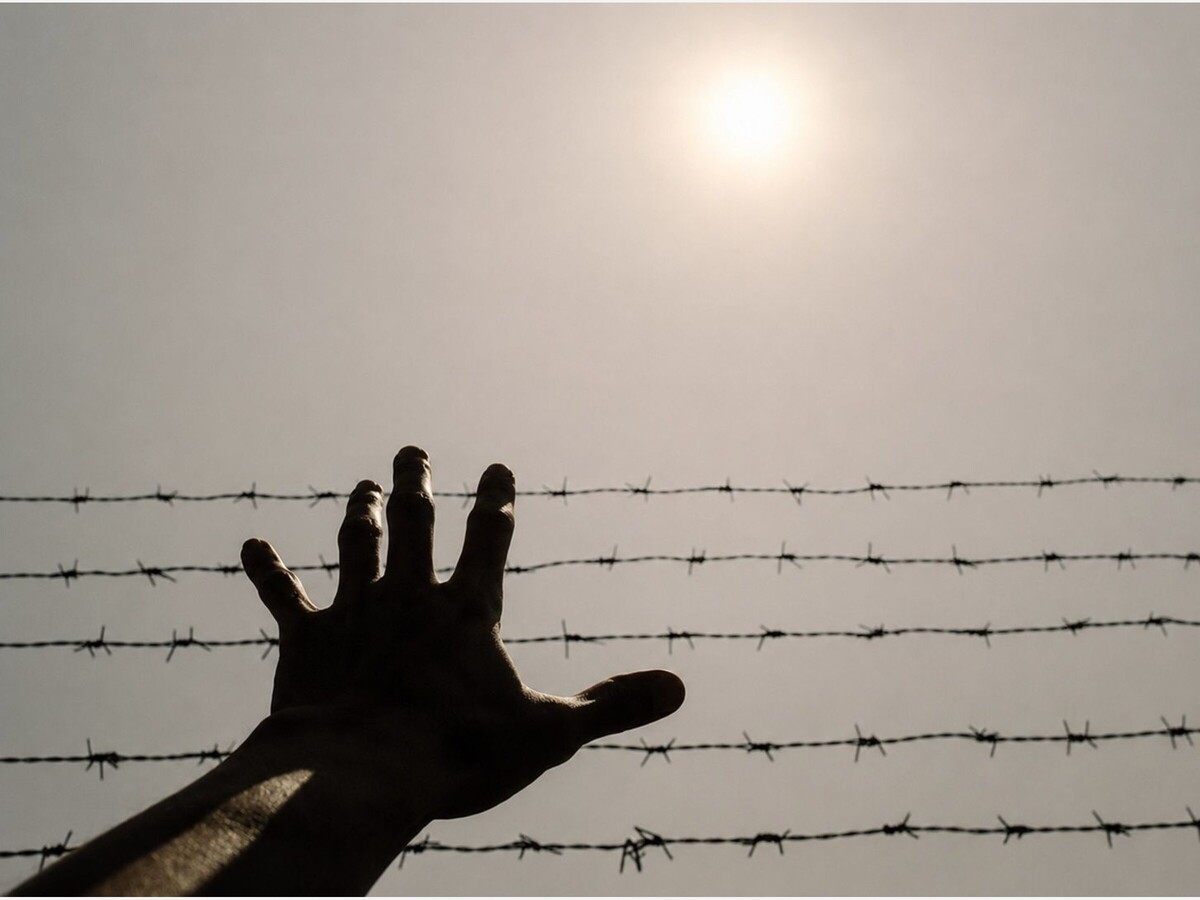



The Minnesota Department of Corrections confirmed that cooling systems are not effectively operating in two of the prison’s eight housing units, known as K-3 and K-4. Together, the units house 336 people.
The affected buildings were not originally constructed with air conditioning. Cooling equipment was subsequently installed, but corrections officials said the systems were recently found to be ineffective during repair work.
The problem comes as Anoka County and the broader Twin Cities metropolitan area experience temperatures in the 90s, high humidity and heat-index readings approaching 100 degrees. Limited overnight cooling has compounded the potential health risks associated with the prolonged heat.
The Department of Corrections said staff members are supplying industrial fans, ice water and access to outdoor areas while the cooling systems remain ineffective.
The department has not publicly provided a timeline for completing repairs or replacing the undersized equipment.
The two affected units are the only incarcerated-person living areas at the Lino Lakes facility without effective air conditioning, according to the department. Staff workspaces in those units and the remaining prison housing areas have cooling.
That disparity has become a central concern for the Minnesota Incarcerated Workers Organizing Committee, which is calling for immediate action.
“If they can air condition the whole rest of the prison and the staff in K-3 and K-4, they can cool these units,” said Greg Andreotti, who was previously incarcerated at the Lino Lakes facility.
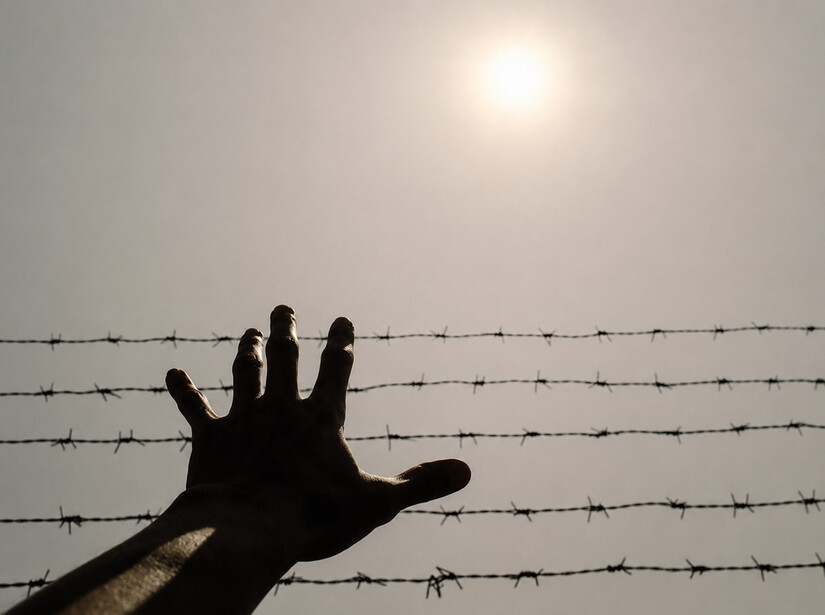
The Minnesota Incarcerated Workers Organizing Committee said people inside the affected units have reported heat-related symptoms, including vomiting.
Those accounts have not been independently verified by MinneapoliMedia, and the Department of Corrections has not publicly reported how many people have requested medical attention or whether any heat-related hospitalizations have occurred.
The committee has launched a petition seeking adequate cooling for the affected housing units.
Extreme heat can create heightened risks for people with cardiovascular disease, respiratory conditions, diabetes and other chronic illnesses. Certain medications can also affect the body’s ability to regulate temperature or remain hydrated.
Those risks can be more difficult to manage in correctional settings, where incarcerated people have limited control over ventilation, movement, access to cooler locations and other environmental conditions.
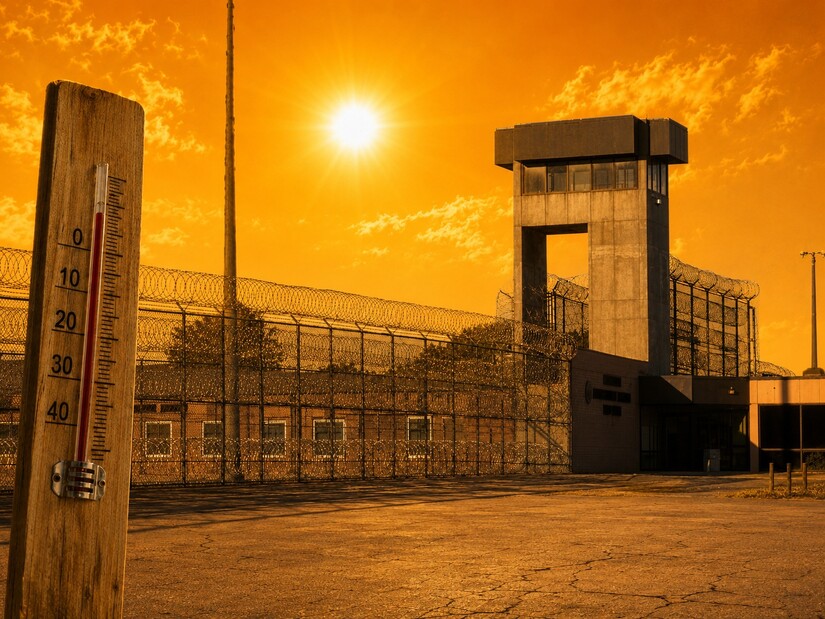
Corrections officials said the units had been retrofitted with cooling equipment over the years. The existing systems, however, were found to be too small to cool the housing areas effectively.
It remains unclear when the department first determined that the equipment was inadequate, how hot the affected living areas have become or whether temperatures are being continuously measured inside the units.
Those details are important because outdoor temperature readings do not necessarily reflect conditions inside large institutional buildings. Indoor heat can accumulate, particularly when buildings have limited airflow or retain heat overnight.
The department’s interim measures may provide some relief, but advocates contend that fans and ice water are not an adequate substitute for effective climate control during an extended heat emergency.
The cooling failure renews broader questions about aging correctional infrastructure and the state’s responsibility to protect people in its custody from environmental health hazards.
Minnesota has previously faced criticism over excessive heat, access to water and other living conditions inside correctional facilities. During a September 2023 heat wave, approximately 100 incarcerated people at the Stillwater prison refused to return to their cells amid complaints involving high temperatures, limited access to showers and concerns about drinking water.
At Lino Lakes, the immediate question is whether the Department of Corrections can restore sufficient cooling before another period of dangerous heat places additional strain on the facility.
For the 336 people housed in K-3 and K-4, the issue is not simply one of comfort. It is whether the state’s temporary measures are sufficient to protect their health while the cooling equipment remains ineffective.
The Department of Corrections operates the Minnesota Correctional Facility in Lino Lakes, a medium-security prison in Anoka County.
MinneapoliMedia will continue monitoring the situation, including the repair timeline, recorded temperatures inside the affected housing units and any confirmed heat-related medical incidents.
Sources: Minnesota Department of Corrections statements reported by KSTP-TV and accounts from the Minnesota Incarcerated Workers Organizing Committee reported by Bring Me The News.
MinneapoliMedia | Community. Culture. Civic Life.



Overcast, with a high of 86 and low of 67 degrees. Moderate rain for the morning, overcast in the afternoon,