88° and Sunny
Image
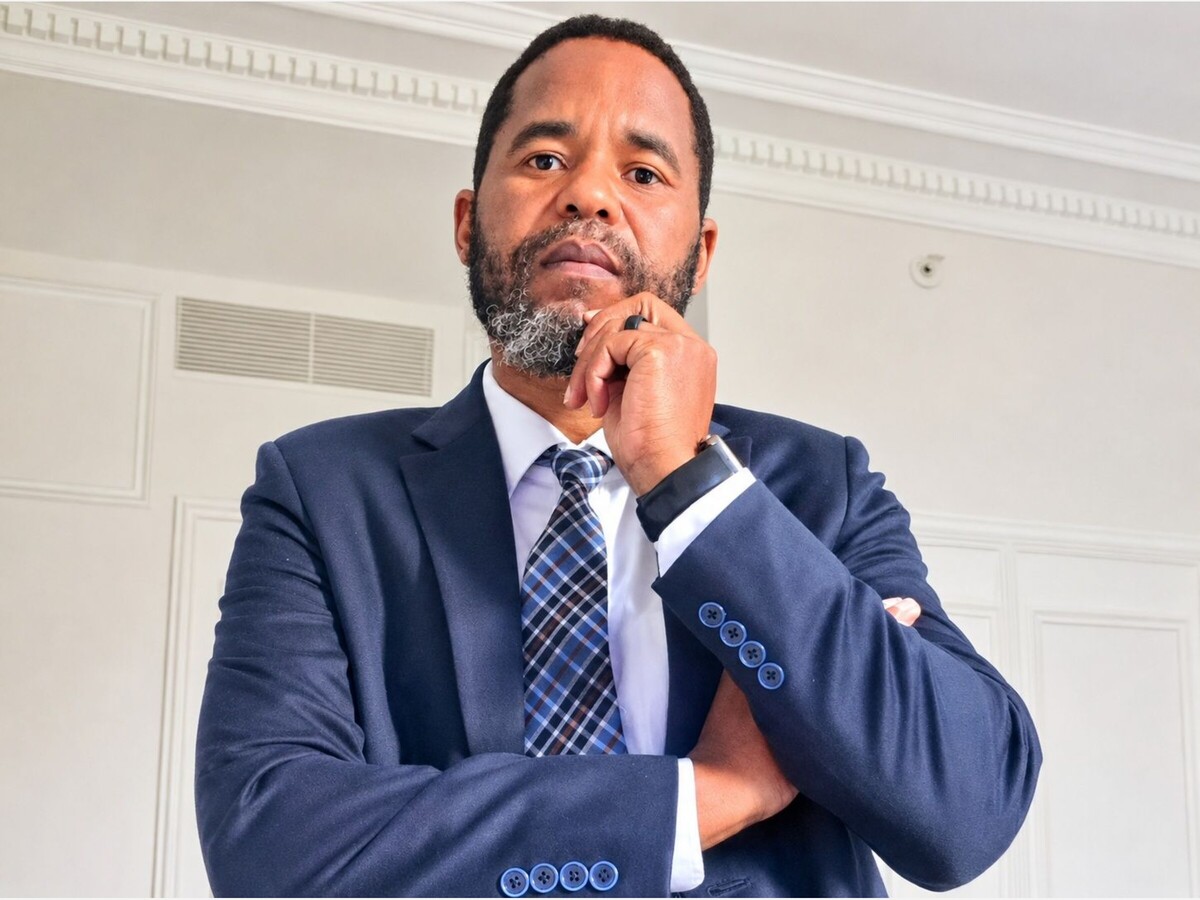



By Tom Akaolisa | Founder & Publisher, MinneapoliMedia
For many people around the world, South Africa is a country understood primarily through history and headlines.
It is remembered as the birthplace of one of humanity's greatest struggles against institutionalized racial oppression, and the nation that gave the world Nelson Mandela, Desmond Tutu, and a celebrated democratic transition in 1994. Yet beyond those defining milestones lies a country of extraordinary complexity, constitutional ambition, and deep internal debate that is too often compressed into brief international soundbites.
Every nation has a story that runs deeper than breaking news. It is found in the everyday architecture of nation-building: in ordinary citizens building local solutions, in young people negotiating historical trauma, and in public servants wrestling with the unfinished promises of liberation.
That is the mandate of Voices From Across the World (VFAW), MinneapoliMedia's international editorial series. Rather than chasing the daily news cycle, VFAW preserves long-form, authoritative perspectives that future generations can return to long after today's headlines have faded.
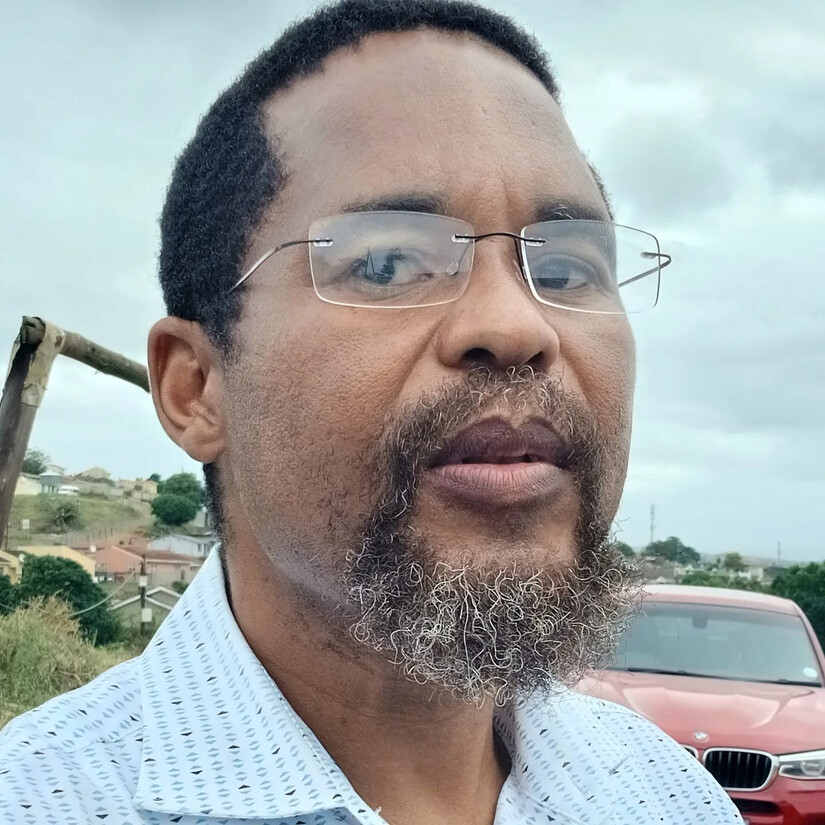
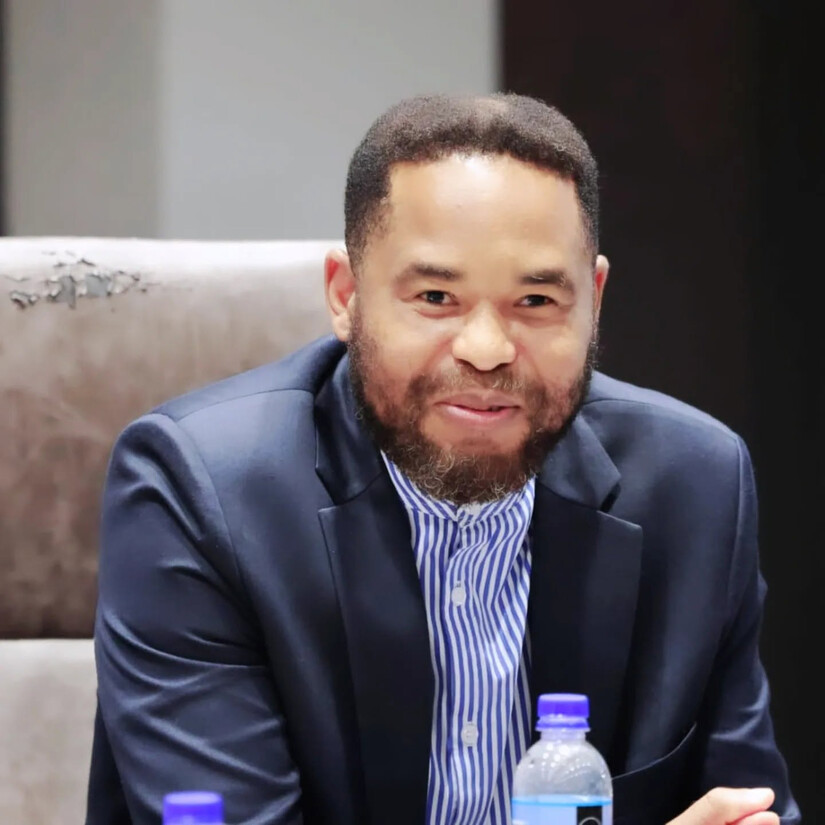
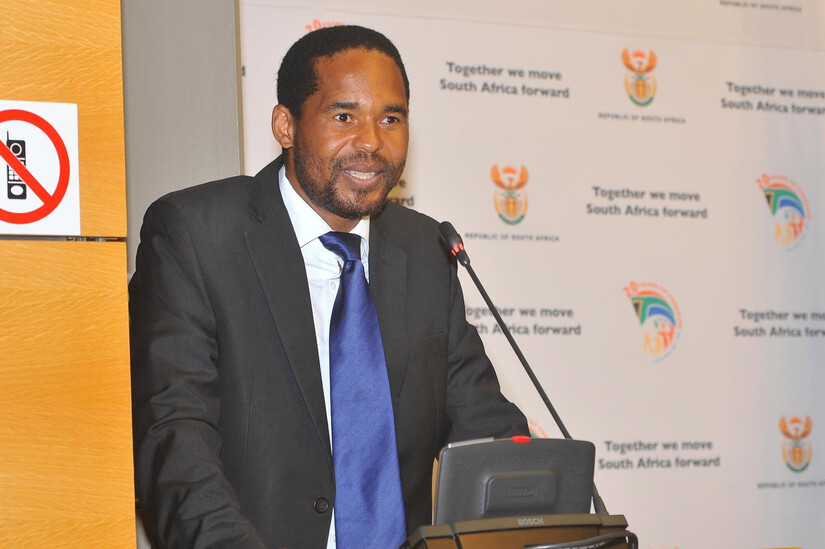
For this inaugural edition, we travel to South Africa to speak with Khaye Nkwanyana, Head of Office to South Africa's Deputy Minister of Science, Technology and Innovation. Throughout a career spanning public policy, higher education, and government communications, he has operated at the direct intersection of statecraft and public engagement.
Before becoming a senior government official, Khaye was a young boy in rural KwaZulu-Natal during the final, turbulent push against apartheid in the late 1980s. He survived political violence, walked eleven kilometers to school, and organized his peers as a teenager to build their community’s first primary school.
What follows is an interview about government policy, democratic resilience, structural reform, African technological sovereignty, and the generational duty of nation-building.
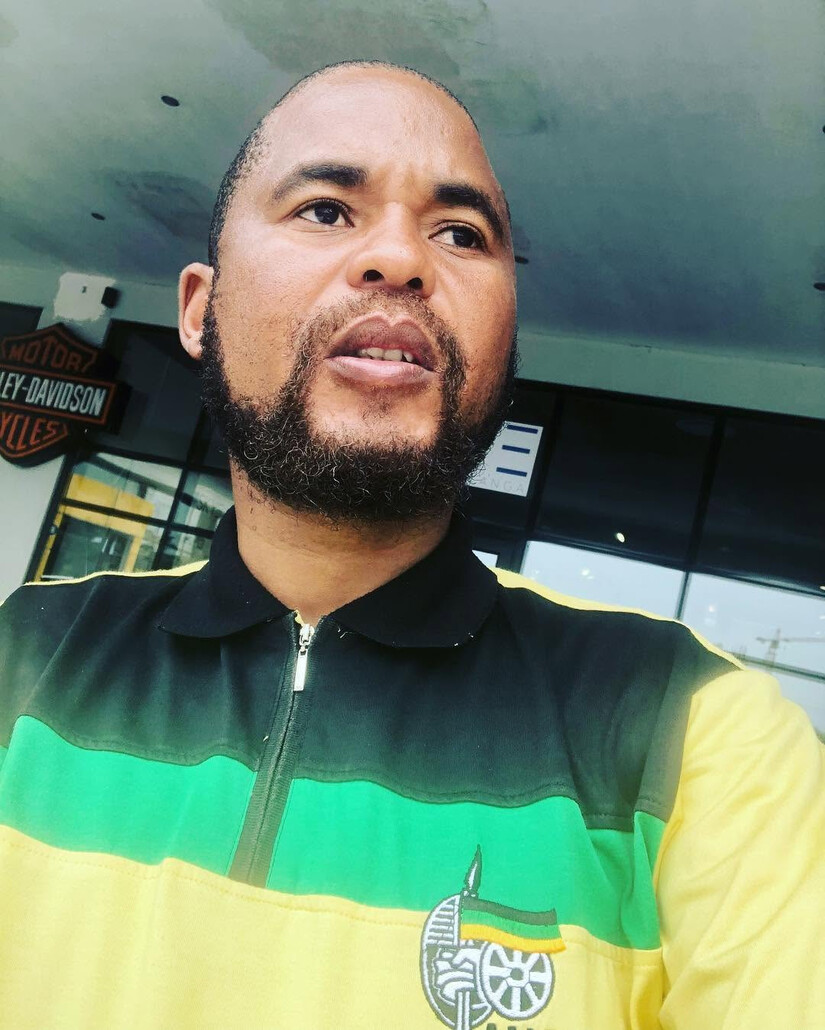
Tom Akaolisa:
Khaye, thank you so much for joining us. You currently serve as Head of Office to South Africa's Deputy Minister of Science, Technology and Innovation. Throughout your career in public service, government communications, higher education, and public policy, you have held conversations surrounding national development, innovation, and democratic strength.
Most people know Khaye Nkwanyana through your public titles. Today, we want to meet Khaye Nkwanyana as the citizen, the thinker, the African, and the human being. Welcome to Voices From Across the World.
Khaye Nkwanyana:
Thank you very much, my brother. It is an honor to join you and share these perspectives with your global audience.
Tom Akaolisa:
Before we discuss the state of South Africa as a nation, tell us about the man behind the office. Who is Khaye Nkwanyana beyond the titles?
Khaye Nkwanyana:
I am a middle-aged man born in the rural countryside of KwaZulu-Natal.
I grew up in a household raised by my maternal grandmother. We were not wealthy, but we had enough to afford the basics. My childhood spanned the mid-1980s through the early 1990s, an intense, highly political era in South African history marked by the final, desperate resistance against the apartheid regime.
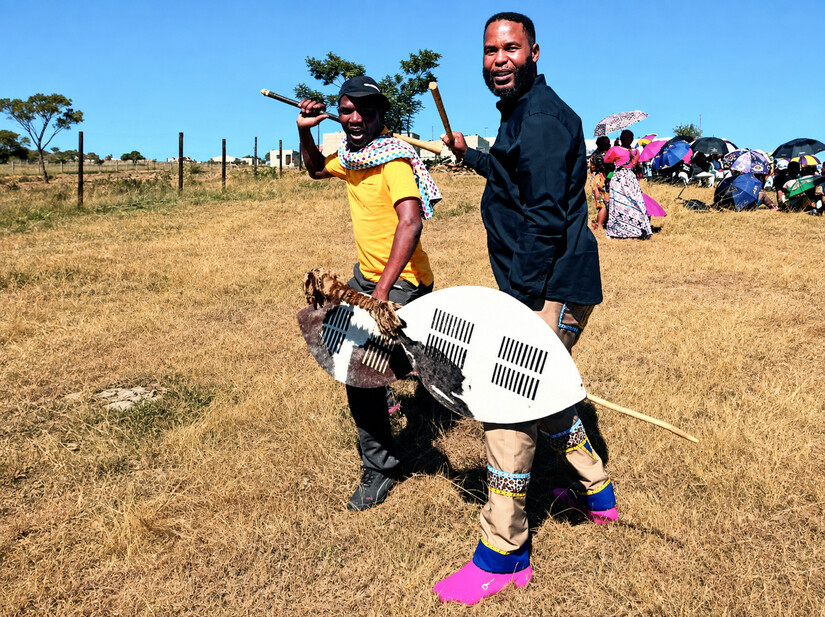
You could not live through that era without being affected or mobilized into action against oppressive state machinery. By the early 1990s, as I entered high school, political violence intensified dramatically. The apartheid state deliberately sowed divisions among black South Africans, backing proxy groups and arming traitors to destabilize our communities and derail our struggle. A devastating wave of violence broke out between those aligned with Nelson Mandela’s African National Congress and state-backed elements.
I remember one specific Monday morning during high school assembly. We were all gathered, standing side by side, closing our eyes to recite the Lord’s Prayer. As we reached the words "Our Father, who art in heaven," automatic machine-gun fire suddenly erupted from all directions.
Boys and girls were scrambling over fences and running frantically down the dusty streets. People were shot right in front of us. The state forces burned our school to the ground, shutting down education for weeks. For many of us, that entire academic year was lost to state terror.
To protect me, my family made the decision to move me deeper into an extremely remote rural area to live with my parents. That period opened my eyes. It taught me that freedom is never free, that peace must be actively defended, and that basic human dignity is something worth devoting your life to achieve.
Tom Akaolisa:
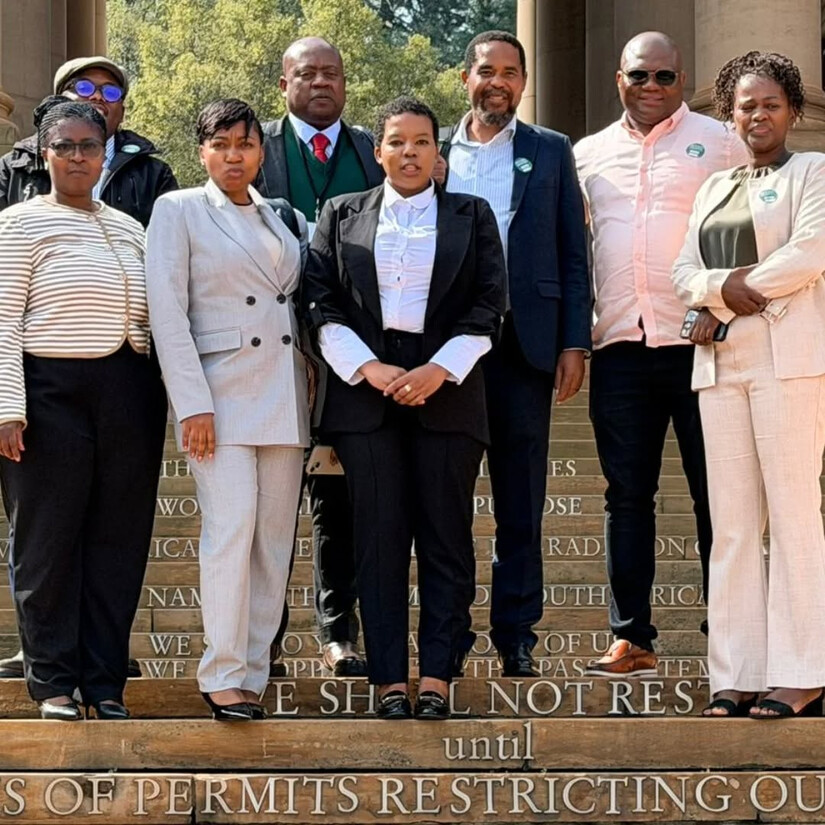
Hearing that story, it becomes evident that your understanding of community development did not begin in government offices in Pretoria or Cape Town. It started as a teenager in rural KwaZulu-Natal. How did those early years turn you into an activist?
Khaye Nkwanyana:
When I relocated to that deeper rural area, it was peaceful, but completely neglected by the state infrastructure. We had no electricity, no paved roads, and cars could barely navigate the gravel terrain.
Worst of all, young primary school children had to walk 11 kilometers to school every morning and 11 kilometers back home every afternoon. Imagine a seven- or eight-year-old walking 22 kilometers a day just to learn. The drop-out rate was catastrophic. Only the most resilient survived that routine.
I brought my political consciousness into that village. At sixteen years old, I organized the high school youth and established a local Community Development Committee. The older villagers thought we were just playing games, but we mobilized the entire community to demand a local primary school.
When Nelson Mandela took power in 1994, it fundamentally altered the speed of state intervention. By 1995, working with the new democratic government, we secured the construction of a primary school right in our village. Children no longer had to walk 22 kilometers a day. Shortly after, we advocated for proper roads, and by the time I completed high school and left for university in Johannesburg in 1998, the village was finally being electrified.
That taught me a life-changing lesson: leadership does not start when someone hands you an official title or a government salary. Leadership begins the moment you organize your community to solve an impossible problem.
Tom Akaolisa:
You eventually moved to Johannesburg to pursue university studies in development, correct?
Khaye Nkwanyana:
Yes. I went to university in Johannesburg in 1998 to major in Development Studies, specifically because I wanted to master the mechanics of public policy and structural development.
Since then, whether working in higher education, municipal administration, or national government ministries, my core identity has never shifted. I remain that same teenager who organized his community to build a primary school. The scale of the budget has changed, but the mission remains identical: building state capacity to restore human dignity.
Tom Akaolisa:
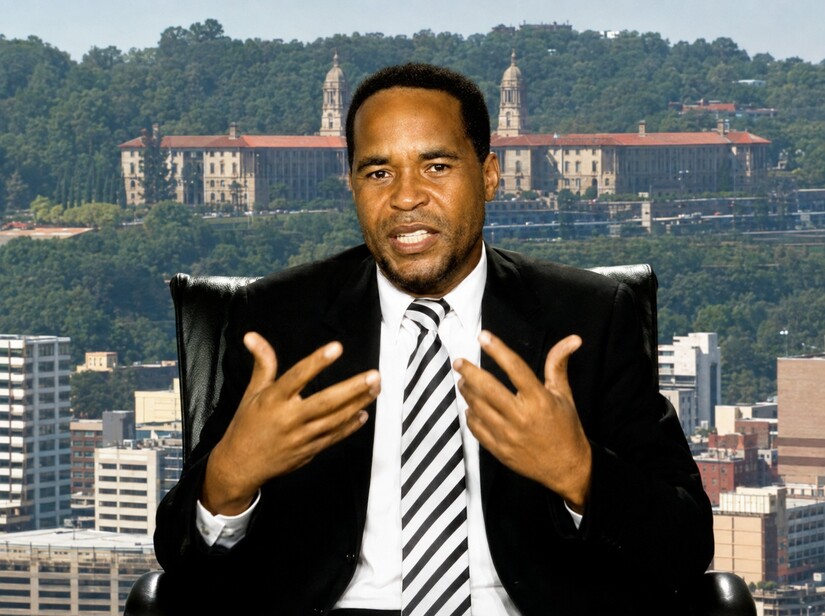
When international observers read about South Africa, headlines often center on economic stagnation, power shortages, or crime. What do people viewing South Africa from afar miss most about the country's daily reality?
Khaye Nkwanyana:
They miss our fundamental resilience and institutional strength. South Africans are a remarkably unified people during a crisis. When hardship hits, we set aside political and cultural differences to champion common causes.
It is true that we face severe economic headwinds. Our national unemployment rate hovers around 32%, disproportionately hitting our youth. To understand why, you have to trace our economic trajectory back to the 2008 global financial crisis. Prior to 2008, South Africa’s GDP was growing at 4% to 5% annually, which kept pace with population growth and absorbed university graduates into the formal economy. Unlike Western economies that rebounded relatively quickly after 2008, South Africa entered a prolonged slope of sluggish growth that failed to keep pace with our expanding workforce.
Yet, despite that economic squeeze, South Africa has built one of the most sophisticated social safety nets and educational mobility programs in the developing world.
Over the past two decades, government higher education funding, through schemes like NSFAS, has systematically built a massive black middle class. Today, if a student comes from a household earning below roughly $45,000 USD annually, the state fully funds their university tuition, books, and living expenses from their first year through graduation.
Think about what that means in practice. A child from a poor, rural family enters top-tier global institutions like the University of Cape Town or Wits University, which rank among the top global institutions for research and professional programs, and graduates as an accountant, financial manager, or mechanical engineer. In a single generation, the cycle of structural family poverty is broken forever.
I am a direct product of that early democratic education intervention. Today, my generation sits as corporate executives, university professors, and public sector leaders, paying for our own children's higher education while supporting our extended families. That is a quiet, massive structural revolution that rarely makes international news.
Tom Akaolisa:
Every democracy is tested. Some are tested by political polarization, others by economic hardship or declining public trust. Where do you believe South Africa's institutions are being tested most seriously today?
Khaye Nkwanyana:
Without question, the economy. Economic pressure eventually affects every institution. When unemployment remains high, sitting around 32%, particularly among our youth, frustration naturally grows. Families wonder whether opportunities will improve, and young graduates question whether their degrees will ever translate into employment.
That pressure manifests in complex ways. Take the conversation around migration. South Africa has long been a sanctuary and an economic destination for people across the continent, including those from Nigeria, Malawi, Mozambique, Zambia, and Zimbabwe. Millions have built lives here, married into our communities, and contributed significantly to our national fabric. But when economic growth stagnates, marginalized citizens can fall prey to political mobilization that scapegoats foreign nationals.
At the government level, we actively resist that xenophobia. We remind our people that during our darkest days under apartheid, our African neighbors opened their borders, hosted our exiles, and sacrificed alongside us. You cannot erase that historical solidarity. The answer to unemployment is not division; it is bold, structural economic expansion.
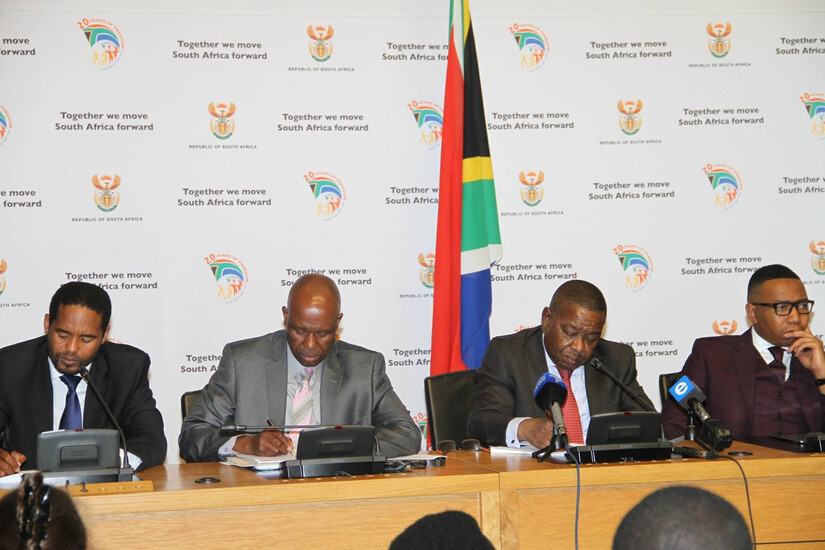
And our democracy is actively proving its capacity to self-correct. Look at what happened in the 2024 national elections. For the first time in thirty years, the African National Congress fell below an absolute majority, landing at around 40%. The electorate sent a clear, unmistakable message: they wanted checks and balances at the highest level.
Instead of clinging to power through a fragile, minimal coalition, President Cyril Ramaphosa demonstrated extraordinary democratic maturity. He invited nine political parties, including the Democratic Alliance, to form a historic Government of National Unity (GNU). Today, former opposition leaders sit in Cabinet holding key ministerial portfolios. We are seeing a genuine meeting of minds to accelerate structural reforms in logistics, freight rail, ports, energy, and bullet-train expansions like the Gautrain network. It proves that our democracy is mature enough to share executive power to move the nation forward.
Tom Akaolisa:
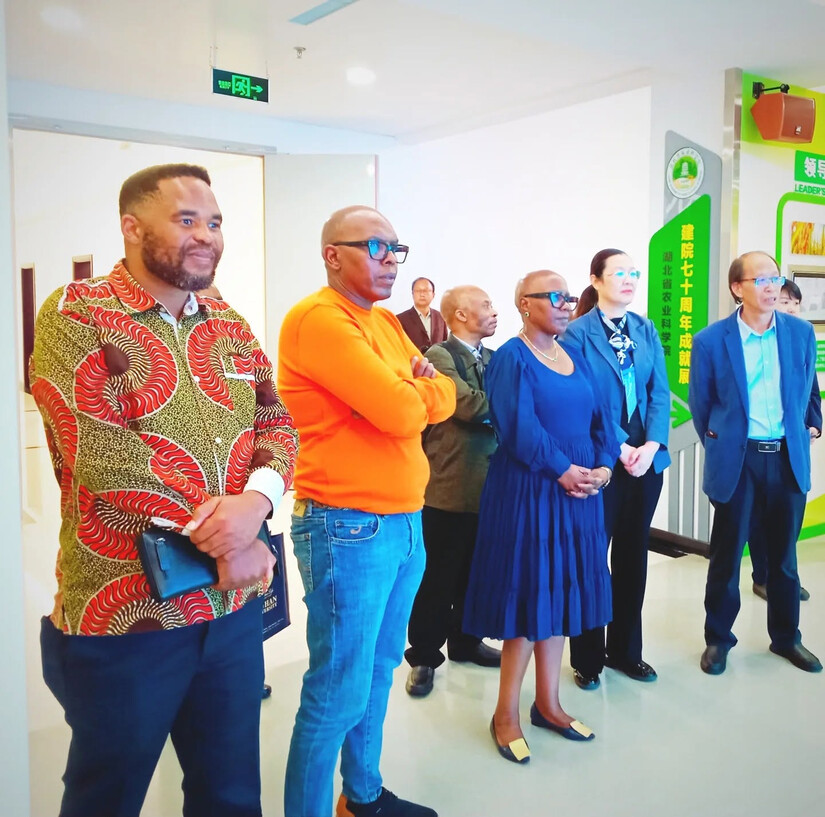
Around the world, artificial intelligence, advanced manufacturing, and global supply chains are transforming economies at a rapid pace. How does South Africa leverage its industrial capacity to ensure it isn't left behind?
Khaye Nkwanyana:
The future economy belongs to nations that build local manufacturing capability and generate original knowledge. Africa must move past being viewed merely as an extraction site for raw minerals or an avenue for foreign charity. We are driving an era of equal, dignified economic partnership.
Consider our industrial manufacturing base. People outside Africa are often surprised to learn that South Africa is a global automotive manufacturing hub for Original Equipment Manufacturers (OEMs). Outside of Europe and Asia, Toyota’s largest assembly operations are right here in Durban, building both right-hand and left-hand drive vehicles for export to the United States and global markets. Volkswagen operates massive plants in Gqeberha (Port Elizabeth), Mercedes-Benz assembles its C-Class models in East London for export back to Germany, and Ford operates extensive production lines in Pretoria. Chinese electric vehicle manufacturers are now opening local assembly plants here as well. We have the technical precision, the industrial labor force, and the infrastructure to compete globally.
When multinational companies enter our market, we insist on regulatory sovereignty and local empowerment. We have explicit laws requiring foreign tech giants and industrial firms to allocate 30% local equity or make equivalent direct investments into local skill development, youth incubation, and infrastructure.
Look at the contrast in how global tech leaders responded to these frameworks. When Elon Musk sought to launch Starlink in South Africa, he expected an exemption from our 30% local equity and transformation requirements. Our stance was firm: being born in South Africa does not exempt anyone from the rule of law. If you extract billions in revenue from our market, you must empower local enterprises and build local capacity. Meanwhile, Amazon complied fully with our regulatory framework when launching its operational hubs, investing heavily in digital infrastructure, training thousands of young South Africans, and integrating local suppliers. Microsoft and Google have similarly deepened their local footprint under these shared equity principles. We don't want corporate charity; we offer a world-class market in exchange for genuine economic equity.
Tom Akaolisa:
That same principle of sovereignty seems especially crucial in the realm of artificial intelligence and digital technology. How do you view the rise of Large Language Models (LLMs) from an African context?
Khaye Nkwanyana:
It is one of the most vital strategic questions facing our department. If Africa simply consumes Large Language Models built in Silicon Valley or Asia, we risk importing a foreign worldview and embedding a modern form of technological colonialism.
African languages are not merely mechanisms for speech; they carry centuries of contextual logic, indigenous wisdom, societal philosophy, and localized historical experience. If you simply take a Western AI model like ChatGPT or Gemini and run a direct linguistic translation into isiZulu, isiXhosa, or Sesotho without local contextual grounding, you translate a eurocentric worldview into an African dialect.
That is why South Africa, in alignment with the African Union’s Science, Technology, and Innovation Strategy for Africa (STISA), is supporting our own Stanford- and MIT-trained computer scientists and researchers at universities like Cape Town, Witwatersrand, and Stellenbosch. We are actively funding the development of indigenous LLMs trained on local data, local languages, and African context. We are ensuring that as AI reshapes global governance, health, and commerce, Africa is not just a passive audience, but an architect of the technology.
Tom Akaolisa:
If a young South African happens to listen to or read this conversation ten or twenty years from now, what do you want them to understand about this moment in history?
Khaye Nkwanyana:
I want them to know that they inherit a country alive with possibilities, and that current hardships are entirely surmountable.
South Africans do not run away when things are tough. It is part of our national DNA: even when conditions are severe, South Africans would rather stay and fix their country than abandon it. Our experts who go abroad to hold executive positions in global corporations almost always return home after a decade. Home is where our collective responsibility lies.
To the next generation, I say: you are the co-creators of the future. The generation of Mandela delivered political liberation. My generation built democratic institutions and expanded basic services. Your task is to lead the industrial, technological, and economic revolution that completes the nation-building project.
Tom Akaolisa:
When you reflect on your own journey, from a teenage activist in KwaZulu-Natal to national policy leadership, what do you want your personal legacy to be?
Khaye Nkwanyana:
I often describe myself using the words Nelson Mandela used: "I am a sinner who keeps on trying."
At my core, I am a development specialist. Nothing gives me greater fulfillment than when someone walks up to me in an airport or a public building and says, "You don't remember me, but twenty years ago, you helped secure my university bursary. Today, I am the Chief Operating Officer of an auditing firm." That human impact is the only legacy that truly matters.
Looking ahead, I am actively wrestling with my next chapter. Vice-Chancellors at our universities have been pressing me to return to academia, finish my PhD, and become a professor before I turn 60, so I can train the next generation of development specialists, project managers, and policy leaders. Others encourage me to take these concepts into the private corporate sector.
Whatever path I choose in the next few years, the objective remains unchanged: using knowledge, policy, and mentorship to leave South Africa in a measurably better position than I found it.
Tom Akaolisa:
Khaye, you have given us a masterclass in civic responsibility, historical perspective, and African self-determination. Thank you for your leadership and for helping our global audience see South Africa beyond the headlines.
Khaye Nkwanyana:
Thank you very much, my brother. It has been a true privilege. May Voices From Across the World continue to build bridges of understanding across our global community.
There are interviews that merely answer questions, and there are conversations that elevate public understanding.
This inaugural edition of Voices From Across the World demonstrates the power of long-form journalistic immersion. Khaye Nkwanyana’s testimony reminds us that modern South Africa is neither a tragedy to be pitied nor a completed miracle to be idealized. It is a living, breathing constitutional democracy, forged in the crucible of anti-apartheid resistance, tested by economic headwinds, and propelled forward by a relentless commitment to institutional integrity and technological self-determination.
For editorial boards and judging panels assessing this piece, this feature stands as a testament to what international journalism can achieve when it trades superficial headlines for deep cultural, economic, and human resonance.
END OF EDITION
STAY CONNECTED TO MINNEAPOLIMEDIA
Local stories matter. Subscribe free to MinneapoliMedia and receive independent news, community reporting and important updates from Minneapolis, the North Metro and communities across Minnesota.
SUBSCRIBE FREE: https://minneapolimedia.town.news/subscribe
MinneapoliMedia | Community. Culture. Civic Life.

Patchy rain nearby, with a high of 86 and low of 61 degrees. Patchy rain nearby for the morning, sunny during the afternoon, patchy rain nearby overnight.