56° and Clear
Image
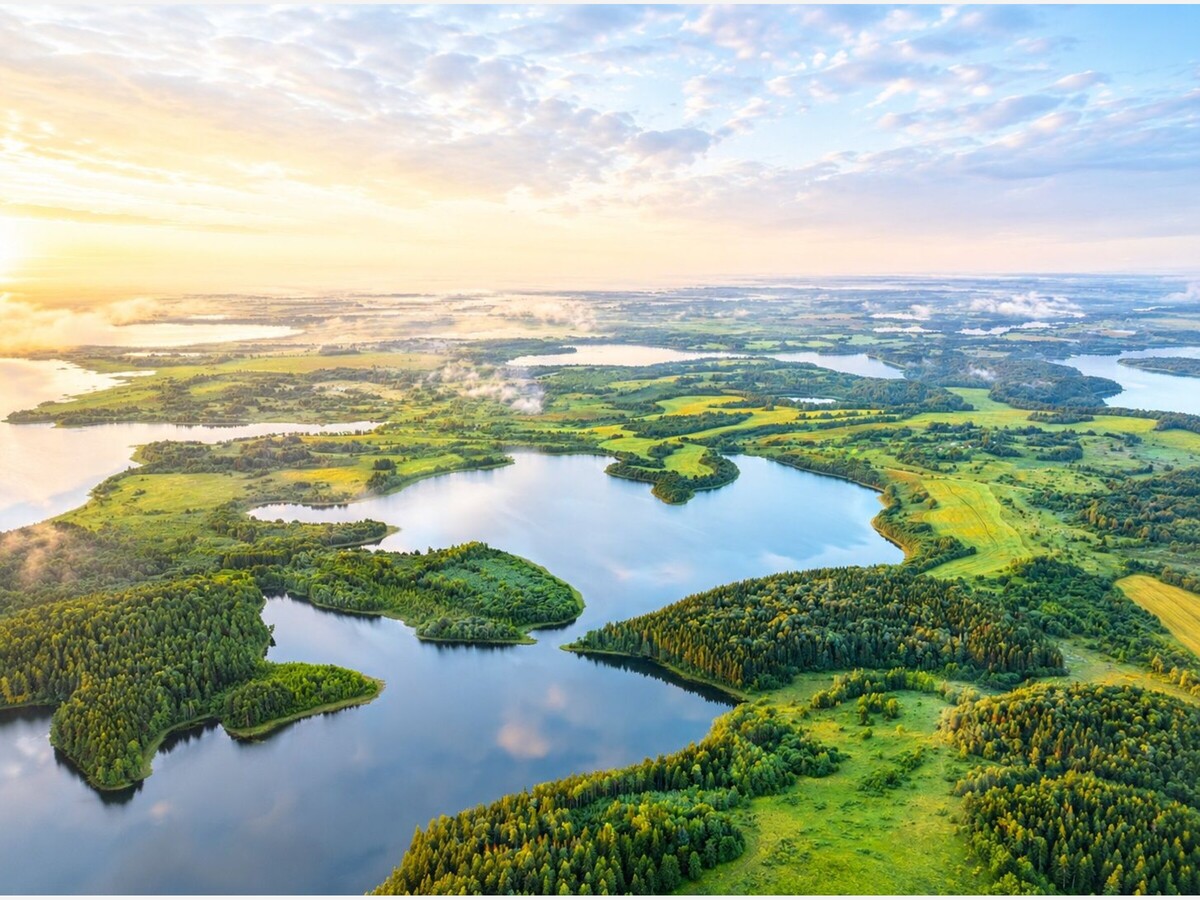



MINNEAPOLIS, MN (August 25, 2026). Minnesota has built much of its identity around water.
It is printed on our license plates, promoted in tourism campaigns and woven into the way Minnesotans understand the state. We are the Land of 10,000 Lakes, the birthplace of the Mississippi River and home to wetlands, rivers and aquifers that have supported generations of communities, farms, businesses and wildlife.
That identity has encouraged an assumption that water will always be available.
The drought now gripping most of Minnesota should put that assumption to rest.
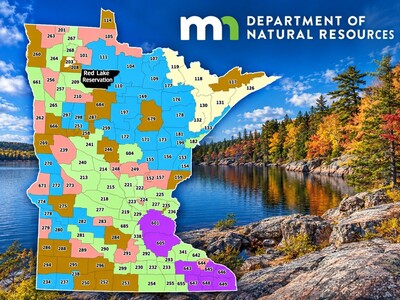
According to the latest drought assessment, approximately 88 percent of the state is experiencing abnormally dry conditions or some level of drought. Forty-four percent is in severe drought, while another 1 percent has entered extreme drought. Five major watersheds, including the Mississippi Headwaters, remain in the Minnesota Department of Natural Resources’ Drought Warning Response Phase.
These are the worst drought conditions Minnesota has experienced since the severe drought of 2021. But the most alarming development is not found only in percentages or colors on a weekly map. It is happening beneath the surface, particularly across north-central Minnesota.
The DNR has described the region as experiencing a “storage drought.”
That term deserves the attention of every Minnesotan.
A storage drought is not simply a period without enough rain. It occurs when water stored over time in lakes, soil and groundwater has been depleted so extensively that normal rainfall cannot quickly replace it. The natural reserves that ordinarily help Minnesota endure a dry season are themselves running low.
North-central Minnesota has received between 12 and 16 inches less precipitation than normal over the past four years. State Climatologist Luigi Romolo has warned that a few heavy rainstorms will not reverse that deficit. Restoring typical lake levels and soil moisture would require months of precipitation well above normal.
This means that a rainy weekend may improve a lawn, raise a stream temporarily or reduce immediate fire danger without repairing the deeper problem. Rain that falls quickly can run into drainage systems, rivers and downstream waters before it has enough time to soak into the soil and replenish groundwater.
The visible evidence is already appearing throughout north-central Minnesota.
Lake levels have fallen. Docks that once extended over water now stand above exposed shoreline. Some public boat ramps no longer reach far enough into the water for safe launching. Residents and visitors in parts of Itasca, Cass and Hubbard counties are encountering lakes several feet below familiar levels.
These conditions affect more than summer recreation.
They affect resorts, fishing guides, bait shops, restaurants, campgrounds and other businesses whose livelihoods depend on reliable access to Minnesota’s lakes. They affect property owners whose wells may become less dependable as groundwater falls. They affect farmers deciding whether to irrigate crops and municipalities trying to meet residential demand. They affect fish, wetlands, forests and wildlife habitats that cannot move to another watershed when the water disappears.
The drought is also placing pressure on rivers and streams. When water levels fall below thresholds established to protect aquatic ecosystems and downstream users, the DNR can suspend surface-water appropriation permits. Dozens of permits along affected waterways have already been suspended to maintain protected flows.
That action is necessary, but it also reveals how quickly a water system can become strained when supply declines and demand remains high.
Minnesota’s present approach to drought is still too dependent on reacting after conditions deteriorate. Watersheds move from watch to warning phases. Public water suppliers are asked or required to reduce consumption. Appropriation permits are suspended when stream flows become too low. Residents are reminded to conserve water after the shortage has become visible.
These measures serve an important purpose during an emergency. They do not amount to a long-term water strategy.
Minnesota needs to confront the habits and policies that place additional pressure on water supplies even in ordinary years.
During drought, agricultural irrigation increases because crops receive less rain. Cities and homeowners irrigate lawns, athletic fields and landscaped properties for the same reason. Water use rises precisely when lakes, streams and aquifers are receiving the least natural replenishment.
Each individual use may appear reasonable. Together, they can intensify the shortage.
This does not mean Minnesota should turn farmers, homeowners and municipalities against one another. Agriculture is central to the state’s economy, and farmers face difficult decisions when crops and livelihoods are threatened. Municipal water systems must serve residents, schools, hospitals and businesses. Families need safe drinking water.
The answer is not blame. The answer is a clearer system of priorities, stronger conservation standards and better preparation before the next drought arrives.
Minnesota should begin by improving how it measures and reports water use. Residents should be able to understand how much water is being withdrawn from local aquifers, who is withdrawing it and whether current levels can be sustained. Public agencies should have the resources to monitor groundwater conditions closely enough to detect long-term decline before household wells begin to fail.
The state must also examine whether existing water-appropriation rules adequately account for consecutive years of drought. A permit based on historical water availability may no longer be appropriate if the watershed has accumulated a multiyear deficit. Approvals for large withdrawals should consider current groundwater conditions, projected demand and the combined effect of other permitted users in the same area.
Agricultural policy must support farmers who invest in water efficiency. More efficient irrigation systems, soil-moisture monitoring, cover crops, improved soil health and other conservation practices can reduce unnecessary water use without treating food production as expendable. Farmers should not be expected to absorb the entire cost of adapting to conditions that are affecting the whole state.
Cities and suburbs also have responsibilities.
Minnesota must reconsider the expectation that every lawn should remain bright green through the driest weeks of summer. Large areas of turf grass require substantial amounts of water while offering limited ecological value. Local governments can encourage native landscaping, drought-tolerant plants, rain gardens and other alternatives that require less irrigation and retain more rainfall where it lands.
Watering rules should become consistent, understandable and enforceable. Communities should not wait until supplies are under severe strain before limiting irrigation during the hottest parts of the day or restricting unnecessary outdoor use.
The state also needs greater investment in water-retention infrastructure. Wetland restoration, urban tree cover, permeable pavement, rain gardens, soil restoration and improved stormwater systems can help slow runoff and allow more water to enter the ground. Every gallon retained on the landscape is a gallon with a better chance of supporting soil moisture, groundwater and local waterways.
Winter deserves equal attention.
Minnesota has traditionally depended on accumulated snow as a form of natural water storage. A steady spring melt gives moisture time to enter the soil and help recharge groundwater. Increasingly unstable winter temperatures complicate that process. When snow melts during an unseasonably warm period while the ground remains frozen, much of the water runs off rather than soaking in.
That does not mean every midwinter thaw can be blamed for the current drought. It does mean Minnesota’s water planning must account for a climate in which precipitation may arrive at the wrong time, in the wrong form or too quickly to provide the benefits it once did.
Total annual precipitation alone does not tell the whole story. When rain and snow arrive matters. How quickly they fall matters. Whether the soil can absorb the water matters. Whether wetlands and natural drainage systems remain intact matters.
Minnesota’s water policies must reflect those realities.
The state should also resist the temptation to interpret one period of heavy rain as the end of the crisis. A downpour can flood streets and swell rivers while doing little to restore a deeply depleted aquifer. A wet week cannot erase a four-year deficit.
The DNR estimates that much of central and northern Minnesota would need approximately 15 inches of rain over three months to emerge from drought. That is nearly twice what would normally fall during that period. Such a recovery cannot be assumed, and it should not be the basis of state policy.
Minnesota has experienced severe drought before and will experience it again. The 2021 drought demonstrated how quickly dry conditions can threaten crops, forests, waterways and public safety. Five years later, the state is again confronting serious shortages, this time with evidence that some areas never fully recovered from the years in between.
The lesson is not that Minnesota is running out of water tomorrow. The lesson is that abundance can be exhausted when consumption, land use and changing weather patterns are treated as separate issues.
They are not separate.
The water used to irrigate a field, maintain a lawn, supply a factory or serve a growing community comes from a connected system. Lakes, rivers, wetlands, soil and groundwater interact. When one part of that system is depleted, the effects eventually reach the others.
Minnesota’s leaders should begin treating water conservation as a permanent responsibility rather than an emergency message issued during dry weather. That requires enforceable standards, transparent data, better land-use planning, support for farmers and communities making costly changes, and sustained investment in the natural systems that store water.
Residents also have a role. We can water less, repair leaks, reconsider water-intensive landscaping and pay closer attention to local restrictions. Those individual choices matter, but they cannot substitute for public policy. Voluntary conservation alone will not resolve a structural water deficit.
The Land of 10,000 Lakes is not exempt from ecological limits.
Our lakes do not make water infinite. Our rivers do not guarantee that groundwater will replenish itself. Our state identity cannot protect us from years of inadequate precipitation or from decisions that remove water faster than nature can replace it.
Minnesota still has time to act before today’s drought becomes tomorrow’s permanent shortage. But that opportunity depends on abandoning the assumption that water will always be waiting for us.
It may not be.

Local stories matter. Subscribe free to MinneapoliMedia and receive independent news, community reporting and important updates from Minneapolis, the North Metro and communities across Minnesota.
SUBSCRIBE FREE: https://minneapolimedia.town.news/subscribe
MinneapoliMedia | Community. Culture. Civic Life



Sunny, with a high of 67 and low of 46 degrees. Sunny during the morning, clear during the afternoon and evening,