53° and Light drizzle
Image
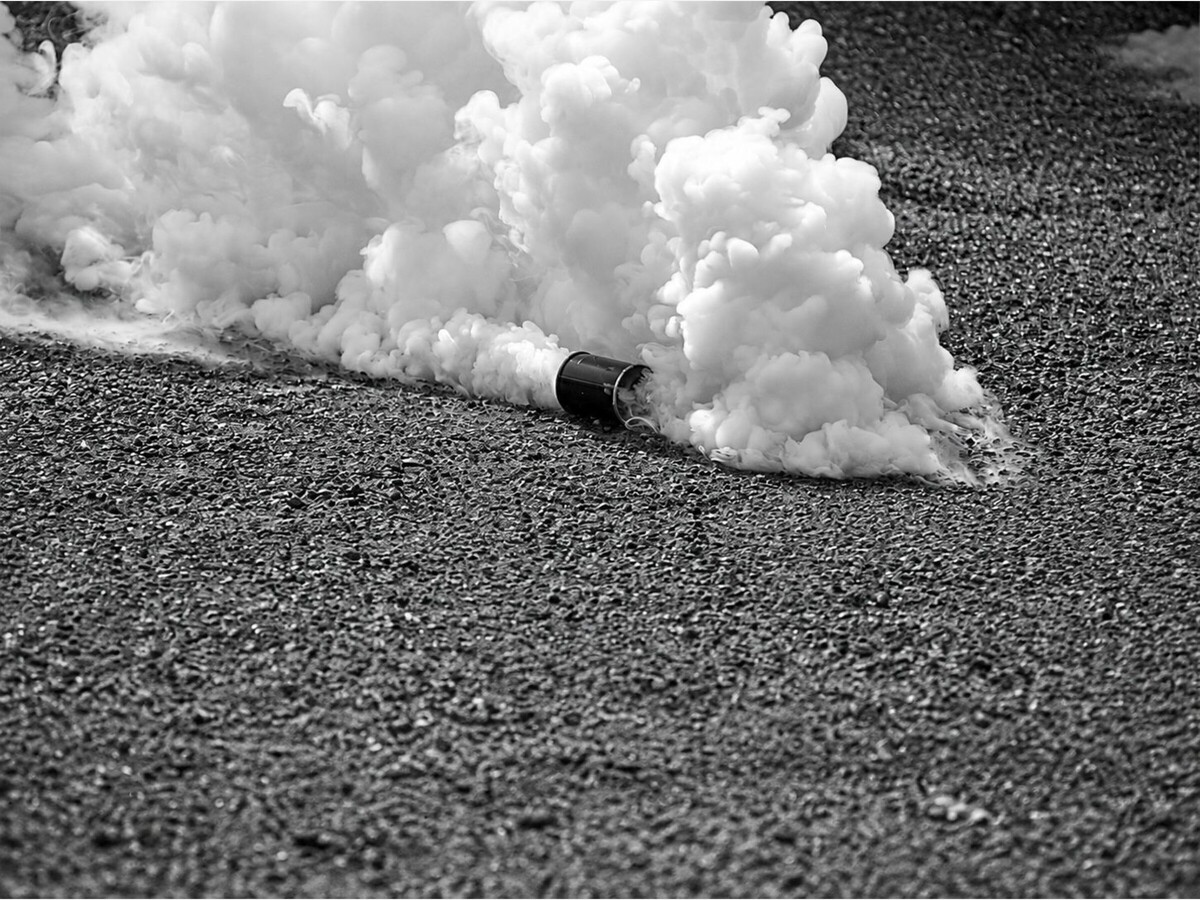



University of Minnesota researchers are examining whether tear gas used during Operation Metro Surge left heavy metals and other contaminants in Twin Cities soil. Preliminary testing found elevated concentrations at some heavily affected locations, but the study has not established the extent of human exposure or any resulting health effects.
MINNEAPOLIS, MN (August 6, 2026) University of Minnesota researchers are studying soil and environmental samples from locations where federal agents deployed tear gas during Operation Metro Surge, seeking to determine whether chemical crowd-control agents left contaminants in Twin Cities neighborhoods.
The research is focused on approximately 30 locations associated with tear-gas use during federal immigration-enforcement operations and the demonstrations that followed.
Rebecca Walker, the project’s lead researcher, is working with nearly 10 University of Minnesota undergraduate students and researchers affiliated with the Minneapolis-St. Paul Metropolitan Area Long Term Ecological Research program.
The team has conducted testing at nine of the identified locations, according to CBS Minnesota.
Preliminary Findings Include Heavy Metals
Researchers reported finding high concentrations of heavy metals at some locations where substantial amounts of tear gas were used, including areas near memorials for Renée Good and Alex Pretti.
The findings are preliminary. Researchers have not yet completed the broader project, and the results do not establish that residents were exposed to harmful levels or that the contaminants caused a particular illness.
The team is examining how materials released through tear-gas deployment may move through snow, soil and other parts of the urban environment.
Researchers began collecting snow samples after known tear-gas incidents. The project later expanded to include soil testing as the team sought to understand whether contaminants remained after the immediate smoke and visible residue disappeared.
Tear Gas Does Not Simply Vanish
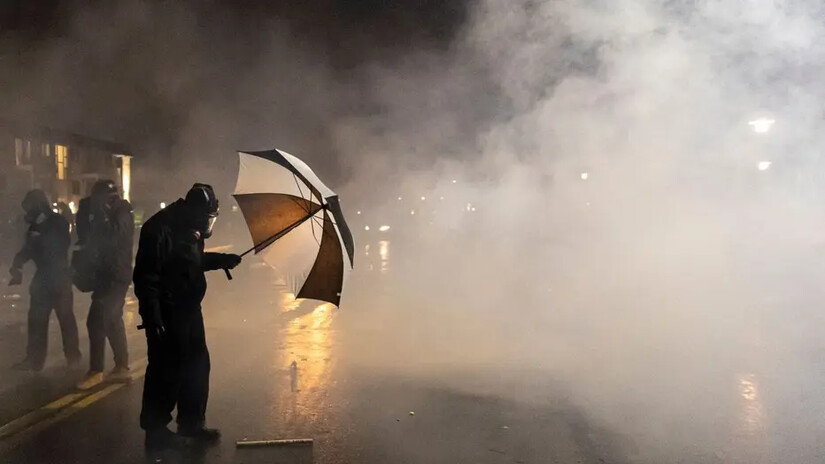
Tear gas is a broad term covering chemical agents intended to cause temporary irritation of the eyes, skin and respiratory system. The devices used to disperse those agents can also contain metals and other materials associated with their manufacture and deployment.
Walker said existing research suggests some contaminants can remain in the environment, although scientists do not yet have a complete understanding of how they travel through urban soil and water systems.
That uncertainty is one reason the Minnesota study is significant. Much of the public discussion about tear gas focuses on immediate symptoms, including burning eyes, coughing, breathing difficulty and skin irritation. Far less is known about possible environmental persistence after large or repeated deployments in residential areas.
The project could help identify whether certain sites require additional monitoring, remediation or precautions.
No Final Health Conclusion Yet
The early discovery of elevated heavy-metal concentrations does not, by itself, demonstrate a public-health emergency.
Researchers must determine which substances were detected, their concentrations, how those levels compare with background conditions and whether people could encounter them through soil, dust, water, gardening or other pathways.
They must also distinguish contamination connected to tear-gas deployment from pollution that may have existed before Operation Metro Surge.
Until that analysis is complete, the findings should be understood as an indication requiring further study, not proof that tear gas caused illness or rendered the affected locations unsafe.
Communities Await More Answers
The study carries particular importance for residents who live near deployment sites and for people maintaining memorials or community gardens in affected areas.
Operation Metro Surge brought an extraordinary federal law-enforcement presence to Minneapolis and St. Paul. Tear gas and other crowd-control weapons were deployed during confrontations involving federal agents, demonstrators and community members.
The environmental consequences of those deployments received less attention than the immediate confrontations. The University of Minnesota project is now attempting to document what may have remained after the federal operation ended.
Researchers are expected to continue collecting and analyzing samples before issuing more complete findings.
STAY CONNECTED TO MINNEAPOLIMEDIA
Local stories matter. Subscribe free to MinneapoliMedia and receive independent news, community reporting and important updates from Minneapolis, the North Metro and communities across Minnesota.
SUBSCRIBE FREE: https://minneapolimedia.town.news/subscribe
MinneapoliMedia | Community. Culture. Civic Life.



Overcast, with a high of 63 and low of 53 degrees. Don't forget your umbrella! Overcast for the morning, light drizzle in the afternoon, overcast in the evening,