67° and Cloudy
Image
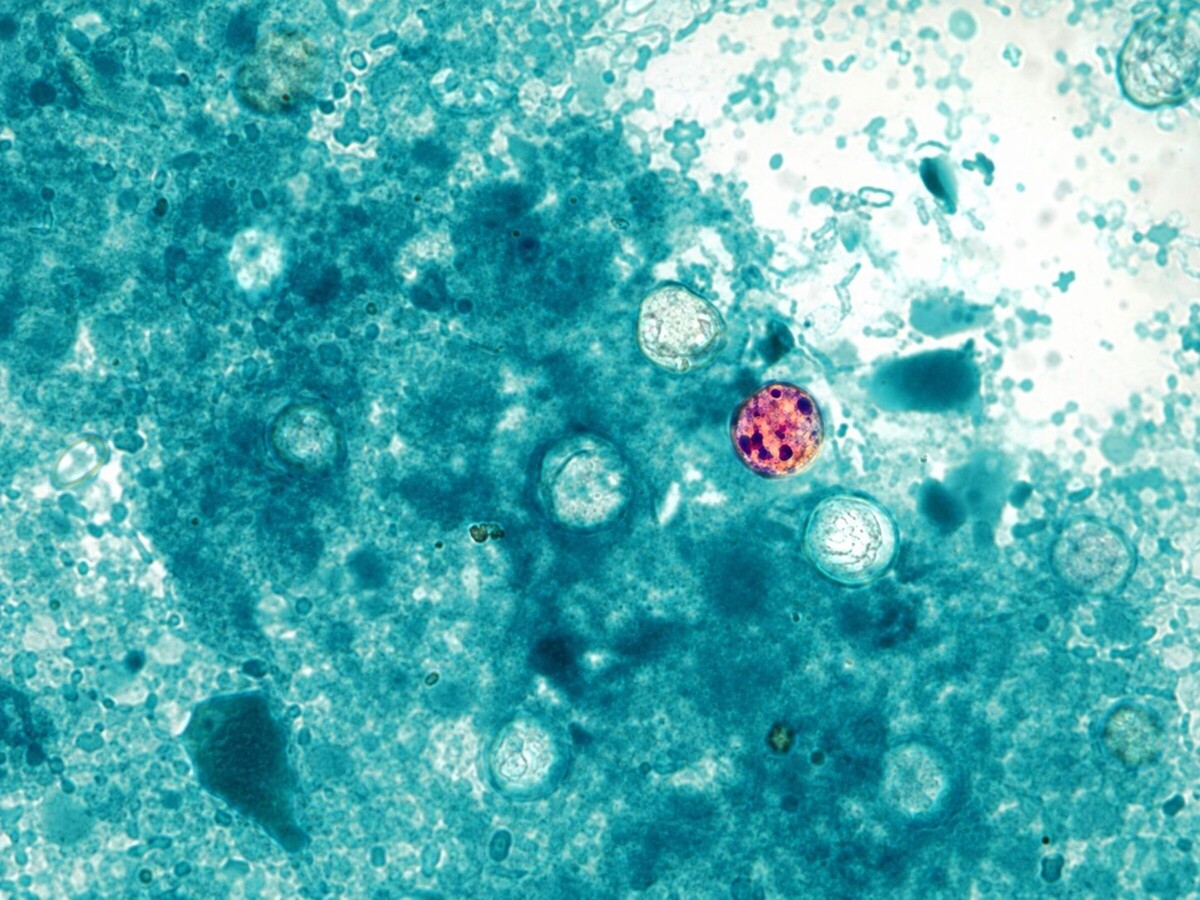



The Centers for Disease Control and Prevention reported at least 1,645 laboratory-confirmed cases acquired within the United States between May 1 and July 13. An additional 5,100 reports require further analysis to determine whether they meet the federal definition for domestically acquired cyclosporiasis.
The confirmed cases have been reported across 34 states.
At least 141 people with confirmed domestic infections have been hospitalized, representing approximately 9 percent of patients for whom hospitalization information was available. No deaths have been reported.
The number of confirmed cases is substantially higher than the 249 recorded nationally by the same point in 2025, according to a CDC health advisory issued Tuesday.
Minnesota has reported cases during the current national investigation, but the Minnesota Department of Health has not announced that the state is experiencing an unusual increase above the level expected for this time of year or identified a Minnesota-specific outbreak.
That distinction is important. The rapidly growing national investigation creates a reason for awareness in Minnesota, but it does not mean state officials have established that a particular restaurant, grocery store, farm or food product is responsible for illnesses here.
Cyclosporiasis is an intestinal illness caused by Cyclospora cayetanensis, a parasite too small to see without a microscope.
People generally become infected after consuming food or water contaminated with fecal matter containing the parasite. Previous U.S. outbreaks have been associated with fresh produce, including leafy greens, herbs, berries and other fruits and vegetables commonly consumed raw.
The CDC and Food and Drug Administration are investigating several clusters and conducting traceback work involving multiple produce items. No single food has been confirmed as the source of all illnesses included in the national count.
Health officials have not issued a broad recommendation that consumers stop eating fresh fruits and vegetables.
The CDC instead advises people to follow established food-safety practices while investigators work to identify the contaminated products or supply chains.
Because the investigation remains active, consumers should be cautious about social-media claims attributing the entire outbreak to one restaurant chain, grocery company or produce item. A possible connection under investigation is not the same as a confirmed source.
The most common symptom is frequent watery diarrhea, which can be severe. Other symptoms may include:
Symptoms generally begin approximately one week after a person consumes contaminated food or water, although the time between exposure and illness can vary.
Without treatment, symptoms may last for several weeks or longer. They may appear to improve and then return.
Some infected people do not develop symptoms.
The illness can cause dehydration, particularly among young children, older adults and people already managing health conditions. Anyone experiencing prolonged or severe diarrhea, signs of dehydration or worsening illness should contact a healthcare professional.
Signs of dehydration can include reduced urination, dry mouth, dizziness, unusual fatigue and an inability to keep fluids down.
Cyclosporiasis cannot always be identified through routine testing for gastrointestinal illness.
The CDC has asked clinicians to consider the infection in patients experiencing prolonged diarrhea and to request testing specifically for Cyclospora. In some cases, multiple stool samples collected on different days may be needed because the parasite may not appear consistently in every sample.
Patients should tell their healthcare provider when symptoms began, whether they recently traveled and what fresh produce, restaurant meals or catered foods they consumed during the two weeks before becoming ill.
Cyclosporiasis is treatable. The preferred treatment is a combination antibiotic containing trimethoprim and sulfamethoxazole, commonly known as TMP-SMX. Patients with sulfa allergies should consult their healthcare provider about appropriate alternatives.
Antibiotics should be taken only under medical supervision.
The CDC recommends washing fruits and vegetables thoroughly under running water before eating, cutting or cooking them, including produce labeled as prewashed.
Firm produce such as melons and cucumbers should be scrubbed with a clean produce brush. Damaged or bruised sections should be removed, and cut, peeled or cooked produce should be refrigerated within two hours.
Consumers should also:
Washing is important, but it may not remove every Cyclospora organism from contaminated produce. The parasite can adhere to surfaces and become lodged in small crevices that are difficult to clean.
Soap, bleach and household disinfectants should not be used to wash fruits and vegetables unless a product is specifically approved for that purpose.
Unlike some gastrointestinal illnesses, cyclosporiasis is not generally transmitted directly from one person to another.
The parasite released in an infected person’s stool must undergo a period of development in the environment before it becomes infectious. This process can take days or weeks.
That makes immediate person-to-person transmission unlikely, although careful handwashing after using the bathroom, changing diapers and before preparing food remains essential.
People can become infected more than once. Recovering from cyclosporiasis does not provide reliable lifelong immunity.
The CDC cautioned that the current figures do not reflect every recent infection.
Cyclosporiasis is frequently underdiagnosed and underreported, and federal surveillance data can lag behind the onset of illness by several weeks. Investigators expect additional confirmed cases as laboratories and state health departments review pending reports.
The national figures also separate domestically acquired infections from travel-associated cases. As of July 13, the CDC had received reports of an additional 440 infections associated with international travel.
The current multistate investigation concerns people who became ill after consuming food in the United States and did not report international travel during the 14 days before becoming sick.
Cyclosporiasis is not new to Minnesota.
The state recorded 68 cases in 2025, according to the Minnesota Department of Health. That was similar to Minnesota’s annual experience during the previous decade, when the median was 70 cases and yearly totals ranged from four to 156.
Nearly half of Minnesota’s 2025 cases involved Twin Cities residents. The median patient age was 45, although patients ranged from one to 88 years old.
Those historical figures provide context but should not be confused with Minnesota’s 2026 count, which had not been publicly detailed in the sources reviewed for this report.
The immediate message for Minnesota families is awareness, not panic.
Residents should continue following food-safety precautions, monitor credible health advisories and seek medical guidance when diarrhea is severe, prolonged or accompanied by dehydration.
Until investigators identify the source or sources, health officials cannot point consumers toward one product to avoid. Careful preparation, prompt medical attention and accurate reporting of recent food history remain the most practical protections.
Sources: CDC Health Advisory, CDC outbreak investigation, CDC prevention guidance and Minnesota Department of Health statistics.
MinneapoliMedia | Community. Culture. Civic Life.



Overcast, with a high of 86 and low of 67 degrees. Moderate rain for the morning, overcast in the afternoon,