67° and Cloudy
Image




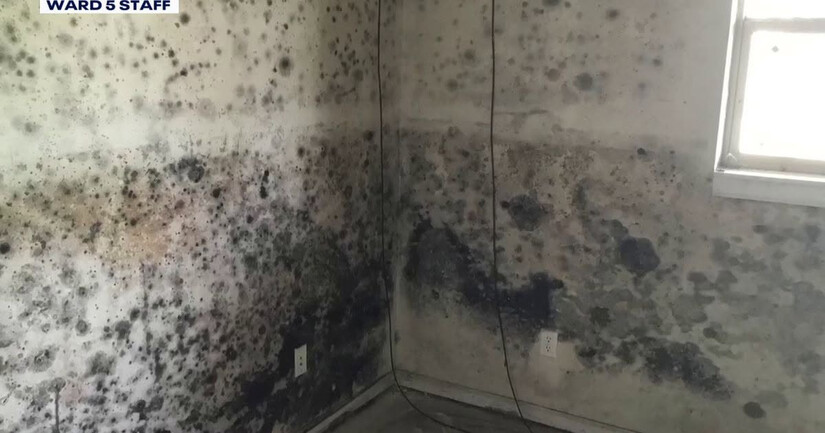
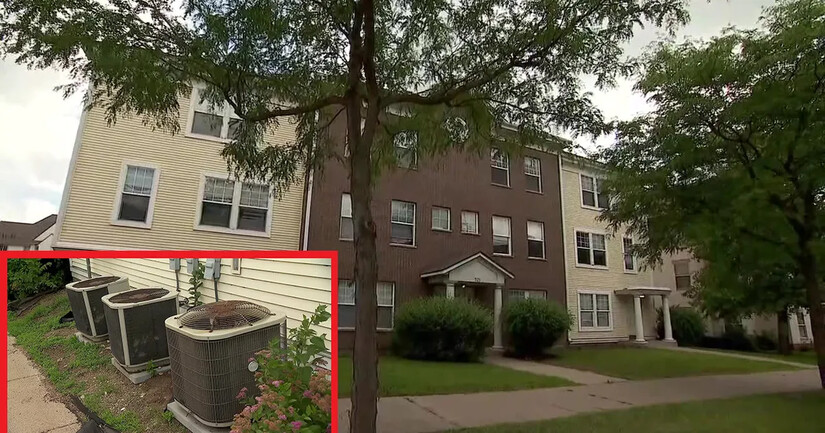
MINNEAPOLIS, MN (July 17, 2026) Minneapolis will commit $2.5 million to an emergency response at Heritage Park, where 686 people living in 212 households must be moved amid reports of mold, mice, damaged roofs and other unsafe conditions.
The City Council approved the funding Thursday as officials accelerated efforts to relocate residents from the housing development in the Sumner-Glenwood neighborhood of North Minneapolis.
The money will help identify safer housing, support the relocation process and pay for urgent repairs needed while residents are moved.
Council members also ordered regular reports on the relocation effort and how the emergency allocation is being spent.
The scale of the response extends well beyond a conventional inspection dispute involving an individual apartment building.
The relocation affects 686 people across 212 households. Each household may face different needs based on family size, disability, employment, school enrollment, transportation access and eligibility requirements at potential replacement properties.
Finding housing for hundreds of people in a tight rental market will require more than identifying vacant apartments.
Families may need help with security deposits, moving expenses, utility transfers and transportation. Some residents could require accessible units or locations close to medical care. Parents may seek to keep children in the same schools, while workers may need to remain near existing transit routes.
City officials have not announced a single deadline by which all residents must be relocated. Work to begin moving households is already underway.
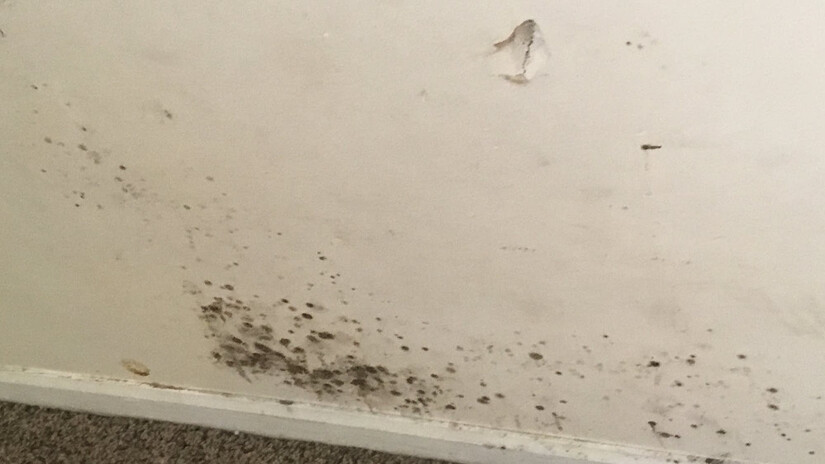
Council Member Pearll Warren raised alarms about conditions at the complex, including mold, mice infestations and holes in roofs.
Those problems carry immediate consequences for residents.
Mold and persistent moisture can aggravate asthma and other respiratory conditions. Rodent infestations can contaminate food and living spaces, while damaged roofs can allow additional water into buildings and accelerate structural deterioration.
For families, unsafe housing can also produce missed work, school absences, medical expenses, damaged belongings and the constant stress of not knowing whether their home remains secure.
The emergency action recognizes that the situation cannot be addressed solely through a long-term maintenance schedule while residents continue living in dangerous conditions.
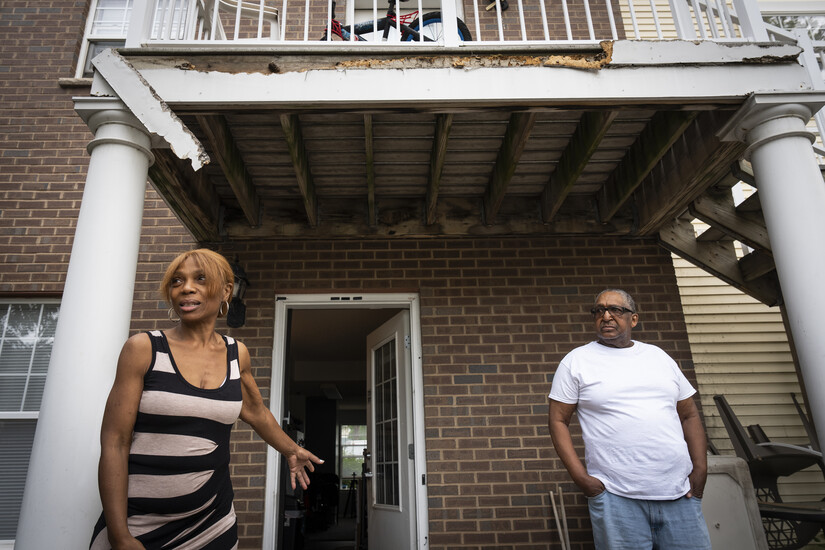
The approved $2.5 million is intended to help Minneapolis find new housing for all affected residents. A portion may also be used for necessary repairs while the relocation continues.
Emergency repairs could remain essential even if buildings are ultimately vacated because relocating 212 households will not happen simultaneously. Some residents may remain at Heritage Park while units and assistance are located for others.
The council’s approval creates an immediate pool of money, but it does not establish that $2.5 million will cover every cost arising from the crisis.
The average is approximately $11,792 per affected household if the entire allocation were divided equally among 212 households. Actual spending will not be distributed that way, and costs will vary considerably. The calculation nevertheless illustrates the financial pressure involved in relocating hundreds of residents and stabilizing deteriorated property at the same time.
Along with approving the emergency money, the council adopted a legislative directive requiring updates on the relocation process and expenditures.
Those reports will be important for determining how many households have been moved, where residents are being placed, how much money remains and whether additional public funding will be required.
The council also requested a legal memorandum examining whether Minneapolis can recover part of the $2.5 million from the property’s receiver.
That question matters because emergency municipal spending protects residents immediately but can leave taxpayers covering costs that may ultimately be attributable to private ownership, management or court-supervised control of a property.
Seeking repayment does not eliminate the city’s immediate responsibility to protect residents. It could, however, determine who bears the final financial burden.
Moving people away from unsafe buildings is only the first measure of success.
A poorly managed relocation can separate residents from schools, jobs, child care, health providers, public transportation and the community relationships they rely upon. Families could also face higher rents or housing that is only temporarily available.
The city’s response will therefore be judged by whether residents reach housing that is safe, stable and affordable, not merely by whether Heritage Park is emptied.
Regular public reports should clarify how residents are being consulted, what assistance each household receives and how officials are addressing language access, disability accommodations and transportation needs.
The Heritage Park crisis also raises a wider question for Minneapolis: how housing conditions affecting hundreds of people deteriorated to the point that an emergency relocation became necessary.
That examination will continue long after the immediate moving process begins.
MinneapoliMedia | Community. Culture. Civic Life.



Overcast, with a high of 86 and low of 67 degrees. Moderate rain for the morning, overcast in the afternoon,