Image
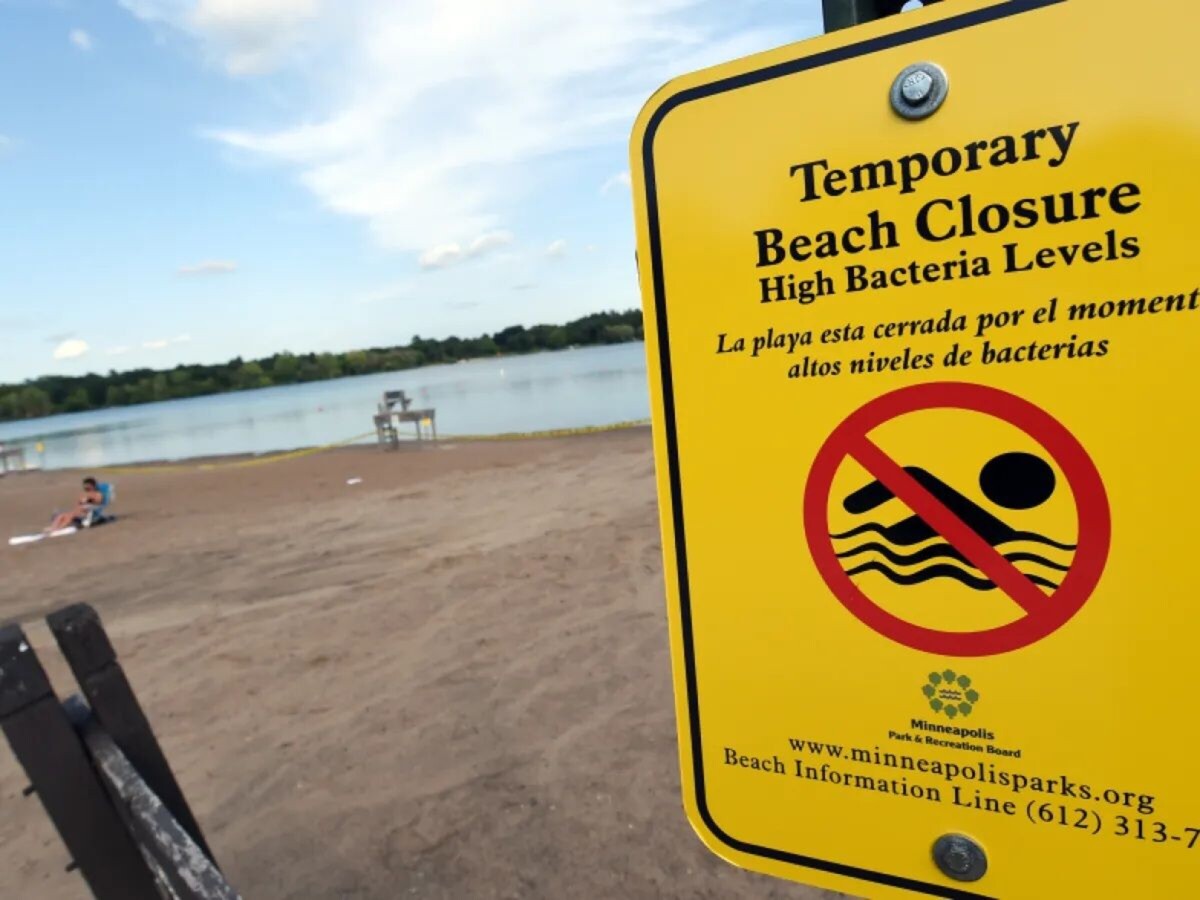



MINNEAPOLIS, MN (August 12, 2026) Six Minneapolis beaches have been closed for swimming after water monitoring identified blue-green algae blooms at Cedar Lake and elevated E. coli levels at Bde Maka Ska and Lake Hiawatha.
The closures affect three Cedar Lake beaches:
Those beaches were closed because of blue-green algae.
Three additional beaches were closed because of elevated E. coli levels:
Powderhorn Lake and Grass Lake, which do not have designated swimming beaches, were also under algae advisories.
The Minneapolis Park and Recreation Board will continue monitoring the affected waters. Beaches will reopen when testing or observed conditions indicate that the water is within applicable safety guidelines.
Why blue-green algae can be dangerous
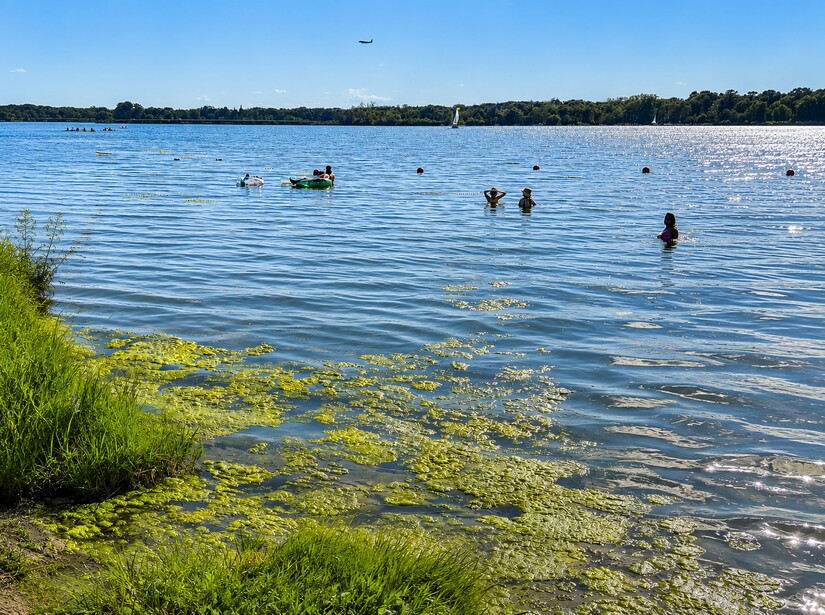
Blue-green algae are bacteria known as cyanobacteria. Blooms commonly develop during warm, sunny and relatively calm weather, particularly when water temperatures rise during the summer.
An algae bloom may resemble pea soup, green paint or a thick layer of material on the water. Some blooms produce toxins that can harm people and animals.
It is not possible to determine whether an algae bloom is toxic simply by looking at it.
Contact with contaminated water can produce skin irritation, respiratory symptoms or gastrointestinal illness. Swallowing water presents an additional risk.
Dogs and other animals can become seriously ill after drinking contaminated water or licking algae from their fur. Pet owners should keep animals away from water affected by a visible bloom or posted advisory.
E. coli closures depend on testing
E. coli is a bacterium used to identify possible fecal contamination in recreational water. Elevated levels can follow heavy rain, stormwater runoff or other environmental conditions.
Swimming in contaminated water can increase the risk of gastrointestinal illness and other infections, especially if a swimmer swallows water or has an open wound.
A beach closure does not necessarily mean that every part of a lake is contaminated. It means that the beach’s water sample or observed conditions did not meet the standard for safe swimming.
Beach conditions can change quickly. Visitors should check the Park Board’s current water-quality map before traveling to a Minneapolis beach rather than relying solely on an earlier report.
Residents should obey posted closure signs and avoid entering the affected water until the Park Board announces that the beach has reopened.
Current beach information:

Local stories matter. Subscribe free to MinneapoliMedia and receive independent news, community reporting and important updates from Minneapolis, the North Metro and communities across Minnesota.
SUBSCRIBE FREE: https://minneapolimedia.town.news/subscribe
MinneapoliMedia | Community. Culture. Civic Life



Overcast, with a high of 90 and low of 63 degrees. Overcast in the morning, clear overnight.