71° and Clear
Image
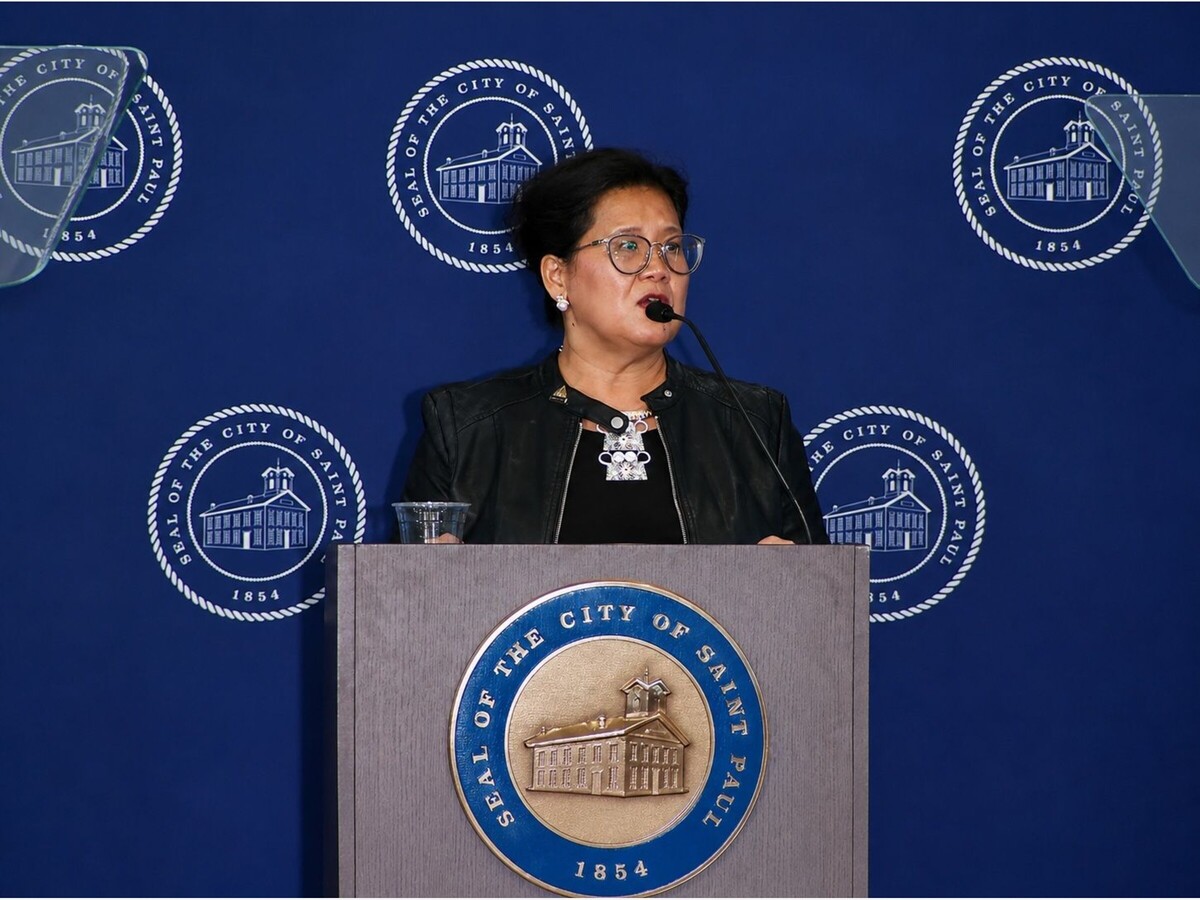



ST. PAUL, MN (August 14, 2026) Saint Paul Mayor Kaohly Her is proposing a 6.8 percent increase in the city’s property tax levy as part of her administration’s plan to close a projected $26 million budget deficit in 2027.
Her presented the proposed budget Thursday during her first annual budget address since taking office in January. The proposal begins several months of review by the Saint Paul City Council, which holds authority to amend and ultimately adopt the city’s budget and final tax levy.
The 6.8 percent increase represents the proposed growth in the total amount of property-tax revenue collected by the city. It does not mean every Saint Paul property owner’s city tax bill would rise by exactly 6.8 percent.
The effect on an individual property depends on changes in its assessed value, the value of surrounding properties, tax classifications and the final levy approved by the City Council. Ramsey County, Saint Paul Public Schools and other taxing jurisdictions establish separate levies that also appear on property-tax statements.
A $26 Million Financial Gap
City officials have described the projected $26 million shortfall as one of Saint Paul’s largest recent budget gaps.
Her said earlier in the budget process that closing the gap without some form of tax increase would be impossible. She attributed the pressure to rising costs for employee health insurance, fuel for police and fire vehicles, materials used in municipal infrastructure and other essential city operations.
Inflation increases the cost of delivering public services, but municipal revenue does not always rise at the same pace. Saint Paul must also manage personnel expenses, deferred maintenance and ongoing programs that may previously have relied on temporary or one-time funding.
The city operates on an annual budget approaching $1 billion and employs more than 3,000 people across 18 departments. Its responsibilities include police, fire and emergency medical response, street maintenance, parks, recreation centers, libraries, planning, inspections and neighborhood services.
Her has said her administration inherited financial practices that did not always emphasize long-term sustainability. She described the 2027 budget process as an opportunity to begin addressing structural problems rather than continuing to rely on short-term solutions.
Cuts and Revenue Considered Together
Before presenting the proposal, Her directed city departments to prepare multiple spending scenarios, including options involving reductions of approximately 4 percent.
The administration also considered a hiring freeze and other measures intended to control personnel and operating costs. The mayor had previously said that the deficit would require a combination of spending restraint and additional revenue.
The proposed levy increase is therefore one part of a broader balancing effort. The full consequences for staffing, departmental programs and neighborhood services will become clearer as individual departments present their budget requests to the City Council.
A levy increase does not automatically close a deficit dollar for dollar. The administration must account for the amount of revenue the increase is expected to generate, proposed spending reductions, fees, intergovernmental aid and other available funding sources.
Comparison With the Current Budget
Saint Paul’s adopted 2026 budget totals approximately $883 million and includes a $232.5 million city property tax levy.
That budget, developed under former Mayor Melvin Carter, increased the levy by 5.3 percent. City officials estimated that the increase would add approximately $107 annually, or about $9 per month, to the city tax paid on a median-valued home.
Her’s proposed 6.8 percent increase for 2027 is larger than the current year’s increase, reflecting the deeper financial gap confronting the new administration.
The proposal does not yet constitute a final tax decision. The City Council can reduce the requested levy or modify spending priorities during its fall review, but the final budget must remain balanced.
What Happens Next
The City Council will examine the proposed operating and capital budgets through departmental presentations, committee discussions and public hearings.
Council members may seek to restore proposed reductions, redirect spending, identify additional revenue or reduce the levy increase. Any decision to add spending must be accompanied by sufficient revenue or corresponding reductions elsewhere.
Saint Paul residents will have opportunities to provide testimony before the council adopts the final budget in December.
Once the city establishes its preliminary maximum levy, the final levy may be lowered during the budget process but cannot be increased beyond that certified maximum.
A Debate Over Services and Affordability
The proposal places Saint Paul in the same difficult position confronting local governments throughout Minnesota.
Cities face higher labor, construction, insurance and equipment costs while residents are also managing rising expenses for housing, food, transportation and health care. Raising property taxes may protect municipal services, but it can place additional pressure on homeowners, renters and small businesses.
Rental properties are also affected because rising property taxes and operating expenses can eventually influence rents, although the relationship is not immediate or uniform.
The central debate over Her’s proposal will therefore concern more than a single percentage. Council members and residents must decide which services Saint Paul can afford to reduce, which ones must be protected and how much additional cost property owners can reasonably absorb.
Her’s 6.8 percent proposal establishes the administration’s opening position. The final answer will emerge through the City Council’s public budget process over the coming months.

Local stories matter. Subscribe free to MinneapoliMedia and receive independent news, community reporting and important updates from Minneapolis, the North Metro and communities across Minnesota.
SUBSCRIBE FREE: https://minneapolimedia.town.news/subscribe
MinneapoliMedia | Community. Culture. Civic Life


Sunny, with a high of 94 and low of 68 degrees. Overcast during the morning, thundery outbreaks in nearby in the afternoon, clear for the evening,