55° and Light rain shower
Image
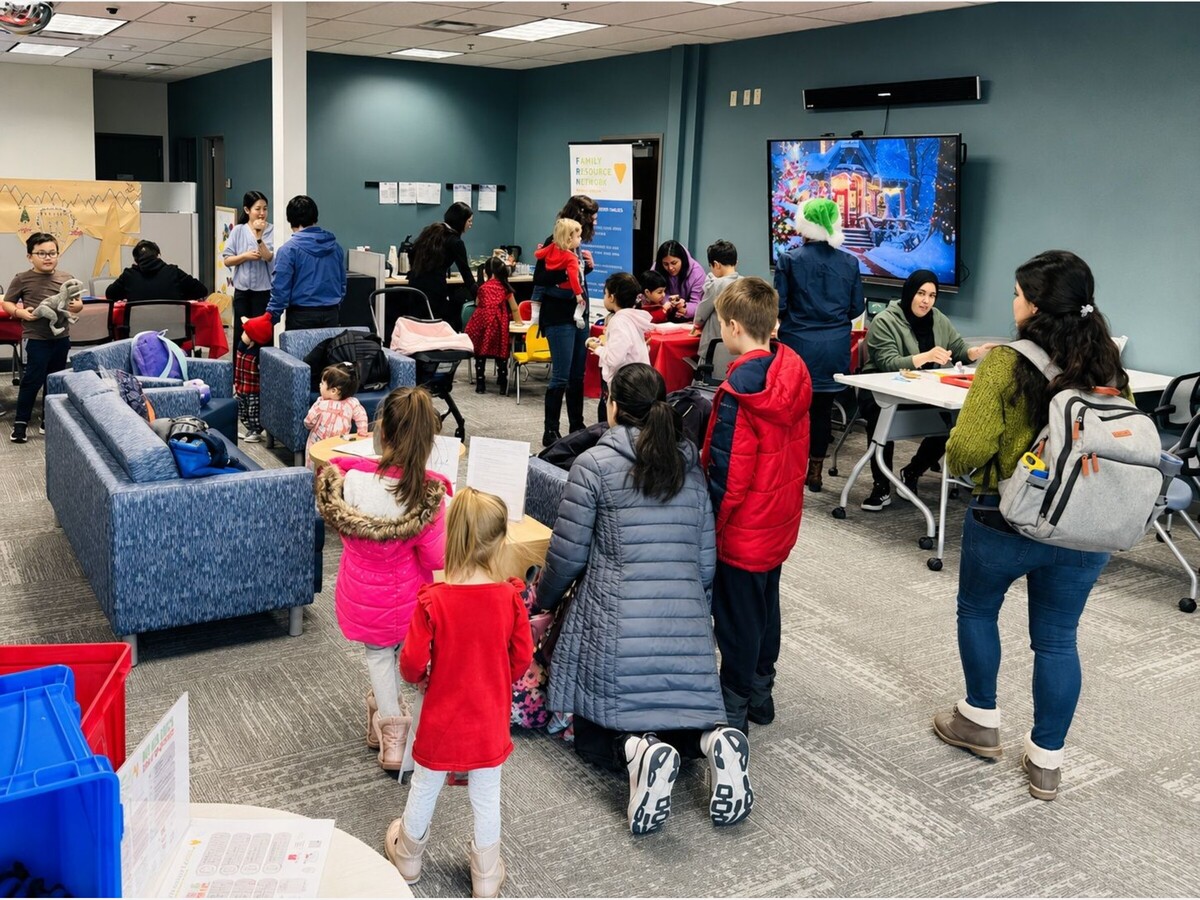



The need extends beyond finding an available bed.
Minnesota particularly needs foster parents who can keep brothers and sisters together, care for teenagers, support children affected by trauma and mental-health conditions, and help young people remain connected to their schools, relatives, cultures and communities.
State officials are also encouraging families from different racial and ethnic backgrounds to consider fostering so that children can be placed with caregivers who understand and reflect important parts of their identities.
“For children facing uncertainty, one supportive adult can mean everything,” the Minnesota News Network reported in drawing attention to the statewide recruitment effort.
Fewer Children in Care, but Significant Placement Needs Remain
Minnesota reported that 5,570 children experienced foster care during 2025, a 34 percent decrease from 2020, according to the Department of Children, Youth and Families.
That decline does not mean every community has enough appropriate foster homes.
Placement needs vary by location, age, family circumstances, accessibility requirements and the level of support a child requires. A home licensed for a young child may not be prepared for a teenager. A family with space for one child may not be able to accept three siblings who should remain together.
The shortage is especially pronounced outside the Twin Cities metropolitan area. Lutheran Social Service of Minnesota reported in May that approximately 63 percent of children needing foster care lived in Greater Minnesota.
When no suitable home is available nearby, children may have to leave their school district, friends, activities, health-care providers and other familiar sources of support.
That additional disruption can compound the trauma of being separated from a parent.
Relatives Are Considered First
Foster care is intended to provide temporary support when children cannot safely remain at home. It is not designed to replace their families automatically.
Minnesota agencies generally begin by looking for relatives or trusted adults already connected to a child. When that is not possible, agencies seek licensed foster parents who can help maintain important family and community relationships.
In 2025, nearly 68 percent of Minnesota children in family foster care on an average day were placed with relatives. That was a substantial increase from approximately 36 percent in 2013.
For children who left out-of-home care during 2025, 53 percent returned to a parent or legal guardian. Another 24 percent achieved permanency by living with relatives.
Reunification remains the primary goal whenever it can be accomplished safely.
Foster parents may therefore be expected to work with social workers and children’s parents, support family visits and help prepare a child to return home.
That role can require foster parents to care deeply for children while understanding that successful reunification, rather than adoption, may be the intended outcome.
Minnesota Identifies Four Major Needs
The Department of Children, Youth and Families says Minnesota particularly needs foster parents who are:
Able to keep sibling groups together
Prepared to support children affected by trauma or mental-health conditions
Interested in helping teenagers develop identity, independence and adult-living skills
Representative of the racial, ethnic and cultural diversity of children needing care
Teenagers can face particular placement difficulties because prospective foster parents sometimes express a preference for infants or younger children.
Older youth need caregivers who can offer stability while helping them complete school, find employment, learn financial and household skills, obtain identification and prepare for adulthood.
Some young people may remain in extended foster care until age 21 if they meet state eligibility requirements.
Children also benefit when foster parents preserve connections to language, religion, food, hair care, community traditions and other parts of their cultural identity.
Foster Parents Do Not Have to Fit One Family Model
Prospective foster parents can be married or unmarried, with or without biological children. Eligibility depends on an applicant’s ability to provide a safe and stable environment, meet licensing requirements and work with the child’s support team.
Owning a home is not necessarily required. Renters may qualify if their residence meets applicable health, safety and space requirements.
The licensing agency evaluates the entire household and discusses the ages, needs and number of children a family may be prepared to support.
Prospective caregivers should consider the effect fostering may have on employment schedules, finances, relationships, transportation and other children living in the home.
Agencies provide orientation and training, but foster care can still involve demanding emotional and practical responsibilities. Children entering care may be grieving, frightened, angry or uncertain about what will happen next.
Trauma-informed care asks adults to understand those behaviors in the context of what a child has experienced rather than interpret every difficult response as deliberate defiance.
Licensing Requires Application and Home Study
Minnesota requires foster parents to obtain a license through the Department of Children, Youth and Families. Counties, Tribal Nations and private agencies administer much of the application and placement process.
The principal steps include:
Contacting Foster Adopt Minnesota or a local county or Tribal agency.
Selecting a licensing agency that fits the applicant’s location and interests.
Completing Minnesota’s foster-care application and individual fact sheet.
Completing background studies for applicants and household members.
Participating in interviews and a home-study assessment.
Meeting licensing requirements and receiving a foster-care license.
Completing orientation and required training.
Household members age 13 and older are subject to background studies. Adults must complete fingerprint-based checks.
A past criminal, delinquency or child-protection record does not necessarily produce automatic disqualification in every circumstance. Prospective applicants are encouraged to discuss their history openly so the licensing agency can determine whether it affects their ability to provide safe care.
A social worker visits the home, interviews family members and evaluates whether the applicant can provide a healthy environment.
Licenses are generally issued for one or two years and must be renewed.
Training and Support Continue After Licensing
Required training addresses child development, trauma, family relationships, safety and the responsibilities of licensed caregivers.
Minnesota also requires training on the “reasonable and prudent parent” standard, which helps foster parents make decisions allowing children to participate in ordinary, developmentally appropriate activities.
Foster parents may receive financial assistance to help meet a child’s needs. The payment is intended to support the child and should not be viewed as employment income or a substitute for careful financial preparation.
Families Rising Minnesota provides free statewide support for foster, adoptive and kinship caregivers. Its services include individual parenting assistance, education, youth programming and virtual or in-person support groups.
The state’s Northstar Care for Children program also provides assistance to eligible foster, adoptive and kinship families.
Stable Adults Can Limit Further Disruption
Recruiting foster parents is only one part of Minnesota’s child-welfare responsibility.
Preventing unnecessary family separation, addressing poverty and substance-use disorders, supporting parents in crisis and helping relatives care for children are also essential. A greater supply of foster homes should not become a substitute for services that allow children to remain safely with their families.
When removal is necessary, however, an appropriate foster placement can determine whether a child remains with siblings, attends the same school and stays close enough to maintain family relationships.
Minnesotans interested in learning more can contact Foster Adopt Minnesota at 612-746-5133, submit an online inquiry or speak with their county or Tribal human-services agency.
Requesting information does not obligate someone to become a foster parent. It begins a process through which families and agencies can determine whether fostering is an appropriate fit.

Local stories matter. Subscribe free to MinneapoliMedia and receive independent news, community reporting and important updates from Minneapolis, the North Metro and communities across Minnesota.
SUBSCRIBE FREE: https://minneapolimedia.town.news/subscribe
MinneapoliMedia | Community. Culture. Civic Life


Patchy rain nearby, with a high of 59 and low of 53 degrees. Patchy rain nearby during the morning, overcast in the afternoon, patchy rain nearby overnight.