Image




Information drawn from the 2025 Minnesota Student Survey shows that Indigenous youth have the highest suicide rate among the student demographic groups examined.
The findings point to a crisis shaped by more than individual mental-health conditions. Advocates and health professionals identify historical trauma, family separation, discrimination, poverty, housing instability, inadequate access to culturally responsive care and the erosion of cultural connections as factors that can intensify risk.
School psychologist Tascha Just, who is involved with the prevention coalition highlighting the findings, said prevention requires strengthening young people’s identity and sense of belonging.
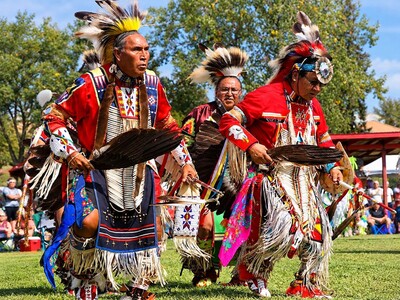
That approach includes connecting students with cultural traditions, trusted adults, Native-led organizations, language programs, community gatherings and mental-health professionals who understand tribal experiences.
The data also underscore the importance of recognizing warning signs, including withdrawal from family and friends, dramatic changes in behavior, expressions of hopelessness, giving away possessions and talking or posting about death.
Schools serving Indigenous students face additional responsibility to ensure that mental-health resources are accessible, confidential and culturally grounded. Rural geography and shortages of behavioral-health professionals can make those services difficult to obtain, particularly for families living far from major medical systems.
The 988 Suicide and Crisis Lifeline is available around the clock by call or text. People experiencing an immediate emergency should call 911.
Statewide statistics should not be used to portray Indigenous youth only through crisis. Prevention leaders emphasize that cultural identity, language, community relationships and connection to elders are protective strengths that can help young people navigate trauma and isolation.

Local stories matter. Subscribe free to MinneapoliMedia and receive independent news, community reporting and important updates from Minneapolis, the North Metro and communities across Minnesota.
SUBSCRIBE FREE: https://minneapolimedia.town.news/subscribe
MinneapoliMedia | Community. Culture. Civic Life


Sunny, with a high of 71 and low of 48 degrees. Overcast during the morning, sunny during the afternoon, clear in the evening, overcast overnight.