39° and Clear
Image



SAINT PAUL, MN (September 7, 2026). One month after Saint Paul permanently closed the large homeless encampment at Pig's Eye Park, city officials are confronting a difficult consequence: many of the people who left appear to have relocated to another encampment where police calls, environmental concerns and emergency-access problems have sharply increased.
The city closed Pig's Eye Park on August 5 after months of planning, outreach and public debate over unsafe living conditions, fires, medical emergencies, violence and other risks at the site.
Ahead of that closure, Saint Paul transferred $1.08 million to Ramsey County to expand emergency shelter capacity and related services for people living at Pig's Eye.
But Assistant Mayor Cedrick Baker told city leaders that only seven former Pig's Eye residents used the shelter space created through that effort, and those individuals were not necessarily staying there every night. Four others were receiving services through Union Gospel Mission.
Baker acknowledged that city officials had hoped for greater shelter participation.
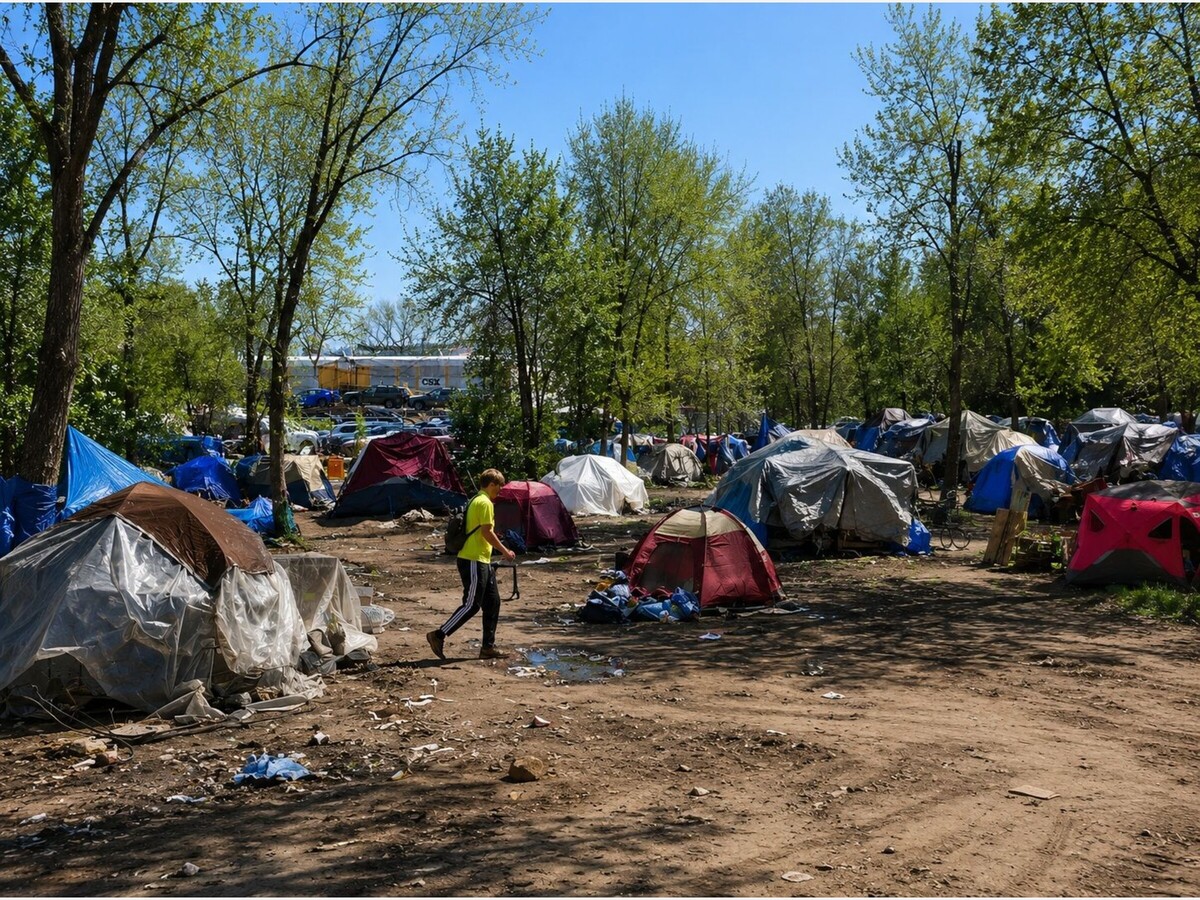
Meanwhile, an estimated 90 to 100 people who had lived at Pig's Eye relocated to an encampment near Shepard Road and Randolph Avenue, according to information presented by city officials and reported by FOX 9.
The surrounding area averaged approximately 11 police calls per month from January through July.
In August, that number climbed to 145.
That represents an increase of more than 1,200 percent.
The calls have included reports of fights and theft, although the total also includes proactive police activity. The distinction is important because call volume alone does not mean every call involved criminal activity or originated with an encampment resident.
THE QUESTION AFTER PIG'S EYE
Saint Paul's closure strategy was explicitly framed as more than displacement.
The city said its approach would prioritize safety, stability and dignity, with outreach teams helping residents transition toward shelter, permanent housing, health care and other support.
The current situation near Randolph Avenue presents an early test of that promise.
If dozens of people simply moved from one unsafe encampment to another, the public-policy question becomes whether the city successfully reduced homelessness and danger or primarily changed their location.
The Randolph site presents its own serious problems.
Saint Paul Fire officials have said the location creates unusual operational challenges because of terrain, secured gates and conditions inside the site. Emergency personnel reportedly used a four-wheeler to reach one medical call.
Tents and makeshift shelters extend around railroad infrastructure, further complicating emergency access.
Baker has also told city officials that the encampment occupies land formerly used as an auto salvage yard where soil contains lead and carcinogenic contaminants. The property is also susceptible to flooding.
Those risks affect people living at the encampment first and most directly, while also complicating the work of firefighters, paramedics, outreach workers and neighboring residents.
WHAT HAPPENS NEXT
Saint Paul has said it intends to close the Randolph encampment as part of its broader citywide strategy, but officials have not announced a timetable.
That creates another difficult transition question: where will residents go when this site closes?
Saint Paul's own encampment policy acknowledges that closing outdoor camps cannot by itself solve homelessness. Housing availability, behavioral health care, substance-use treatment, income instability and broader county, state and federal systems all affect whether people can move into stable housing.
For people experiencing homelessness in Saint Paul, Ramsey County's Shelter Entry and Diversion Team can be reached at 651-266-1050.
Ramsey County Navigators can be reached at 651-266-8500 for help connecting with county services.
People concerned about someone living outdoors in Saint Paul can contact the city's Homeless Assistance Response Team through the city's information line at 651-266-8989.
Anyone facing an immediate threat to life or safety should call or text 911.

Local stories matter. Subscribe free to MinneapoliMedia and receive independent news, community reporting and important updates from Minneapolis, the North Metro and communities across Minnesota.
SUBSCRIBE FREE: https://minneapolimedia.town.news/subscribe
MinneapoliMedia | Community. Culture. Civic Life



Sunny, with a high of 67 and low of 48 degrees. Partly Cloudy in the morning, sunny for the afternoon, clear during the evening,