57° and Clear
Image




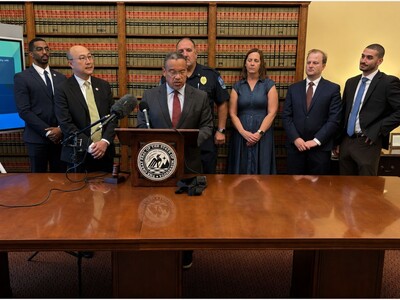
Attorneys for the state and the two cities defended the lawsuit during a hearing in the U.S. District Court for the District of Minnesota.
The U.S. Department of Justice argues that the reduction of Department of Homeland Security personnel and the announced end of Operation Metro Surge removed the basis for the lawsuit.
Federal attorneys contend that because the large deployment is no longer operating in its previous form, there is no continuing controversy requiring a court decision.
Attorney General Keith Ellison and the two cities disagree.
They argue that the federal government has not withdrawn the policies used during the operation, acknowledged that its conduct was unlawful or promised that another surge will not occur.
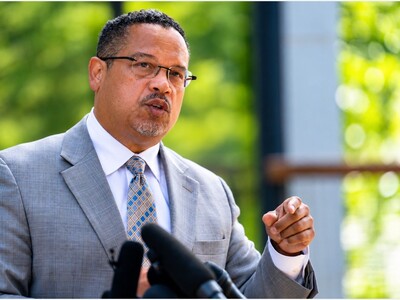
“The Operation Metro Surge may have ended, but the harms caused by it are ongoing,” Ellison said.
Ellison also pointed to federal statements suggesting that immigration personnel could be deployed to Minnesota again.
The lawsuit alleges that the federal operation interfered with state and local authority and caused damage to public health, education, public safety and community life.
During the operation, immigrant families reported avoiding schools, clinics, workplaces, businesses and public spaces because they feared encountering federal agents.
School districts experienced enrollment and attendance disruptions. An analysis of Minnesota districts found that at least 1,700 students left during or after the operation, including substantial losses among English learners.
Businesses in immigrant neighborhoods reported severe reductions in customers and revenue. Religious institutions and community organizations changed their activities while attempting to protect members and continue essential services.
The state and cities argue that those consequences did not disappear when the federal government reduced the number of agents.
Their legal position also relies on the possibility of recurrence. Courts sometimes dismiss cases when challenged government conduct ends and cannot reasonably be expected to resume. A case may remain active, however, when officials voluntarily stop an action but retain the authority and stated intention to begin it again.
Minnesota argues that this dispute falls into the second category.
The underlying lawsuit asks the court to determine whether the scale, methods and purpose of Operation Metro Surge exceeded federal authority or unlawfully interfered with state and municipal functions.
The legal challenge is separate from other lawsuits involving individual arrests, enforcement activity near religious institutions, surveillance of community groups or criminal prosecutions arising from protests.
Those cases may continue regardless of what happens to the state’s broader lawsuit.
A dismissal would end the state and cities’ challenge without a ruling on whether the operation itself was lawful. Allowing the case to proceed would permit further discovery, legal arguments and potentially a decision defining limits on similar federal deployments.
The court did not immediately rule on the Justice Department’s motion.
Until a decision is issued, the lawsuit remains active.

Local stories matter. Subscribe free to MinneapoliMedia and receive independent news, community reporting and important updates from Minneapolis, the North Metro and communities across Minnesota.
SUBSCRIBE FREE: https://minneapolimedia.town.news/subscribe
MinneapoliMedia | Community. Culture. Civic Life



Sunny, with a high of 67 and low of 43 degrees. Sunny in the morning, clear in the afternoon and evening,