53° and Clear
Image
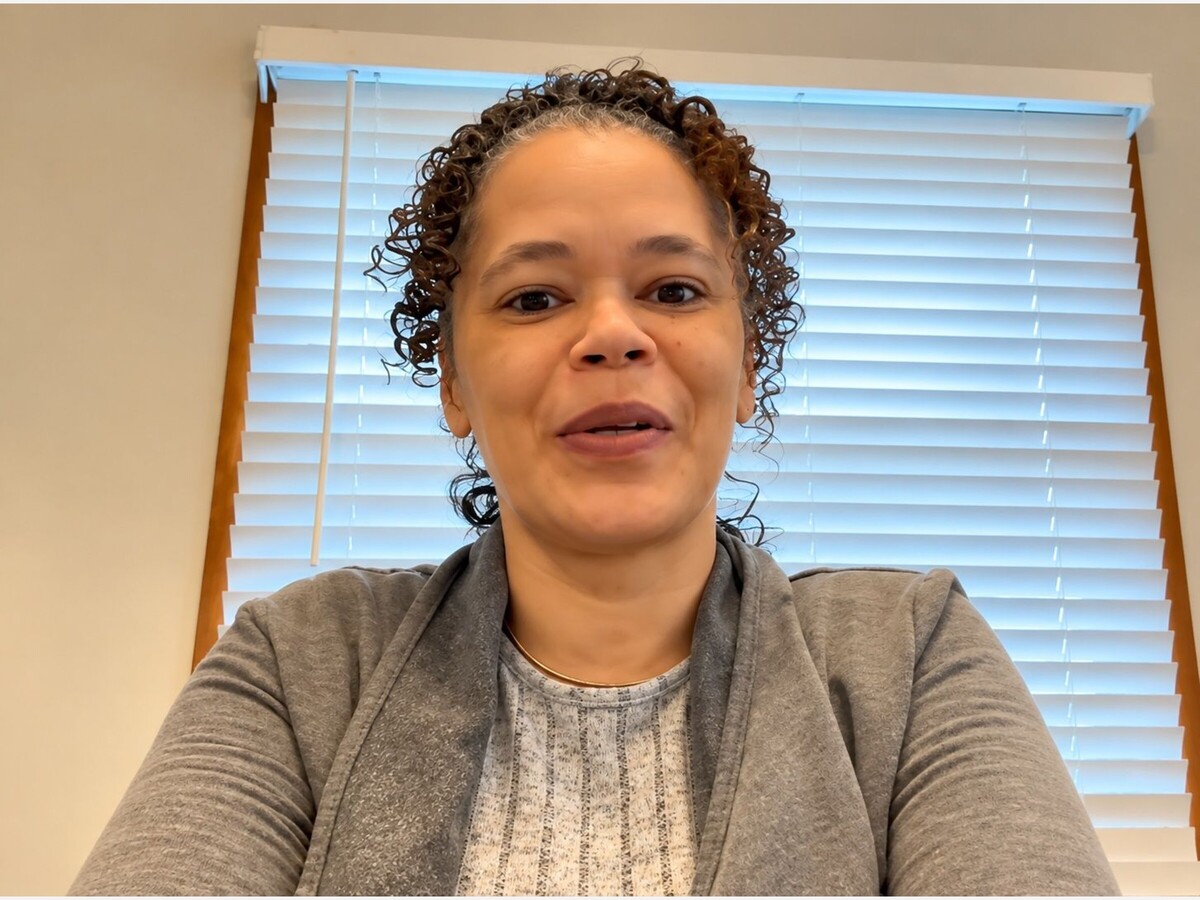



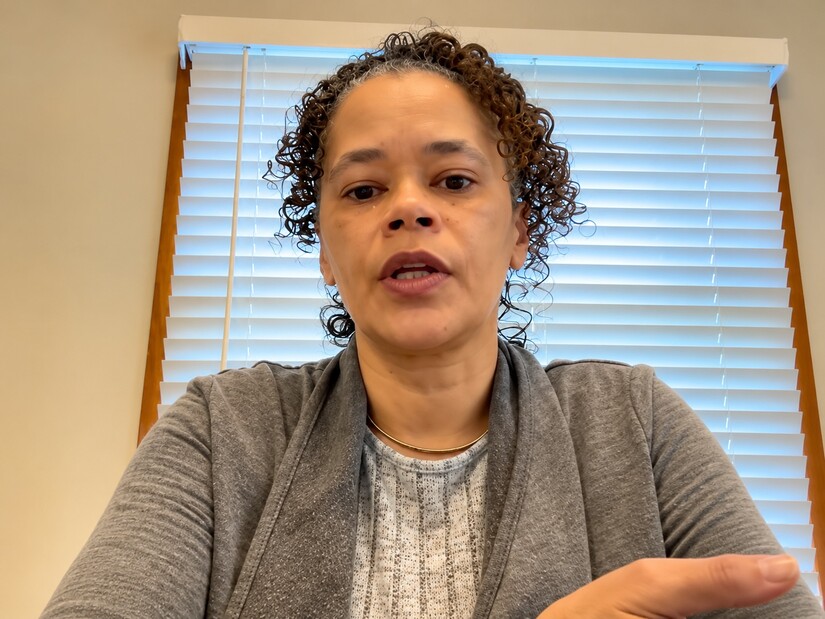
MINNEAPOLIS, MN (October 2, 2026). Oriana Baker begins her case for the United States Senate with a declaration that is both the foundation of her campaign and an acknowledgment of how far outside Minnesota’s political establishment she stands.
Running a low-cost write-in campaign, the North Minneapolis native says healthcare, affordability and public accountability are central to her candidacy. She also spoke candidly about the demands of the office and the policy areas she would still need to master.
“I am ordinary people,” Baker told MinneapoliMedia during a Sept. 20 interview for THE CANDIDATE.
Baker is a nurse, a North Minneapolis native, a mother and a grandmother. She has never held elected office, does not have a conventional campaign organization and is not raising the money normally required to compete in a statewide race. She is seeking the Senate seat as a write-in candidate, relying largely on social media, personal contact and earned attention rather than paid advertising, field staff or a statewide event schedule.
That approach places severe limits on her ability to reach voters. It also gives her campaign its central argument: that national office should not be reserved for wealthy candidates, practiced political professionals or people backed by major institutions. Baker believes a working Minnesotan should be able to apply for what she repeatedly described as a job serving the public.
The seat is open because Democratic U.S. Sen. Tina Smith decided not to seek another term. The office carries responsibilities far beyond the concerns most visible in a state campaign. Senators write and vote on federal law, approve presidential nominees and federal judges, shape taxes and spending, influence foreign policy, and decide questions involving war and national security. Baker entered the race without professional experience in any of those areas. During the interview, she did not try to conceal that fact.
Instead, she asked voters to consider whether intelligence, discipline, work experience and a willingness to learn can provide a different form of preparation. Her answers showed the appeal of that proposition, particularly when she discussed nursing, addiction treatment and the pressures facing working families. They also showed its limits. On several subjects, including trade and the mechanics of reducing medical costs, Baker acknowledged that she had not yet developed detailed proposals.
The result is a candidacy built less around a finished legislative program than around a biography, a set of governing instincts and a belief that the Senate needs more people who live with the consequences of public policy.
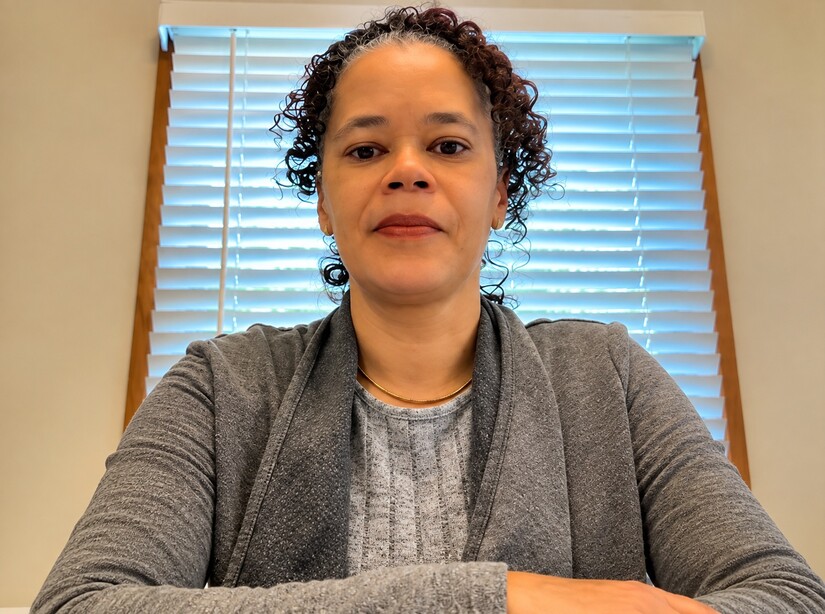
Baker was born and raised in North Minneapolis in a two-parent household and a large family. She described herself as African American and Swedish. Her mother was raised near Lindstrom, Minnesota, and Baker said visits to that part of the state remain part of her family life, particularly during the fall.
Politics in her family did not follow a single line. She grew up around Democrats and Republicans and said her relatives span different income levels and political views. That background, she said, shaped her belief that disagreement does not have to eliminate cooperation.
Her path into nursing began after she became a mother at a young age. As a single parent, she received public assistance, including housing support, and used that stability to attend school. She described the assistance without embarrassment and as an example of what a functioning safety net can make possible.
A dispute at the housing development where she lived became a turning point. Baker said she reported what she believed was fraud. A property manager who saw how she handled the matter encouraged her to pursue an education. She eventually entered nursing school and began a career that has included addiction treatment, community health, group homes, administrative and consulting work, and direct patient care. She told MinneapoliMedia that she now works full time in inpatient care.
Her public healthcare work is part of the record she brings to the campaign. Neighborhood HealthSource identified Baker in its 2021 annual report as a Suboxone coordinator, a role involving care for patients with opioid-use disorder and connections to medical and behavioral-health services. In the interview, Baker also discussed work in methadone treatment and outreach to people living in homeless encampments.
She has one daughter and three grandsons. One grandson is autistic, she said, giving her a personal stake in how public institutions support children with disabilities and their families. Outside work, she described a quieter life centered on family, reading, drawing, coloring and light exercise.
The ordinary details matter to Baker’s political identity. She pays market rent, watches food and fuel prices, receives health insurance through an employer and works a full schedule. She argues that those experiences are not incidental to governing. They are the experiences she believes many elected officials no longer understand closely enough.
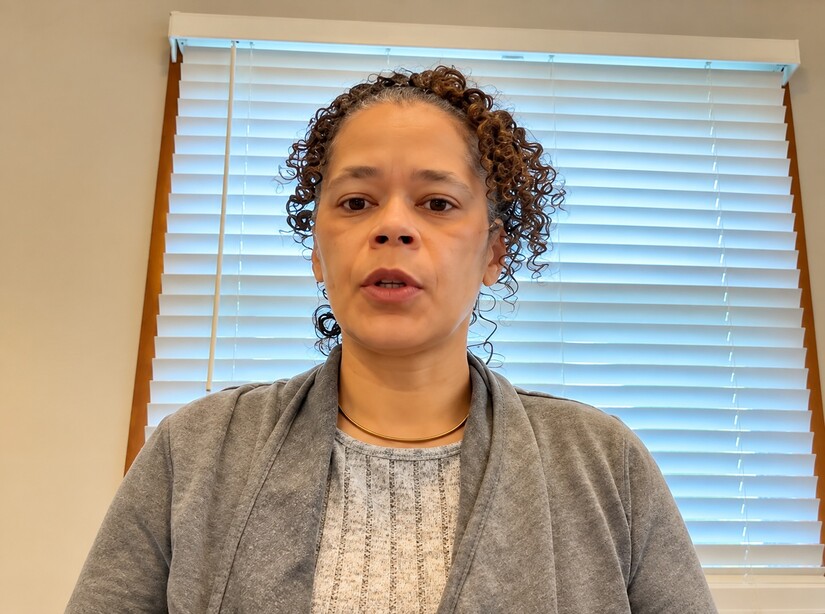
Baker was most specific when the interview turned to healthcare. She supports universal coverage and said she would back Medicare for All, while remaining open to changes that could attract broader support and improve how such a system operates.
Her emphasis was not limited to the existence of coverage. She spoke about staffing, employee retention, access to treatment, the financing of public hospitals and the survival of nonprofit and sliding-scale clinics. She said public hospitals should remain publicly accountable and that community clinics should have the resources to serve more patients.
On prescription drugs and insurance denials, however, she did not claim to have a completed legislative plan. She said she would seek colleagues and staff members with relevant expertise and work with them on practical bills. The answer reflected an honest limitation, but it also raised a question that follows her campaign: how much policy development should voters expect from a candidate before asking them to take on the work of a senator?
Baker’s answer is that a senator does not work alone. She would hire knowledgeable staff, study the details and build coalitions. She presented that as a normal part of governing rather than a substitute for preparation. Still, she acknowledged that she had not examined some of the particulars before entering the race.
On medical debt, her position was more direct. She said illness should not drive people into bankruptcy or cost them their homes and expressed support for relieving medical debt. She also argued that healthcare policy should place patients ahead of profit.
Her experience with workforce shortages led her to challenge a common description of the nursing crisis. Baker said the problem is not always a lack of qualified nurses. In many workplaces, she argued, it is a failure to hire enough people, retain experienced employees and create conditions in which nurses can safely care for patients. Repeated turnover, she said, costs institutions money and increases burnout while leaving patients vulnerable.
She called for stronger efforts to recruit healthcare workers, improve retention and listen to employees who report unsafe staffing or inadequate support. In her view, paid leave and time away from demanding work can help keep experienced workers from leaving their professions altogether.
Her discussion of addiction treatment was similarly grounded in direct contact with patients. Baker rejected the idea that substance use can be separated neatly from mental illness, disability, housing instability or trauma. She supports medication-assisted treatment, counseling, recovery programs and earlier mental-health intervention. She also said Minnesota’s network of treatment providers, sober housing and community clinics can offer useful lessons for other states, even though the system remains imperfect.
Baker recalled walking through encampments as part of outreach work and hearing why some people avoided shelters. Safety, crowding and a lack of privacy can make existing placements unacceptable to people in crisis, she said. She supports additional funding for smaller-scale housing and more secure shelter options that give people enough stability to seek treatment and rebuild their lives.
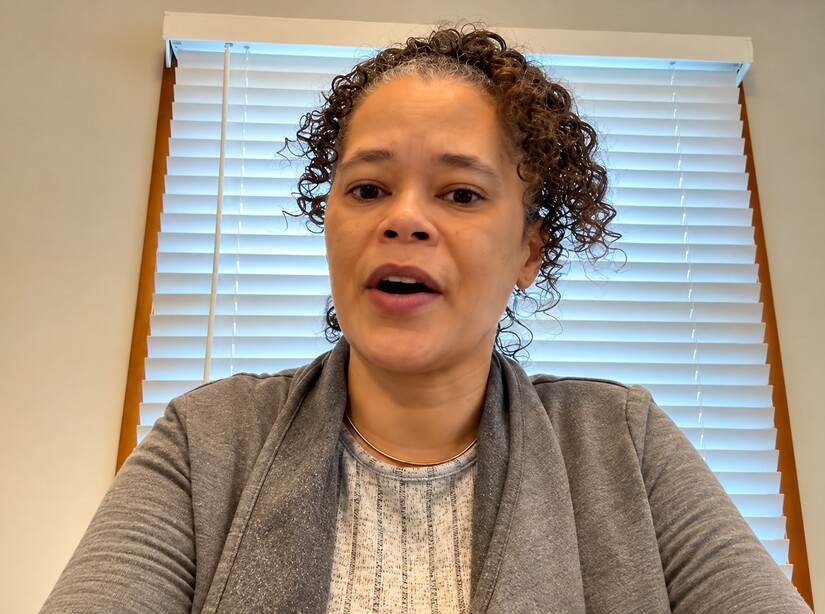
Baker said she has voted Democratic throughout her adult life, but dissatisfaction with political leadership pushed her toward the race. She cited violent crime, public fraud, education, healthcare expenses and the rising cost of groceries and fuel. She also expressed frustration that politicians often appear to discover the burden of ordinary expenses only during campaigns.
After seeing information online about the open Senate seat, Baker said she considered the possibility of running for about a week. She contacted the state, learned about the write-in process and submitted the required paperwork. Because the campaign depends on write-in votes, her name will not appear among the printed choices on the ballot. Baker told MinneapoliMedia that she had completed the filing needed for votes cast in her name to be individually counted.
Her campaign has no conventional infrastructure. She works full time and said she cannot travel constantly to events around Minnesota. She does not have a paid communications operation or a team developing talking points. She posts on Facebook and TikTok, joins discussions on local pages and directs people to a short online biography.
Baker said she does not want campaign donations and does not intend to make politics a lifelong occupation. She supports congressional term limits and said she would serve no more than two terms. Constitutional and practical questions surround any effort to impose congressional term limits, but the position reflects her broader objection to a political class that can become detached from the public.
The same outsider status that distinguishes her also makes it difficult for voters to assess her candidacy. A campaign without fundraising, advertising, staff or sustained travel may avoid some of the pressures of conventional politics, but it also limits scrutiny, organization and statewide reach. Baker’s response is to ask voters not to rush. She wants them to follow what she says, consider the available choices and vote according to their judgment.
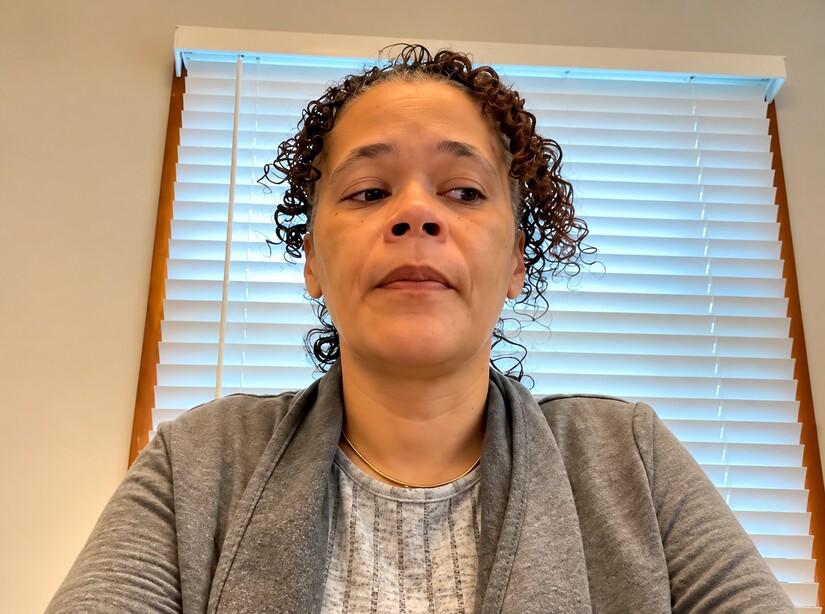
Baker supports a federal minimum wage of $25 an hour. She argued that people who are able to work should earn enough to live, particularly after years in which wages have failed to keep pace with housing, food and other necessities. She did not offer a detailed account of how a single national wage would affect regions with different costs of living or small employers with narrow margins. Her position rests on a simpler principle: full-time work should provide economic stability.
She also wants greater scrutiny of government spending and the organizations that receive public money. In discussing fraud, Baker called for stronger monitoring before large grants are distributed and more direct oversight after funds are awarded. Money recovered from fraudulent or failed programs, she said, should be redirected to public purposes, including schools.
On crime, Baker rejected a choice between accountability and prevention. She said consequences matter but argued that police, judges and sentencing cannot address the conditions that contribute to violence. Her preferred response includes stronger public schools, early intervention, mental-health support and help for families before children become involved in serious offenses.
Baker criticized Minnesota’s educational outcomes and said state leaders should be held responsible for persistent gaps in reading and mathematics. Some of the numerical claims she made during the interview did not correspond precisely to how the state reports proficiency data, but her broader criticism was clear: she believes too many students are leaving school without the skills and support they need.
Her approach to oversight is shaped by suspicion of both institutional complacency and corporate influence. She wants lawmakers to ask basic operational questions earlier, before projects are approved and public money is committed.
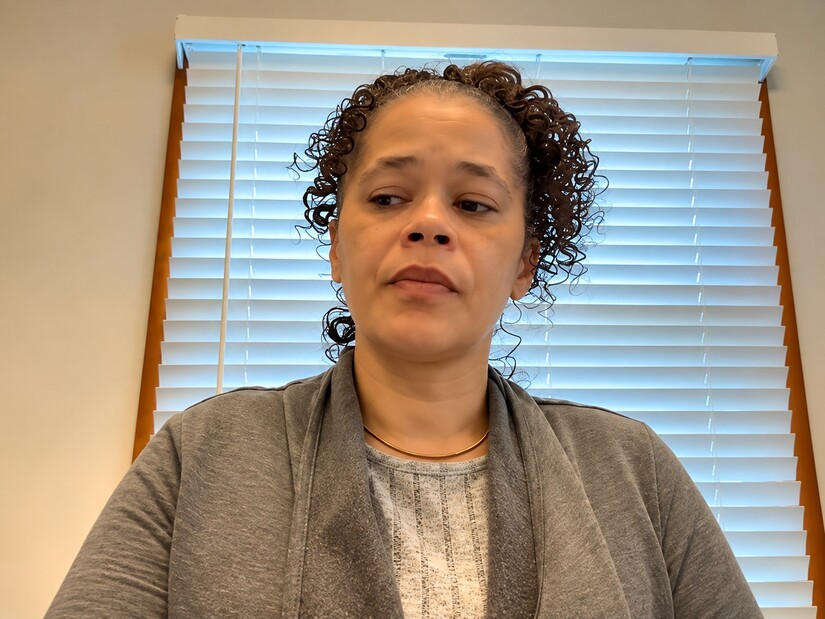
One of Baker’s most visible campaign statements has been “No more data centers.” During the interview, she clarified that she is not calling for a permanent prohibition. She said she intended to revise that language and instead supports stricter conditions on future development.
Data-center proposals have generated debate in Minnesota and across the country because the facilities can bring investment and construction while placing substantial demands on electricity, water, land and public infrastructure. Baker said technology companies should bear the full costs created by their facilities rather than passing them to households or local governments.
She also wants officials to examine noise, lighting, water use and the effect on nearby residents before approving projects. Her criticism was aimed as much at the public process as at the technology itself. City councils, counties and state agencies, she argued, should establish clear protections before construction begins instead of negotiating safeguards after communities object.
The revision is significant. It shows that Baker’s campaign language can be broader than the position she articulates when pressed for details. It also shows a willingness to change wording when she believes it overstates her view. For voters evaluating a candidate without a legislative record, that distinction matters.
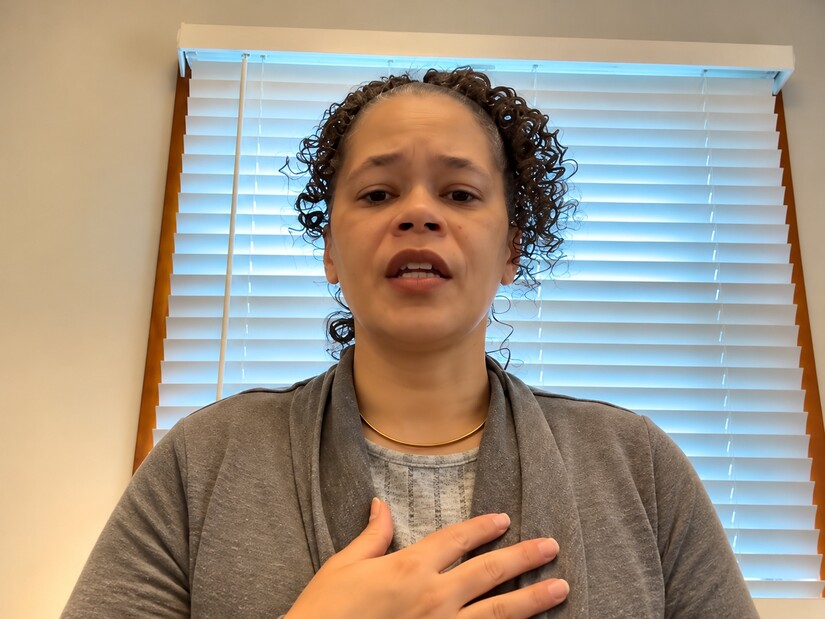
Baker presents herself as independent of party machinery, but not as ideologically neutral. She remains a Democratic voter, said she would likely caucus with Democrats and indicated that she would generally support Democratic positions on judicial nominations and reproductive rights.
She identified women’s healthcare, the safety of vulnerable adults, workers’ rights and protection against exploitation as core principles she would not trade away. She also supports a strong immigration system with screening and enforcement, while opposing indefinite detention and what she described as excessive or inhumane enforcement practices. She does not support abolishing Immigration and Customs Enforcement.
Her version of independence is therefore not distance from both parties in equal measure. It is freedom from party funding and leadership control. Baker said she wants to work with Republicans because Republicans are part of her family, workplace and community, but she does not want party loyalty to determine every vote.
She signed what she called the Purple Pledge, which she described as a commitment to place citizens ahead of partisan interests. She favors single-subject legislation, clearer public explanations of congressional action and greater transparency about what happens in committees. Large bills that combine unrelated provisions, she said, make it harder for citizens to understand what their representatives have approved.
That preference would face the realities of a Senate where coalitions are often built through compromise across many issues. Baker did not lay out how she would navigate situations in which accepting an imperfect package is the only way to advance a priority. Her governing instinct is to make legislation easier to read and elected officials easier to hold accountable.
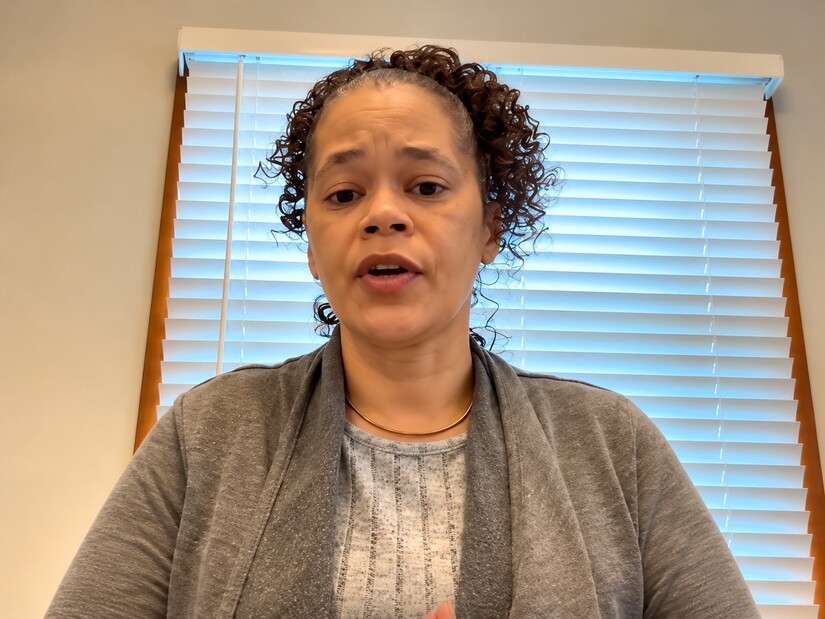
The sharpest test of Baker’s readiness came when the discussion moved to trade and foreign policy. She blamed tariffs for higher consumer costs and said senators should restrain policies that make food, fuel and other necessities more expensive. When asked how trade agreements, supply chains and tariff authority work, she acknowledged that she was not well versed in trade.
Baker said she would study the subject if elected and seek advice from people with expertise. She also said trade had not been one of her principal interests before the campaign. That admission was unusually direct, but the knowledge gap is consequential. A senator cannot separate tariffs from trade policy, agriculture, manufacturing, national security or consumer prices. Those decisions begin immediately and affect Minnesota employers, farmers and households.
On foreign policy, Baker offered a set of values rather than a detailed doctrine. She said the United States should put the needs of Americans first while continuing to help allies and people facing war or humanitarian disaster. She supports military force when necessary to stop grave threats, pointing to the fight against Nazi Germany as a clear historical example, but opposes intervention undertaken for corporate advantage or without sufficient regard for human consequences.
She repeatedly returned to access to healthcare, water, clean air, safety and human dignity as standards by which she would judge policy. Those principles offer a direction, but they do not by themselves resolve the difficult choices senators face when allies disagree, resources are limited or security goals conflict with humanitarian concerns.
Baker did not argue otherwise. She said she would have to learn, study bills and rely on qualified staff and experienced colleagues. She compared her path with other public figures who entered politics from work outside government, including former teacher Tim Walz, former waitress Alexandria Ocasio-Cortez and former professional wrestler Jesse Ventura.
The comparison supports only part of her case. An unconventional background is not a disqualification, and political experience is not the only form of useful experience. But outsider status does not reduce the complexity of the Senate’s work. It makes preparation, personnel and judgment even more important.
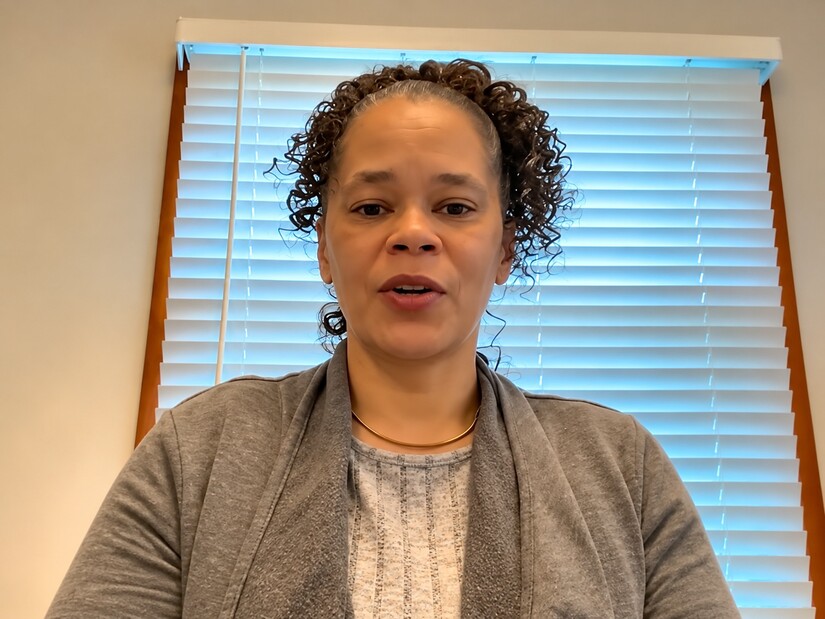
Baker’s candidacy asks Minnesota voters to decide what kind of experience should count in public life. She offers more than a decade in healthcare, firsthand knowledge of public assistance, experience as a working mother and sustained contact with patients facing addiction, homelessness and mental illness. She understands staffing failures and medical systems from inside institutions rather than from briefing papers.
She also enters the race without a developed position on every major federal responsibility and without the organization normally used to turn ideas into legislation, public support and votes. The interview made both realities visible.
At the close of the conversation, Baker returned to the concern that voters might see her lack of elected experience as a reason to dismiss her. She said she is willing to work, eager to learn and serious about gaining the knowledge the office requires. She also agreed to return for another interview after further study.
That promise captures the character of her campaign. Baker is not presenting herself as a finished product. She is asking voters to believe that a nurse who has spent years serving people directly can acquire the technical knowledge of government without losing contact with the life she already knows.
For a write-in candidate, recognition is the first obstacle. Readiness is the larger one. Baker’s argument is that the discipline required to build a nursing career, support a family and care for vulnerable people can become a foundation for public office. Minnesota voters must decide whether that foundation, along with her stated willingness to learn, is enough for one of the most demanding positions in the federal government.
Editor’s note: This article is based on MinneapoliMedia’s Sept. 20, 2026, interview with Oriana Baker and has been edited and organized for length and clarity. Statements about Baker’s positions and experiences are attributed to her unless independently established. MinneapoliMedia’s THE CANDIDATE is a nonpartisan interview series and does not endorse candidates.

Local stories matter. Subscribe free to MinneapoliMedia and receive independent news, community reporting and important updates from Minneapolis, the North Metro and communities across Minnesota.
SUBSCRIBE FREE: https://minneapolimedia.town.news/subscribe
MinneapoliMedia | Community. Culture. Civic Life



Sunny, with a high of 73 and low of 49 degrees. Sunny during the morning, clear in the afternoon and evening, smoky haze overnight.