50° and Patchy rain nearby
Image



ST. PAUL, MN (October 5, 2026).
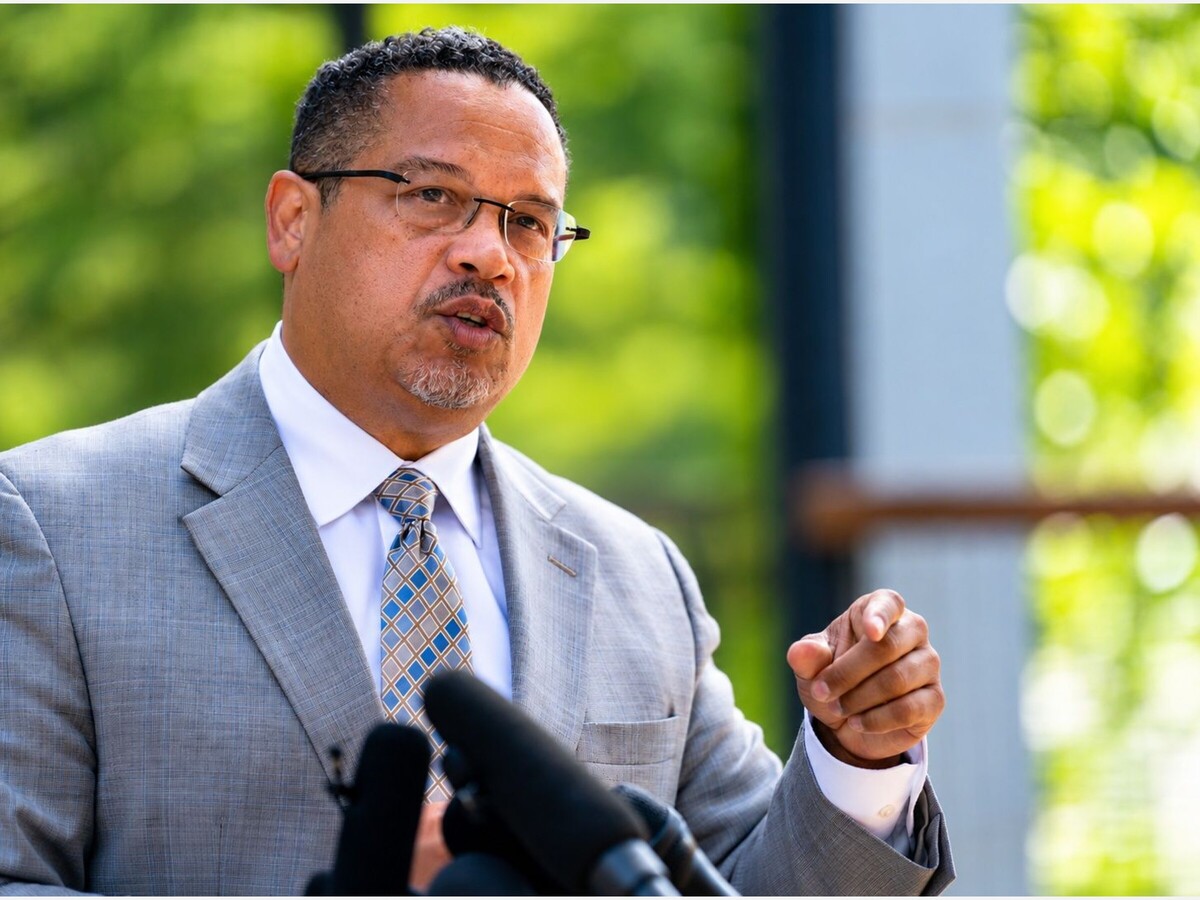
Minnesota Attorney General Keith Ellison's office is challenging the financial structure behind Google's proposed Pine Island data center, warning state utility regulators that Xcel Energy has not demonstrated that ordinary customers will be protected from potentially enormous electricity costs created by the project.
The Attorney General's Residential Utilities Division filed initial comments with the Minnesota Public Utilities Commission over the electric service agreement between Xcel and Google.
The filing argues that Xcel has not shown that the agreement is reasonable, in the public interest or compliant with Minnesota requirements governing exceptionally large electricity customers.
At the center of the dispute is a basic question: who pays for the electricity infrastructure required by a hyperscale data center if the project's demand changes or Google eventually leaves the system?
Minnesota law is designed to provide a clear answer. Costs attributable to very large electricity customers are supposed to be assigned to those customers rather than shifted to households and small businesses.
The Attorney General's Office argues that Xcel's proposed agreement has not demonstrated that protection.
The numbers involved are substantial.
Xcel has argued that Google's project could generate more than $1.1 billion in net benefits for other ratepayers.
The Attorney General's analysis reaches almost the opposite conclusion, estimating that the arrangement could instead produce approximately $1 billion in net costs to other customers. The office further warns that some potential stranded-resource costs could reach into the billions.
Those figures are projections rather than approved charges to customers. No $1 billion rate increase has been imposed.
The dispute concerns financial risk embedded in a proposed agreement that remains under review by the Public Utilities Commission.
One concern involves costs incurred during Google's contract.
The Attorney General's Office says Xcel has not demonstrated that Google will pay every cost attributable to serving the data center during the agreement's term.
A second concern involves what happens afterward.
Large data centers require extraordinary amounts of electricity. Utilities may need to add generation, transmission and other infrastructure to meet that demand. If the customer later reduces electricity consumption or leaves the system, some of those investments can remain.
Those are known as stranded costs.
The Attorney General's Office argues that Xcel has not sufficiently protected its other customers from being required to pay those costs if Google's demand declines, if the company terminates its agreement early or after the proposed 15-year contract expires.
Transparency has become another part of the dispute.
The Attorney General's Office says Xcel redacted many of the dollar amounts needed to evaluate the financial consequences of the agreement, identifying the information as trade secrets.
The office argues that some of those redactions have not been sufficiently justified and prevent the public and some participants in the regulatory proceeding from independently evaluating the potential effect on electricity customers.
The controversy arrives as Minnesota confronts a rapid increase in proposed data-center development and the enormous electricity and water requirements associated with those facilities.
State lawmakers responded in 2025 by establishing requirements for utility agreements with very large customers.
The Public Utilities Commission may approve, modify or reject such agreements. Regulators must consider whether costs are assigned appropriately, whether electricity provided to the customer meets Minnesota's carbon-free energy requirements, whether other customers are protected against stranded costs and whether the agreement serves the public interest.
Xcel disputes the Attorney General's assessment.
The utility has said large electricity users must pay their own way and that Google has agreed to support 1,900 megawatts of new wind, solar and battery resources without imposing those costs on existing customers. Google has also argued that the agreement complies with Minnesota law and serves the public interest.
The PUC has not yet decided the issue.
That makes the Attorney General's filing significant but not final. It is an intervention in an active regulatory proceeding, not a ruling that ratepayers will necessarily pay the projected costs.
The next stage will allow Xcel and other participants to respond before commissioners determine whether the electric service agreement should be approved, modified or rejected.
What regulators decide could reach beyond Pine Island.
Minnesota is establishing the rules under which some of the world's largest technology companies may connect massive new facilities to an electric grid financed in part through rates paid by millions of existing customers.
The Google agreement is therefore becoming an early test of whether Minnesota's new protections can ensure that the economic promise of data-center development does not transfer its infrastructure risks to households and small businesses.

Local stories matter. Subscribe free to MinneapoliMedia and receive independent news, community reporting and important updates from Minneapolis, the North Metro and communities across Minnesota.
SUBSCRIBE FREE: https://minneapolimedia.town.news/subscribe
MinneapoliMedia | Community. Culture. Civic Life



Overcast, with a high of 57 and low of 49 degrees. Overcast for the morning, patchy rain nearby overnight.